
 Worksheets
Grade 3 Sem 1 revision
Total questions: 72
Worksheet time: 2hrs 58mins

Flowers are _.
once alive
living
never alive

Flour is _.
once alive
never alive
living

Butterfly is a living thing.
True
False
Maybe
I don't know

Meat is never alive.
True
False
Maybe
I don't know.
once alive


living thing


Bus, bike, and car move. They are living things.
No
Yes
Maybe
I don't know
Which is the odd one out?

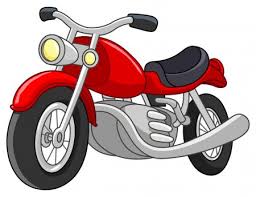
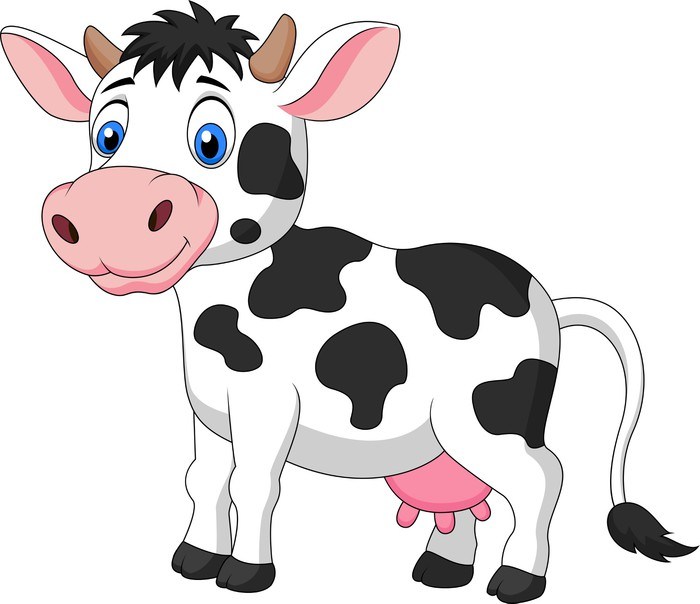
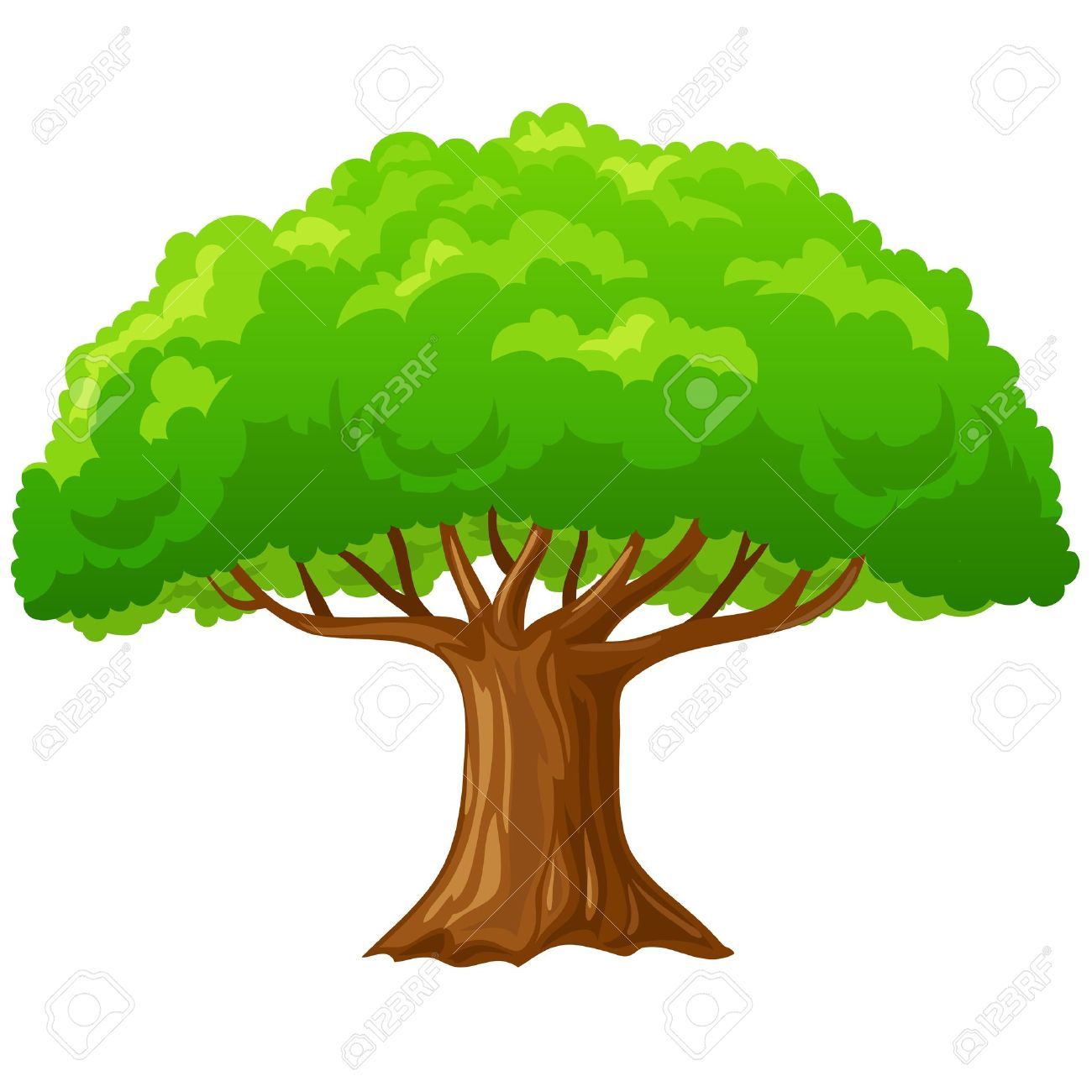
What are the things that living things need to stay alive? Please tick the answers.
Air
Water
Sun
Food

This picture shows about Life processes . Yes or No
Yes
No

Based on this picture, animals need _________ to growth
Respiration
Nutrition
Reproduce

Based on this picture, animals need ___________ to avoid from extinction
Reproduce
Sensitivity
Nutrition

WHAT IS THE LIFE PROCESS SHOWN IN THE IMAGE ?
GROWTH
RESPIRATION
MOVEMENT
NUTRITION

WHAT IS THE LIFE PROCESS SHOWN HERE?
NUTRITION
RESPIRATION
GROWTH
MOVEMENT
ANIMAL AND BIRDS MOVE IN SEARCH OF ?
FOOD
WATER
SHELTER
ALL THE ABOVE
THE FOOD THAT WE EAT GIVES US....
ENERGY
OXYGEN
ALL THE ABOVE
NONE OF THESE

Turtle is --------------
Amphibian
Reptile

Cardinal is ------------
Amphibian
Bird

Most mammals have ---------- and ---------
Scales
Hair
Fur
Feather

Most reptiles have ---------------
Wet skin
Dry scale
Which of the following is the feature of reptiles?
They lay eggs in the water
They have dry scales
Which of the following is not the feature of the amphibians?
They can live both on the land and in the water
They have feathers
They have gills when the young hatch from the eggs
Why is a whale not a fish?
Which one is the correct butterfly life cycle?
Baby, Caterpillar, Pupa, Butterfly
Egg, Larva, Tadpole, Butterfly
What is the difference between whale and fish?
Whales breathe using lungs while fish are not
Which one is the correct life cycle of frog?
Egg -> Tadpole -> Froglet -> Adult Frog
Tadpole -> Egg -> Froglet -> Adult
Which one is the correct group of things that were once alive?
Girrafe, Cooked Prawn, Car
Dry leaves, Fried Chicken, Fossils
Which one is the correct body parts of an insect?
Head, Body, Tail, Abdomen
WIngs, Head, Tail, Beak
Beak, Arms, Legs, Claw
Head, Thorax, Abdomen, Antennae
Which animal lay eggs in water?
Pigeon
Snake
Adult frog can live in ..... and .....


What does the arrow point to in a food chain?
only the plants in a food chain
only the animals in a food chain
the organism that gets the energy (eaten by)
the organism that lives the longest

Which of these gets energy from berries?
the Sun
the berries
the robin
the fox

According to this food chain, how does the snake get energy?
by eating the hawk
by eating the rabbit
by eating the berries
by being in the Sun

This part of the plant that holds firmly to the ground

Which item best describes the function of roots?
Anchor the plant & absorb water/nutrients
Site of photosynthesis
Develops into a new plant
Attracts bees and birds for pollination
What does the stem of the plant do?
It makes food for the plant.
It takes in the water from the ground.
It transports water to the other parts of the plant.
It exchanges gases with the surroundings.
Choose 3 basic needs for seeds to germinate
Air
Water
Suitable temperature
Soil
Which plant get air?


Which plant will live?


Why is Plant B wilted?
Plant B did not get water
Plant B did not get air
Plant B did not get suitable temperature

Why is Plant B wilted?
Plant B did not get water
Plant B did not get air
Plant B did not get suitable temperature

what is the organ called?
heart
liver
lungs

What is the name of this organ?
heart
brain
liver

What is this organ?
Toe
Eye
Hair
Brain

What is the name of this organ?
Bladder
Kidney
Stomach
Pancreas
What organs help us to breathe?
Lungs
Stomach
Heart
Brain

What organ helps you move, think and feel
Lungs
Heart
Stomach
Brain

What organ pumps blood to all parts of your body?
Heart
Brain
Lungs
Muscles
Which organ has both small and large parts?
kidneys
liver
stomach
intestines
The _____________ and_________ gets nutrients from your food.
heart and stomach
intestines and lungs
stomach and intestines

Choose the correct function of LUNGS
Supply oxygen into our blood stream
Supply water to our digestive system
pump blood to all parts of our body
digestion of food
The organ where food is collected and broken down
Liver
Stomach
Intestines
Kidneys

Which form of matter has a definite shape and takes up space (has definite volume)?
liquid
solid
gas
clay


The amount of space that matter takes up.
matter
volume
mass

a. The water begins to get hot and bubbles appear. Steam forms above the pot. What state of matter is the steam?
solid
liquid
gas

