
 Worksheets
uts wasling 2023
Total questions: 103
Worksheet time: 1hrs 12mins
Things of value that ecosystems provide for free are called ___________________.
ecosystem services
ecosystem diversity
food services
species diversity
The greater the ____________________, the more likely a species is to survive changes to their environment
Genetic Diversity
Species Diversity
Ecosystem Diversity
Greater ____________________ means there are more habitats to support different types of organisms.
Ecosystem Diversity
Species Diversity
Genetic Diversity
The more different types of organisms and the more relationships that can occur between organisms the greater the...
Species Diversity
Genetic Diversity
Ecosystem Diversity
Which ecosystem below has the HIGHEST biodiversity?


What are the 3 types of biodiversity (SELECT 3)
Genetic
Species
Ecosystem
Size
Biotic
Why is biodiversity important to ecosystems?
It helps populations adapt to ecological changes.
It increases at each level of the food chain.
The level of biodiversity that involves a variety of habitats is _____ diversity.
ecosystem
population
genetic
species
Which statement best describes an example of high biodiversity?
A pond ecosystem is populated by a single species of frogs
A state park that includes multiple forest and freshwater ecosystems with many different species of fish, birds and frogs in a variety of colors
A desert ecosystem is populated by organ pipe cacti, camels, and armadillo lizards
Define genetic diversity
a variety of genes and traits within a species
a variety of ecosystems in a given area
system made up of all the living and nonliving things in a given area
a variety of species in an ecosystem
A type of extinction that happens when species endemic to a place die out.
Background
Local
Mass
Accelerated
This refers to the total disappearance of all the members of a particular group of species.
Extinction
Biodiversity
Natural Selection
Disappearance

A stable ecosystem typically has high biodiversity.
True
False
Biodiversity is the ____________ and variability of __________ on earth
variety
life
diversity
difference

Image "B" shows more biodiversity than image "A". Why?
Because "B" shows more different species than image "A"
Because image "B" has less different species than "A"
"A" has a greater number of same species plants so this statement is wrong.
Both images show the same biodiversity
High biodiversity is a sign of a healthy ecosystem.
True
False

Which of the following forms of biodiversity describes all of the different livable spaces in an ecosystem?
Species
Habitat
Genetic
None of the Above

Abiotic is non-living
There is strong evidence that two species of
cliff-dwelling birds have nested in the same
environment and fed in the same water for
thousands of years, with each having stable
population sizes. Based on this information,
which of the following statements is the best
conclusion?
The two birds compete for food.
One species will displace the other.
The two birds have different ecological niches that allow coexistence.
One species eats a more diverse diet than the other does.
The lionfish is a venomous fish found primarily in the Red Sea and the Indian Ocean. In the 1990s, lionfish were accidentally released into the Atlantic Ocean, where they found abundant resources and favorable environmental conditions. Which of the following scenarios is most likely to result in the lionfish having a major impact on the communities into which they were introduced?
With no natural predators, the lionfish population will become very large.
Some native species of invertebrates will develop a resistance to lionfish venom.
Random mating will allow the lionfish population to reach Hardy-Weinberg equilibrium.
A virus that specifically infects lionfish will become more prevalent.

What are some ways we can help in maintaining biodiversity?
Get involved with ecological restoration in your area.
Prevent invasive species from overpopulating.
Don't use chemical pesticides on crops.


a substitute for kerosene as fuel is....
a. gas
b. petroleum
c. petrol
d. diesel fuel
a non-renewable natural resource is....
a. petroleum
b. animals
c. land
d. water
_________resources are those which get renewed or
replenished quickly.
Ubiquitous
Renewable
Localised
Non-renewable
_________resources are non-living.
Abiotic
Biotic
renewable
Non-renewable
Those resources whose quantity
is known is called _________
Biotic
Actual
Abiotic
Non- renewable
Resources that are drawn from Nature and used without
much modification are called__________
man- made resource
artificial resource
Natural resource
sustainable resources
Among 4 renewable energy, solar energy is the only energy that depends on the Sun existence.
True
False
Wind turbines require a minimum wind speed (generally 13 km/h) to begin turning and generate electricity.
True
False
When using hydropower, the amount of power produced to turn turbines depends on the flow of the water.
True
False

Although geothermal energy is better than fossil fuels, the process of pumping water underground can cause small earthquakes that damage roads. In which step does this process happen?
Step 1
Step 2
Step 3
Step 4

The picture attached is showing how solar energy works to generate electricity. Which of the following is the best description for step number 1?
The panels are used as decoration.
The panels measure the amount of electricity produced.
When the sun shines, energy from the sunlight is absorbed by the panels.
The panels are used to store excess electric energy and draw it when it’s needed.
Two disadvantages of hydroelectric energy out of the choices below are...
The supply is abundant in nature.
It doesn't pollute air environment.
Dams block sediment from continuing down a river.
The initial installment of hydropower plant can destroy wildlife habitats.

The picture attached is showing how hydroelectric works to generate electricity. Which of the following is the best description for step number 2?
The force of falling water pushing against the generator causes the generator's blade to spin.
The force of the falling water turns the turbine to produce electric energy.
The force of falling water pushing against the turbine causes the turbine's blade to spin.
The force of falling water pushing against the turbine causes the heat pumped to the surface of the Earth.
Two advantages of solar energy out of the choices below are...
Solar panels don't make any noise.
It is free energy supply (after purchasing the panels).
It works constantly at all times.
Some solar panels contain toxic materials which are safe for the environment.
Two disadvantages of wind energy out of the choices below are...
Wind farms need to be built in a large and open area.
It doesn't pollute air.
Some wind turbines can be noisy when their blades spin quickly.
It causes water pollution.

This form of electrical energy generating is called...
Hydroelectric energy
Geothermal energy
Solar energy
Wind energy
The future we want includes cities of opportunities for all with access to basic services.
Industry, innovation and infrastructure
Life in land
Sustainable cities and communities
Climate action

What does this symbol stand for?
affordable and clean energy
sustainable cities and communities
climate action
life on land

What does this icon represent?
life below water
sustainable cities and communities
climate action
life on land
Which is NOT an SDG goal?
Life below water
Reduced inequalities
Clean water and sanitation
Recycle innovations
Why were the sustainable development goals created?
Help extinct animals
End poverty, fight inequality and address the urgency of climate change
Create new communities with less diseases and higher pay
End poverty, save the turtles and locate the countries that have been lost
What year were the Sustainable Development Goals created?
2015
2000
1995
2018 during pandemic

What is one way to conserve water?
take many baths
turn off the water while brushing your teeth
leave the water running while brushing your teeth

What do you mean by water conservation ?
to save water
to drink water
to play with water
to heat up water
Why is clean water important?
All life on Earth depends on clean water to live and grow.
We need clean water for recreational activities.
We need bodies of water for transportation
We need water to regulate the temperature on Earth.
Select one way we can reduce water use.
wash dishes under a running tap
wash dishes in the big bath
wash dishes in a sink
Fresh water is used for
cooking
drinking
cleaning
throwing away
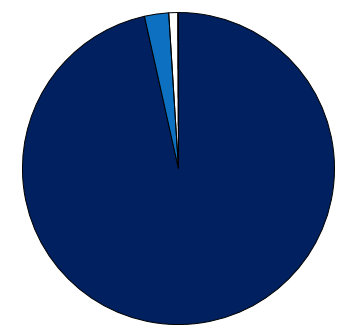
What percent of Earth's water is fresh water?
5%
3%
1%
20%

The following rubbish that is the same as the picture is ....


What is the purpose of separating rubbish?
Creating jobs
Keeping the environment clean
Generating energy
Reducing landfill space

Which category does the picture belong to?
non organic rubbish
organic rubbish
cannot be recycled
not mentioned in the text
What can non-organic rubbish be recycled into?
new products
composite
landfill space
energy
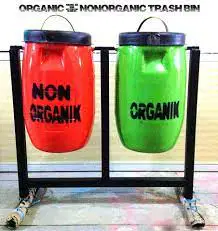
The following rubbish should be put into the red trash bin


Which category does the picture belong to?
Cannot be recycled
Organic rubbish
Non-organic rubbish
Not mentioned in the text
What should be done before throwing non-organic rubbish into the recycle bin?
Clean them
Wrap them in newspaper
Sort them by size
Shred them into small pieces
Rubbish that comes from living things will turn into ....
fertilizer
hand craft
foods
fuel
This is an organic rubbish


What is your opinion to Reduce Waste ?

What causes the pictures above ?
pollution
Water
Crab
Turtle

what does this picture mean ?
there is no more space for Trash in the world
There is no way to go back
Astronout contact his friend
Astronout reach the moon

What does this picture mean ?
Animals facing extinction
Bear is watching news
there are so many toys

The World Wide Produced over 45 Million Tonnes of Trashes per day
True
False

Indonesia prduced over 175.000 tonnes of trashes per day
True
False
Which picture is describing an affect of Global warming ?


The Dirtiest City in the world is .....
Tokyo,Japan
New York, USA
Kanpoor, India
Jakarta,Indonesia
Apa dampak polusi udara terhadap kesehatan manusia?
Polusi udara dapat menyebabkan gangguan pernapasan, penyakit jantung, dan masalah kesehatan lainnya pada manusia.
Polusi udara dapat menyebabkan peningkatan daya tahan tubuh manusia
Polusi udara tidak memiliki dampak apapun terhadap kesehatan manusia
Polusi udara dapat menyebabkan kulit menjadi lebih sehat
Apa saja upaya keamanan yang dapat dilakukan untuk mengatasi polusi lingkungan?
Beberapa upaya keamanan yang dapat dilakukan untuk mengatasi polusi lingkungan antara lain adalah penggunaan teknologi ramah lingkungan, pengelolaan limbah yang baik, penghijauan kawasan perkotaan, dan pengawasan terhadap industri-industri yang berpotensi mencemari lingkungan.
Mengurangi pengawasan terhadap industri pencemar
Meningkatkan penggunaan bahan kimia berbahaya
Membuang limbah secara sembarangan
Bagaimana pengaruh polusi udara terhadap keselamatan kerja di industri?
Polusi udara tidak memiliki pengaruh terhadap keselamatan kerja di industri
Polusi udara dapat meningkatkan produktivitas pekerja di industri
Polusi udara dapat mempengaruhi keselamatan kerja di industri dengan menyebabkan gangguan pernapasan, iritasi mata, dan masalah kesehatan lainnya bagi pekerja.
Polusi udara hanya berdampak pada kesehatan masyarakat umum di sekitar industri
Apa dampak polusi air terhadap lingkungan dan ekosistem?
Polusi air hanya mempengaruhi kehidupan manusia tanpa merusak lingkungan dan ekosistem
Polusi air tidak memiliki dampak negatif terhadap lingkungan dan ekosistem
Polusi air justru meningkatkan keanekaragaman hayati di lingkungan dan ekosistem
Polusi air dapat menyebabkan kerusakan lingkungan dan ekosistem, termasuk kematian hewan dan tanaman air, serta pencemaran sumber air yang dapat memengaruhi kehidupan manusia.
Apa yang dimaksud dengan polusi tanah dan bagaimana dampaknya terhadap kesehatan manusia?
Polusi tanah adalah hasil dari pertumbuhan tanaman yang berlebihan. Dampaknya terhadap kesehatan manusia dapat menyebabkan kekurangan gizi.
Polusi tanah adalah akibat dari terlalu banyak hujan. Dampaknya terhadap kesehatan manusia dapat menyebabkan kekeringan.
Polusi tanah adalah kontaminasi tanah oleh bahan kimia berbahaya. Dampaknya terhadap kesehatan manusia dapat menyebabkan berbagai penyakit seperti kanker, gangguan pernapasan, dan masalah kulit.
Polusi tanah adalah hasil dari limbah industri yang tidak terkelola dengan baik. Dampaknya terhadap kesehatan manusia dapat menyebabkan peningkatan produksi pangan.
Bagaimana penerapan AMDAL dapat membantu dalam mengurangi dampak polusi terhadap lingkungan?
Penerapan AMDAL dapat membantu dalam mengurangi dampak polusi terhadap lingkungan dengan melakukan analisis terhadap dampak lingkungan dari suatu proyek sebelum proyek tersebut dilaksanakan, sehingga dapat diambil langkah-langkah untuk mengurangi dampak polusi yang ditimbulkan.
AMDAL hanya digunakan untuk menutupi dampak polusi lingkungan
AMDAL hanya bertujuan untuk memperburuk dampak polusi lingkungan
Penerapan AMDAL tidak berpengaruh terhadap dampak polusi lingkungan
Apa saja langkah-langkah yang dapat diambil untuk meningkatkan keamanan dalam menghadapi polusi udara di perkotaan?
Beberapa langkah yang dapat diambil untuk meningkatkan keamanan dalam menghadapi polusi udara di perkotaan antara lain adalah mengurangi penggunaan kendaraan pribadi, meningkatkan penggunaan transportasi umum, menanam lebih banyak pohon, mengurangi emisi industri, dan menggunakan teknologi ramah lingkungan.
Meningkatkan penggunaan kendaraan pribadi
Meningkatkan emisi industri
Menanam lebih sedikit pohon
Bagaimana polusi udara dapat mempengaruhi kesehatan pekerja di sektor industri?
Polusi udara di sektor industri hanya menyebabkan gangguan ringan pada kesehatan pekerja
Pekerja di sektor industri memiliki kekebalan terhadap polusi udara
Polusi udara di sektor industri tidak memiliki dampak negatif terhadap kesehatan pekerja
Polusi udara di sektor industri dapat menyebabkan pekerja mengalami gangguan pernapasan, iritasi mata, dan masalah kesehatan lainnya.
Apa konsekuensi dari polusi udara terhadap keanekaragaman hayati?
Keanekaragaman hayati dapat terancam karena polusi udara dapat merusak ekosistem dan habitat makhluk hidup.
Polusi udara hanya berdampak pada manusia dan tidak mempengaruhi keanekaragaman hayati
Keanekaragaman hayati akan meningkat karena polusi udara memberikan nutrisi tambahan
Polusi udara tidak memiliki konsekuensi terhadap keanekaragaman hayati
Apa yang dimaksud dengan dampak positif penerapan AMDAL terhadap lingkungan?
Penerapan AMDAL dapat membantu dalam mengurangi dampak polusi terhadap lingkungan dengan melakukan analisis terhadap dampak lingkungan dari suatu proyek sebelum proyek tersebut dilaksanakan, sehingga dapat diambil langkah-langkah untuk mengurangi dampak polusi yang ditimbulkan.
AMDAL hanya digunakan untuk menutupi dampak polusi lingkungan
AMDAL hanya bertujuan untuk memperburuk dampak polusi lingkungan
Penerapan AMDAL tidak berpengaruh terhadap dampak polusi lingkungan
Penerapan AMDAL dapat membantu dalam mengurangi dampak polusi terhadap lingkungan dengan melakukan analisis terhadap dampak lingkungan dari suatu proyek sebelum proyek tersebut dilaksanakan, sehingga dapat diambil langkah-langkah untuk mengurangi dampak polusi yang ditimbulkan.
Apa manfaat dari penggunaan teknologi ramah lingkungan dalam mengatasi polusi lingkungan?
Beberapa upaya keamanan yang dapat dilakukan untuk mengatasi polusi lingkungan antara lain adalah penggunaan teknologi ramah lingkungan, pengelolaan limbah yang baik, penghijauan kawasan perkotaan, dan pengawasan terhadap industri-industri yang berpotensi mencemari lingkungan.
Mengurangi pengawasan terhadap industri pencemar
Meningkatkan penggunaan bahan kimia berbahaya
Membuang limbah secara sembarangan
Penggunaan teknologi ramah lingkungan dapat membantu mengurangi polusi lingkungan dengan cara mengurangi emisi gas buang dan limbah berbahaya.
Bagaimana polusi udara dapat mempengaruhi kesehatan lansia di perkotaan?
Polusi udara di perkotaan hanya menyebabkan gangguan ringan pada kesehatan lansia
Lansia di perkotaan memiliki kekebalan terhadap polusi udara
Polusi udara di perkotaan tidak memiliki dampak negatif terhadap kesehatan lansia
Polusi udara di perkotaan dapat menyebabkan lansia mengalami gangguan pernapasan, iritasi mata, dan masalah kesehatan lainnya.
Apa dampak polusi air terhadap kehidupan akuatik?
Polusi air hanya mempengaruhi kehidupan manusia tanpa merusak lingkungan akuatik
Polusi air tidak memiliki dampak negatif terhadap kehidupan akuatik
Polusi air justru meningkatkan keanekaragaman hayati di lingkungan akuatik
Polusi air dapat menyebabkan kerusakan lingkungan akuatik, termasuk kematian hewan dan tanaman air, serta pencemaran sumber air yang dapat memengaruhi kehidupan akuatik.
Apa dampak polusi udara terhadap kesehatan anak-anak?
Polusi udara dapat menyebabkan gangguan pernapasan, penyakit jantung, dan masalah kesehatan lainnya pada anak-anak.
Polusi udara tidak memiliki dampak apapun terhadap kesehatan anak-anak
Polusi udara dapat menyebabkan peningkatan daya tahan tubuh anak-anak
Polusi udara dapat menyebabkan kulit anak-anak menjadi lebih sehat
Bagaimana polusi udara dapat mempengaruhi kesehatan masyarakat di sekitar industri?
Polusi udara di sektor industri hanya menyebabkan gangguan ringan pada kesehatan pekerja
Pekerja di sektor industri memiliki kekebalan terhadap polusi udara
Polusi udara di sektor industri tidak memiliki dampak negatif terhadap kesehatan pekerja
Polusi udara di sektor industri dapat menyebabkan pekerja mengalami gangguan pernapasan, iritasi mata, dan masalah kesehatan lainnya.
Polusi udara di sektor industri dapat menyebabkan masyarakat di sekitar industri mengalami gangguan pernapasan, iritasi mata, dan masalah kesehatan lainnya.
terdapat berapa dokumen dari hasil studi AMDAL
lima
empat
enam
tujuh
dokumen yang dinilai dari AMDAL adalah, kecuali
KA-ANDAL
ANDAL
RKL
PKL
Dokumen berisi upaya pencegahan, pengendalian dampak negatif dan memaksimalkan dampak positif dari kegiatan yang direncanakan
RKL
RPL
KA-ANDAL
ANDAL

We throw milk cartons in the __________ bin.
blue
green
yellow

You throw a soft drink can in the _______ bin.
blue
yellow
green

You throw a cereal box in the _________ bin.
blue
yellow
green


This symbol represents:
Recycling
Green Dot
Ecolabel
What causes Global warming?
green house gases
leaving your oven on
daylights savings
too many blankets
Which ecolabel focuses on energy efficiency?
A. Green Seal
B. Energy Star
C. Marine Stewardship Council
D. Fairtrade International
What is the main purpose of ecolabeling?
A. To promote sustainable production and consumption
B. To increase product prices
C. To reduce product quality
D. To mislead consumers
What is the definition of ecolabeling?
A. A process of labeling products with environmental information
B. A process of labeling products with nutritional information
C. A process of labeling products with pricing information
D. A process of labeling products with safety information

