
 Worksheets
Government final exam
Total questions: 42
Worksheet time: 40mins
Who creates federal laws in the United States?
the President
the Supreme Court
Congress
Who interprets the law and the United States' Constitution?
the President
the Supreme Court
Congress
Which branch of government enforces federal laws within the United States?
Judicial
Legislative
Executive
What are the two parts of Congress (the two bodies)?
macaroni and cheese
President and Vice President
House of Representatives and Senate
What date was the Declaration of Independence adopted?
(a)


What is the Constitution?
Inferior Law of the Land
a collection of essays
a collection of puzzles
the Contract between the American people and the government
Which is not a protection of the 1st Amendment?

Bear arms

religion

speech
Which statement BEST describes the principle of due process?
If assignments are submitted late, the teacher reserves the right to deduct points
criminal convictions cannot be appealed through a higher court
There are established rules and principles that the government must follow in order to ensure fairness
Donald Trump is the current president of the US.
true
false
A process where the facts of a case are presented to a jury, and a defendant is found guilty or not guilty of a crime
Probable cause
trial
We the People
What do we call the first ten amendments to the Constitution?
Declaration of Independence
Bill of Rights
Emancipation Proclamation
Mayflower Compact
Having two separate lawmaking chambers, or houses, of Congress.
Bicameral
Unicameral
Due Process
Parliament
The process of determining if a law or action is constitutional.
Judicial Review
Disenfranchisement
Due Process of Law
Confederation
The group of people from each state responsible for electing the president and vice president of the US.
Electoral College
Parliament
Congress
Supreme Court
How many U.S. Senators are there?
100
50
500
200
The House of Representatives has how many members?
225
50
100
435
Who vetoes bills?
Congress
Vice President
The President
The Supreme Court
Who was the first President of the United States?
John Hancock
James Madison
Benjamin Franklin
George Washington
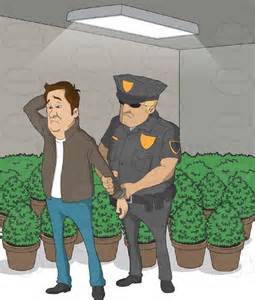
Suspects cannot be questioned (interrogated) until they are informed of their rights (right to remain silent, right to an attorney, etc.)
Brown v Board of Education
Miranda v Arizona
Tinker v Des Moines
Bush v Gore
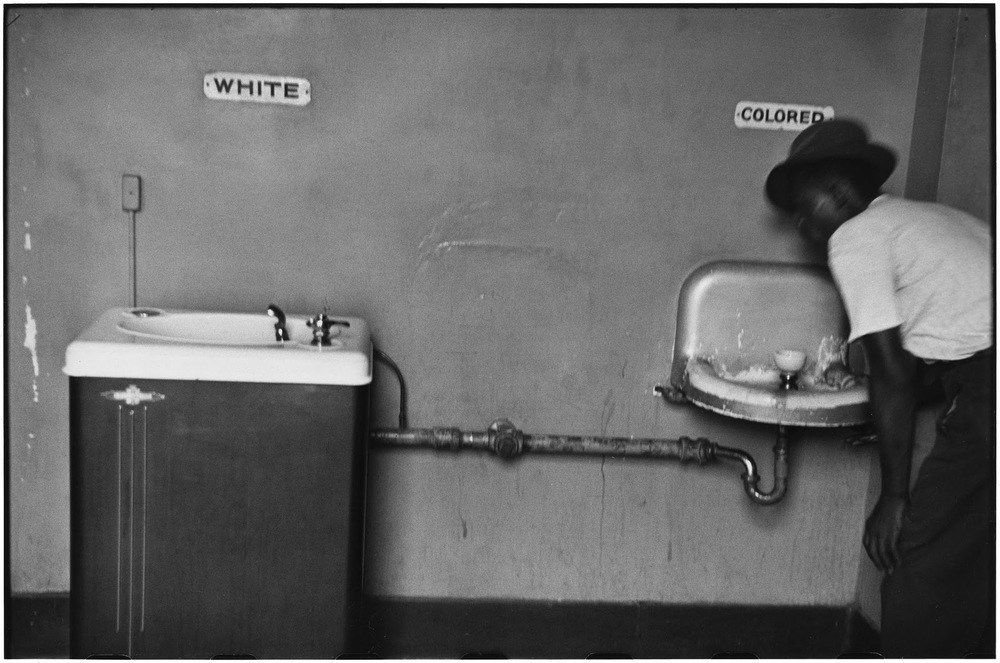
Established “Separate but Equal”, which provided separate public facilities for both whites and blacks as long as they were equal.
District of Columbia v Heller
In Re Gault
Brown v Board of Education
Plessy v Ferguson
What is an institution through which society makes and enforces its policies?
Congress
Government
State
Constitution
________________________ is the division of power between state and local government.
Checks and Balances
Separation of Powers
Federalism
Judicial Review
All of the following are qualifications to become a member of the House of Representatives except:
25 years of age
high school diploma
7 years a U.S. Citizen
resident of the district within the state
What is the term used for the drawing of district lines to the advantage of the political party that controls the state legislature?
filibustering
pigeonholing
cheating
gerrymandering
How are representatives determined for each state?
based on population
2 per state
based on square mileage of the state
based on tax revenue of the state
The Supreme Court most typically functions as ________.
an appeals court
a district court
a court of original jurisdiction
a trial court
Only a(n) __________ court can review the decisions of a lower court.
Appellate
District
Original
Supreme
Federal district court judges are appointed to __________ terms.
6 year
8 year
12 year
Life
Who, within the executive branch, serves as advisors to the President?
Speaker of the House
the Cabinet
the banks
The President's therapist.
Who is next in the Line of Succession after the Vice President?
Speaker of the House of Representatives
Secretary of Agriculture
Secretary of the Interior
President Pro Tempore of Senate
How are you feeling about the final exam?
I've got this!
It's not looking too good, Mrs. Brown.
What is an example of Cruel and Unusual Punishment?
50 years in Prison
Torturing the criminal
$100,000 bail
Community Service
A government that means “rule by the people.”
democracy
monarchy
oligarchy
theocracy
What is the main job of the Judicial Branch?
make laws
veto laws
enforce laws
Interpret laws
Who nominates judges at the national level?
Senate
Lawyers
Voters
President
Who must confirm (approve) judges at the national level?
Senate
President
Voters
Lawyers
In T.L.O. vs. New Jersey, the Supreme Court said ___________
Separate but equal is unconstitutional
Reasonable suspicion is not enough to search a student in school
Reasonable suspicion is enough to search a student in school
Students do not have a right to free speech in school

