
 Worksheets
Space Science
Total questions: 226
Worksheet time: 2hrs 16mins

An object that revolves around another object in space (natural or manmade)
mirror
microscope
oscilloscope
satellite
The sun rises in the ______ and sets in the ___________.

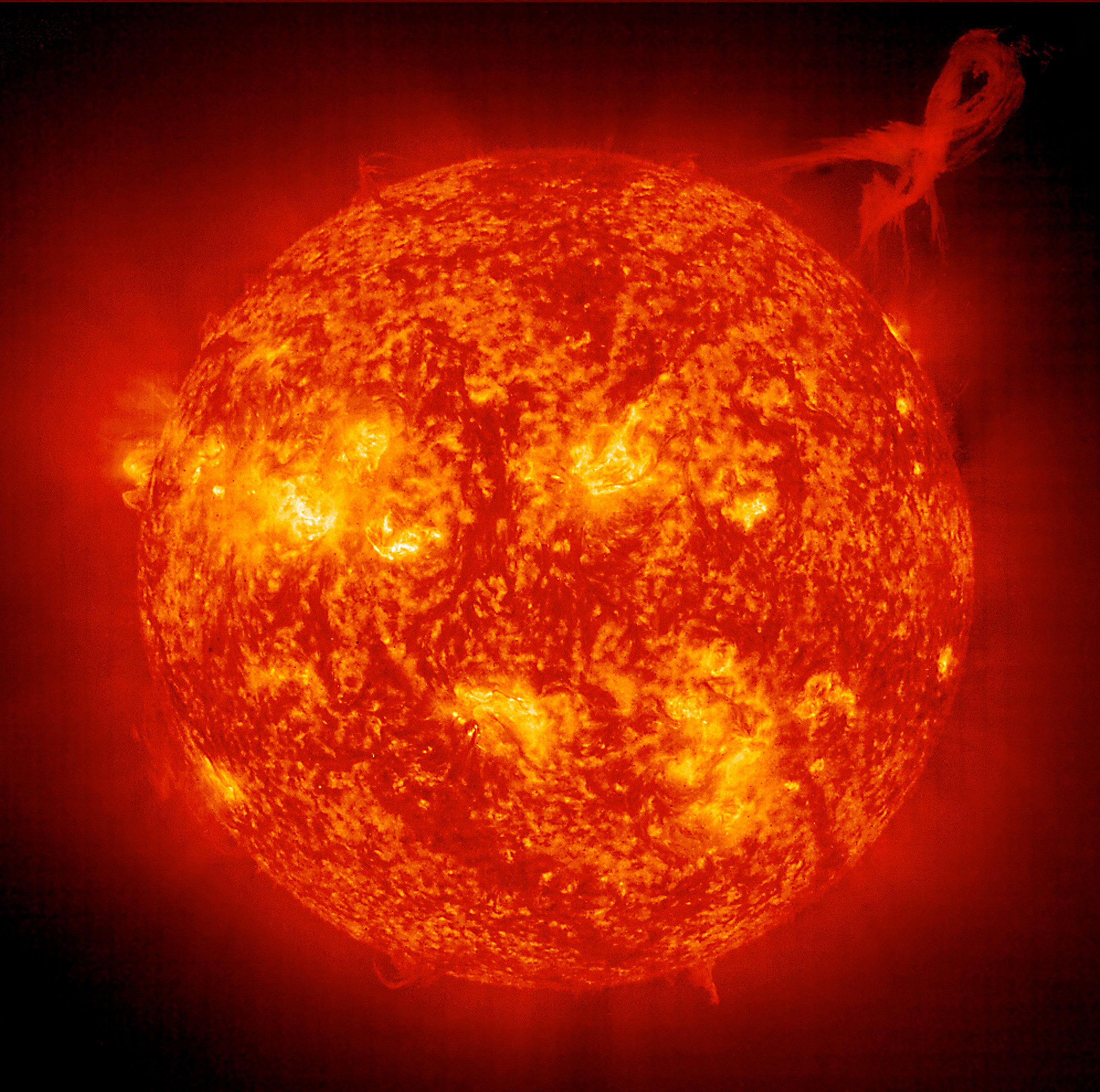
The Sun is made of...
Water and Ice
Hydrogen
Magnesium
Hydrogen and Helium
The Sun takes up 99.8% of the Solar System
True
False
Different parts of the Sun rotate at different rates because
The sun is solid and heavy
The sun is made of water and is unstable
The sun is made of gas
The Sun core....
The region of the sun where energy is produced.
The region of the sun where solar flare happen.
The sun spots are generated at core
The carry particles of ligh
Solar Prominence
Quick burst of gas into the solar system
Loop of gas that connects sun spots
Hot gas moving into Earth's atmosphere
Breaks power lines
Solar Flare
The crown of the sun
Cooler spots on the sun
A loop of energy
Brief eruption of intense high energy of gas
Rippled sheets of light in the sky because of electrical charged particles.
Denver
Stars
Galaxies
Auroras
The layer of the sun that makes light
Photosphere
Solar flare
Core
Chromosphere
Chromosphere
The layer of sun that creates the suns color
The layer that makes light
The layer that creates energy
Coronal Mass Ejections "CME's"
massive emissions of electrically charged material
Explosions that occur when multiple loops suddenly connect
hydrogen and nitrogen together
Sun spots
Joining of hydrogen atoms to form helium
Nuclear Fusion
Nuclear Fission
Sun spots moving together
How might sun spots affect Earth?
Sun spots are linked to solar winds, which blow particles onto Earth
They don't affect Earth
They can cause sand storms.
How does the Sun's Corona affect Earth
It can blind people during lunar eclipses
It doesn't affect Earth.
The Coronal Mass Ejections (CME's) throw particles into space which cause solar winds. Leads to Auroras
Leads to colder sun spots.
Sun Spots
Throw particles into Earth's Atmosphere
Create donuts
Help the space probes send information
The cooler darker parts of the Sun
Which of the following lists some of the layers of the Sun in order from the center of the Sun outward?
convection zone, radiation zone
radiation zone, convection zone
chromosphere, photosphere
corona, photosphere
Which of the following lists some of the layers of the Sun in order from the center of the Sun outward?
radiation zone, convection zone, chromosphere
radiation zone, convection zone, core
chromosphere, photosphere, corona
corona, photosphere, chromosphere
Which of the following lists some of the layers of the Sun in order from the center of the Sun outward?
radiation zone, convection zone, chromosphere, core
radiation zone, convection zone, core, photosphere
core, radiation zone, convection zone, photosphere
corona, photosphere, chromosphere, core
Which of the following lists some of the layers of the Sun in order from the center of the Sun outward?
radiation zone, convection zone, chromosphere, core, photosphere, corona
radiation zone, convection zone, core, photosphere, chromosphere, corona
core, radiation zone, convection zone, photosphere, corona, chromosphere
core, radiation zone, convection zone, photosphere, chromosphere, corona
What type of reaction occurs at the core of the Sun?
Nuclear fusion
Electrolysis
Acid Base Reaction
Combustion
Which layer of the Sun is the most visible to an observer on Earth?
chromosphere
core
photosphere
corona
The Sun is NOT a star.
True
False
Which of the following correctly describes the rotation of the Sun?
All parts of the Sun rotate together.
The Sun rotates faster at its equator than at its pole.
The Sun rotates slower at its equator than at its pole.
The Sun does not rotate at all.
Why does the Sun rotation vary with latitude?
Because it is composed of solids.
Because it is composed of liquids.
Because it is composed of gases.
What is the Sun?
It is a hot ball of solids, liquids, and gases.
It is a hot ball of solids.
It is a hot ball of liquids.
It is a hot ball of gases.


The Sun is a
Yellow Super Giant
Yellow Dwarf
White Dwarf
Yellow Giant
1. Explain the effects that distance and mass have on the gravitational pull of the planets by thinking about the following statements. Which is TRUE?
The closer two objects are, the greater the gravitational force.
The closer two objects are, the less the gravitational force.
None of the above
Explain the effects that distance and mass have on the gravitational pull of the planets by thinking about the following statements. Which is TRUE?
The farther two objects are, the greater the gravitational force.
The farther two objects are, the less the gravitational force.
None of the above
Explain the effects that distance and mass have on the gravitational pull of the planets by thinking about the following statements. Which is TRUE?
The more mass an object has the less gravitational force it has.
The less mass an object has the more gravitational force it has.
None of the above
Explain the effects that distance and mass have on the gravitational pull of the planets by thinking about the following statements. Which is TRUE?
The less mass an object has the more gravitational force it has.
The more mass an object has the more gravitational force it has.
None of the above
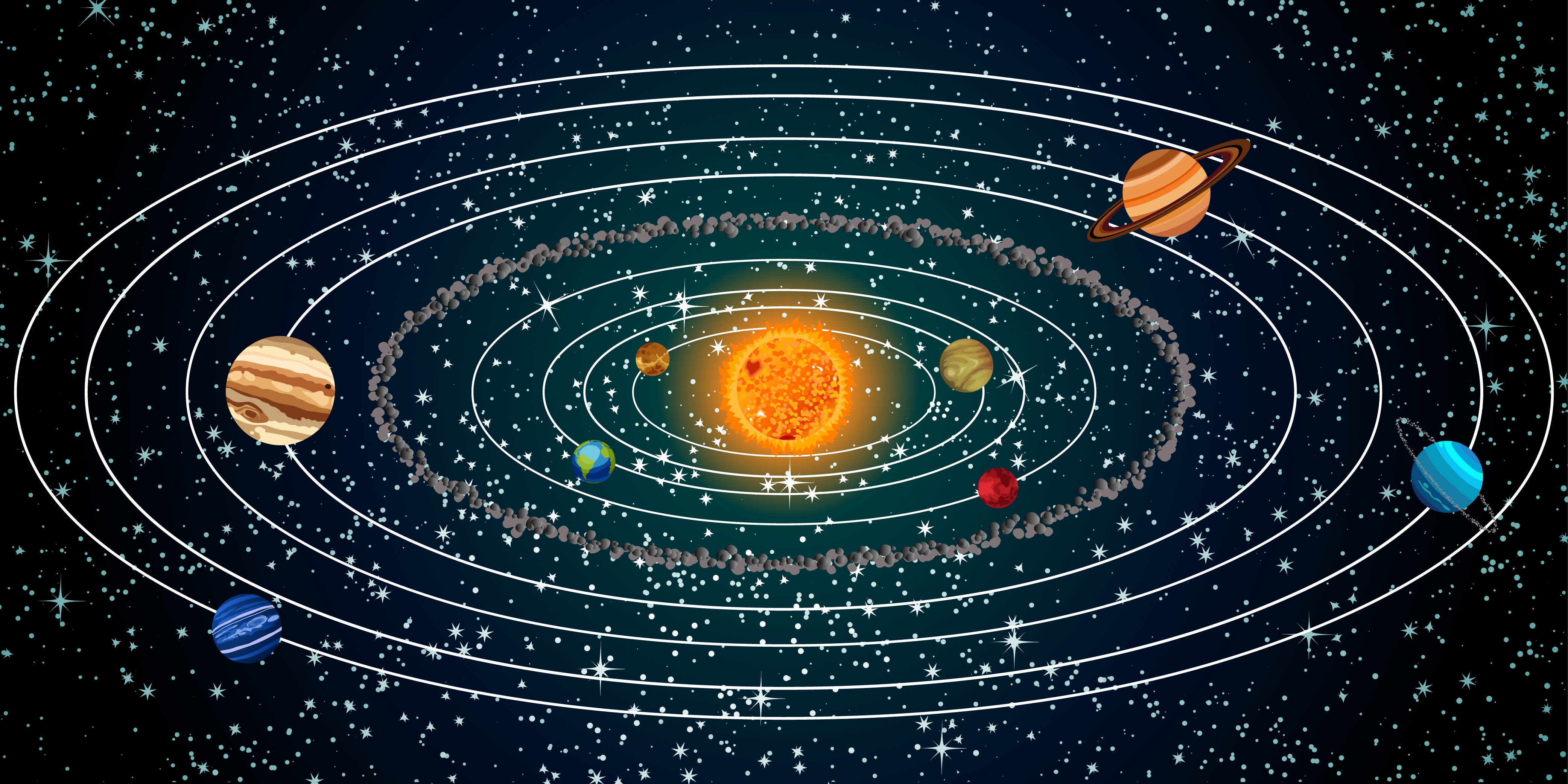
What is the center of our Solar System?
Venus
Sun
Mars
Milky Way
The _____________ planets are small and dense and have rocky surfaces, are referred to as
large comets
Gas giants
Asteroid belt
Inner planets
Earth rotates around its own __________ in 24 hours or 1 day.
orbit
rotation
gravity
axis
What are the terrestrial planets in order from the sun?
Jupiter, Saturn, Neptune, Uranus
Earth , Jupiter, and Pluto
Mercury, Venus, Earth, Mars
EArth, Mercury, Venus, Mars
The Earth moves in a path around the sun, creating an Earth year.
True
False
How long does it take the Earth to rotate once on its axis?
1 day
1 year
1 week
1 month
Which is Earth's natural satellite?
The Moon
The International Space Station
A meteor
The sun
Which are the characteristics of inner planets?
close together, rocky terrain, long orbits
far apart, rocky terrain, shorter orbits
far apart, made up of gas, shorter orbits
close together, rocky terrain, shorter orbits
__________________ is likely the first planet humans will colonize due to its proximity to Earth and favorable characteristics.
Venus
Saturn
Jupiter
Mars
__________ is the hottest planet in the solar system due to its thick atmosphere which traps greenhouse gases.
Saturn
Mercury
Jupiter
Venus
Inner planets have _______ orbits and outer planets have _________ orbits.
Longer, shorter
shorter, longer
square, circular
elliptical, oval
What four planets make up the inner planets?
Mercury, Venus, Earth, Mars
Jupiter, Saturn, Uranus, Neptune
Mercury, Venus, Earth, the moon
Mercury, Venus, Earth, Jupiter
What does the term terrestrial mean?
made of water
Mars-like
Gas planet
Earth-like
The outer planets are often called the
large comets
gas giants
asteroid belts
terrestrial planets
What determines the length of a day on Earth?
365 days
24 hours
1 month
2 hours
The path the planets take as they move around the sun in space.
rotation
orbit
axis
gravity
What are the four gas giants in order from the sun?
Jupiter, Neptune, Uranus, Saturn
Earth, Jupiter, Saturn, Neptune
Venus, Jupiter, Earth, Saturn
Jupiter, Saturn, Uranus, Neptune
__________ is the largest planet in the solar system and has a constant storm on its surface
Jupiter
Saturn
Uranus
Neptune
Outer planets have these characteristics:
Long orbits, made up of gas, have many moons
Long orbits, made up of gas, have few moons
Short orbits, made up of gas, have many moons
Long orbits, have a rocky crust, have many moons.
Outer planets orbit the Sun _________than inner planets.
smoother
the same
faster
slower
Most outer planets have _______________ gravity due to their size.
equal
less
more
similar
Planet with the "great dark spot"
Jupiter
Saturn
Uranus
Neptune
Fastest orbiting planet.
Mercury
Venus
Earth
Mars
Planet with a sideways axis.
Jupiter
Saturn
Uranus
Neptune
The "red" planet
Mercury
Venus
Earth
Mars
The largest planet.
Jupiter
Saturn
Uranus
Neptune
Planet with the most rings.
Jupiter
Saturn
Uranus
Neptune
Planet made of 2/3 water
Mercury
Venus
Earth
Mars
Planet with the great red spot
Jupiter
Saturn
Uranus
Neptune
Planet with a canyon larger than the Grand Canyon
Mercury
Venus
Earth
Mars
Mrs. Mullins' favorite planet
Mercury
Venus
Earth
Mars


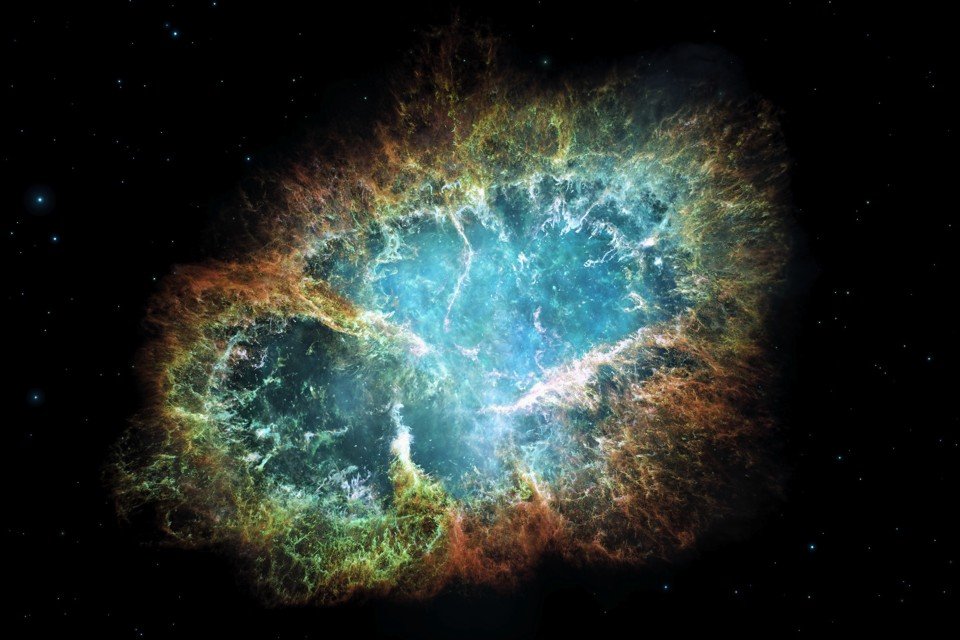


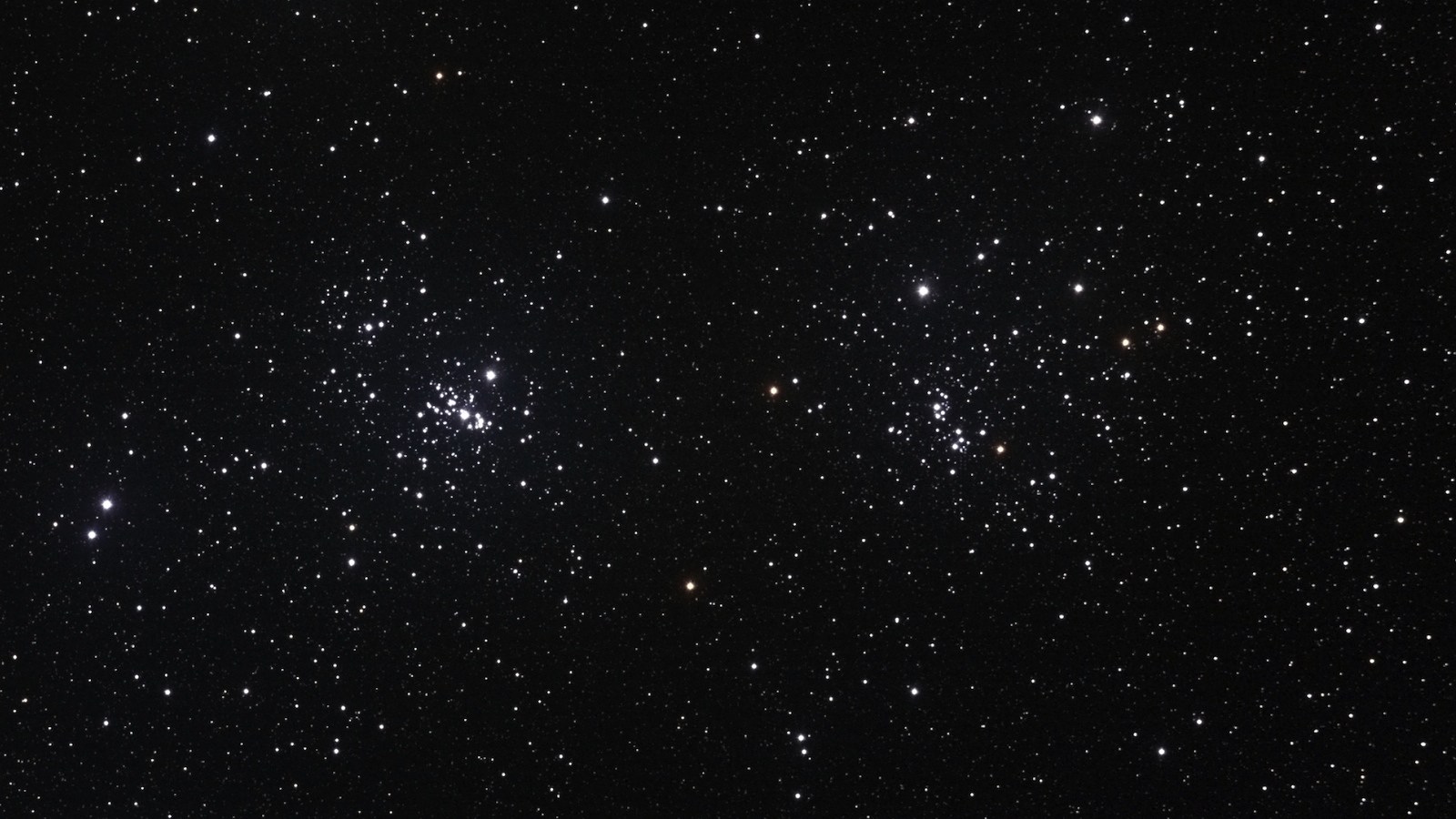
The professional who studies the stars is...
an astronaut.
an astrologer.
an astronomer.

What will be the next stage in our star the sun's life cycle?
supernova
white dwarf
blackhole
red giant
The joining of nuclei to form a "heavier" nucleus is referred to as ______________
chemical reaction
fission
fusion
radiation

This is a picture of
a chemical reaction
the electromagnetic spectrum
chemical energy
wind energy
Which stage of the star life cycle does fusion occur and the star is most stable?
Birth - protostar(s)
Main Sequence - star
Old Age - red giant
Death - white dwarf
Which stage of the star's life cycle does gravity pull gas and dust together causing pressure and temperature to increase giving way to the formation a protostars?
Birth - protostar(s)
Main Sequence - star
Old Age - red giant
Death - white dwarf
Which stage of a star's life cycle does fusion stop, the core is crushed by gravity and it glows bright white?
Birth - protostar(s)
Main Sequence - star
Old Age - red giant
Death - white dwarf


What is a moon?
an asteroid
a space object that orbits around a planet
a space object that orbits around a star
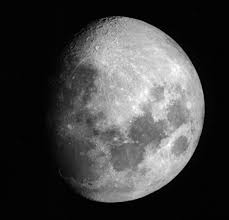
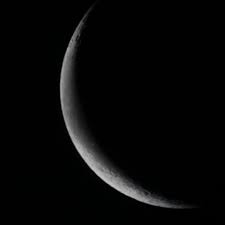
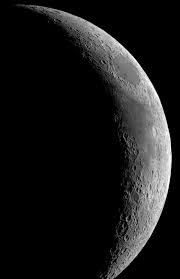
About how long does it take the Earth's moon to complete a full cycle of moon phases?
one year
one day
one month
12 hours
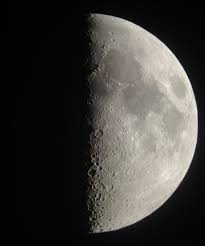
When the moon appears to be increasing in light, it is
waxing
waning
crescent
gibbous
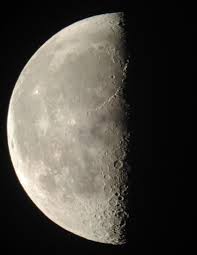
When the moon appears to be decreasing in light, it is
waxing
waning
crescent
gibbous
True or false: The moon has no air.
True
False
True or False: The moon has no gravity.
True
False
The moon's maria are formed from
oceans
meteor impacts
hardened lava
oxygen
The moon's craters are formed from
oceans
meteor impacts
hardened lava
oxygen
The moon gets its light from
the sun
the Earth
itself
aliens
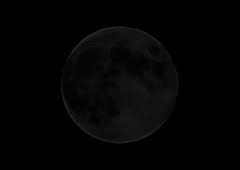
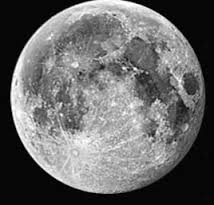
We see all of the lighted side of the moon during
new moon
crescent moon
gibbous moon
full moon
We see none of the lighted side of the moon during
new moon
crescent moon
gibbous moon
full moon
We see less than half of the lighted side of the moon during
new moon
crescent moon
gibbous moon
full moon
We see more than half of the lighted side of the moon during
new moon
crescent moon
gibbous moon
full moon
Which NASA missions brought humans to the moon?
Hubble
Mercury
Apollo
Voyager
Who was the first American to step onto the surface of the moon?
Buzz Aldrin
Neil Armstrong
Alan Shepard
Scott Kelly


A theory that says the universe began as a small point that expanded rapidly about 13.7 billion years ago.
Big Bang Theory
Singularity Theory
Galaxy Theory

A large grouping of stars, planets, gas, and dust in space held together by gravity.
Universe
Galaxy
Space

The change in wavelength that allows us to determine if an object if moving toward us or away from us
Whiteshift and Blueshift
Redshift and Greenshift
Redshift and Blueshift
All space and the matter space contains
Universe
Galaxy
Super Nova
Which description is considered most accurate regarding what actually happened during the Big Bang?
Two galaxies collided causing an immense explosion as stars crashed into one another
All of what would become the universe was concentrated in a single small point, or singularity, which rapidly expanded into what is now stars, planets, galaxies, matter, and energy.
All matter emerged from a massive black hole at the center of the universe.
Parts of the sun were ripped off by massive internal explosions and were thrown into space where they cooled to become other things, like plants, comets, and other galaxies.
Observations of space indicate that most matter in the universe is ___.
hydrogen, helium, and dark matter
gold and plutonium
oxygen and water vapor
carbon

Galaxies that are REDSHIFTED are:
actually BLUE
really NEAR earth
invisible or not visible
moving AWAY from us.

If something that makes light is moving AWAY from you, it spreads the wavelengths of light out. This application of the Doppler effect is known as ___.
blue shift
green shift
red shift
black shift

Most distant galaxies show a RED SHIFT. This is considered EVIDENCE that the universe is ___.
getting cooler
expanding
condensing into a small point
swirling around

A galaxy showing BLUE SHIFT is ___.
very cold
moving TOWARDS OR TO us
dying
about to supernova

The CMB (Cosmic Background Radiation) is:
the remaining energy from the big bang.
incredibly cool.
a cloud of light
only located in certain places in the universe.
What are two important pieces of evidence we have for the Big Bang?
Ptolemy’s work on epicycles and Hubble’s law (the expansion of the Universe)
Hubble’s law (the expansion of the Universe) and cosmic background radiation
The fact that we have multiple Universes to compare and study and cosmic background radiation (CBR)
The abundance of hydrogen, helium, and lithium found in the Universe and Ptolemy’s work on epicycles


The Planet We Live on is
Sun
Earth
Mars
Saturn

The Sun is a ...
Galaxy
Planet
Star
Universe

What Galaxy is this ?
Solar Galaxy
Andromeda Galaxy
Milky Way Galaxy
Pinwheel Galaxy

A group of stars that form a pattern in the sky
Galaxy
Constellation
Kuipers belt

What is the name of the main theory about the origins of the universe?
(a)

What are they using?
(a)

How many planets are in the Solar System?
(a)
The theory that the universe began as a point and has been expanding since is called the _________________.
Point theory
Big l
Big Bang Theory
Big Boom Theory
What shape is the Milky Way?
Elliptical
Irregular
Spiral
Lenticular
A type of galaxy with no obvious structure is a
Elliptical
Irregular
Spiral
Lenticular
Pole and the South Pole?

