wayground logo

Free Printable Worksheets

Font size

S
M
L
XL
Worksheets

Chemistry II 1 semester Review

Total questions: 204

Worksheet time: 4hrs 17mins

Name
Class
Date
1.

Fill in the blanks with coefficient: PCl5+ 4 H2O→ (a)   HCl+ H3PO4

2.

How many H's are found in 2(NH₄)₃PO₄

a)

12

b)

24

c)

16

d)

8

3.

Find the molar mass of magnesium hydroxide.

(a)  

4.

Calculate the percentage by mass of carbon in sodium bicarbonate. Give the answer to 1 decimal place.


(a)  

5.

How many grams are in 7.5 X 10²³ molecules of sulfuric acid

a)

98.09 g H2SO4

b)

120g H2SO4

c)

45g H2SO4

d)

122g H2SO4

6.

A compound is made up of 58.64% barium, 13.85% sulfur, and 27.51% oxygen by mass. What is the empirical formula and the name of this compound?

(a)  

7.

For the unbalanced Reaction: Al + Cu2O → Al2O3 + Cu; What is the Ratio of moles of Al to moles Cu?

a)

2 mol Al / 3 mol Cu

b)

1 mol Al / 3 mol Cu

c)

1 mol Al / 2 mol Cu

d)

2 mol Al2O3 / 3 mol Cu

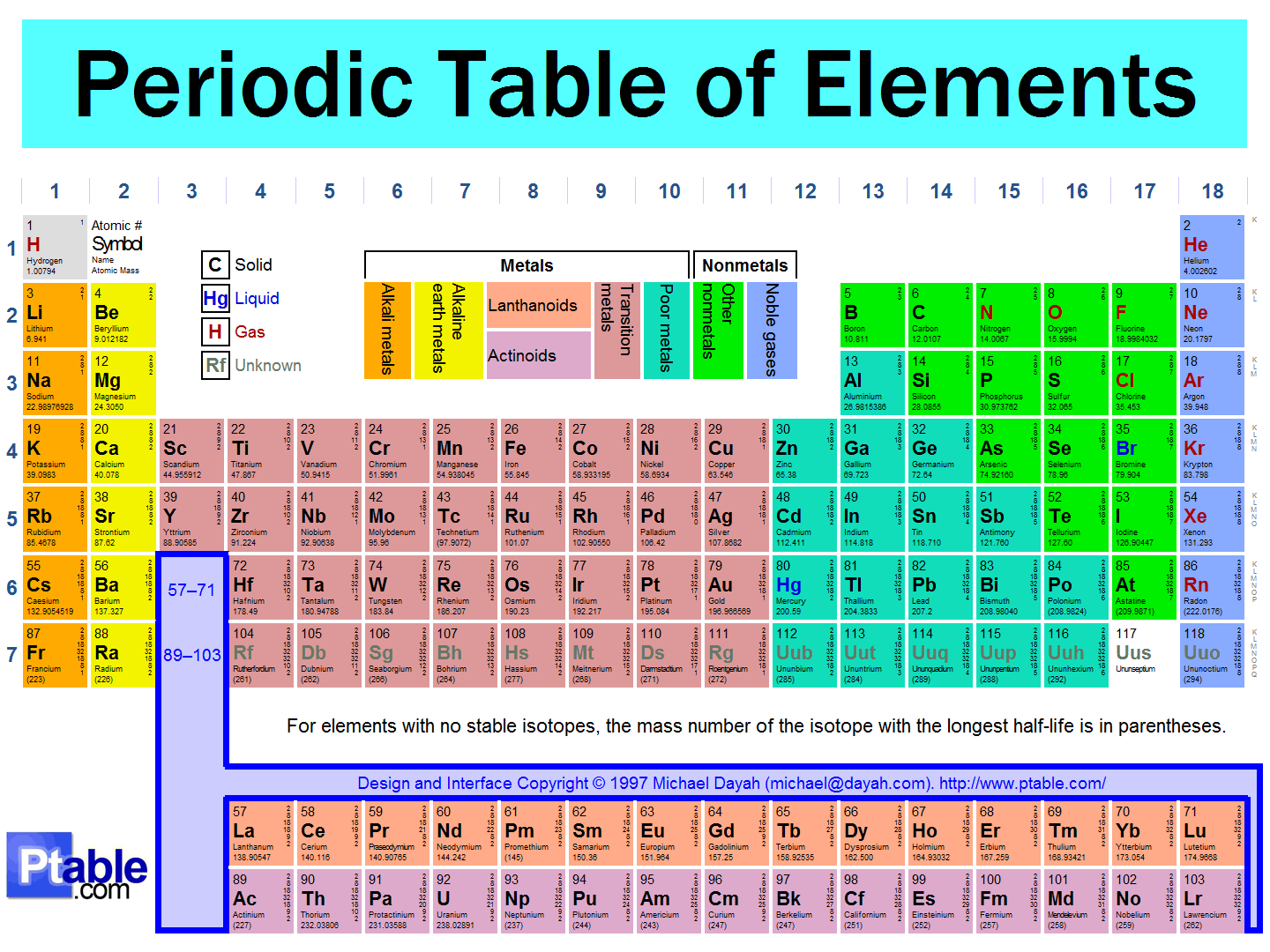
8.

If 5.2 grams of Mn(SO4)2 are actually formed in the lab, what is the percent yield?

The calculated number of grams for Mn(SO4)2 is 6.30 grams

a)

37%

b)

48%

c)

53%

d)

83%

9.
Classify
FeS + HCl → H
2S + FeCl2
a)
synthesis
b)
combustion
c)
single replacement
d)
double replacement
10.

When reacting Na with Cl2, we calculated that the theoretical yield should be 13 grams. Our actual yield was 12.5 grams. What is the percent yield?

a)

90.4%

b)

104%

c)

96.15%

d)

1.04%

11.
Which pair has the same empirical formula?
a)
NaCrO4 and Na2Cr2O7
b)
C2H4O2 and C6H12O6
c)
C3H6Oand C2H6O2
d)
CH4 and C2H6
12.

What is the empirical formula and name of a compound that contains 29% sodium, 41% sulfur, and 30% oxygen by mass. Show your work labeled as #1 on a separate piece of paper/

(a)  

13.

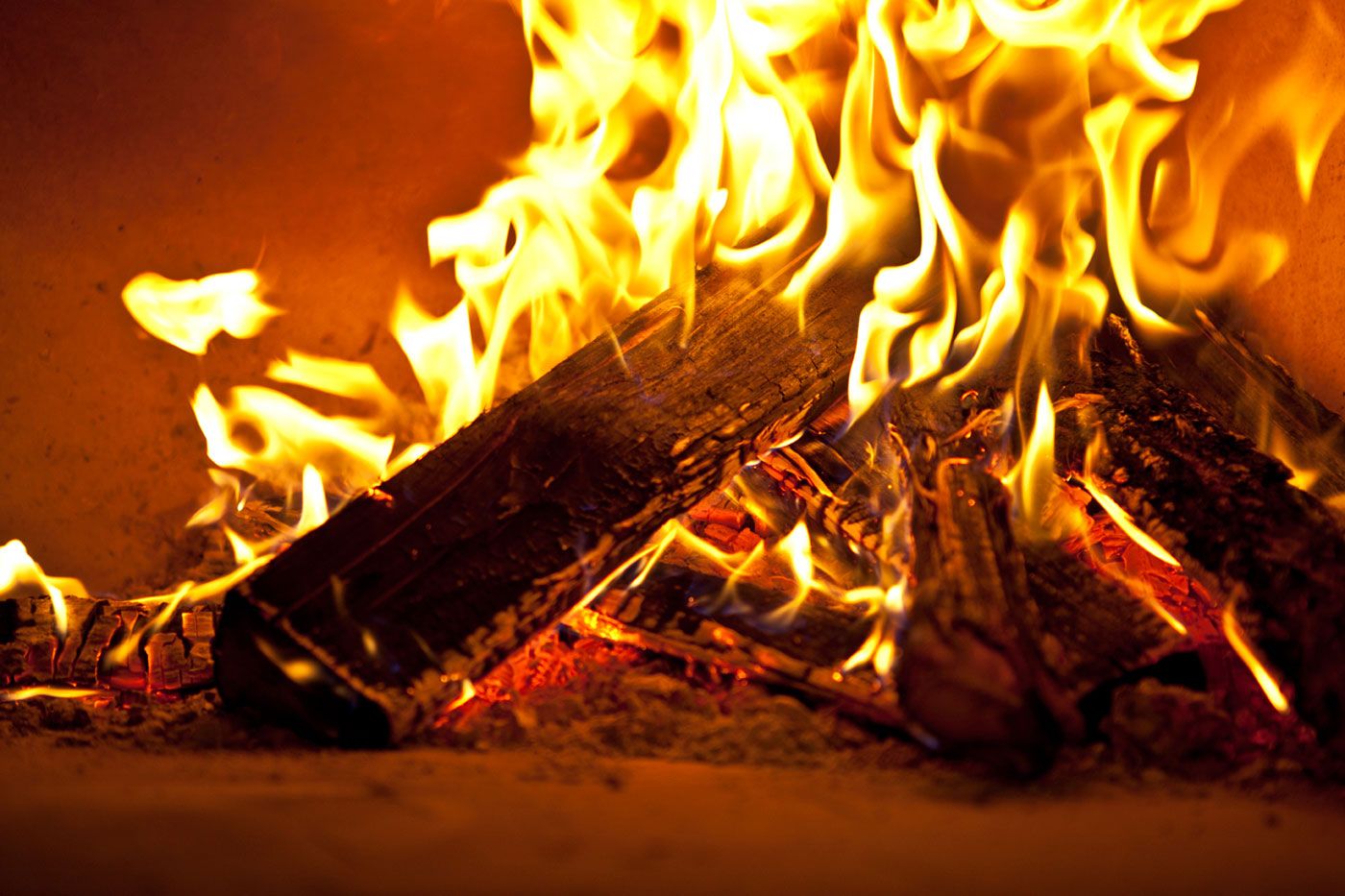
A strip of zinc metal weighing 2.00 g is placed in an aqueous solution containing 2.5 g of silver nitrate causing a reaction to occur. How many grams of silver are obtained? How much of the excess is left over(unused)? Show your work labeled as #3 on a separate piece of paper.

(a)  

14.

What is the molecular formula if the empirical formula is CH2O and the molecular molar mass is 180.18? Show your work labeled as #5 on a separate piece of paper.

(a)  

15.
Which is the correct net ionic equation for the reaction of AgNO3 and CaCl2?
a)
Ca2+(aq) +  2Cl- (aq) → CaCl(s)
b)
Ag+(aq)  +  Cl- (aq) → AgCl(s)
c)
Ag +  Cl  →  AgCl
d)
Ag+  +  Ca2+   →Ag2Ca (s)
16.
What are the spectator ions in the reaction of sodium chloride with silver nitrate?
a)
silver and nitrate
b)
sodium and chloride
c)
sodium and nitrate
d)
silver and chloride
17.
What is the oxidation number of N in NO2-1?
a)
-3
b)
+4
c)
-2
d)
+3
18.
In this equation,
CuCl2 + NaOH  → Cu(OH)2 + NaCl
Which product is insoluble?
a)
copper(II) hydroxide
b)
sodium chloride
c)
sodium hydroxide
d)
copper(II) chloride
19.

Reduction is the ___________ of electrons.

a)

loss

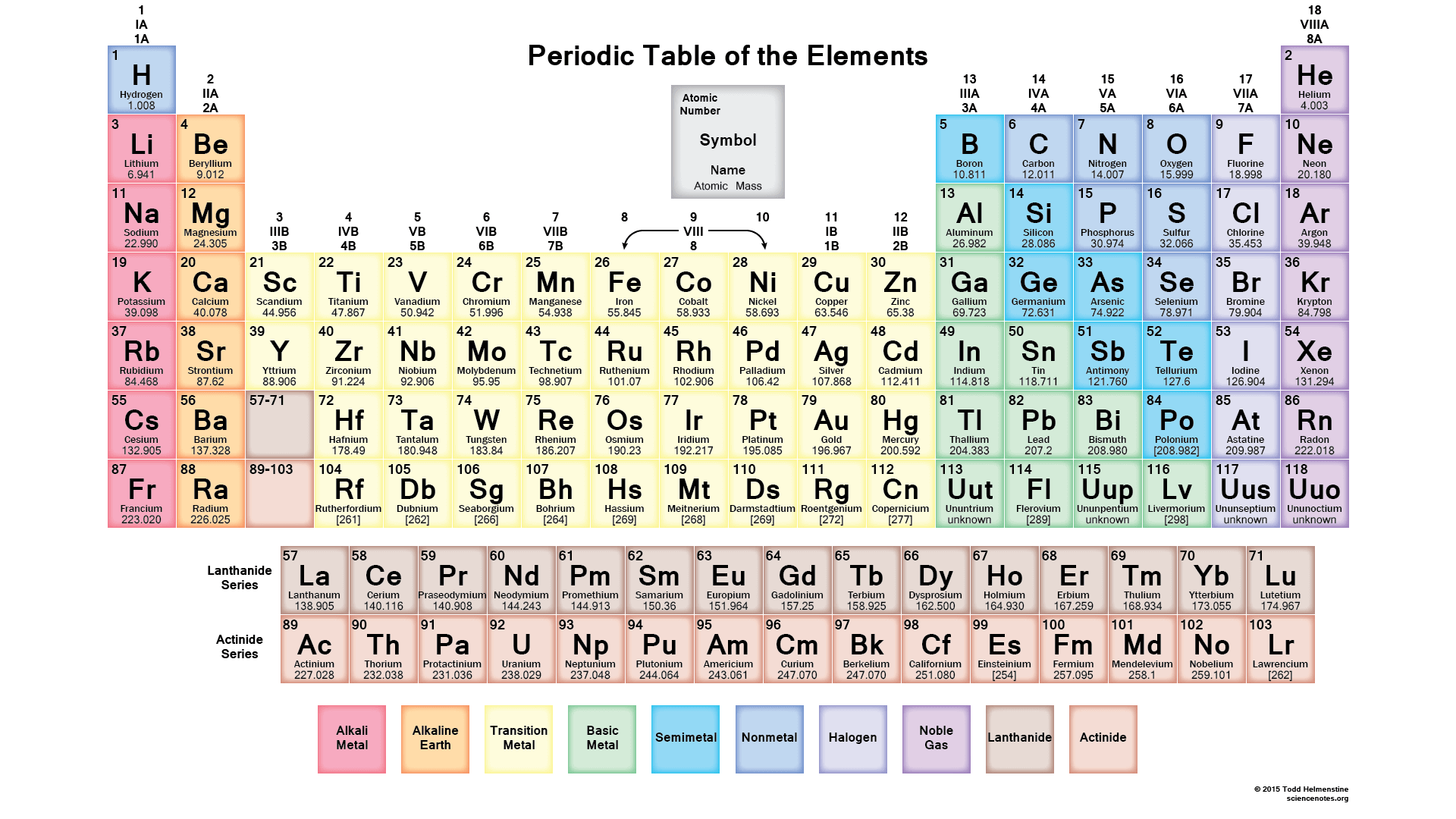
b)

gain

c)

sharing

d)

transfer

20.

Oxidation is the _________ of electrons.

a)

loss

b)

gain

c)

sharing

d)

transfer

21.
NH4NO3
a)
soluble
b)
insoluble
22.
AgCl
a)
soluble
b)
insoluble
23.
BaSO4
a)
soluble
b)
insoluble
24.

The word "INSOLUBLE" meaning ________

a)

Something which dissolve in water/liquid

b)

Something which cannot dissolve in water/liquid

c)

none

d)

both

25.

What is the precipitate formed between CaCl2 and NaOH?

a)

CaCl2

b)

NaOH

c)

Ca(OH)2

d)

NaCl

e)

no precipitate is formed

26.

Which of the following elements, _______ is the MOST easily oxdized?

a)

oxygen

b)

fluorine

c)

nitrogen

d)

aluminum

27.

SHOW YOUR WORK ON A SEPARATE PIECE OF PAPER-Label #5-

Write a net ionic equation for

Hydrogen sulfide gas is bubbled through a solution of lead (II) nitrate

(a)  

28.

SHOW YOUR WORK ON A SEPARATE PIECE OF PAPER-Label #8-

Identify the oxidizer and the reducer

PbS + H2O2 --> PbSO4 + H2O

(a)  

29.
A negatively-charged ion.
a)
atom
b)
cation
c)
anion
d)
electron
30.
What charge does an atom have if it LOSES an electron? 
a)
Positive (+)
b)
Negative (-)
31.
A negative ion is a 
a)
cation
b)
anion
32.
A(n) _________ is an ion with a positive (+) charge.
a)
anion
b)
cation
c)
ion
d)
solute
33.
A(n) _________ is an ion with a Negative (-) charge.
a)
anion
b)
cation
c)
ion
d)
solute
34.
A charged particle that has gained at least one electron is called a(n) _____.
a)
Anion
b)
Cation
c)
Anonion
d)
chemistry cat
35.
True or False: An ion is an atom with a charge. 
a)
True
b)
False
36.
An ionic bond is a bond between...
a)
a metal and nonmetal 
b)
two metals
c)
two nonmetals 
d)
none
37.
A covalent bond is a bond between...
a)
a metal and nonmetal
b)
two metals
c)
two nonmetals
d)
none
38.
a group of atoms bonded together is a...
a)
molecule
b)
monatomic ion
c)
polyatomic ion 
d)
chemical formula
39.
This is an example of:
a)
chemical formula
b)
anion
c)
polyatomic ion 
d)
oxidation number
40.
How do are charges (or oxidation numbers) determined for main group elements?
a)
It is based on the number of valence electrons, which is can be found with the group number.
b)
It is based on the number of  electrons, which is can be found with the atomic number.
c)
It is based on the number of  protons, which is can be found with the atomic number.
d)
It is based on the number of  neutrons, which is can be found with the atomic number and mass number.
41.
What element's don't have oxidation numbers?
a)
alkali metals
b)
noble gases
c)
halogens
d)
alkaline earth metals
42.
an ion consisting of a single atom is a... 
a)
molecule
b)
monatomic ion
c)
polyatomic ion
d)
Law of definite proporti
43.
Which of the following is not a compound?
a)
HCl
b)
Cl
c)
NaCl
d)
CO2
44.
Which of the following represents an element?
a)
H2O
b)
H2
c)
NaCl
d)
CaCO3
45.
Which of the following could be a symbol on he periodic table of elements?
a)
JZ
b)
jz
c)
Jz
d)
JZa
46.
What cannot be broken down into other substances?
a)
Compound
b)
Mixture
c)
Solids
d)
Element
47.
What is made up two or more elements that are chemically combined?
a)
Element
b)
Mixture
c)
Compound
d)
Solids
48.
Which of the following an element?
a)
Carbonic Acid
b)
Copper
c)
Iron and Copper
d)
Water
49.
all matter is made of what 
a)
energy 
b)
atoms 
c)
electrons 
d)
compounds 
50.
The positive particles of an atom are 
a)
electrons 
b)
positrons 
c)
neutrons 
d)
protons 
51.
the central region of an atom where its neutrons and protons are is its 
a)
nucleus 
b)
electron cloud
c)
core 
d)
center 
52.
an atom with atomic number 6 would have how many protons 
a)
6
b)
12
c)
3
d)
cannot be determined 
53.
Particles in an atom that are neutral and have no charge are 
a)
negatrons 
b)
electrons 
c)
neutrons 
d)
protons 
54.
A particle that moves around the nucleus is a(n)...
a)
Proton
b)
Neutron
c)
Electron
d)
Quark
55.

What does the 1.00794 stand for?

a)

mass number

b)

atomic number

c)

average atomic mass

d)

number of protons

56.

If an atom has 12 protons, which of the following must it also have to be considered a neutral atom?

a)

12 neutrons

b)

12 electrons

c)

12 protons

d)

24 protons and neutrons

57.
If an atom has 10 protons, 10 neutrons, and 10 electrons, what is the mass of the atom?
a)
10
b)
20
c)
30
58.

What two particles determine the mass number?

a)

Protons and electrons

b)

Electrons and neutrons

c)

Protons and neutrons

59.

If the mass number of this chlorine atom is 36, how many neutrons does it have?

a)

17

b)

18

c)

19

d)

can't be determined

60.

What is the atomic number of this atom shown in the Bohr model?

a)

11

b)

12

c)

13

d)

can't be determined

61.

Is this atom an ion? If so what would it's charge be?

a)

Yes, 1-

b)

No it is neutral

c)

Yes, 1+

d)

Can't be determined

62.

Most of the mass of an atom is found in the ______.

a)

nucleus

b)

proton

c)

electron cloud

d)

isotope

63.
Two atoms of the same element but with different mass numbers are called________
a)
electrons
b)
isotopes
c)
variables
d)
electron cloud
64.

The vertical (up and down) columns in the Periodic Table are called

a)

groups

b)

towers

c)

periods

d)

atomic numbers

65.
The Modern Periodic Table of Elements is arranged by
a)
atomic mass
b)
atomic number
c)
valence electrons
d)
number of isotopes
66.
Sodium (Na) is found in period 
a)
3
b)
2
c)
4
d)
1
67.
Sodium (Na) is found in group 
a)
1
b)
2
c)
3
d)
4
68.
The atomic number tells you what?  READ THE ANSWERS CAREFULLY
a)
only the number of electrons
b)
 only the number of protons
c)
only the number of neutrons
d)
the number of both electrons and protons in an atom.
69.

The horizontal (side to side) rows in the Periodic Table are called

a)

groups

b)

families

c)

periods

d)

atomic numbers

70.
What charge does an atom have if it LOSES an electron? 
a)
Positive (+)
b)
Negative (-)
71.
A negative ion is a 
a)
cation
b)
anion
72.
A covalent bond is a bond between...
a)
a metal and nonmetal
b)
two metals
c)
two nonmetals
d)
none
73.
This is an example of:
a)
chemical formula
b)
anion
c)
polyatomic ion 
d)
oxidation number
74.
Which of the following is not a compound?
a)
HCl
b)
Cl
c)
NaCl
d)
CO2
75.
Which of the following an element?
a)
Carbonic Acid
b)
Copper
c)
Iron and Copper
d)
Water
76.
all matter is made of what 
a)
energy 
b)
atoms 
c)
electrons 
d)
compounds 
77.
Particles in an atom that are neutral and have no charge are 
a)
negatrons 
b)
electrons 
c)
neutrons 
d)
protons 
78.

In a _______ the molecules are close together.

a)

solid

b)

liquid

c)

gas

79.

Anything that takes up space and has mass is

a)

Matter

b)

Volume

c)

Liquid

d)

Atom

80.

A ________ has no shape and no size.

a)

gas

b)

liquid

c)

solid

81.
a)

gas

b)

liquid

c)

solid

82.
a)

gas

b)

liquid

c)

solid

83.

Are these particles in a solid, liquid, or gas?

a)

Solid

b)

Liquid

c)

Gas

84.

Are these particles in a solid, liquid, or gas?

a)

Solid

b)

Liquid

c)

Gas

85.

Are these particles in a solid, liquid, or gas?

a)

Solid

b)

Liquid

c)

Gas

86.

Coffee + Milk + Water

a)

Homogeneous

b)

Heterogeneous

87.

Color Pencils

a)

Homogeneous

b)

Heterogeneous

88.

Tea leaves + Water

a)

Homogeneous

b)

Heterogeneous

89.

Menudo (meat + veggies)

a)

Homogeneous

b)

Heterogeneous

90.

a)

HETEROGENEOUS

b)

HOMOGENEOUS

91.

Homogeneous Mixture is a ________________ type of mixture.

a)

uniform

b)

non-uniform

92.

Which of the following mixtures is heterogeneous?

a)

salt and sugar dissolved in water

b)

powdered juice in a glass of water

c)

3 in 1 coffee dissolved in hot water

d)

vegetable salad with dressing

93.

Homogeneous mixtures it is not possible to identify its components.

a)

true

b)

false

94.

Study the diagram. Which of the following is represented in the diagram?

a)

monoatomic element

b)

elemental molecules

c)

compound molecules

95.

Study the diagram. Which of the following is represented in the diagram?

a)

monoatomic element

b)

elemental molecules

c)

compound molecules

96.

All of the following are compounds EXCEPT:

a)

hydrogen

H

b)

sodium chloride

NaCl

c)

water

H2O

d)

carbon dioxide

CO2

97.
What is the smallest unit of matter?
a)
atom
b)
element
c)
molecule
d)
compound
98.

A substance made from 2 or more different kinds of atoms chemically combined is a(an)...

a)

element

b)

molecule

c)

compound

d)

mixture

99.
A substance with the same kind of atom throughout is a(an)...
a)
element
b)
molecule
c)
compound
d)
mixture
100.
Describe this sample
a)
Pure compound
b)
Mixture of elements
c)
Mixture of compounds
d)
Mixture of elements and compounds
101.
Pure Compounds are made of identical...
a)
atoms
b)
elements 
c)
molecules
d)
mixtures
102.
Is burning wood a chemical or physical change?
a)
chemical
b)
physical
103.
Freezing juice is an example of a(n) ________
a)
physical change
b)
chemical change
c)
chemical reaction
d)
heredity
104.
Exploding fireworks is an example of a(n) __________ .
a)
physical change 
b)
chemical change 
c)
static electricity
d)
heredity
105.
The diagram below shows changes happening to water in a specially shaped bottle.
What changes did the water undergo?
a)
melting and then freezing
b)
freezing and then evaporation
c)
condensation and then melting
d)
evaporation and then condensation
106.
A change that alters the form or appearance of a material but does not make the material into another substance is a ______________ change.
a)
physical
b)
chemical
107.
Which of the following changes is NOT a physical change?
a)
getting a haircut
b)
sharpening a pencil
c)
spoiled milk
d)
cracking an egg into a bowl
108.
An ice cube melting from the heat of your hand is an example of which type of change?
a)
Physical Change
b)
Chemical Change
109.
a)
physical change
b)
chemical change
110.

A physical change...

a)

changes the physical properties of an object, but does not create a new substance.

b)

creates a new substance and cannot be undone.

111.

Which of the following is NOT an example of a physical change?

a)

crumpling paper

b)

sharpening a pencil

c)

clothes shrinking

d)

sour milk

112.

The Metric System is based on powers of:

a)

5's

b)

10's

c)

20's

d)

50's

113.

Which units are the BASE units in the metric system? Check all that apply.

a)

Meters

b)

Liters

c)

Grams

d)

Inches

e)

Miles

114.

What scientific tool is used to measure volume of liquids, such as water and chemicals?

a)

Meter Stick

b)

Ruler

c)

Graduated Cylinder

d)

Triple Beam Balance

115.

What scientific tool is best to measure the length of a classroom?

a)

Meter Stick

b)

Ruler

c)

Graduated Cylinder

d)

Triple Beam Balance

116.

Which unit below is the largest?

a)

Kilogram

b)

Gram

c)

Centigrams

d)

Milligrams

117.

Which unit of the metric system is used for measuring VOLUME?

a)

Meters

b)

Liters

c)

Grams

d)

Ounces

118.

Which of the following unit prefixes is the SMALLEST?

a)

Kilo

b)

Hecto

c)

Centi

d)

Milli

119.

Convert 6 cm to mm. How many mm equals 6 cm?

a)

6,000 mm

b)

600 mm

c)

60 mm

d)

6 mm

120.

How many milligrams are in 100 grams? Convert 100 grams (g) to milligrams (mg).

a)

10 mg

b)

1,000 mg

c)

100,000 mg

d)

1,000,000 mg

121.

What are the 3 base units of the metric system?

a)

meter, liter, gram

b)

mile, gallon, pound

c)

kilogram, kilometer, kiloliter

d)

meter, pound, ton

122.

abbreviation

centimeter

a)

c

b)

cm

c)

cg

d)

cmm

123.

abbreviation

gram

a)

gr

b)

g

c)

ga

d)

gm

124.

1 m = __________ cm

a)

100

b)

1,000

c)

20

d)

50

125.
The prefix kilo represents the value ....
a)
10
b)
100
c)
1,000
d)
0.001
126.
The prefix centi represents the value ....
a)
10
b)
0.1
c)
0.01
d)
100
127.

There are ___ meters in 25 kilometers (km)

a)

250 m

b)

2,500 m

c)

25,000 m

d)

0.025 m

128.

There are ___ meters in 25 kilometers (km)

a)

250 m

b)

2500 m

c)

25,000 m

d)

0.025 m

129.

How many μm in a mm?

a)

1,000

b)

100

c)

10

d)

0.1

130.
Describe the accuracy and precision of the image
a)
Accurate and Precise
b)
Accurate and not precise
c)
Not Accurate and Precise
d)
not accurate and not precise
131.
How many sig figs are in 0.0045670?
a)
8
b)
4
c)
5
d)
7
132.
Describe the accuracy and precision of the image
a)
Accurate and Precise
b)
Accurate and not precise
c)
Not Accurate and Precise
d)
not accurate and not precise
133.
How many significant figures does the following number have: 1740200
a)
2
b)
1
c)
3
d)
5
134.
How many sig figs are in 730?
a)
1
b)
2
c)
3
d)
4
135.

Which is the more precise measurement?

a)

4 mL

b)

4.3 mL

c)

4.30 mL

d)

4.300 mL

136.
How many sig figs are in 927.0020?
a)
4
b)
3
c)
6
d)
7
137.

The students measured length during a science experiement, they got 12.00 cm. But the actual measurement was 14.25 cm. What was the percent error?

a)

15.79%

b)

18.75%

c)

2.25%

d)

18%

138.
Describe the accuracy and precision of the image
a)
Accurate and Precise
b)
Accurate and not precise
c)
Not Accurate and Precise
d)
not accurate and not precise
139.
How many significant figures does the following number have: 100.3
a)
4
b)
3
c)
5
d)
2
140.
"Everything is composed of atoms" was stated by:
a)
Democritis
b)
Dalton
c)
Moseley
d)
Einstein
141.
John Dalton stated:
a)
elements are made of atoms
b)
atoms of a given element are identical
c)
atoms cannot be subdivided, created, nor destroyed
d)
all of the above
142.
The scientist responsible for "discovering" the nucleus is:
a)
Bohr
b)
Rutherford
c)
Schroedinger
d)
Einstein
143.
The nucleus of an atom can be described as:
a)
spacious and negatively charged
b)
dense and positively charged
c)
spacious and positively charged
d)
dense and negatively charged
144.
Electrons are not factored into atomic mass because:
a)
They are so small their mass is negligible
b)
They're not in the nucleus
c)
They're too big
d)
They move so quickly their mass is zero
145.
How did Rutherford discover the proton?
a)
Cathode tube ray experiment
b)
Gold Foil Experiment
c)
Planetary Model
d)
Plum Pudding Model
146.
What does the nucleus of an atom contain?
a)
Electrons and neutrons
b)
Protons and neutrons
c)
Neutrinos and positrons
d)
DNA and RN
147.
True or False: The majority of an atom is made up of empty space
a)
True
b)
False
148.
The word "atom" comes from a Greek word that means
a)
Invisible
b)
Indivisible
c)
Undivided
149.
Electrons can be found in
a)
The protons
b)
The nucleus
c)
Electron Clouds
150.
24.1% of all the isotopes of a an element have a mass of 75.23 amu, 48.7% have a mass of 74.61 amu, and 27.2% have a mass of 75.20 amu.
What is the average mass of this element?
a)
74.92 amu
b)
24.97 amu
c)
75.01 amu
d)
74.51 amu
151.
24.1% of all the isotopes of a an element have a mass of 75.23 amu, 48.7% have a mass of 74.61 amu, and 27.2% have a mass of 75.20 amu.
How many protons does this element have?
a)
32
b)
33
c)
34
d)
no way to know
152.
An isotope has three forms.  30% have a mass of 4 amu, 20% have a mass of 5 amu and 50% have a mass of 3 amu.  Average atomic mass will be closest to
a)
2 amu
b)
3 amu
c)
4 amu
d)
5 amu
153.

What is the name of group number 1?

a)

halogens

b)

noble gases

c)

alkali metals

d)

alkaline earth metals

154.

What is the name of group number 2?

a)

transition metals

b)

halogens

c)

metaloids

d)

alkaline earth metals

155.

where are the metaloids found

a)

far left, vertical

b)

stair step/diagonal

c)

far right horizontal

d)

at the bottom

156.

What group number are the halogens found?

a)

18 (8A)

b)

1

c)

2

d)

17 (7A)

157.

Periodic law states that the elements are arranged according to their atomic ________ so that elements with similar chemical properties are in the same ________ and properties repeat periodically.

a)

numbers, rows

b)

masses, rows

c)

masses, column

d)

numbers, column

158.

A grouping of elements based on similar chemical properties, arranged by columns in the periodic table; also known as a group

a)

family

b)

period

c)

row

d)

isotope

159.

A row on the Periodic Table of Elements

a)

family

b)

period

c)

row

d)

isotope

160.
___________ is the only metal that is a liquid at room temperature.
a)
Platinum
b)
Water
c)
Tin
d)
Mercury
161.
__________ would have some characteristics of metals and some characteristics of nonmetals.
a)
Gold
b)
Sodium
c)
Arsenic
d)
Bismuth
162.

Metals (select all that apply)

a)

are found on the right side of the periodic table.

b)

are found on the left side of the periodic table.

c)

are good conductors of heat and electricity.

d)

are brittle.

e)

are malleable and ductile.

163.

Nonmetals (select all that apply)

a)

are found on the right side of the periodic table.

b)

are found on the left side of the periodic table.

c)

are good conductors of heat and electricity.

d)

are brittle.

e)

can be solid, liquids, or gases at room temperature.

164.

Which element is found in group 2, period 6?

a)

Oxygen (O)

b)

Barium (Ba)

c)

Selenium (Se)

d)

Carbon (C)

165.

Which halogen is found in period 4?

a)

Krypton (Kr)

b)

Xenon (Xe)

c)

Bromine (Br)

d)

Iodine (I)

166.

Which element has similar chemical properties as sodium but has 7 energy levels?

a)

Francium (Fr)

b)

Cesium (Cs)

c)

Rubidium (Rb)

d)

Potassium (K)

167.

Elements that have the same number of energy levels are said to be in the same ______.

a)

group

b)

period

c)

family

d)

classification

168.
Find the percent composition of N2S2.
a)
N: 69.6%  S: 30.4%
b)
N:36% S: 75.6%
c)
N: 96.6% S: 3.4%
d)
N: 30.4% S: 69.6%
169.
What is the molecular formula for a compound with the empirical formula: K2SOand a molecular mass of 696g.
a)
K2SO
b)
K8SO16
c)
K8S4O
d)
K8S4O16 
170.

Whats the empirical formula of a molecule containing 40.0 % C, 6.7% H, and 53.3% oxygen?

a)

CHO

b)

CH2O

c)

CH30

d)

C2HO2

171.
What is the empirical formula for the following molecular formula: C6H14
a)
C6H14
b)
C3H7
c)
CH2
d)
CH3
172.

What is the molecular formula if the empirical formula is CH2O and the molecular molar mass is 120?

a)

CH2O

b)

C2H4O2

c)

C4H8O4

d)

C6H12O6

173.

What is the molecular formula of a compound with an empirical formula of C2OH4 and a molecular mass of 88 grams per mole?

a)

C2O4H8

b)

C8O2H4

c)

C4O2H8

d)

C4O8H2

174.

How many moles are in 125 g of propane, C3H8.

a)

5500

b)

16.0

c)

2.8

d)

3,872

175.
What is the empirical formula for the following molecular formula: C5H12
a)
C5H12
b)
CH3
c)
CH2
d)
C2.5H6
176.
What is the molecular formula if the empirical formula is C2H5 and the molecular molar mass is 58.14 g/mol?
a)
C2H5
b)
C4H10
c)
C1H2.5
d)
C4H8
177.

What is the molecular formula for a compound with the empirical formula: CaCl2 and a molecular mass of 220g.

a)

Ca2Cl4

b)

Ca3Cl6

c)

Ca3Cl9

d)

Ca3Cl5

178.
An empirical formula:
a)
is a formula that calculates the coefficients of a compound in a balanced equation.
b)
is the simplest whole-number ratio of moles of elements in the compound.
179.
What is the empirical formula if you have 88.80% copper and 11.20% oxygen?
a)
Cu3O8
b)
CuO4
c)
Cu2O
d)
Cu4O10
180.
What is the empirical formula for the following:
Pb5Cr5O20
a)
Pb2Cr2O10
b)
PbCr2O7
c)
Pb9Cr4O2
d)
PbCrO4
181.
What is the molar mass of C2H4O2?
a)
40g
b)
50g
c)
60g
d)
68g
182.
A 15.67 g sample of a hydrate of magnesium carbonate was heated to drive off the water. The mass was reduced to 7.58 g. What is the formula of the hydrate?
a)
MgCO3 · 5H2O
b)
MgCO3 · 4H2O
c)
MgCO3 · 6H2O
d)
MgCO3 · 1H2O
183.
A hydrate of magnesium chloride is present and the following data is collected:
mass of crucible = 22.130 grams
mass of crucible + hydrate = 25.290 grams
mass of crucible and contents after heating = 23.491 grams
What is the complete formula of this hydrate?
a)
MgCl2 · 7H2O
b)
MgCl2 · 11H2O
c)
MgCl2 · 6H2O
d)
MgCl2 · 13H2O
184.
Crucible, cover: 17.8 g
Crucible, cover, and hydrate: 23.9g
Crucible, cover, and salt: 21.5g
Calculate % of water lost.
a)
90.0%
b)
60.7%
c)
39.3%
d)
45.5%
185.

What is the correct chemical formula for barium hydroxide octahydrate?

a)

Ba(OH)2 . 8H2O

b)

Ba(OH)2 . H2O

c)

8Ba(OH)2 . H2O

d)

Ba . 8(OH)2

186.

What is the best method for removing water from a hydrated compound?

a)

freezing

b)

filtration

c)

distillation

d)

heating

187.

Name the following ionic compound: MgSO4 · 7H2O

a)

magnesium sulfate pentahydrate

b)

magnesium sulfide heptahydrate

c)

magnesium sulfate heptahydrate

d)

magnesium sulfate octahydrate

188.
What is the empirical formula for the following:
32.40% sodium, 22.5% sulfur; 45.1 % oxygen, 37.75% water?
a)
Na2SO4H6O3
b)
Na2SO4 . 2H2O
c)
Na2SO4 . 3H2O
d)
Na2SO4 . (H2O)3
189.

NaBr

a)

Bromide sodide

b)

Sodium bromide

c)

Sodium bromate

d)

Sodium bromite

190.
Write the formula for copper (I) phosphide?
a)
Cu3P
b)
CuP
c)
Cu1P
d)
CuP3
191.
Write the formula for vanadium (IV) carbonate
a)
V(CO3)2
b)
V4C
c)
V(CO3)4
d)
V4(CO3)
192.
Name this compound:
Li2SO3
a)
Lithium sulfate
b)
Lithium sulfite
c)
Lithite sulfide
d)
Sulfur lithite
193.
What is the formula for ammonium sulfate
a)
NH4SO4
b)
(NH4)2SO4
c)
NH4S
d)
(NH4)2S
194.
What is the name for the NO3- ion?
a)
nitrate ion
b)
nitrite ion
c)
nitrogan ion
d)
nitride ion
195.
Select the correct formula for sulfur hexachloride
a)
S2Cl6
b)
S6Cl
c)
SCl6
d)
SF6
196.
Name the compound NO3
a)
nitrogen trioxide
b)
nitrate
c)
nitrite
d)
dinitrogen pentoxide
197.
Name the compound HCl
a)
hydrogen chlorite
b)
hypochlorous acid
c)
hydrogen chlorate
d)
hydrochloric acid
198.

WHAT'S THE NAME FOR P2O4?

a)

PHOSPHORUS OXIDE

b)

PHOSPHORUS(II) OXIDE

c)

DIPHOSPHORUS TETROXIDE

d)

DIPHOSPHORUS TETROXYGEN

199.

WHAT IS THE NAME FOR XeF4?

a)

XENON FLUORIDE

b)

XENON(IV) TETRAFLUORIDE

c)

XENON TETRAFLUORINE

d)

XENON TETRAFLUORIDE

200.

WHAT IS THE NAME FOR MgSO4

a)

MAGNESIUM(II) SULFATE

b)

MAGNESIUM SULFIDE

c)

MAGNESIUM SULFIDE TETROXIDE

d)

MAGNESIUM SULFATE

201.

WHAT IS THE NAME FOR Ti(ClO3)2

a)

TITANIUM CHLORATE

b)

TITANIUM CHLORIDE

c)

TITANIUM(II) CHLORATE

d)

TITANIUM(II) CHLORIDE

202.

WHAT IS THE FORMULA FOR TRIPHOSPHORUS HEXASULFIDE?

a)

P3(SO3)6

b)

P3S6

c)

P3SO

d)

P3SO6

203.

What is the formula of chlorous acid?

a)

HClO3

b)

HClO2

c)

HClO

d)

HCl

204.

The correct name of the acid with the chemical formula HI is ___.

a)

iodic acid

b)

hydroiodic acid

c)

iodous acid

d)

hypoiodous acid