
 Worksheets
World War II Vocabulary Pre-Test
Total questions: 74
Worksheet time: 1hrs 3mins
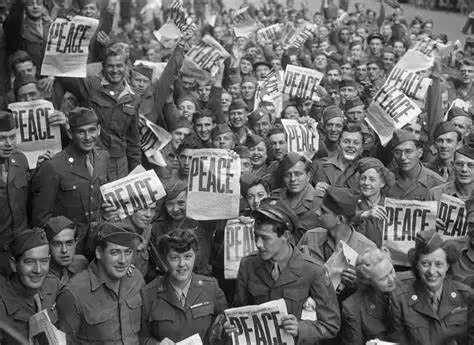
World war that started in Europe but spread to most of the world; lasted from 1939 to 1945 -
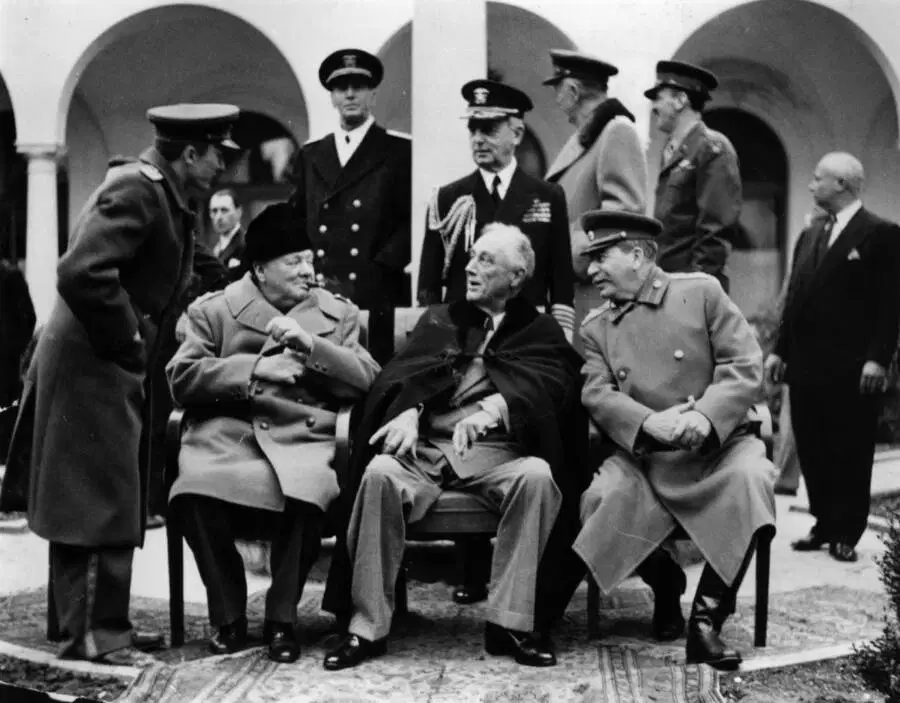
Great Britain, France, the Soviet Union, and the United States during World War II - _______
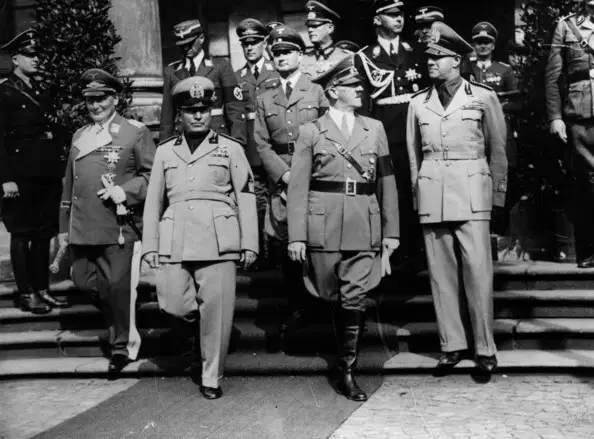
Italy, Germany, and Japan during World War II - _________
Form of government that has only one leader and one political party; the leader has absolute power to rule the nation - _________
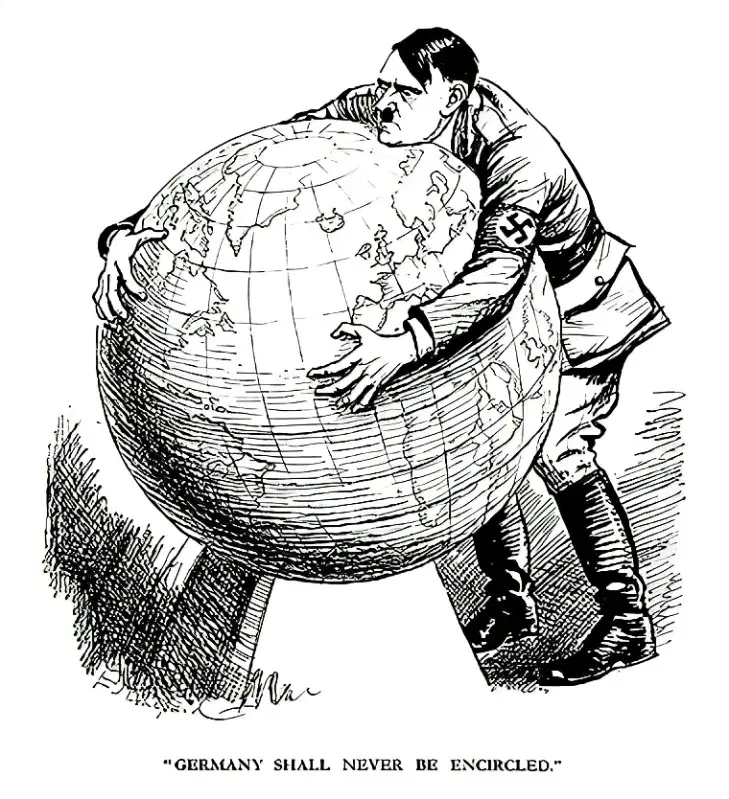
Leader of the Nazi Party and dictator of Germany around the time of World War II - ________
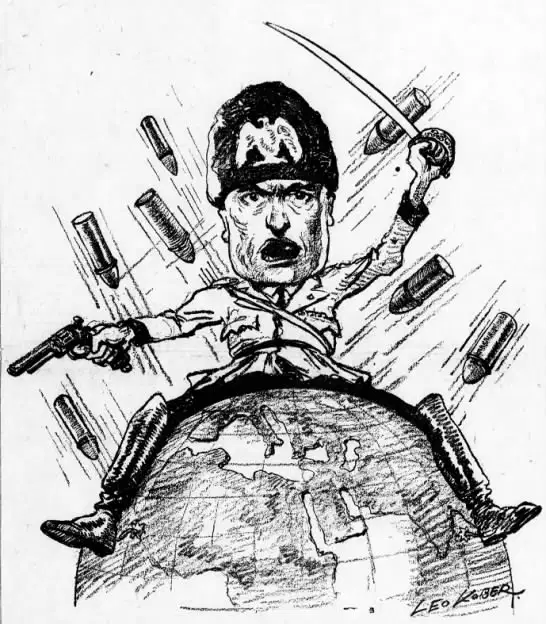
Leader of the Fascist Party and the dictator of Italy in the World War II era - _________
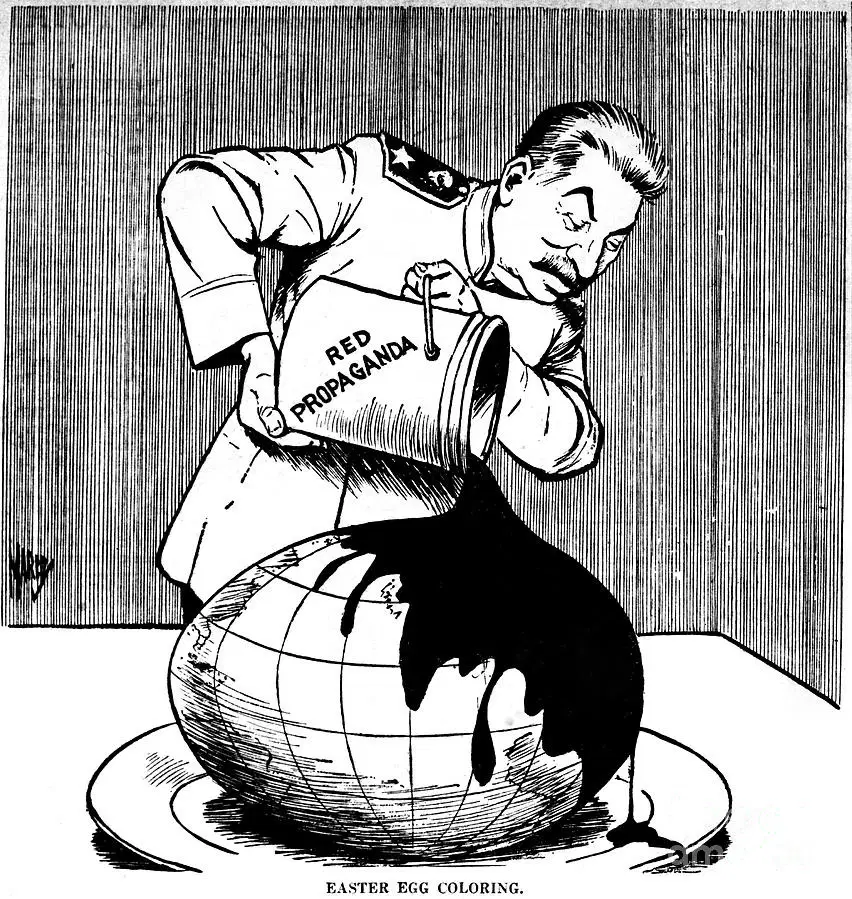
Communist dictator of the Soviet Union from 1924 until his death in 1953 - ________

System of government under the leadership of a strong dictator who exerts total control over the economy and society - _______
Fascism
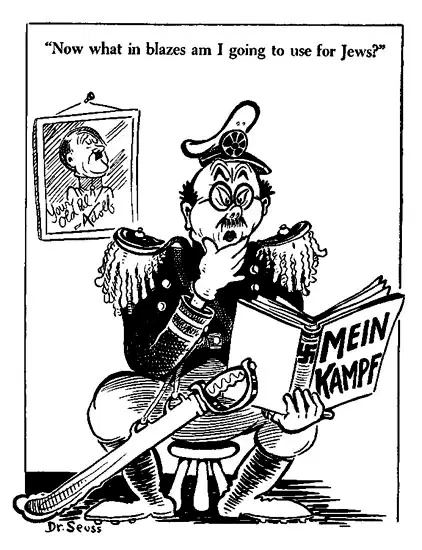
From of fascism, but instead of simply promotion national identity, it promotes ethnic identity - _________
nazism
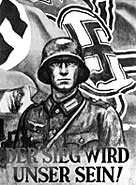
Third Reich, the third empire, referred to - ____________

A U.S. policy to sell goods to belligerent nations (countries at war) as log as they paid cash and picked up the materials in their own ships - ____________

A program that replaced the cash-and-carry policy, openly provided arms and supplies to the Allies without requiring payment - ____________
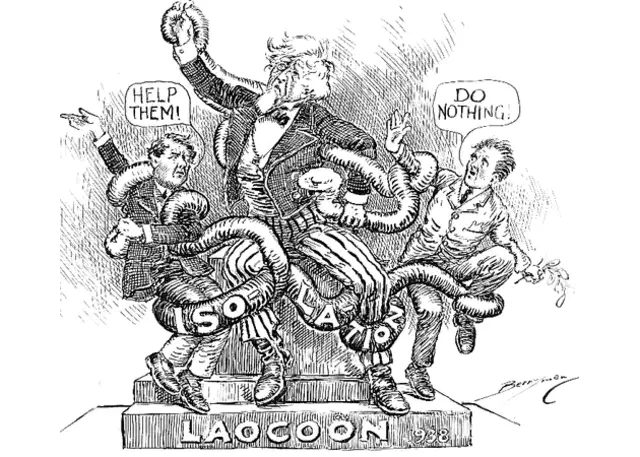
Series of laws intended to keep the United States out of international conflicts by restricting the sale of war materials to belligerent nations - _________

Government's policy of not interfering with other countries - _________
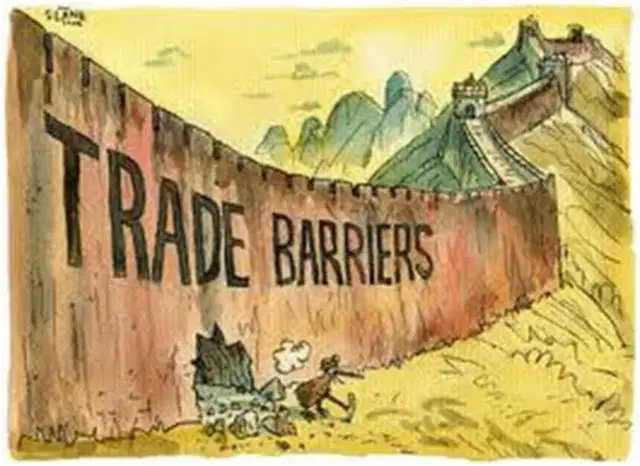
Law that authorized the president to lower tariffs for nations that agreed to do the same - ________

Introduced by President Franklin D. Roosevelt (FDR) to promote trade with Latin American countries by agreeing to not intervene in their affairs - ________
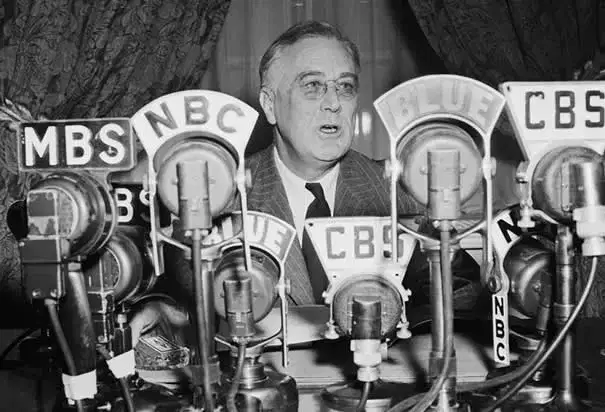
President Franklin D. Roosevelt's State of the Union address on January 6, 1941 that laid the groundwork for the people of America to accept the need to prepare for war - ________
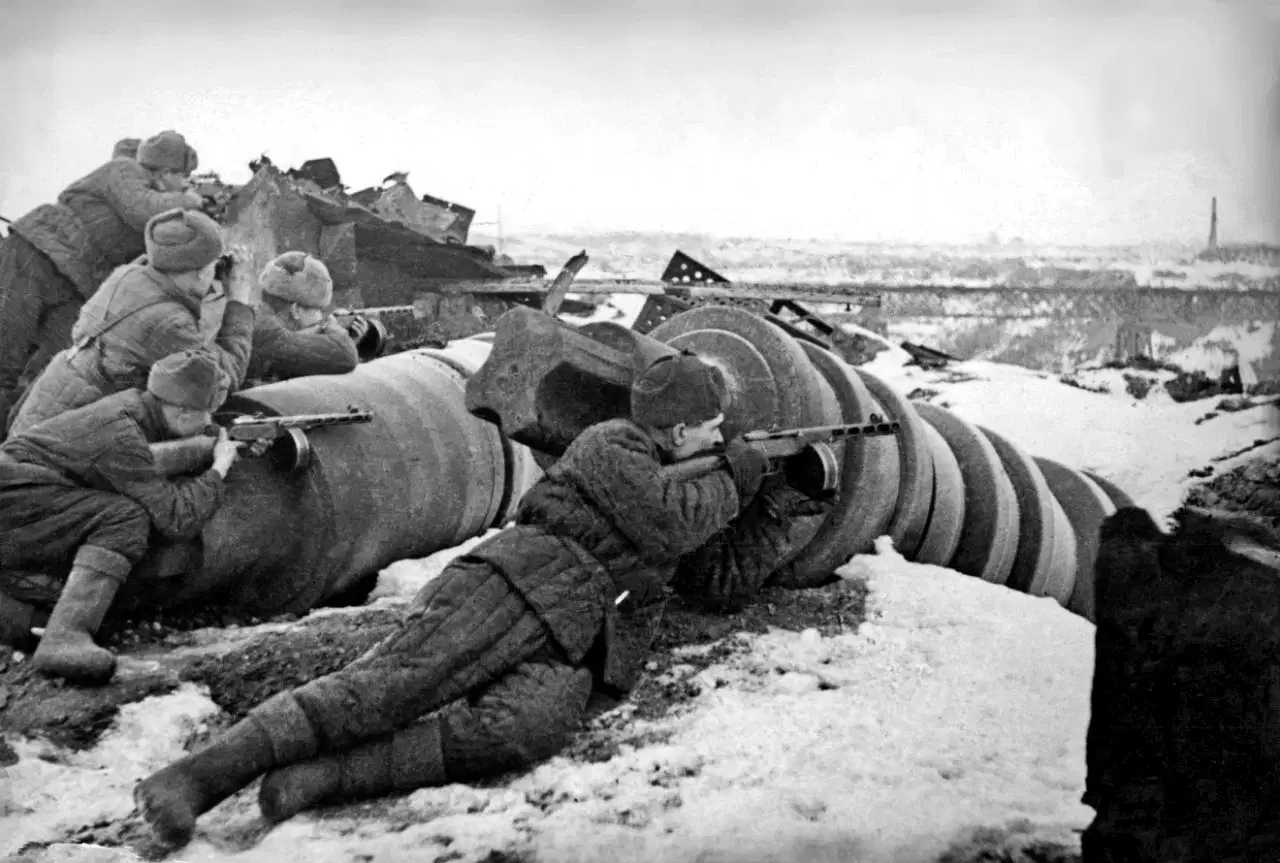
Battle that stopped the German advance into Russia; a turning point in WWII - ________
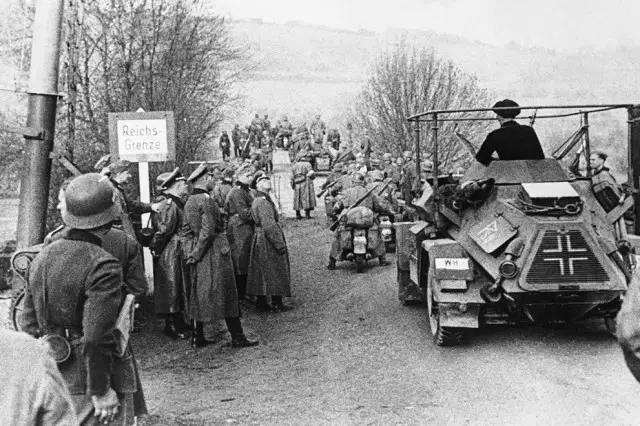
Lightening war; tactic used by the Germans to quickly take territory - ________
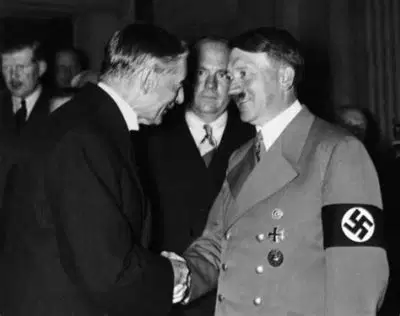
The agreement made by France and England on September 30, 1938, to give Adolf Hitler the German-speaking part of Czechoslovakia - _________
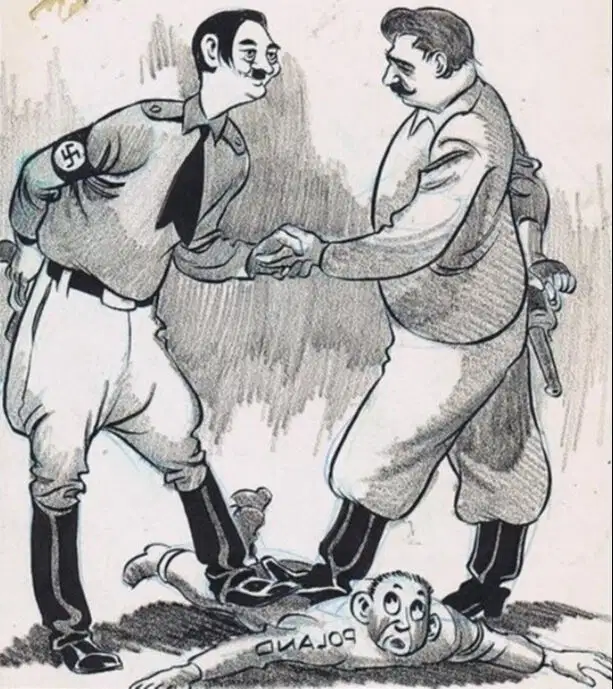
Agreement between Germany and the Soviet Union made in August of 1939 not to attack each other and a secret agreement to divide Poland between them - _________
German-Soviet
Non-agression Pact
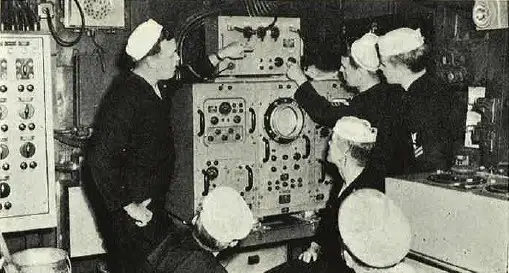
A technology that uses radio waves to detect objects before they can be seen - ___________
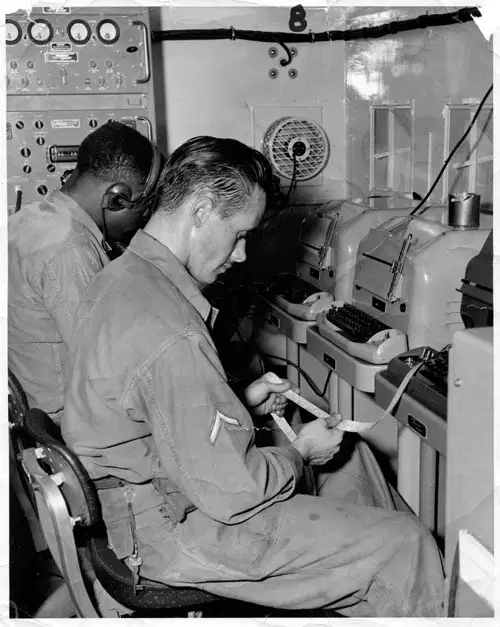
A technology that uses sound waves to locate underwater objects such as submarines - ________
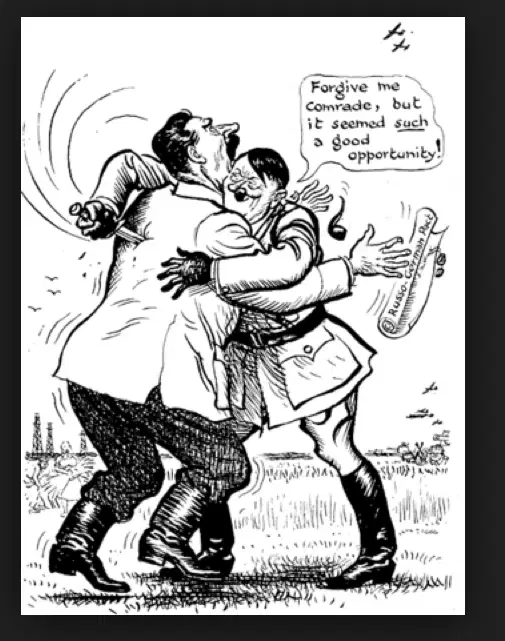
Policy of giving in to keep the peace - ______
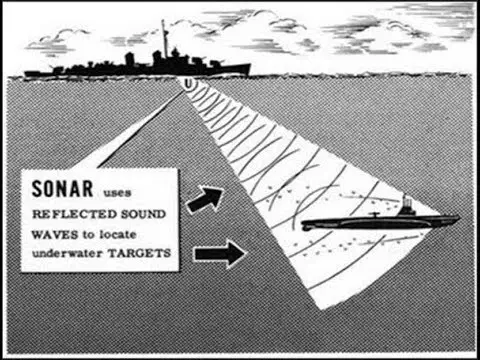
The British technology of using sound waves to detect underwater objects, which is equivalent to what Americans call SONAR (sound navigation ranging) - _________
ASDIC

Places where political prisoners, ethnic rejects, social rejects, disabled individuals, and prisoners of warfare (POW) were sent to live as slave laborers while enduring harsh and inhuman treatment, often until their death - _________
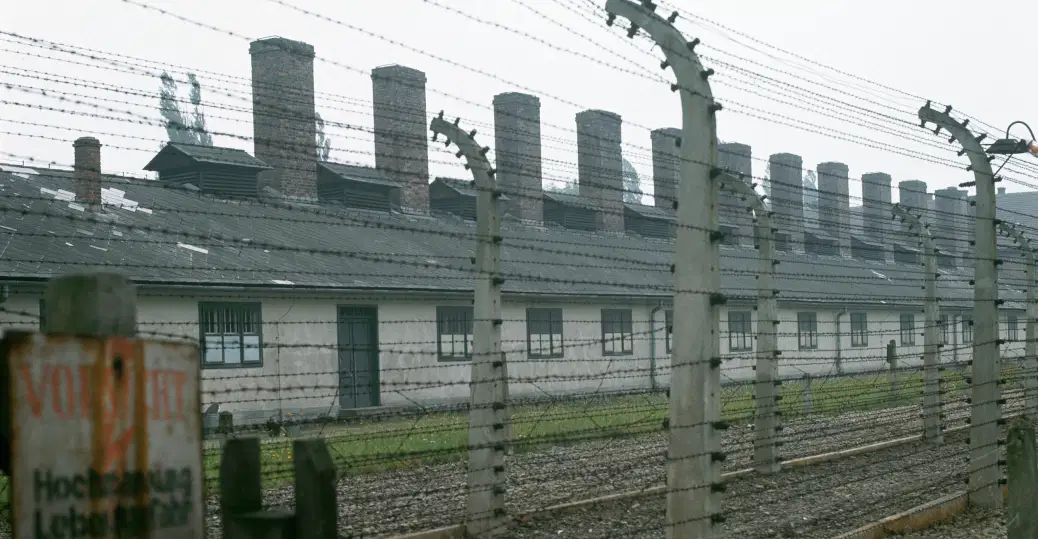
In 1942, the Nazis decided the "final solution" to rid the Jews was to convert concentration camps into - _______
Concentration camps
Extermination (death) camps

Developed by Adolf Hitler in which the Germans took food from the Soviets to feed the German military and citizenry aiding in many dying of starvation - _______
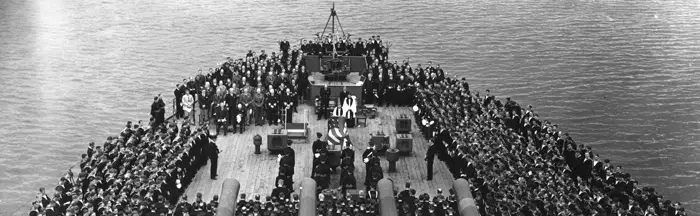
The Atlantic Charter was - _________
an agreement and policy between FDR and W. Churchill in August 1941 regarding how a post-war should look
a famous novel written by an American author explaining the horrors of the Holocaust
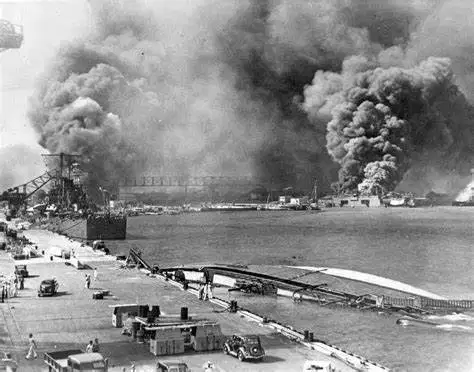
The date that the Japanese attacked the United States naval base at Pearl Harbor - _________
November 11, 1941
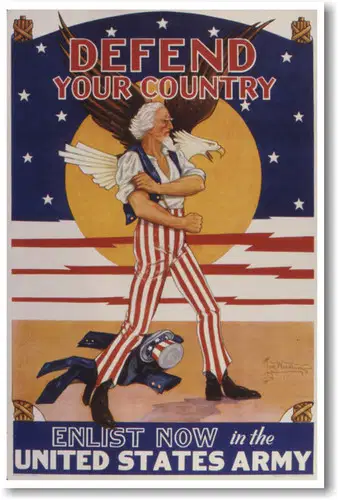
Draft of young men for military service; also, the first peacetime draft in U.S. history - _________
Selective Training and Service Act of 1940
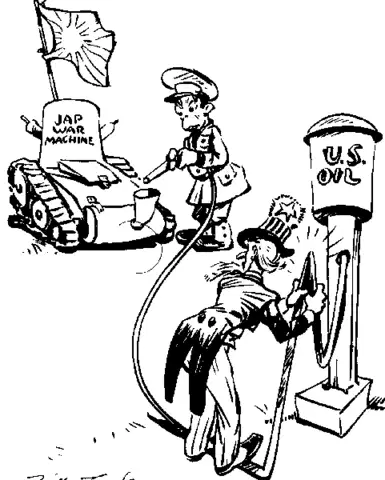
Refusing to ship materials to another country - ________-
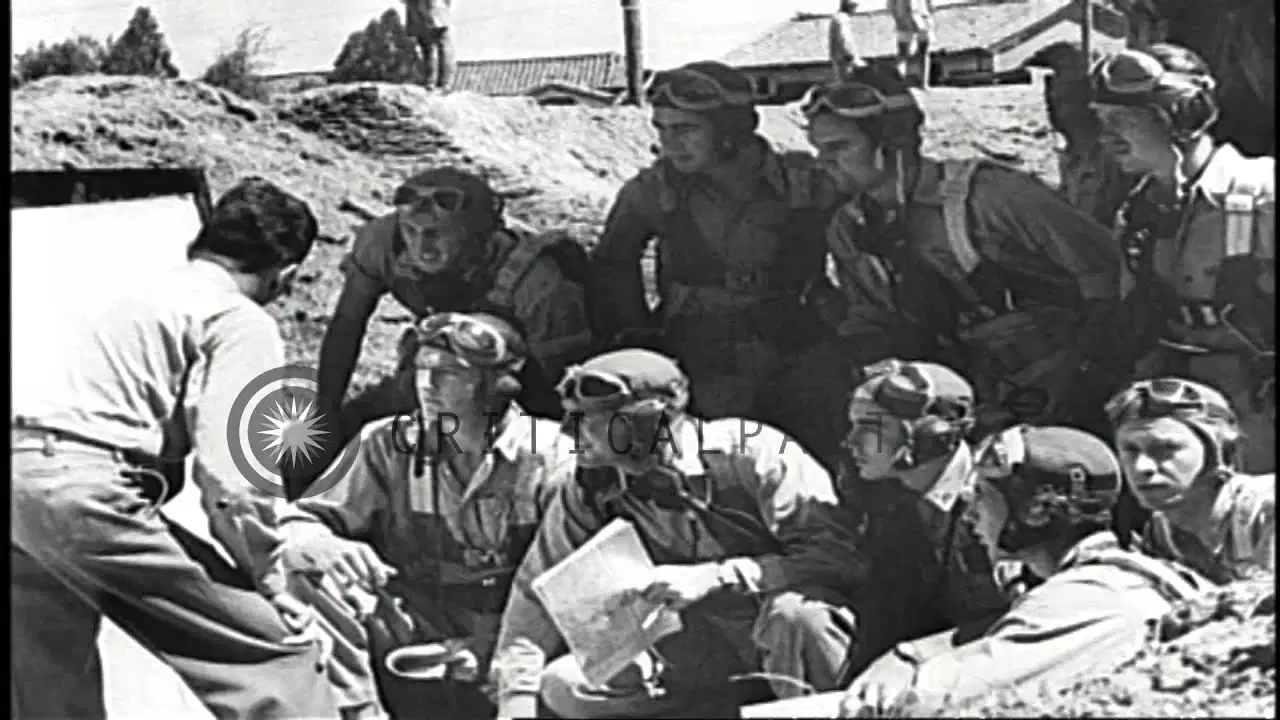
American Volunteer Group (AVG) - _____________
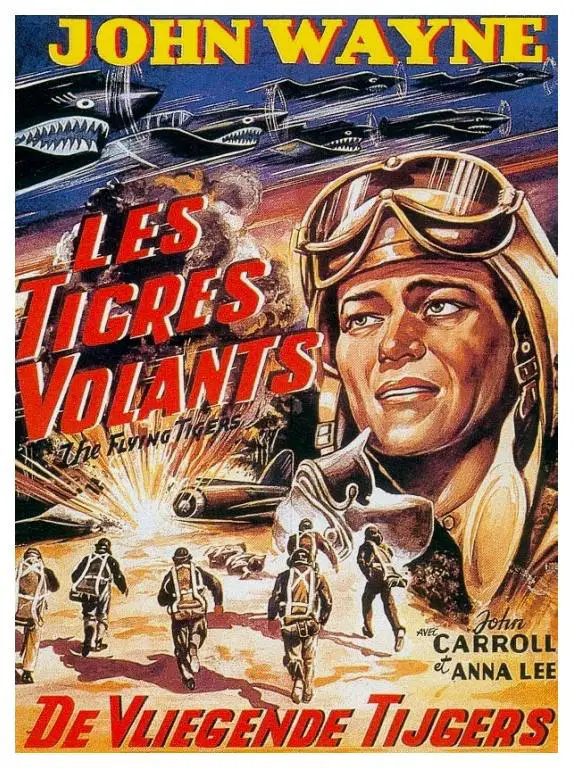
Flying Tigers - _________

The site of a major U.S. naval base located on the island of Oahu in Hawaii - ________

The label on the inside of military uniforms was stamped as this referring to what servicemen of WWII were often called - _______
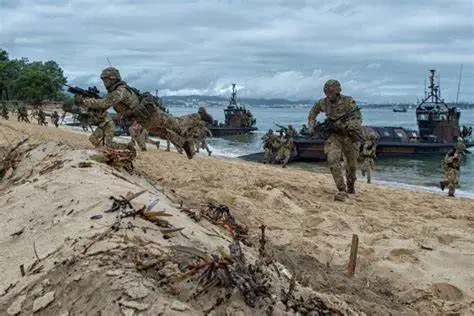
Military operations characterized by a coordinated attack from land, sea, and air; troops invading hostile shores are supported by air and navy forces - _______
Amphibious landing

Allied invasion of France on June 6, 1944; also known as the Normandy Invasion - _________
France Invasion
V-E Day
D-Day
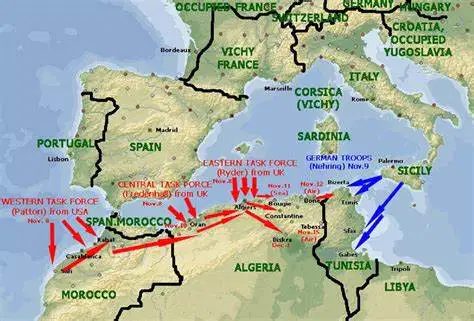
The first place the United States sent troops where they defeated Germans and Italians on the way to an Italian invasion; considered a turning point in the war on November 8, 1942 - __________
Portugal
Sicily
Spain
North Africa
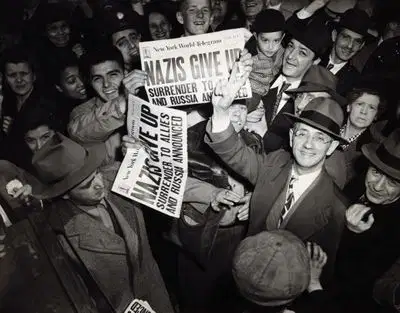
Victory in Europe Day, which was May 8, 1945; Celebrated as the day the war in Europe was over - ______
V-E Day, known as Victory in Europe Day
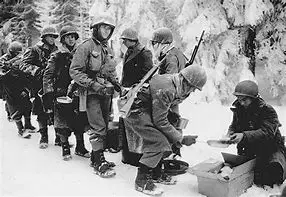
The last major German offensive on the Western Front was on December 16, 1944, which was an unsuccessful attempt to push the Allies back from German home territory - ______
Battle of the Bulge
Battle of Midway
Bataan Death March
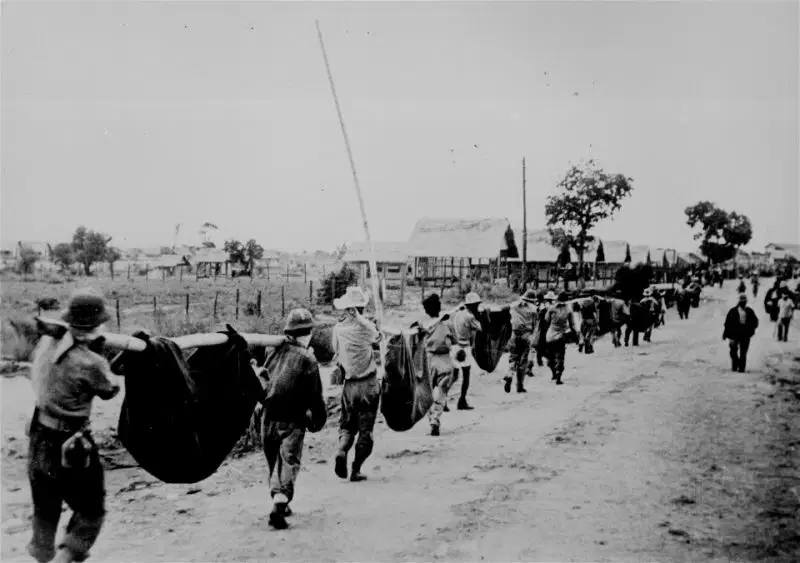
Forced march of American and Filipino prisoners of war (POWs) by the Japanese - ______
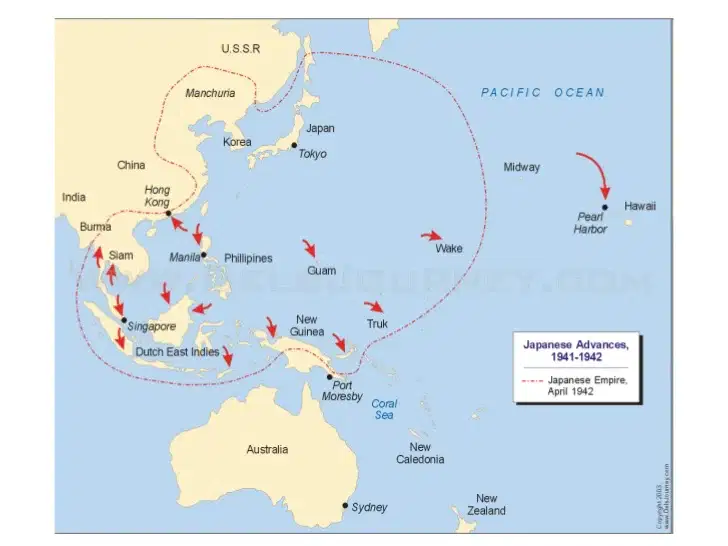
A turning point battle in 1942 where the Japanese advance was turned back - ______
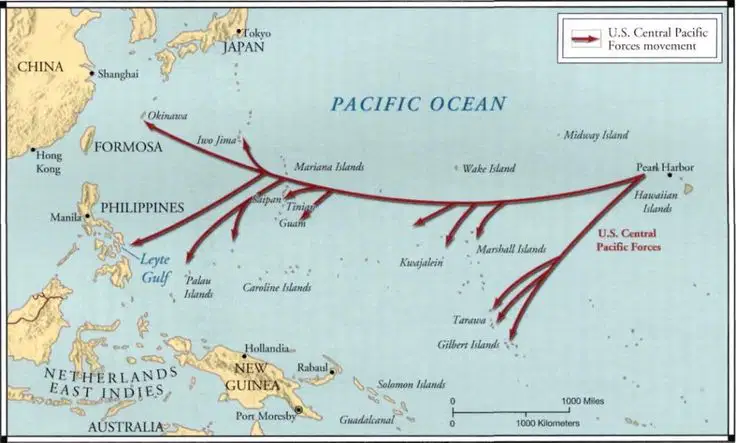
U.S. tactic in the Pacific; skipping heavily fortified islands in order to invade and set up bases on less defended ones - _______
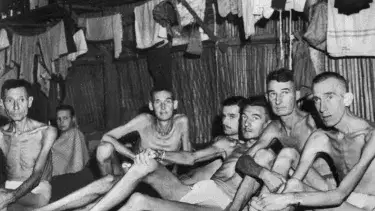
Person who is held captive and often given severe mistreatment by a belligerent power during or immediately following an armed conflict - _______
prisoner of nations
prisoner of enemy
prisoner of death
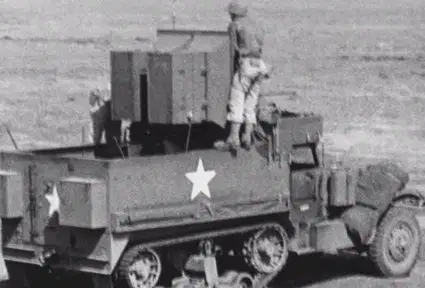
Top secret military unit formed in 1944 that often consisted of artists, designers, radio operators, engineers, etc. to conduct deceptive missions to mislead the enemy - _______
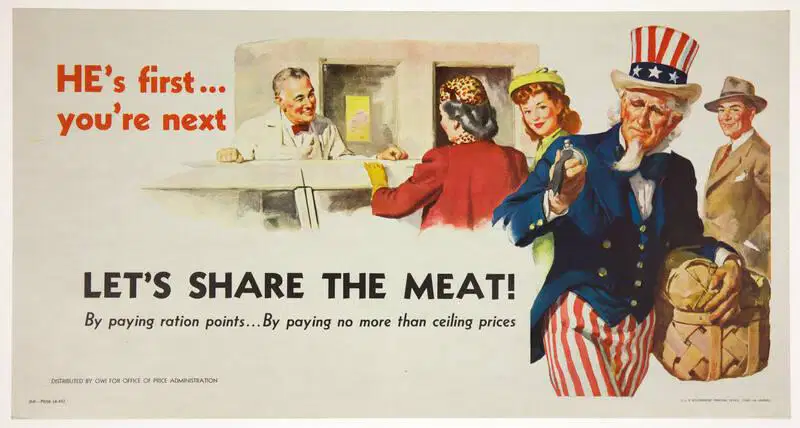
WWII federal agency that set maximum prices for consumer goods during the war and rationed certain consumer goods - _______
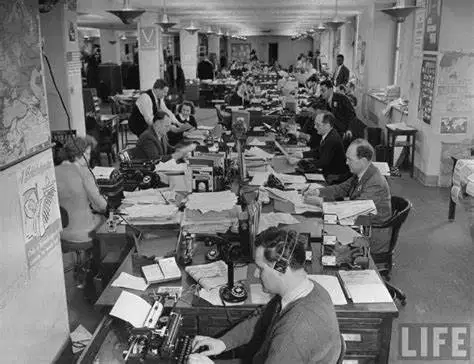
WWII federal agency that coordinated the release of war information and recruited for the war effort - _______
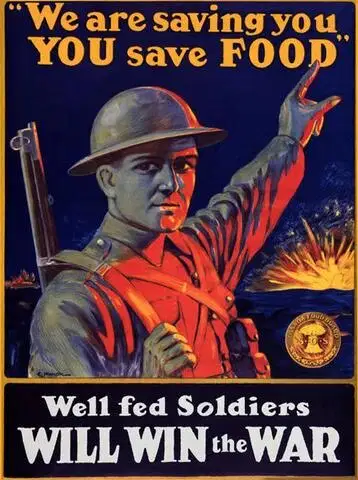
Conserving scarce resources for the war effort by limiting their distribution - _____

Loans from citizens to the government to fund the war effort - ________
rationing
War loans
War funds
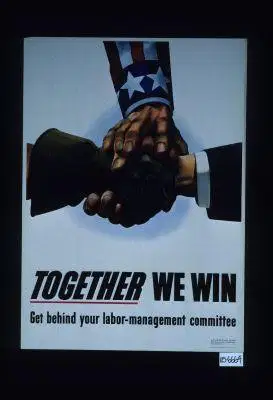
WWII federal agency that was established to resolve problems between workers and their employers during the war - ________
War Labor Board (WLB)
War Production Board (WPB)
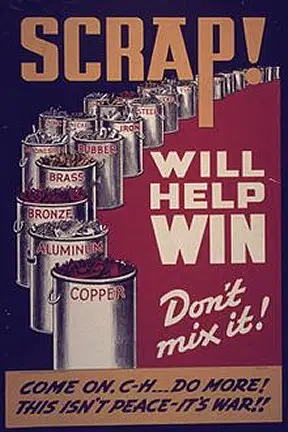
WWII federal agency that oversaw the transition from a peacetime economy to a war economy - _________
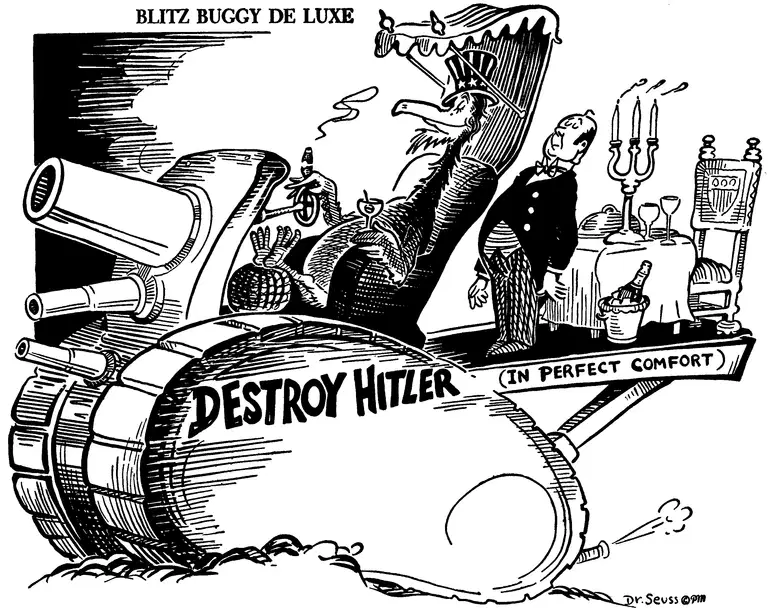
Revenue Act of 1942 - _____
Legislation preventing employers from withholding more than required to help working families during WWII
Major tax legislation proposed to United States Congress to pay for WWII, but it was denied to prevent Americans from going into another recession
The tax legislation passed by United States Congress to aid American wives while their husbands and sons fought in WWII
Major tax legislation passed by the United States Congress to pay for WWII, which increased the tax burden to working Americans
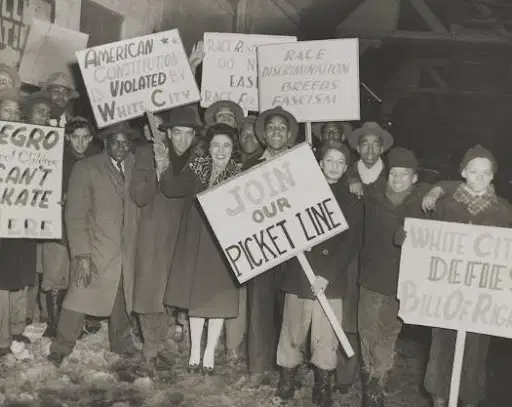
An organization formed in 1942 that used direct methods, including marches, pickets, and sit-ins to press for African-American civil rights - _____
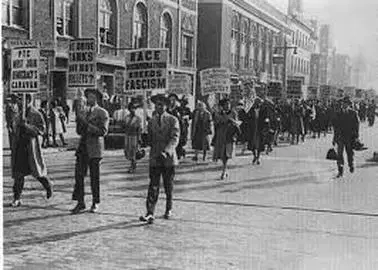
Civil rights movement that stood for victory overseas against fascism and victory at home against racial discrimination - _____
Congress of Racial Equality (CORE)
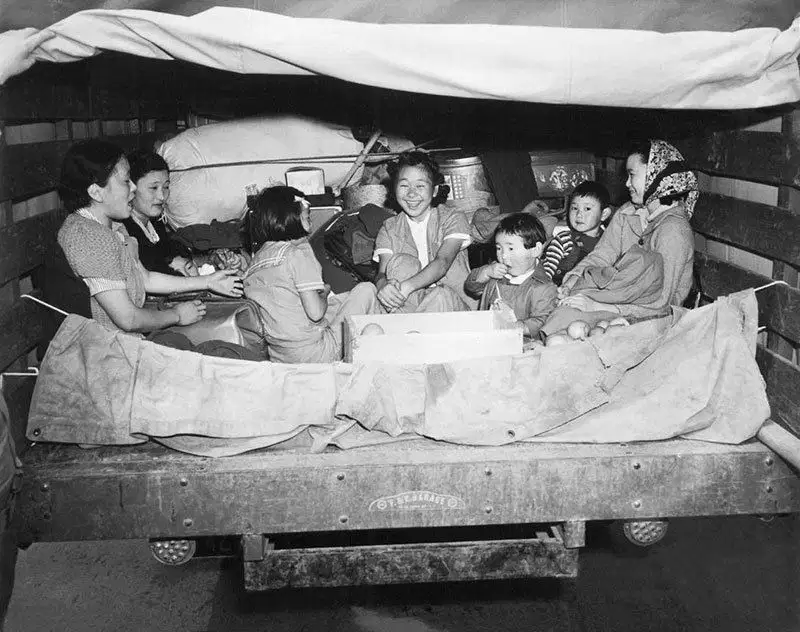
The forced removal of Japanese-Americans from the West Coast to camps away from the coast - _______
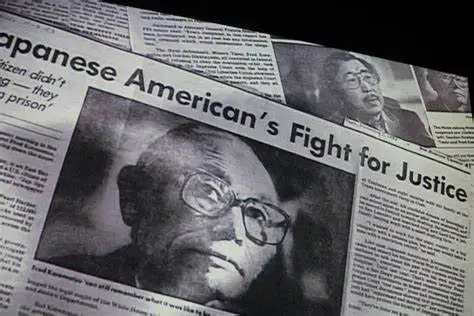
Supreme court ruling that the federal government could restrict civil rights for the sake of national security - _______
Takao Ozawa v. United States,
Kawakita v. United States
Brown v. Board of Education
Korematsu v. United States
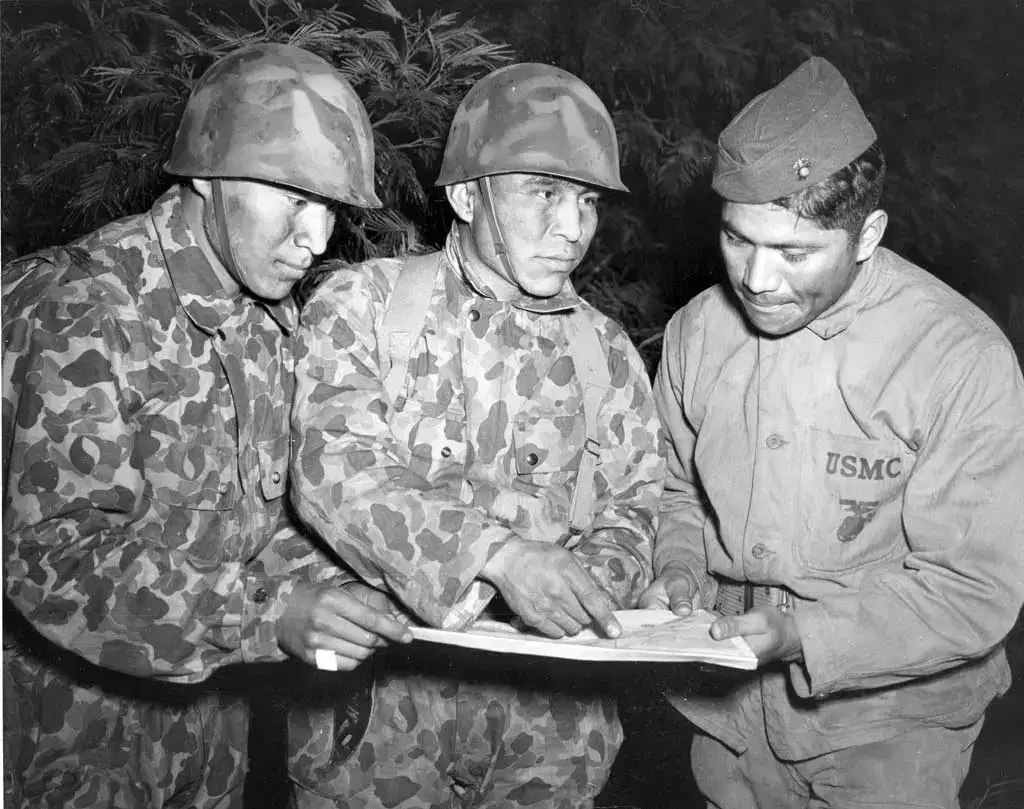
Native Americans who used their native Navajo language to transmit military communications during the war - ______
Navajo Code Talkers
Navajo Language Interpreters
Navajo Military Message Decoders
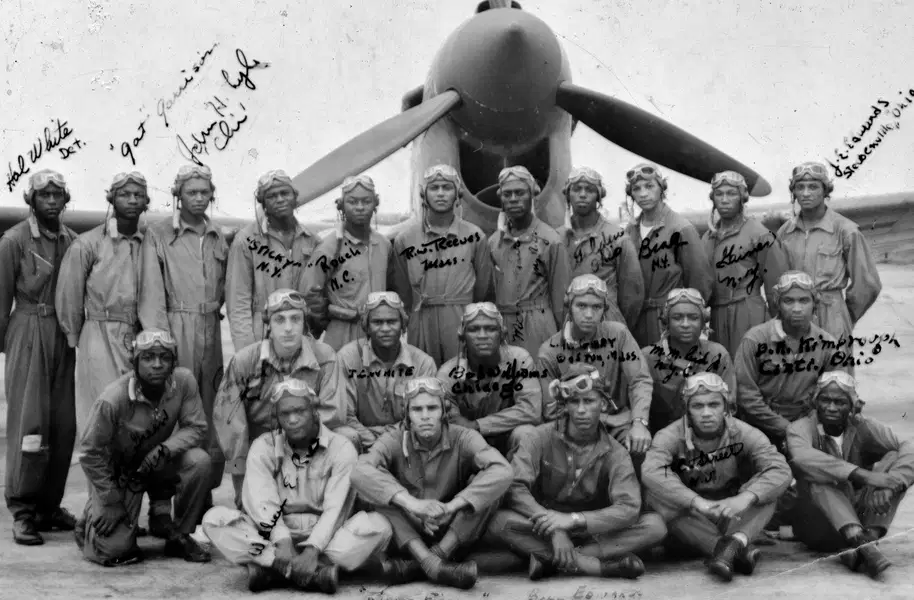
African American fighter pilots in World War II - _______
African American Pilot League
African American Fighter Pilots
Tuskegee Institute of Pilot Fighters

U.S. Airforce program that used civilian women pilots, but were never considered members of the U.S. military - _______
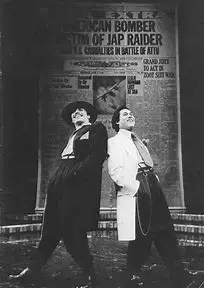
Popular form of dress for young Mexican-Americans during the 1940s - ________
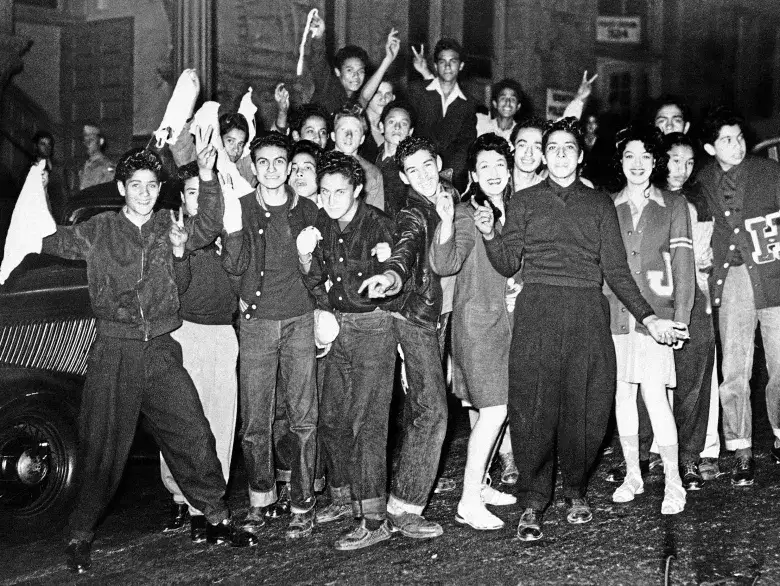
Series of disturbances/riots that broke out during WWII when young Hispanics wearing Zoot suits were considered unpatriotic and were attacked by U.S. sailors - _______
Zuit Jumpsuit Revolt
Young Hispanic-American Zoot Riots
Zoot Suit Uprising

A new weapon built and used by the United States; introduced nuclear warfare and caused the Japanese to surrender in 1945 - __________
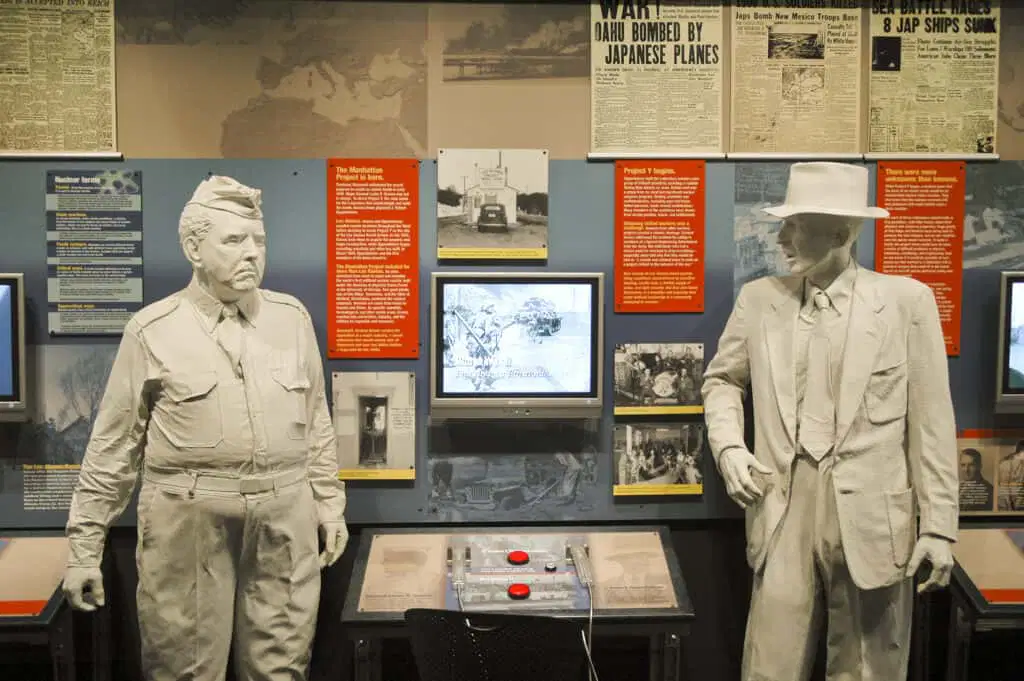
Secret project by scientists in the United States to develop an atomic bomb - ________
Washington DC Project
Japanese Bomb Project
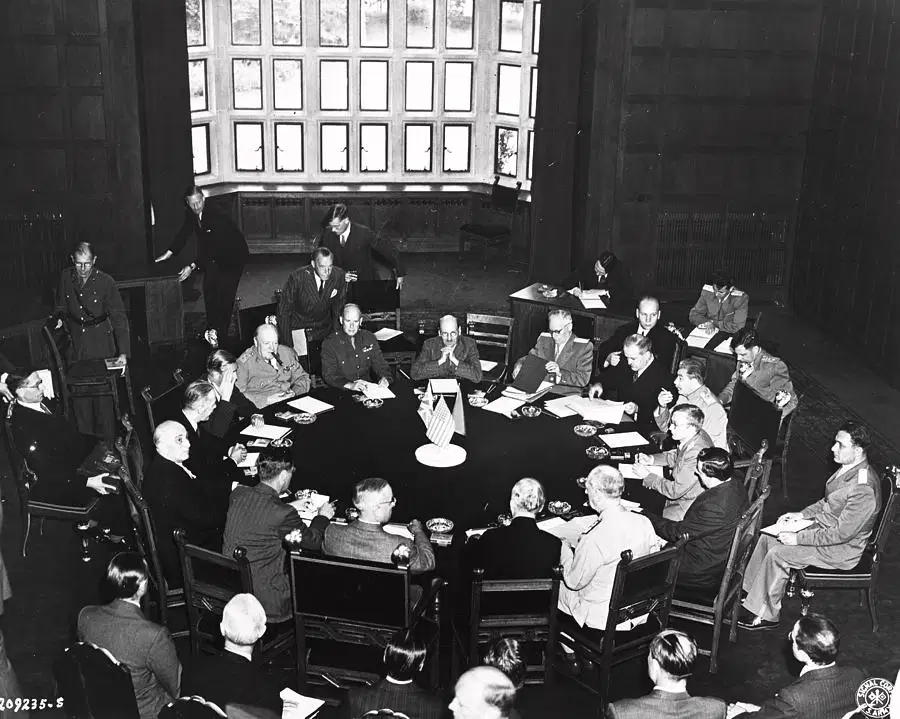
An Allied meeting to discuss the division of Germany and Berlin into four occupation zones and to discuss the arrest and trials of Nazi officials as war criminals - __________

"Victory over Japan" day when Japan formally surrendered to the Allies in WWII; celebrated September 2, 1945 in the United States -_________
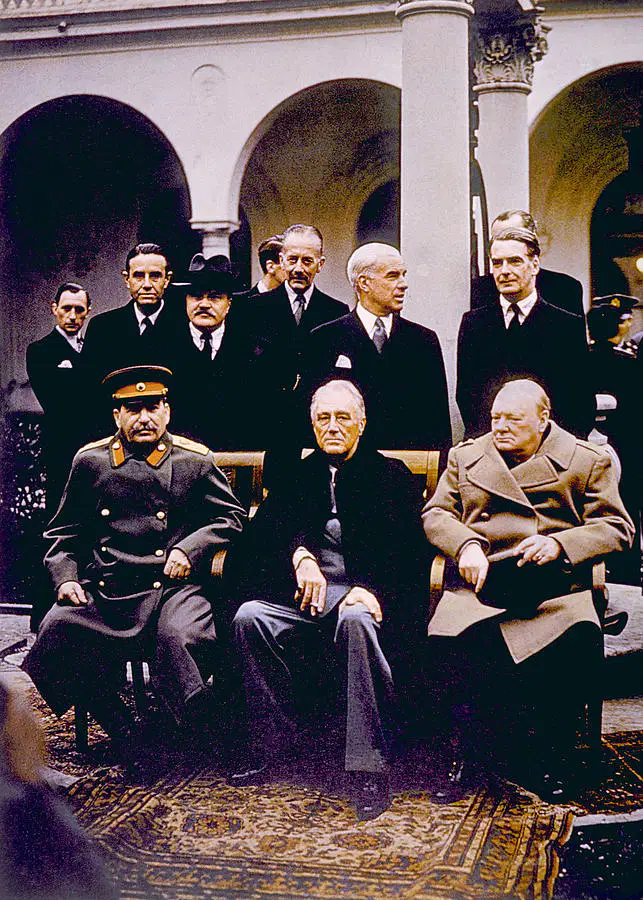
A meeting of the Allies at the Russian town of Yalta to discuss the defeat of the Nazis and to discuss plans for the joint occupation of Germany after the surrender - ________

Crimes defined at the Nuremberg Trials as government-sponsored atrocities that target a specific group because of race, religion, or politics - _____
Crimes against humanity
genocide
war crimes
Crimes against peace
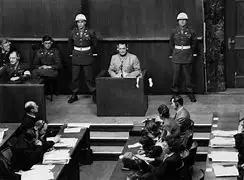
The trials of Nazi leaders for war crimes; held in Nuremberg, Germany - ______
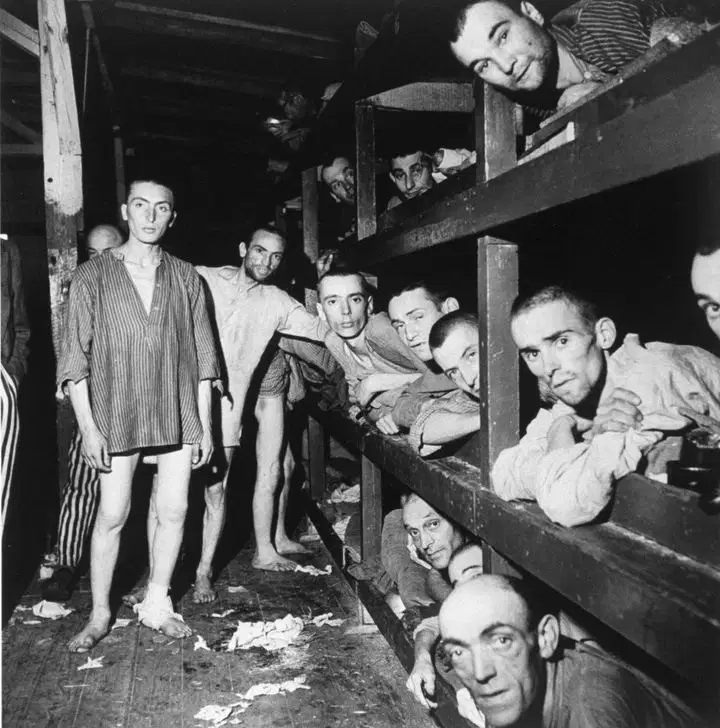
Crimes defined at the Nuremberg trials as the mistreatment of prisoners of war (POW) or civilians by individuals during WWII - _________
Crimes against humanity
Nuremberg Trials
Crimes against peace
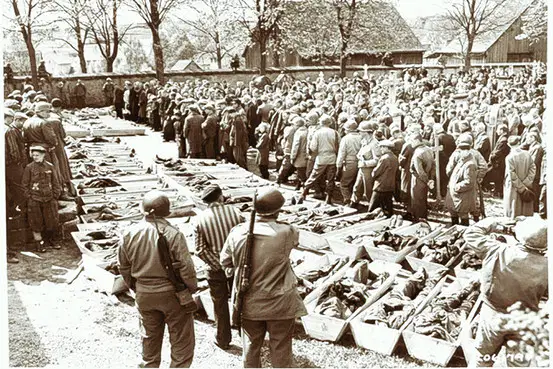
The deliberate killing of a tribe or race - ________
massacre
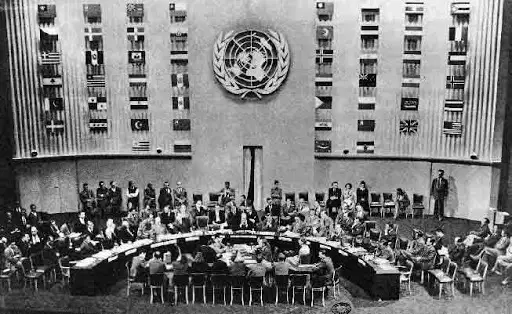
A multinational agreement on the definition of genocide and on punishable offenses - _______
Genocide Convention/United Nations Convention on the Prevention and Punishment of the Crime of Genocide
Multi-national agreement on the definition of human rights - ________
Universal Human Rights Convention
Human Rights National Allegiance
Universal Declaration of Human Rights
Multi-national Policy of Human Rights
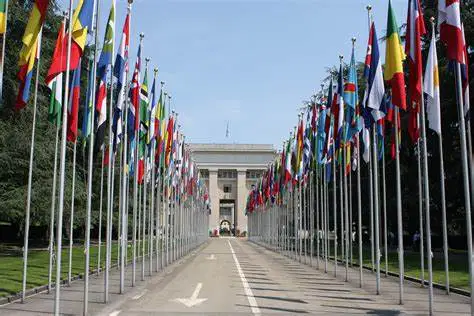
An international organization that replaced the League of Nations; charged with keeping the peace and settling international disputes - __________
North Atlantic Treaty Organization (NATO)
United Nations (UN)

