
 Worksheets
POŁOŻENIE I ŚRODOWISKO PRZYRODNICZE AFRYKI
Total questions: 35
Worksheet time: 21mins

Kibo is the highest peak in Africa. Mark its name
Kibo
Toubkal
Kenia
Ruwenzori

Identify the phenomena occurring in the Great Rift Valley of Africa
earthquakes
volcanism
formation of tectonic lakes
formation of fold mountains
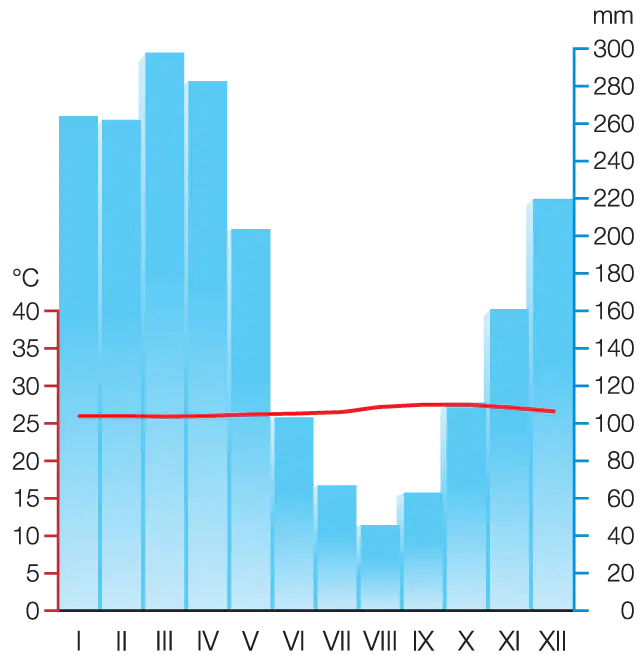
Indicate the climate zone for which the chart was made.
sub-equatorial zone
dry subtropical zone
humid subtropical zone
humid equatorial zone
What is the name of the largest lake in Africa?
Tanganyika
Chad
Victoria
Malawi
Which area is referred to by the term "Horn of Africa"?
Southern part of the continent
Sinai Peninsula
Madagascar
Somali Peninsula
Which geographical names can be used to describe the Nile?
Mediterranean Sea
Red Sea
Sahara
Egypt
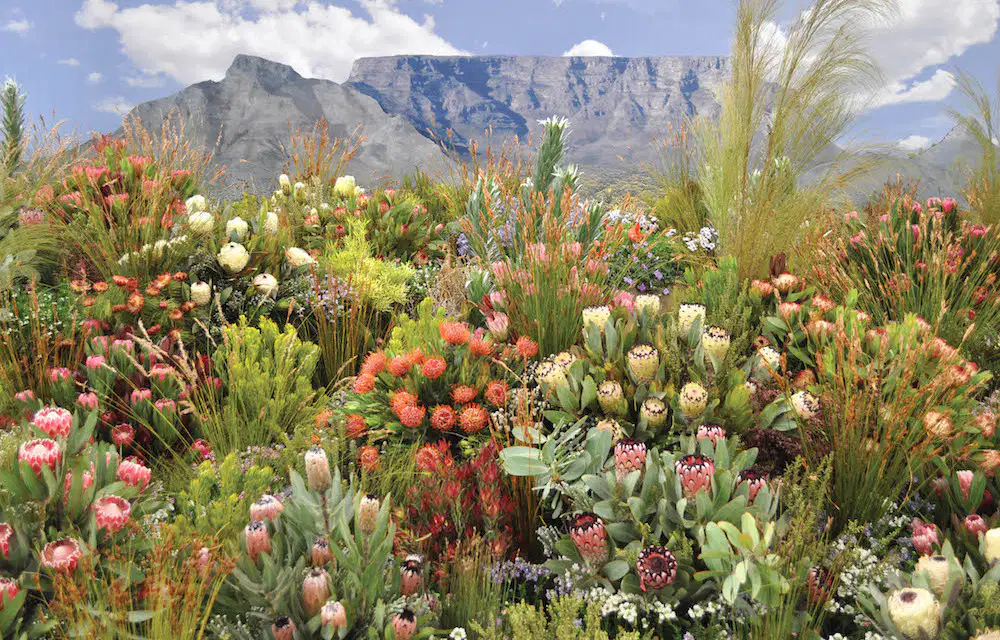
The equivalent of fynbos is a sclerophyllous vegetation that grows in areas with a climate of
subtropical
tropical
humid equatorial
subtropical seasonally dry
Which of the lakes is not a tectonic lake?
Tanganyika
Malawi
Chad
Rudolf
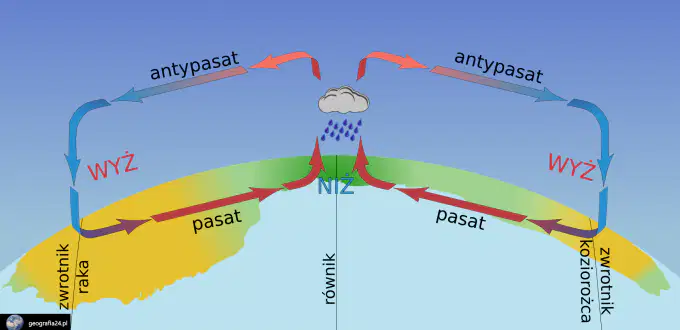
Which of the African regions is not influenced by the trade winds?
Congo Basin
Cape Mountains
Somali Plateau
East African Plateau
The largest island in Africa is:
Madagascar
Bioko (Fernando Po)
Saint Helena
Mark the names of the deserts in Africa that are crossed by the Tropic of Capricorn?
Kalahari
Namib
Great Sandy
Atacama
Which of the rivers in Africa does not lie in the basin of the Atlantic Ocean?
Niger
Orange
Kongo
Zambezi
For which of the climatic zones of Africa are periodic rivers characteristic?
dry tropical zone
sub-equatorial zone
subtropical zone
humid tropical zone
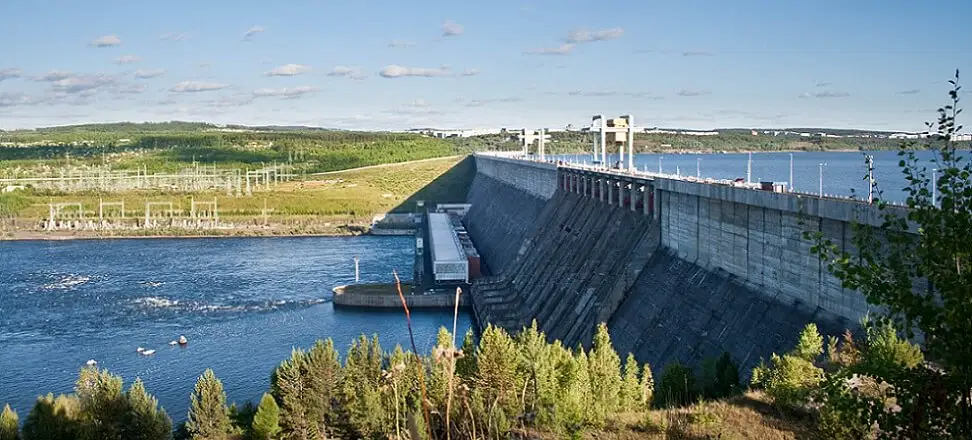
A river in Africa on which the Nasser Reservoir was created.
Niger
Nil
Kongo
Zambezi
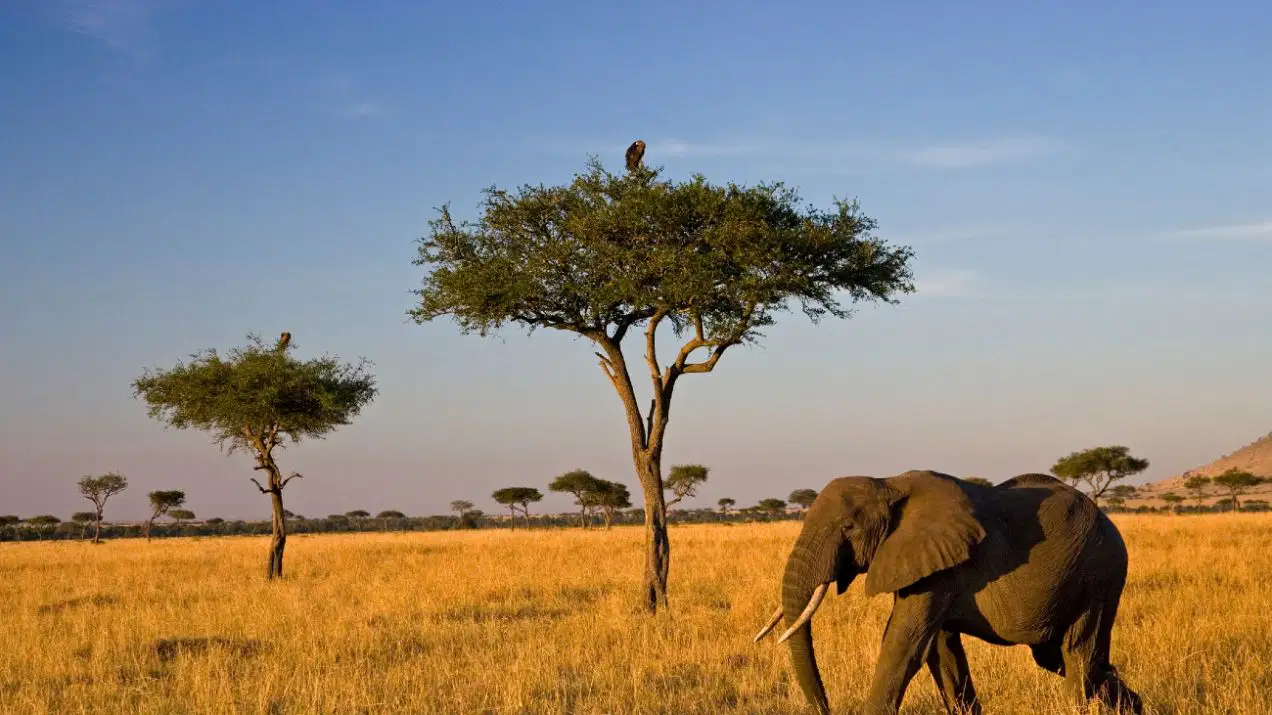
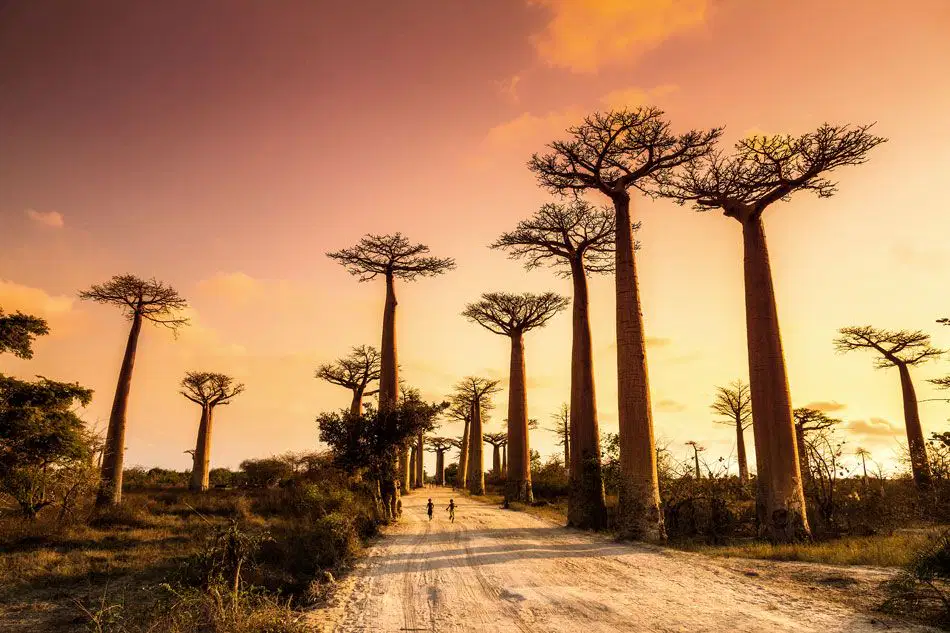
The vegetation in the picture is
savanna
rainforest
maquis
desert
The largest lake in Africa is:
Lake Baikal
Lake Ontario
Lake Victoria
The Caspian Sea
Which of the volcanoes is not located in the eastern part of Africa?
Meru
Camerun
Kenya
Kilimanjaro
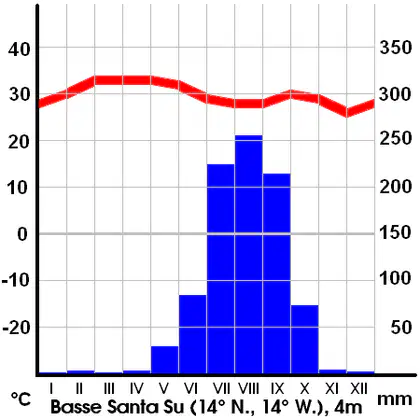
Mark the features of the sub-equatorial climate.
dry and rainy season
small average annual temperature amplitude
low annual precipitation total
warm climate
Which of the capes is located in southern Africa?
Green
Hafun
White
Needle
Which feature determines the symmetrical arrangement of climatic, plant, and soil zones in Africa?
height above sea level
wind direction
equatorial location
amount of rainfall
Identify the manifestations of desertification in the Sahel.
Reduction of surface waters
Prolonged drought
Soil degradation
Loss of original vegetation
Select the services that are dynamically developing in Africa
transport services
telecommunications services
tourism
education
Which tourist attractions will you see in Ethiopia
churches in Lalibela
Pyramid of Cheops
remains of the prehistoric man in the museum in Addis Ababa
coral reef
Mark the tourist attractions of Kenya
cruise on the Nile River
bloodless safari in the Masai Mara Reserve
climbing to the summit of Batian
snorkeling on the coral reef
Which of the mammals does not belong to the so-called Big Five?
African elephant
African buffalo
lion
antelope
Which of the following features does not pertain to shifting cultivation?
monoculture cultivation
low level of mechanization of work
low fertilizer consumption
small size of the farm
Select the set of exclusively plantation crops grown in Africa.
peanuts, sorghum, wheat
tea, coffee, millet
coffee, cocoa, oil palm
oil palm, cassava, sweet potatoes
Choose two reasons for the difficult economic situation of African countries.
Too few people employed in agriculture.
The colonial past of the continent.
Shortage of skilled workforce.
High share of services in GDP structure.
Identify the natural causes of hunger in Africa.
locust attacks
low level of mechanization
poverty of the population
droughts
Identify the non-natural causes of hunger in Africa.
lack of farmers' qualifications
low soil quality
armed conflicts
poverty of the population
Match the term to the definition: A state of the organism in which an insufficient number of calories is supplied in relation to the demand.
malnutrition
hunger
latent hunger
Mark the characteristics of plantation agriculture.
small area farms
high specialization - monoculture cultivation
quite a high level of mechanization
use of fertilizers and plant protection products
What is the main cause of the demographic explosion in Africa?
high natural increase
immigration from other continents
migration between countries
The Congo River creates one of the largest river systems in the world. Indicate the direct cause of the high flows in this river.
inflow of humid air from the ocean
precipitation during the winter period
zenithal rains in the equatorial zone
the presence of humid equatorial forest
Identify the expressions characterizing the conditions for agricultural development in Africa.
Possibility of growing crops all year round.
Concentration of crops in the Sahel region.
Small percentage of people employed in agriculture.
Problems with determining land ownership.

