
 Worksheets
Rocks & the Rock Cycle
Total questions: 35
Worksheet time: 20mins
Molten rock above Earth's surface
deposit
lava
magma
mineral
Molten rock below earth's surface
deposit
lava
magma
mineral
Natural, solid mixture of minerals or grain.
extrusive rock
rock
mineral
sediment
Series of processes that change one type of rock into another type of rock
extrusive rock
metamorphic
rock cycle
sediment
What are the 3 major types of rock?
Intrusive, Extrusive, Foliated
Chemical, Clastic, Biochemical
Hard Rock, Classic Rock, Punk Rock
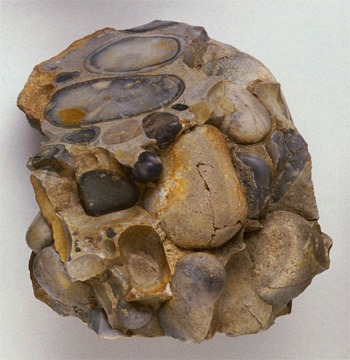
This rock was formed by smaller pieces of rock that settled at the bottom of a lake a long time ago. What type of rock is this?
metamorphism

Due to the weight of all the layers above, grains of sediment are squeezed together. This is called...
lithification
cementation
deposition
compaction


Clastic Rock
Limestone is a sedimentary rock. During the rock cycle, limestone is changed into marble, a metamorphic rock. The processes that act on limestone and change it into marble are
weather and erosion
heat and pressure
compacting and cementing
melting, cooling, and hardening
Chemical and Biochemical
erosion

Sedimentary
Sediment being dropped off and settling down on the surface of the earth or in the bottom of a body of water
Sediment being moved from one location to another location by water, wind, or ice.
Rocks being broken down into smaller pieces by rain, wind, chemical reactions or other weathering factors.
Rocks never change from one type to another.
True
False
Chemical Sedimentary Rock is ...
Made up of broken pieces of minerals and rock fragments
Formed by organisms or contains the remains of organisms
Formed when minerals crystallize directly from water
Biochemical Sedimentary Rock is ...
Formed when minerals crystallize directly from water
Made up of broken pieces of minerals and rock fragments
Formed by organisms or contains the remains of organisms
Clastic Sedimentary Rock is ...
Formed by organisms or contains the remains of organisms
Made up of broken pieces of minerals and rock fragments
Formed when minerals crystallize directly from water
Wind, water, ice carry broken rock fragments to new locations.
Erosion
Transportation
Compaction
Deposition
Which is the correct order of sedimentary rock formation?
Erosion,
Deposition, Compaction, Cementation, Transportation
Cementation, Compaction, Deposition,
Erosion, Transportation
Erosion, Transportation, Deposition, Compaction, Cementation
Erosion,
Compaction, Deposition, Cementation, Transportation
Cools quickly outside the earth...
Intrusive Igneous Rock
Extrusive Igneous Rock
Foliated Metamorphic Rock
Nonfoliated Metamorphic Rock
Cools slowly inside the earth...
Intrusive Igneous Rock
Extrusive Igneous Rock
Foliated Metamorphic Rock
Nonfoliated Metamorphic Rock
Contains large, visible crystals...
Extrusive Rock
Intrusive Rock
Which rock is an IGNEOUS rock?
Quartzite
Obsidian
Sandstone
Schist
Which rock is a METAMORPHIC rock?
Pumice
Chalk
Granite
Marble
Which rock is a SEDIMENTARY rock?
Basalt
Limestone
Diorite
Gneiss
Which of the following rocks is NOT a sedimentary rock?
Shale
Slate
Conglomerate
Coal
Which of the following is NOT a METAMORPHIC rock?
Slate
Marble
Quartzite
Sandstone

