
 Worksheets
Combine Chemcial and Physical Changes
Total questions: 140
Worksheet time: 2hrs 33mins
What is the law of conservation of mass?
Mass can only be destroyed in a chemical reaction.
Mass can only be created in a chemical reaction.
Mass cannot be created or destroyed in a chemical reaction.
Mass can be created or destroyed in a chemical reaction.
Give an example of a chemical change.
Melting of ice
Mixing of salt and water
Burning of wood
Cutting a piece of paper
What is a physical change?
A physical change is a change in the color of matter.
A physical change is a change in the taste of matter.
A physical change is a change in the smell of matter.
A physical change is a change in the form or state of matter without any change in its chemical composition.
True or False: According to the law of conservation of mass, mass can be created or destroyed during a chemical reaction.
Only in certain reactions
False
Sometimes
True
What happens to the mass of a substance during a physical change?
The mass of a substance decreases.
The mass of a substance increases.
The mass of a substance remains constant.
The mass of a substance becomes zero.
Give an example of a physical change.
Boiling water into steam
Melting ice into water
Burning wood into ash
Mixing salt and water
What is the difference between a chemical change and a physical change?
A chemical change occurs spontaneously, while a physical change requires external energy input.
A chemical change involves a chemical reaction that results in the formation of new substances with different properties, while a physical change only involves a change in the physical properties of a substance.
A chemical change is reversible, while a physical change is irreversible.
A chemical change involves a change in the state of matter, while a physical change involves a change in the chemical composition of a substance.

Match the following
Reactant
Element
2C2
Reactant
Compound
CH4
Product
Compound
CO2
2H2 + O2 --> 2H2O
How much H2O will be produced if we react 4g of H2 and 32g of O2?
Bubbles form when water boils. Is this evidence of chemical change?
Yes, because water is changing.
Yes, because the water is reacting.
No, because the vapor is still water.
No, because water doesn't react with anything.
A student heats a beaker of water with a hot plate and over time, the water begins to bubble, the volume decreases and vapor is visible. This is an example of a ____________ change.
Chemical
Nuclear
Physical
Musical
Cutting a tree limb into logs is (a)____________ and burning them in the fireplace is (b)____________.
(a) A Physical Change
(b) Also a Physical Change
(a) A Physical Change
(b) A Chemical Change
(a) A Chemical Change
(b) Also a Chemical Change
(a) A Chemical Change
(b) A Physical Change
When lithium metal is dropped into a container of water, the lithium sparks and fizzes and the water begins to bubble violently. The conclusion that can be drawn from that is:
A new substance is created because this is a chemical change.
No new substances are created because there is a chemical change.
No new substances are created because this is a physical change.
A new substance is created because this is a physical change.

In this example, there is no gas produced, no temperature change, no odor, and no solids formed. This must be a _________ change.
Physical
Emotional
Hypothetical
Chemical

A white crystalline powder is mixed with water. No temperature change is observed but the solid disappears. This must be a __________ change.
Chemical
Mechanical
Physical
Electrical
When two liquids are mixed and a solid is formed, the new solid is called a ________________.
Levitate
Precipitate
Palpitate
Bad date
Percy is cutting the grass and picks up the clippings. He hates lawn work but loves the smell of cut grass. Percy has created a _________ change.
Physical
Chemical
True or false: A chemical reaction requires at least one liquid at the start.
True
False
A car swerves to avoid a collision with an oncoming vehicle and crashes into a tree. The tree falls over. The car is crunched. Liquids pour out of the car onto the street. Based ONLY on those observations, what happened here?
Physical Changes
Chemical Changes
Both Chemical and Physical Changes
Which of the following is a chemical change?
Mixing two clear liquids and forming a blue liquid
Mixing a clear liquid and white solid and getting a clear liquid
Mixing a clear liquid and a dark purple solid and getting a light purple liquid
Mixing a clear liquid with a white solid and getting a cloudy white liquid
True or false: The only chemical changes that generates light are ones that explode or generate flames.
True
False

This is a _____________ change.
Chemical
Physical

This is a __________ change.
Physical
Metaphysical
Chemical
Logical

This is a _________ change.
Magical
Chemical
Physical
Seussical

When chameleons want to hide from predators and blend into their surroundings, they are undergoing a ___________ change in the skin.
Also, they are adorable.
Physical
Chemical
Which of the following would be considered a physical change?
Cutting paper
pH test
Burning marshmellow
Roasting a Turkey
Which of the following would be considered a physical change?
Cutting paper
pH test
Burning marshmellow
Roasting a Turkey
Which of the following would be considered a physical property?
Colour
Flammability
pH
Reactivity

Which Restaurant is the most disgusting
Olive garden
Burger King
Subway
Chili's


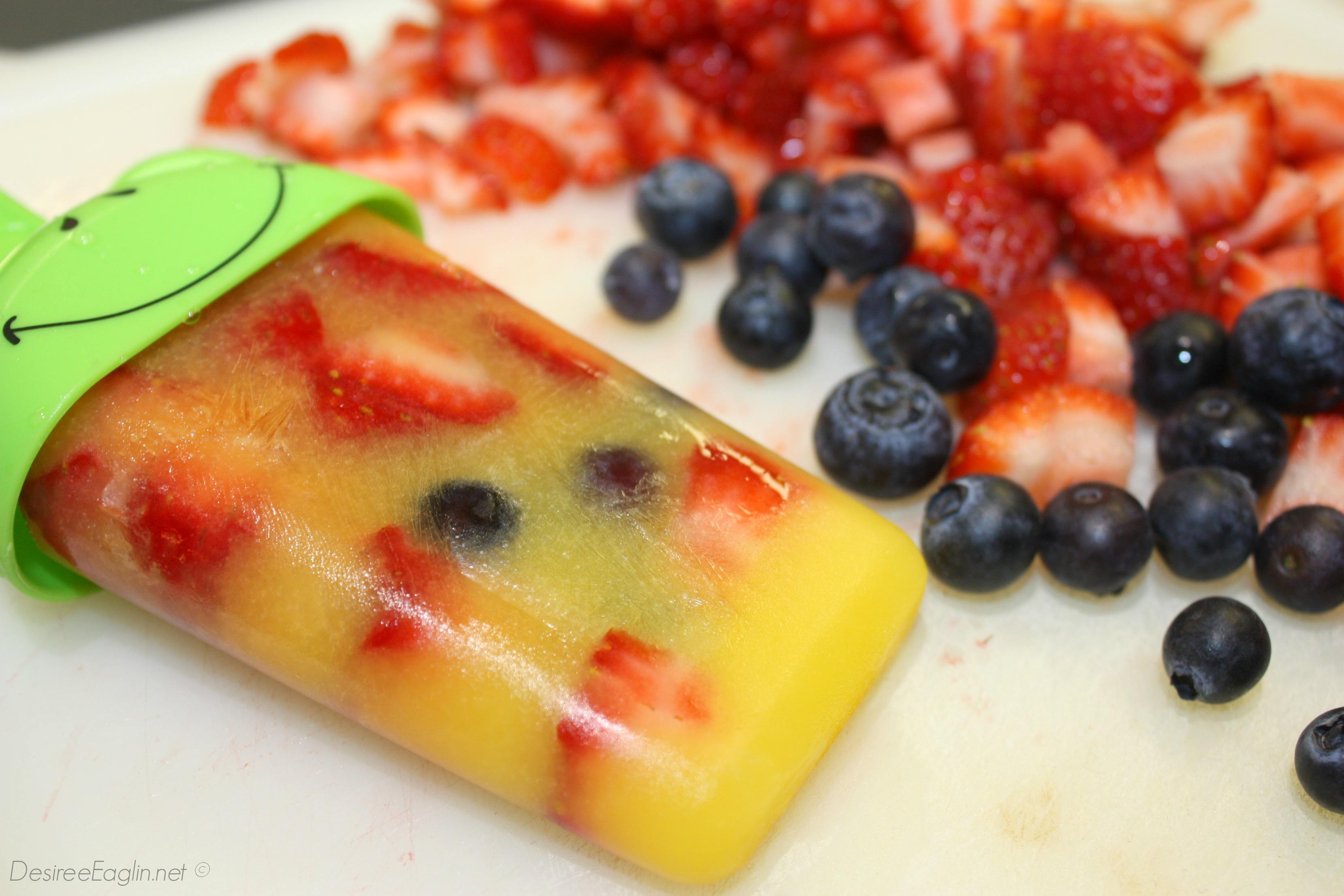
Which of the following are examples of a Chemical Change?
Iron Rusting
Gas Burning
Breaking a glass
Boiling water
Burning Wood
What is a chemical change?
Forming a new substance
When two or more substances combine to make a greater one
When two or more substances combine to make a new chemical substance
Combing substances
Which of the following would be considered a physical property?
Colour
Flammability
pH
Reactivity
Which of the following are examples of a Chemical Change?
Iron Rusting
Gas Burning
Breaking a glass
Boiling water
Burning Wood

A physical change _____________ the identity of the substance.
changes
maintains
A chemical change _____________ the identity of the substance.
changes
maintains
Color change like in a drop of food coloring in water, is a _________ change.
physical
chemical
Copper tarnishing is an example of a ___________ change.
physical
chemical

which of these example is a physical change?


Physical Change
Chemical Change
Which process is an example of a physical change?
Cutting Carrots into pieces and mixed in a salad
A peanut butter and jelly sandwich being digested
Sodium metal and water combining to form a compound and a gas
Sodium metal and chlorine gas combined to form table salt
Which process is a sign of a chemical change?
A rotting potato gives off a bad smell
A melting block of ice leaves a large puddle
A cloud quickly changes shape when blown by wind
A plaster statue breaks when it falls onto the floor
Match the following
precipitate
color change
exothermic reaction
Bubble production
Draw an example of a chemical change

Chewing
Peristalsis
Folding
Chopping
saliva
Stomach acid
Fever
Burning
color change
_ is the pushing of food through the digestive tract (intestines). (a)
Match the following
Please
Production of a gas
Excuse
Exo/ Endo thermic reaction (TEMPERATURE)
Coughs
Color change
Burps
Bubbles produced
Sneezes
Smell change
Draw an example of a chemical change
Let's play a fun game of True or False! Here's your question: Mechanical Change and Physical Change are the same thing. What do you think?
True
False
Imagine you're a tiny person traveling through a giant sandwich. Which of the following would you consider a physical change during this wild journey?
Seeing a gas being produced
Witnessing the formation of a precipitate
Experiencing teeth cutting and crushing the sandwich into smaller pieces
Observing digestion with HCl in the stomach
Imagine you're a mad scientist conducting an experiment in your lab! Can you tell me the key difference between a physical change and a chemical change when you're transforming one substance into another?
Physical changes in my experiments, like melting ice into water, always involve the production of heat or light
Chemical changes in my experiments, like burning a piece of paper, change the size of a particle of a substance
Chemical changes in my experiments, like rusting of iron, transform a substance into a completely different substance
Chemical changes in my experiments, like dissolving sugar in water, do not change the identity of the substance
Imagine you're a scientist observing the digestion process in a lab. Which of these scenarios would be an example of a chemical change you'd witness during digestion?
Teeth acting like a knife, cutting and crushing food into smaller pieces
Food being tossed around like clothes in a washing machine in the stomach
Food getting mixed with saliva, which is like a chemical solution containing enzymes
Food being digested with HCl, like a chemical reaction happening in the stomach
Imagine you're a scientist observing a series of experiments. Can you identify the tell-tale signs of a chemical change?
Is it the production of a gas, an unexpected color change, formation of a precipitate, and the production of heat or light during a chemical reaction in a lab?
Or is it teeth cutting and crushing food into smaller pieces during a meal?
Could it be food churning in the stomach after eating?
Or is it when food mixes with saliva (which contains enzymes) while chewing?
Imagine you're a piece of pizza. What would peristalsis do to you in the human body?
Turn you into a glowing, warm piece of pizza
Transform your size
Propel you through the esophagus like a slide
Mix you up with saliva like in a blender
Imagine you're a grain of sand on a beach. You can become smaller or change your state from solid to liquid or gas, but you can't change the fact that you're sand. Sounds like a physical change, doesn't it?
True
False
Which of the following are examples of a Chemical Change?
Iron Rusting
Gas Burning
Breaking a glass
Boiling water
Burning Wood
A physical change _____________ the identity of the substance.
changes
maintains
A chemical change _____________ the identity of the substance.
changes
maintains
Color change like in a drop of food coloring in water, is a _________ change.
physical
chemical
Copper tarnishing is an example of a ___________ change.
physical
chemical

