
Font size
 Worksheets
Levels of Organization!
Total questions: 40
Worksheet time: 40mins
Reorder the following from least to greatest (from left to right).
organism
population
community
ecosystem
biome

What level of ecological organization does this entire picture represent?
Organism
Population
Community
Ecosystem

What is a group of cells that are alike and work together?
a cell team
a tissue
a cell family

A group of tissues that work together is a(n) ______________________.
cell
organ
organ system

This picture represents which of the levels of organization?
organism
organ system
organ
tissue

This picture represents which of the levels of organization?
tissue
organism
organ
organ system


A structure made up of different types of tissue and performs a specific job.
cells
tissue
organ
organ system
Which includes an order of organization of multicellular organisms from smallest to largest?
tissues, cells, organs, organ systems, organism
cell, tissue, organs, organ systems, organism
organism, cells, tissues, organ systems, organism
tissues, cells, organs, organ sytems, organism
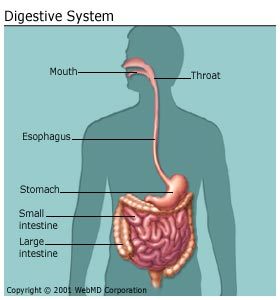
These organs working together are an example of a(n) ________________ .
organ system
cell
atom
tissue
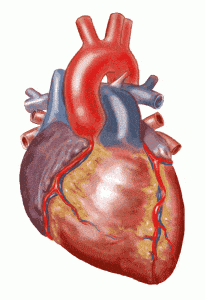
This group of tissues performing similar functions is an example of a(n) _____________ .
cell
organ system
organ
tissue
Starting from cell, what is the 2nd level of organization?
Cell
Tissue
Organ
Organ System
Starting from cell, what is the 3rd level of organization?
Cell
Tissue
Organ
Organ System

What is the function of the vacuole?
Sac that stores water, nutrients, and waste products
Jelly-like substance within the plasma membrane
Sac filled with digestive chemicals
Stack of membranes that packages chemicals
A thin, flexible layer that is found in all cells and separates the inside of the cell from the outside environment.
protein coat
protein membrane
cell membrane
nucleolus

What organelle is called the "powerhouse" of the cell?
Endoplasmic Reticulum
Mitochondria
Nucleus
Nucleolus

What is the function of the nucleus?
Structure that organizes motion of chromosomes
Membrane that surrounds and protects the cell
Structure that stores genetic information and directs the cell
Stack of membranes that packages chemicals

A rigid layer that lies outside the cell's membrane is...
cytoskeleton
cilia
flagella
cell wall

Where does photosynthesis occur?
mitochondria
xylem
stomata
chloroplast
This organelle controls what goes in and out of the cell
Nucleus
Cell wall
Cytoplasm
Cell Membrane
This organelle is a rigid outer layer that protects and provides structure for plant cells.
Which is not a part of the cell theory?
The cell is the most basic (smallest) form of life
Cells cannot be created or destroyed
All cells come from pre-existing (other) cells
All living things are made of cells
Which organelle is found in plant cells and not in animal cells?
vacuole
chloroplast
mitochondrion
cytoplasm
A jelly-like material that protects and supports the organelles.
mitochondrion
cell membrane
cell wall
cytoplasm
Controls cell activity and contains DNA.
nucleus
cell membrane
cell wall
cytoplasm
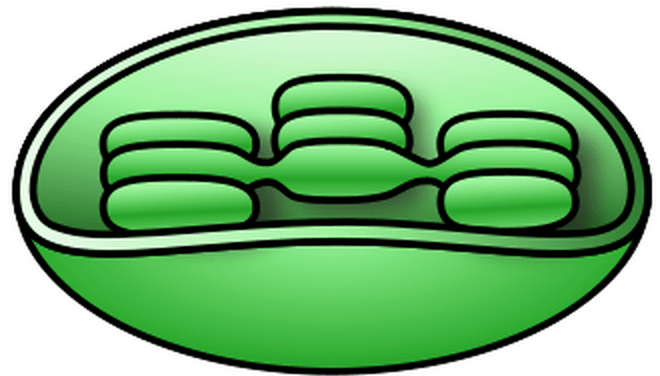


I store water in both plant and animal cells but I am larger in plant cells. What am I?
Which organelle is found in both animal cells and plant cells?
Chloroplast
Cell Wall
Mitochondria
Was the first person to see cells by looking at cork under a microscope and gave them their name
Hooke
Leeuwenhoek
Virchow
Schleiden
Proposed that all cells come from other cells
Leeuwenhoek
Schleiden
Schwann
Virchow
Said that all plants are made of cells
Hooke
Virchow
Schleiden
Schwann
Said that all animals are made of cells
Hooke
Virchow
Schleiden
Schwann
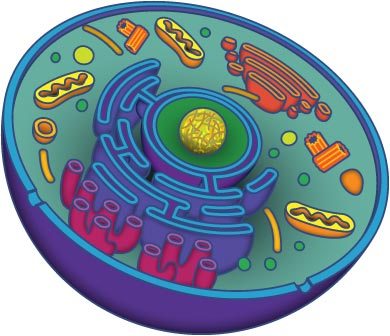
All living things are made up of...
cells
tissues
organ
organ systems
All cells -----
come from other dead cells
come from other living cells
crystallize out of the air

