
Font size
 Worksheets
Sport nutrition and diet planning
Total questions: 19
Worksheet time: 16mins
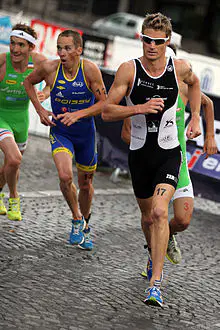
Which of these is a nutritional recommendation for an aerobic sport?
Donner kebabs.
Saturated fats the day before.
Protein during the event.
Complex carbohydrates the day before an event.
When would you require a caloric deficit?
If an athlete needs to gain weight.
If an athlete needs to lose weight.
If an athlete wants to maintain weight.
If an athlete needs to hydrate
Your body only uses fat when sleeping – when it has time to get the energy.
True
False

What type of drink is this?
Hypotonic
Isotonic
Hypertonic
Water
Being dizzy, nauseous weak are effects of
Hyperhydration
Hydration
Dehydration
Fatigue
How many areas of a balanced diet are there?
4
5
6
7
Where do you get vitamin C from and What's it's advantage?
Strengthening Bones and Teeth
Citrus type fruits
Bananas, Carrots, Onions
Increased collagen and healthy immune system
Fat helps absorb vitamin A, vitamin D, vitamin E and vitamin K.
True
False
What is the role of protein in the body?
Provides energy
Helps in digestion
Builds and repairs tissues
Regulates body temperature
Which of the following snacks is a good source of both carbohydrates and proteins for pre-exercise fueling?
Chocolate Milk
Greek yoghurt with berries
Pretzels
Crisps
Vitamin _ is crucial for bone health and may be obtained from dairy products, fortified plant-based milk, and exposure to sunlight.
(a)
Which of these is a mineral for muscle contractions and is often found in bananas, oranges, and leafy green vegetables.
Iron
Sodium
Potassium
Iodine
Protein is composed of (a) acids, some of which the body cannot produce on its own and must be obtained from the diet.
What is the recommended protein intake for athletes engaged in regular intense weight training?
0.5g per kg of BW
1.5g per kg of BW
3g per kg of BW
5g per kg of BW
What is the primary function of caffeine in sports nutrition?
Hydration
Reduce soreness
Enhance focus and alertness
Boost muscle building
Which type of fat is generally considered heart-healthy and is found in olive oil, avocados, and nuts?
Saturated fat
Trans fat
Cooking fat
Unsaturated fat
What is the primary role of carbohydrates in recovery nutrition immediately after exercise?
Help muscle soreness
Replenish glycogen stores
Support joint health
Boost immunity
Athletes engaging in high-intensity interval training (HIIT) may benefit from supplementing with which compound known for its role in energy production?
Coenzyme Q10
Carnitine
Creatine
Alpha-lipoic acid
In sports nutrition, macronutrients—carbohydrates, proteins, and fats—are important for optimising performance. Carbohydrates serve as the primary energy source, crucial for high-intensity and endurance activities. Athletes benefit from consuming complex carbohydrates like whole grains and fruits.
Proteins are essential for muscle repair and growth, making them crucial for those engaged in strength training or resistance exercises. Sources such as lean meats, dairy, and plant-based proteins are valuable in meeting these requirements.
Fats, serve as a secondary energy source, particularly important for endurance athletes. Healthy fats found in avocados, nuts, and olive oil contribute to overall energy availability and help maintain cellular structure.
Balancing these macronutrients, alongside proper hydration, is key to a well-rounded sports nutrition plan. Athletes must tailor their dietary choices to their specific training goals and activity levels for optimal performance.
What are the three main macronutrients discussed in the passage?
Vitamins, minerals, and fibre
Carbohydrates, proteins, and fats
Sugars, amino acids, and antioxidants
Water, electrolytes, and vitamins
According to the passage, what is the primary role of carbohydrates in sports nutrition?
Energy source
Muscle repair
Cellular structure
Resistance training
What type of carbohydrates are recommended for athletes engaged in high-intensity and endurance activities?
Simple sugars
Refined grains
Complex Carbohydrates
Saturated fats
Why are proteins important for athletes involved in strength training or resistance exercises?
They support muscle repair and growth.
They provide quick energy.
They enhance endurance.
They help with hydration.
According to the passage, what is the role of fats in sports nutrition, especially for endurance athletes?
Energy source
Muscle repair
Immune system support
Electrolyte balance

