
NEW
Font size
 Worksheets
Mechanisms of Evolution Quiz
Total questions: 29
Worksheet time: 58mins
What does it mean for a population to be in Hardy-Weinberg equilibrium?
The population is not evolving for at least some of its genes
The population is not evolving and allele frequencies will stay the same across generations
The population is evolving rapidly
The population is not evolving for all of its genes
What are the conditions required for a population to be in Hardy-Weinberg equilibrium?
High mutation rate, non-random mating, gene flow, small population size, natural selection
No mutation, random mating, gene flow, infinite population size, no natural selection
High mutation rate, random mating, gene flow, large population size, natural selection
No mutation, non-random mating, gene flow, small population size, natural selection
What is the essence of Hardy-Weinberg equilibrium?
A change in genotype frequencies in a population over time
A change in allele frequencies in a population over time
A state where allele and genotype frequencies change from one generation to the next
A state where allele and genotype frequencies stay the same over generations
What is the impact of mutation on allele frequencies from one generation to the next?
Mutation has a small impact on allele frequencies
Mutation has no impact on allele frequencies
Mutation has a large impact on allele frequencies
Mutation only impacts genotype frequencies
What is non-random mating and its effect on allele frequencies?
Non-random mating involves organisms mating randomly with each other
Non-random mating involves organisms preferring to mate with others of the same genotype
Non-random mating involves organisms preferring to mate with others of different genotypes
Non-random mating has no effect on allele frequencies
What is gene flow and its impact on allele frequencies?
Gene flow involves the movement of genes out of a population and has a large impact on allele frequencies
Gene flow involves the movement of genes into or out of a population and has no impact on allele frequencies
Gene flow involves the movement of genes into or out of a population and can be a strong agent of evolution
Gene flow involves the movement of genes into a population and has a small impact on allele frequencies
What is genetic drift and its effect on allele frequencies?
Genetic drift involves changes in allele frequency due to chance events and has a stronger effect on large populations
Genetic drift involves changes in allele frequency due to chance events and has a stronger effect on small populations
Genetic drift involves changes in genotype frequency due to chance events and has a stronger effect on small populations
Genetic drift involves changes in genotype frequency due to chance events and has a stronger effect on large populations
Why do population geneticists check for Hardy-Weinberg equilibrium?
To determine if the population is in Hardy-Weinberg equilibrium for all of its genes
To understand the impact of natural selection on allele frequencies
To confirm that the population is evolving rapidly
To identify if the population's allele and genotype frequencies are changing over generations
Which mechanism of evolution refers to the changes in allele frequencies within a single population?
Natural selection
Genetic drift
Mutations
Gene flow
What is natural selection?
The process by which organisms that are most suited to their environment survive and reproduce most successfully
The process by which organisms randomly change their genetic material
The process by which organisms migrate to new populations
The process by which organisms undergo genetic mutations
Which of the following is an example of the bottleneck effect?
A population of organisms experiencing a dramatic reduction in size, resulting in a change in allele frequency
A small subgroup of a population migrating to a new area and changing allele frequencies
Changes in the genetic material of a cell leading to new alleles in a population
The movement of alleles from one population to another
What is gene flow?
The movement of alleles from one population to another
The process of genetic material changing in a cell
A random change in allele frequency caused by chance occurrences
The change in allele frequencies following a reduction in population size
Which mechanism of evolution involves the movement of alleles from one population to another?
Natural selection
Genetic drift
Mutations
Gene flow
What is the founder effect?
A change in allele frequencies as a result of the migration of a small subgroup of a population
A random change in allele frequency caused by chance occurrences
The change in allele frequencies following a reduction in population size
The process of genetic material changing in a cell
Which of the following is an example of the founder effect?
A small group of butterflies migrating to a new area and creating a new population
A population of organisms experiencing a dramatic reduction in size, resulting in a change in allele frequency
Changes in the genetic material of a cell leading to new alleles in a population
The movement of alleles from one population to another
Reindeer from a rancher in Alaska escape from their pen during an enormous snow storm. After their escape, they mate with wild caribou that are migrating across the land. The offspring of these have traits for short legs and have tame behavior.
Gene Flow
Genetic Drift
Non-Random Mating
Natural Selection
Males of the bighorn sheep species fight one another to show females who is the dominant male and are more likely to mate with females.
Natural Selection
Mutation
Genetic Drift
Non-Random Mating
During a hurricane, a population of beetles almost gets completely wiped out. The only beetles that survived were lucky that they were in their nest at the time of the hurricane and had enough food to survive.
Natural selection
Genetic Drift
Gene Flow
Non-Random Mating
Insects become resistant to pesticides very quickly, sometime in one generation. If an insect is resistant to the chemical, most of the offspring will also be resistant. Considering that insect generations can be a matter of weeks, insects in an area can become immune to a chemical within months.
Mutation
Natural Selection
Genetic Drift
Gene Flow
A chemical spill causes the offspring of ladybugs to have blue dots instead of black dots.
Natural Selection
Genetic Drift
Mutation
Gene Flow
A certain type of plant can produce blue or yellow flowers. During a fire, many yellow flowers are destroyed and now since blue is the dominant trait, the plant reproduces offspring that produce only blue flowers.
Non-Random Mating
Gene Flow
Mutation
Genetic Drift
This is the process that ultimately creates new variations and changes in DNA; leads to the creation of new alleles
Mutation
Microevolution
Natural selection
Gene flow / genetic drift

This makes an organism more suited to its environment
species
lifespan
adaptation
mutation
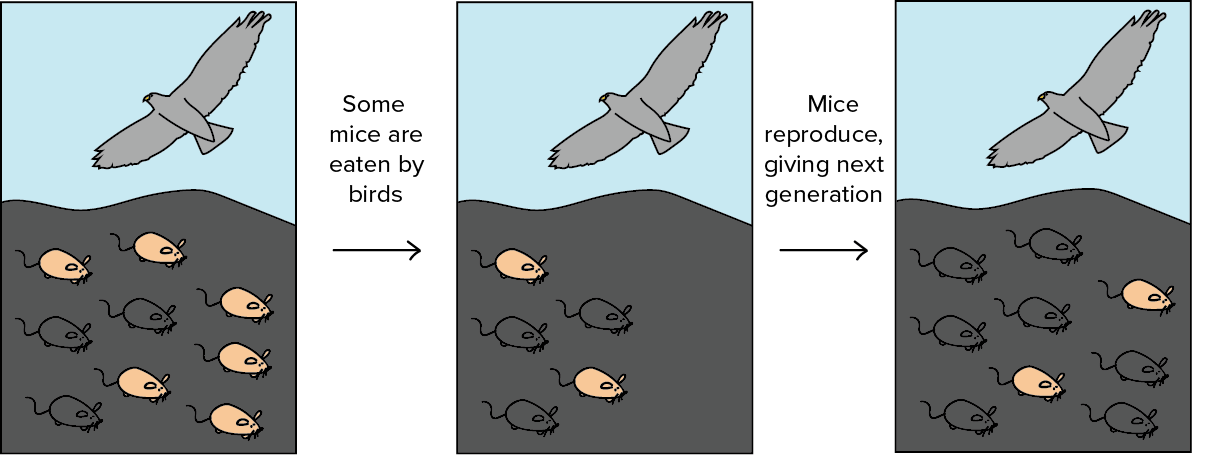
The light mice can reproduce more successfully than the dark mice
The hawks eat more dark mice than light mice because the dark mice taste better
The hawks eat more light mice than dark mice because they can see the light mice more easily
The hawks eat more dark mice than light mice because they can see the dark mice more easily
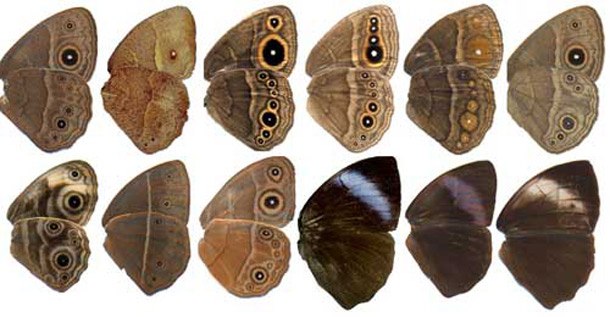
Natural Selection
Variation
Homeostasis
Extinction
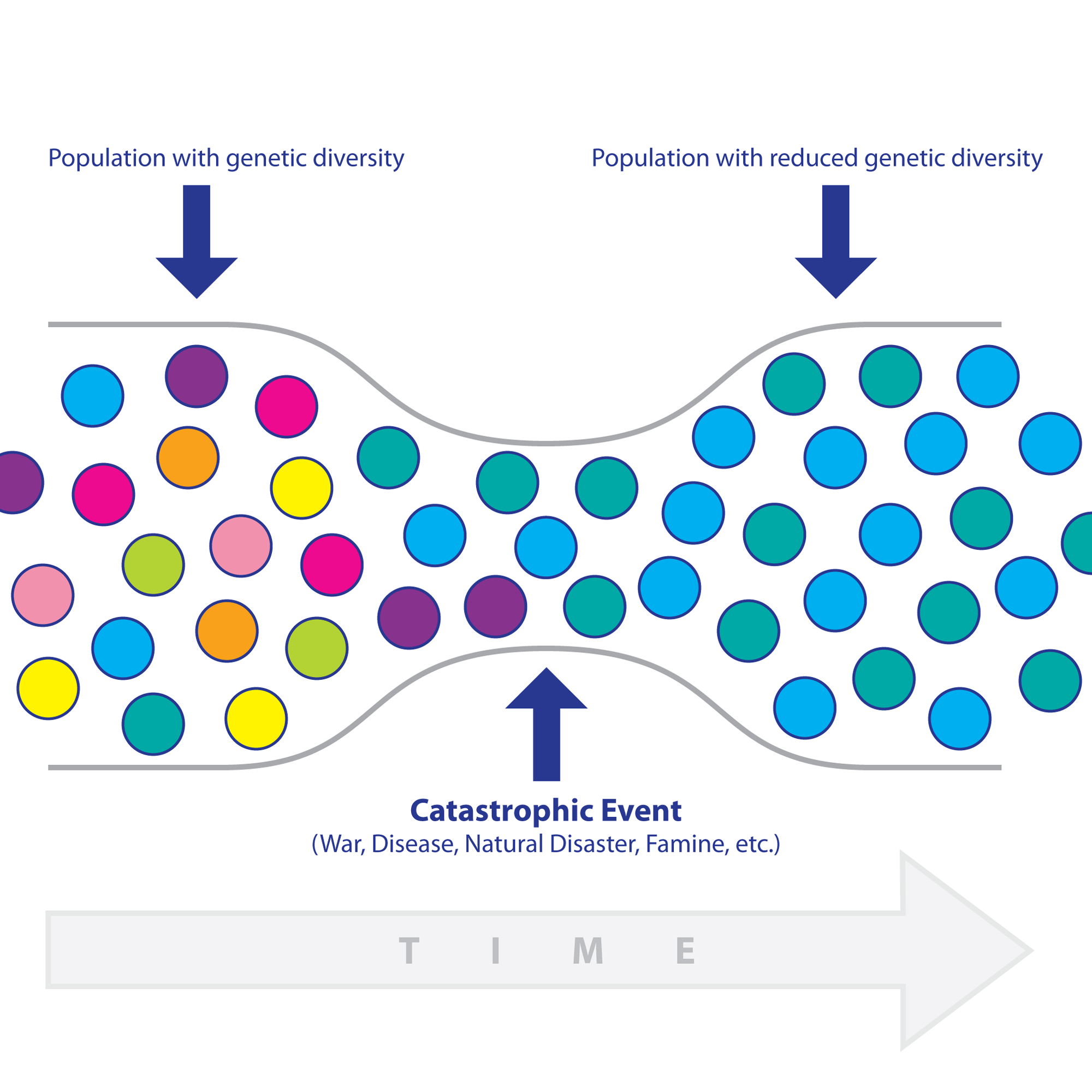
A drastic reduction in the size of a population that can change allele frequencies is called
the bottleneck effect
the founder effect
the gene flow effect
the Thanos effect
The Amish have a higher frequency of polydactyly (extra fingers) in their community than the general population. This is due to the allele for extra fingers being present in the group that started the Amish community.
The difference in allele frequency is due to genetic flow.
The difference in allele frequency is due to the founder effect.
The difference in allele frequency is due to a bottleneck.
The difference in allele frequency is due to speciation.
Why is it important to finish ALL of an antibiotic, even if you feel better?
If all of the infectious bacteria are not killed, the bacteria may continue to multiply. Some of these bacteria may have a mutation that makes them resistant to the antibiotic. This could cause resistant bacteria to spread.
If all of the antibiotic is not used, the surviving bacteria may learn how to fight off the antibiotic, causing the sickness to get even worse.
If all of the antibiotic is not used, the bacteria may begin ingesting your skin cells, causing a new sickness to arise.
If all of the antibiotic is not used, the surviving bacteria may cooperate with other infectious bacteria, resulting in two separate infections at the same time.

