
NEW
Font size
 Worksheets
Heart path
Total questions: 45
Worksheet time: 2hrs 24mins

Letter D is pointing to
Aorta
Right Pulmonary Artery
Superior Vena Cava
Pulmonary Trunk

Letter G is pointing to
Right atrium
Left Atrium
Right ventricle
Left ventricle

Which letter is pointing to the Apex?
H
I
E
B

What letter is pointing to the aortic arch?
D
K
C
B

Of the four chambers, which one carries deoxygenated blood?
F and J
F and A
A and G
J and G

Which letter is pointing to the tricuspid valve?
M
N
L
O
The mitral valve is another name for the
Aortic valve
Pulmonary valve
Tricuspid valve
Bicuspid valve
Which of the following carries blood TO the lungs?
pulmonary veins
pulmonary arteries
aorta
superior vena cava
The "semilunars" include
mitral and tricuspid
aortic and pulmonary
bicuspid and aortic
tricuspid and pulmonary
What large vessel takes blood to the bottom half of the body?
descending aorta
pulmonary arteries
ascending aorta
both vena cava
Which are larger, atria or ventricles?
atria
ventricles

Which of the following brings blood back to the heart from the lungs?
C
D and K
E
B

H is pointing to the
interatrial septum
interventricular septum
interpulmonary septum
atrioventricular septum

Structure B carries
oxygenated blood
deoxygenated blood

The aortic semilunar valve is letter
O
L
M
N
Prevention of backflow is the function of the
pulmonary arteries
valves
septums
vena cava
The circuit that delivers blood to the body is called
pulmonary
systemic

After dropping off oxygen to the body, blood will re-enter the heart through the
pulmonary veins
aorta
superior and inferior vena cava
pulmonary arteries
The aorta branches off into 3 vessels. Which of the following is NOT one of them?
left subclavian
coronary artery
brachiocephalic
left common carotid
Back flow into the left atrium would be caused by a faulty (not working properly) valve; which one?
aortic semilunar
pulmonary semilunar
tricuspid
bicuspid

Choose the correct sequence of blood flow
L. Atrium, Pulmonary Vein, R. Atrium, Aorta
R. Atrium, Pulmonary Vein, Aorta, Vena Cava
R. Ventricle, R. Atrium, Pulmonary Artery, Aorta
L. Ventricle, Vena Cava, L. Atrium, Aorta

__________ Must be strong and elastic in order to withstand higher blood pressure leaving the heart's ventricles.
Arteries
Capillaries
Veins
Venules
The ____________ carries blood throughout the body;
the ____________ carries blood only to and from the
lungs.
systemic circuit; pulmonary circuit
pulmonary circuit; systemic circuit
venous circulation; arterial circulation
arterial circulation; venous circulation
The myocardium is composed of:
An outer fibrous layer and an inner serous layer.
Cardiac muscle tissue.
A simple squamous epithelium and a layer of areolar connective tissue.
Blood from the systemic circuit returns directly into which
heart chamber?
left atrium.
Right auricle.
Left auricle.
Right atrium.
The pulmonary trunk carries blood from which heart chamber into the pulmonary circuit?
Left atrium.
Right atrium.
Left ventricle.
Right ventricle.
When closed, the left atrioventricular valve prevents backflow of blood into the:
Left ventricle.
Left atrium.
Right atrium.
Right ventricle.
Regardless of the heart chamber, contraction is called ____________ and relaxation, ____________.
Diastole, systole.
Systole, diastole.
Fibrillation, defibrillation.
Defibrillation, fibrillation.
Which vessels have thin walls and small diameters that facilitate rapid diffusion of gases and nutrients between blood and body tissues?
Capillaries.
Arterioles.
Venules.
All of the above.
The valves between the ventricles and the arteries are called:
Atrioventricular valves.
Mitral valves.
Semilunar valves.
All of them.

What is the most muscular chamber of the heart?
left ventricle
left atrium
right atrium
right ventricle
In the walls of the heart, there are two thin layers around a thick layer of muscle called the
epithelial tissue.
pericardium.
connective tissue.
myocardium.
The heart layer that keeps blood from sticking to the inside of the heart made up of squamous epithelial cells
endocardium
pericardium
myocardium
epicardium
Pericardium is a serous membrane it has two layers. The parietal layers of the membranes line the walls of the body cavity. The inner visceral layer covers organ (viscera).
True
False
Artery
A valve in the heart that guards the opening between the left atrium and the left ventricle; prevents the blood in the ventricle from returning to the atrium. Alternative name is bicuspid valve.
A vein that is the largest vein in the human body and returns blood to the right atrium of the heart from bodily parts below the diaphragm.
The body structure that temporarily closes a passage or orifice, or permits movement of fluid in only one direction.
Any of the tubular, branching, muscular, and elastic-walled vessels that carry blood from the heart through the body.
The type of blood vessel that normally carries de-oxygenated blood back to the heart from body cells?
arteries
capillaries
veins
The type of blood vessel where exchange of gases, nutrients, and wastes occurs?
arteries
capillaries
veins

An abnormal widening/ballooning of a portion of an artery.
aneurysm
embolism
thrombosis
atherosclerosis
A blood clot that travels through the circulatory system and eventually becomes lodged within a blood vessel?
aneurysm
embolism
thrombosis
atherosclerosis
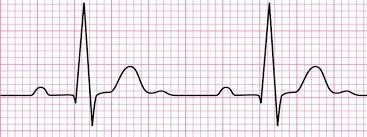
Type of device that measures the electrical currents created by the SA and AV nodes?
AED
MRI
ECG
CAT Scan

Which choice below correctly identifies the layers of the heart from the most outer layer to the most inner layer?
epicardium, myocardium, endocardium
endocardium, myocardium, epicardium
myocardium, endocardium, epicardium
myocardium, epicardium, endocardium
The sac that surrounds and protects the heart?
endocardium
epicardium
myocardium
pericardium

