
Font size
 Worksheets
Cell Processes Quiz
Total questions: 20
Worksheet time: 20mins
Cellular respiration and photosynthesis are considered to be....
the same equation
opposites of one another
unique in every way
not important at all!
What are the products of photosynthesis?
Carbon Dioxide
Glucose
Water
Oxygen
____ energy goes into photosynthesis and ____ energy goes into cellular respiration.
Chemical / Light
Light / Kinetic
Chemical / Thermal
Light / Chemical
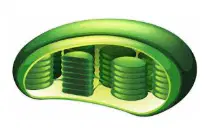
What are the products of the reaction that takes place in this organelle?
Water & Carbon Dioxide
Glucose & Oxygen
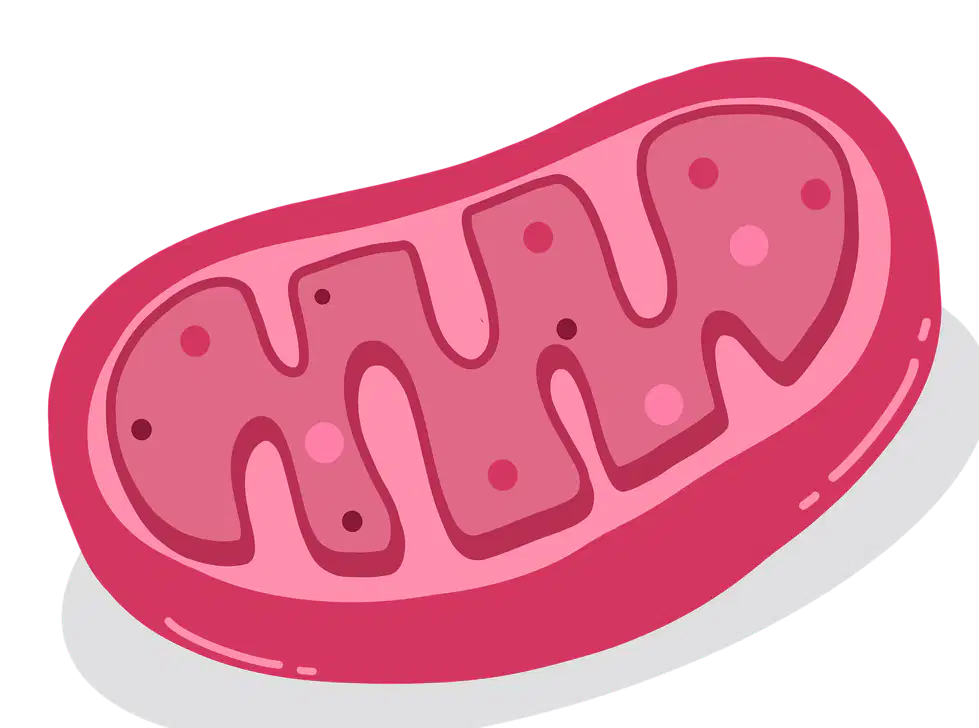
What are the products of the reaction that takes place in this organelle?
Water & Carbon Dioxide
Glucose & Oxygen

What do enzymes do?
Build things up or break them down
Help filter waste from the body
Create environments where food can be eaten
Add and remove water

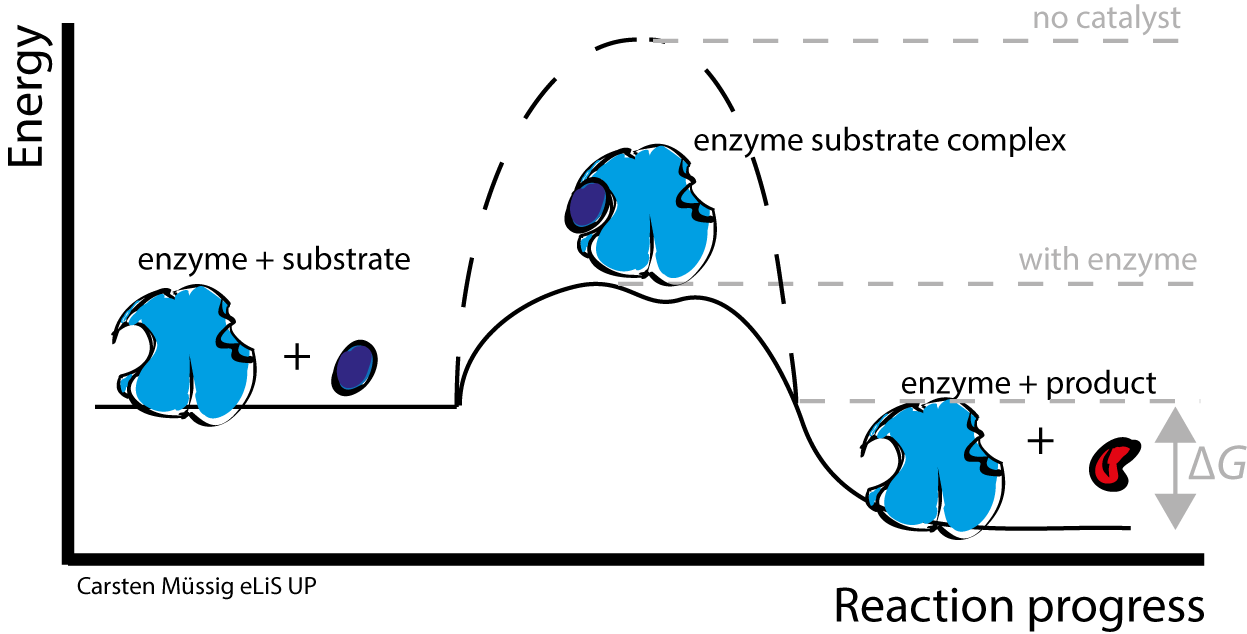
In the diagram, what is letter A?
product
enzyme-substrate complex
substrate
active site

Letter D...
enzyme
active site
substrate
products

Letter B...
substrate
active site
enzyme
products
Enzymes are specific. This means that an enzyme only works with molecules that are....
the right size and shape
broken down already
present in water
too big for the body to handle
What happens when enzymes are heated to a high temperature?
The enzymes die.
The shape of the enzyme are changed and it denatures
The enzymes' amino acid sequence changes.
The enzymes remain the same
Which type of biological macromolecule is the main component of the plasma membrane?
carbohydrate
lipid
protein
nucleic acid
The type of cellular transport that requires energy.
Diffusion
Osmosis
Active Transport
Facilitated Diffusion


Some cells move large particles out of the cell through the process of:
Protein Synthesis
Endocytosis
Exocytosis
Cytoplasmic Streaming

The yellow and brown portion of this image is:
protein
phopholipid
carbohydrate
cholesterol
The purple regions of the image represent:
phospholipid
cholesterol
proteins
carbohydrates

