
 Worksheets
Active Methodologies Quiz
Total questions: 10
Worksheet time: 10mins
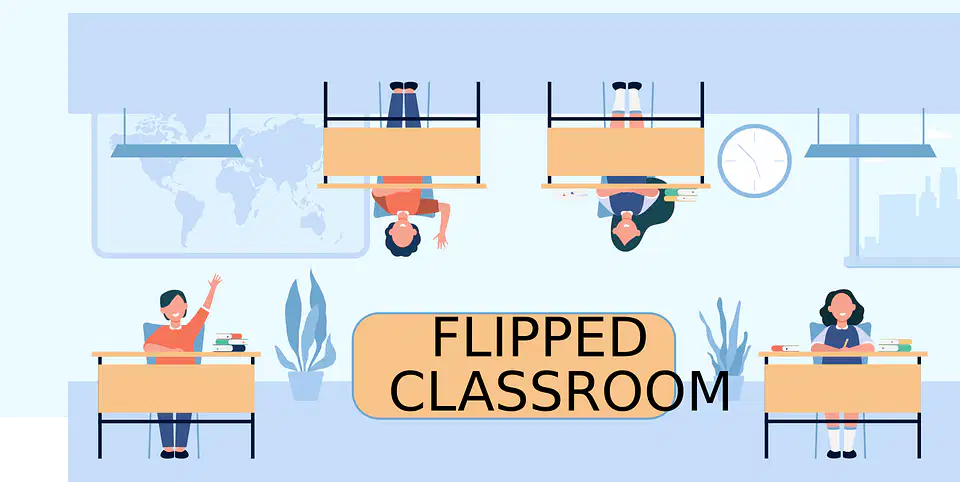
What is the main characteristic of a flipped classroom?
Students don't engage in any activities in the classroom.
Students learn new content at home and engage in activities in the classroom.
Students learn new content at school and engage in activities at home.
Students don't learn new content at home.
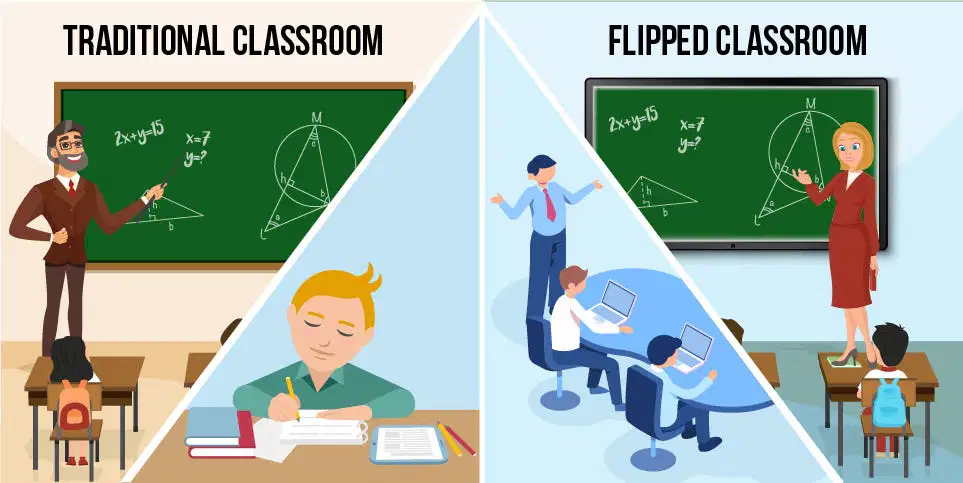
How does a flipped classroom differ from traditional teaching methods?
In a flipped classroom, students learn new content in class and do exercises at home.
In a flipped classroom, students don't learn anything at home and only have discussions in class.
In a flipped classroom, students have no discussions and only learn new content at home.
In a flipped classroom, students learn new content at home and use class time for discussions and exercises.
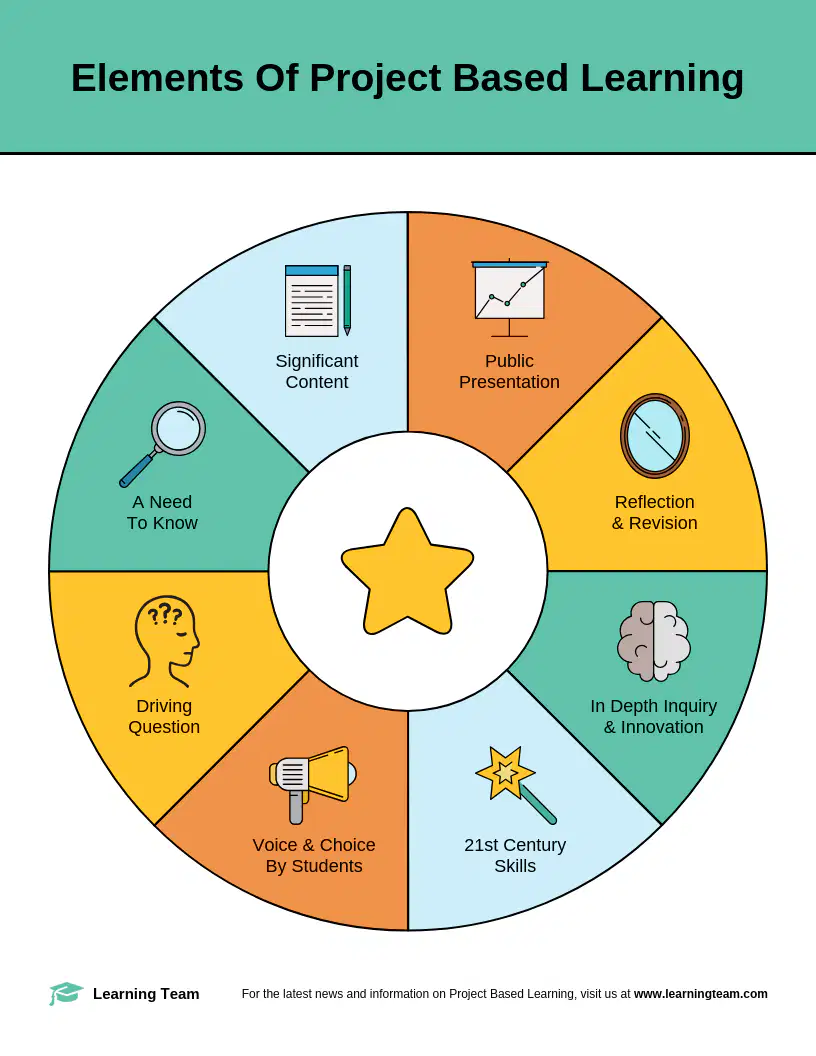
What is the primary goal of project-based learning?
To encourage students to memorize facts and figures.
To discourage critical thinking and problem-solving.
To limit collaboration and teamwork.
To engage students in real-world, meaningful tasks that require critical thinking, problem-solving, and collaboration.
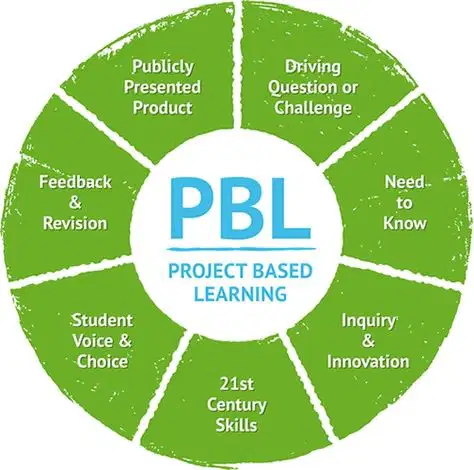
How does project-based learning promote student engagement?
By giving students more homework and tests
By allowing students to work on real-world problems, collaborate with peers, and take ownership of their learning.
By limiting students' creativity and independence
By discouraging students from working with their peers

What is the key principle of cooperative learning?
Encouraging students to work together in small groups.
Discouraging interaction between students.
Encouraging competition among students.
Forcing students to work alone.

How does cooperative learning benefit students' social skills?
Cooperative learning encourages communication and collaboration among students, leading to the development of their social skills.
Cooperative learning only benefits academic skills, not social skills.
Cooperative learning leads to increased competition among students, hindering social skills development.
Cooperative learning has no impact on students' social skills.
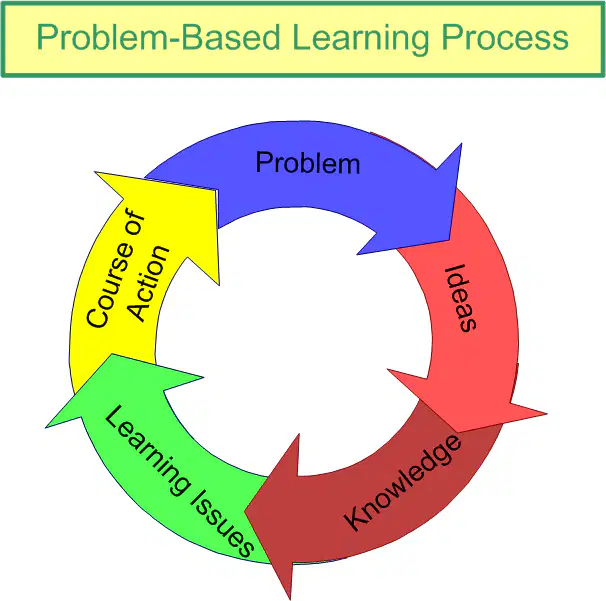
What is the central focus of problem-based learning?
Lecture-based instruction.
Memorization and rote learning.
Problem-solving and inquiry-based learning.
Multiple-choice testing.

How does problem-based learning encourage critical thinking?
By giving students all the answers to the problems.
By discouraging students from asking questions.
By providing students with multiple-choice questions.
By presenting students with real-world problems that require analysis, evaluation, and synthesis of information to develop solutions.
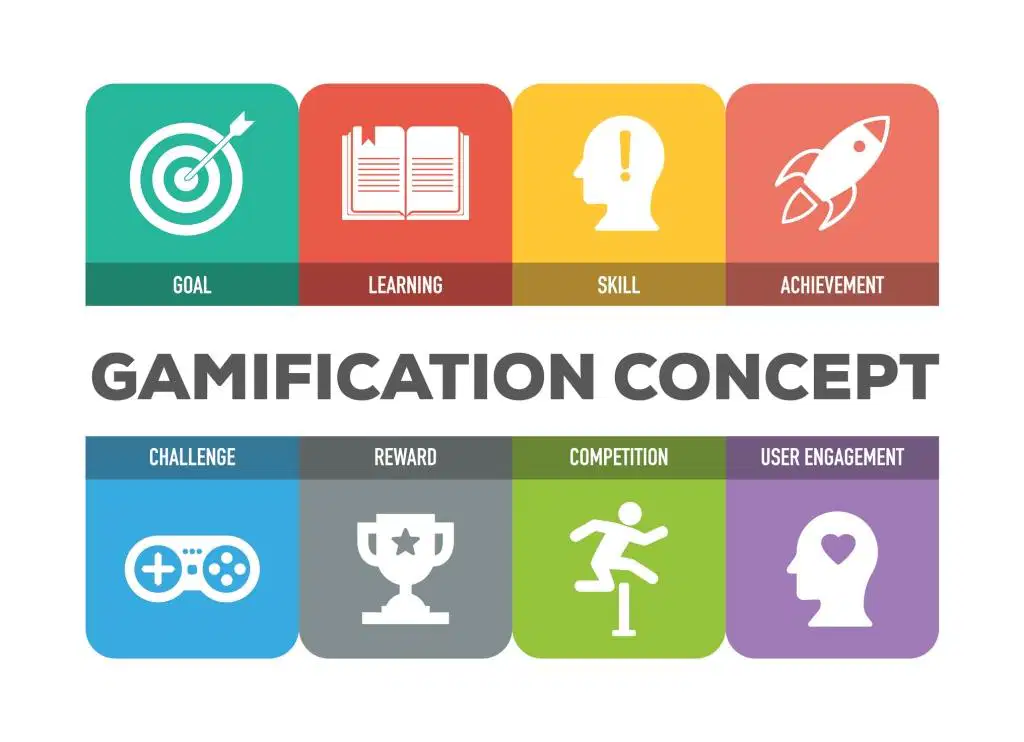
What is the purpose of gamification in education?
To make learning more boring and uninteresting.
To discourage student participation.
To increase student engagement, motivation, and participation.
To decrease student engagement and motivation.

How does gamification enhance student motivation and learning outcomes?
By reducing the amount of feedback given to students.
By increasing the length of the school day.
By eliminating all forms of competition in the classroom.
By using game design elements and principles in educational settings to engage and motivate students.

