
 Worksheets
Unit 4 Human Impact Study Guide
Total questions: 94
Worksheet time: 1hrs 17mins
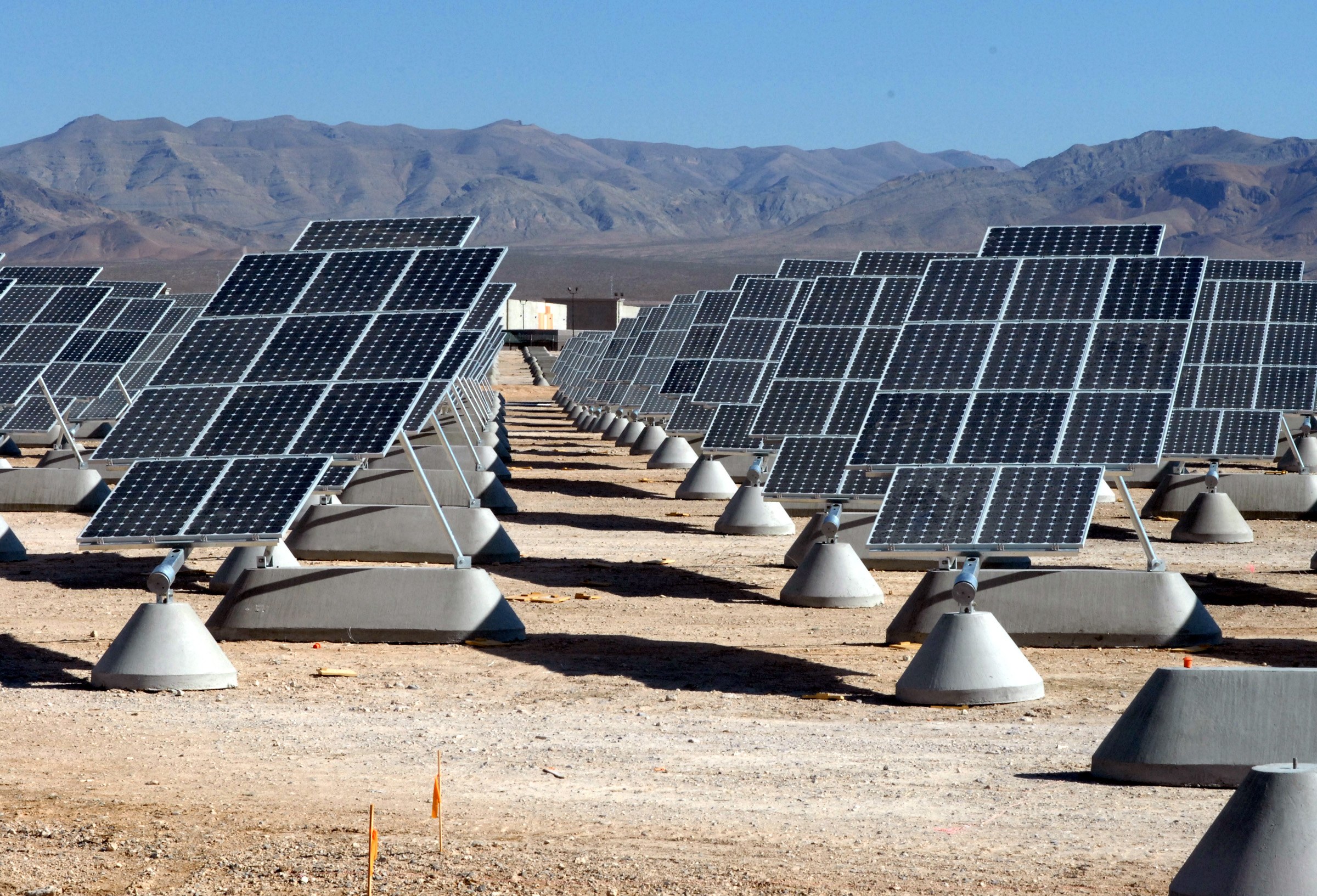
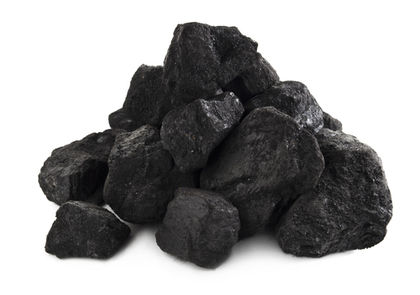
A large power plant burns coal to generate electricity for nearby homes and businesses.
This contributes most directly to which long-term human-induced environmental change?
wildlife hazard
global warming
eutrophication
habitat destruction
Which of the following are examples of short-term, human-induced environmental changes? Select three answer choices.
global warming
pollution
deforestation
mass extinction
ozone layer destruction
Which statements describe global warming? Select two answer choices.
Global warming occurs naturally.
Global warming is likely increased by humans.
Global warming can be decreased through deforestation.
Global warming results from the buildup of nutrients in runoff.
Global warming is enhanced by nonnative species.
Which situation is an example of nonnative species introduction?
Water hyacinths from Asia now grow in the United States and are crowding out animals and other plants.
Horseshoe crabs in the waters of Virginia have been overfished, and their numbers have declined.
A huge volcanic eruption in Washington destroyed many habitats.
A large oil spill in the Gulf of Mexico killed many organisms that lived there.
True or False: Bromine and Chlorine are major contributors to ozone layer destruction.
True
False
Which of the following shows the order of events that scientists believe will likely lead to the disappearance of many species?
increase in human population, increase in short-term human-induced changes, ozone layer destruction
increase in human population, increase in short-term human-induced changes, mass extinction
increase in short-term human-induced changes, increase in human population, mass extinction
increase in short-term human-induced changes, increase in human population, ozone layer destruction
Which statements describe a human-created mass extinction? Select three correct choices.
It results from the disappearance of entire species in a short time.
It is caused by the growth of the human population.
It is a type of long-term change.
It is a type of short-term change.
It is caused by a decrease in the introduction of nonnative species.
Human-induced environmental changes can affect living things at which level(s)?
organisms, populations, and species
species only
organisms and populations only
organisms only
Which of these organisms have been negatively affected at the species level due to human-induced environmental changes?
Caribbean monk seals and dodo birds
zebra mussels and Caribbean monk seals
kudzu and dodo birds
zebra mussels and kudzu
Which statement best explains how deforestation affects organisms?
It increases the amount of carbon dioxide in the air, enhancing global warming.
It reduces the amount of carbon dioxide in the air, enhancing global warming.
It reduces the amount of carbon dioxide in the air, enhancing ozone layer destruction.
It increases the amount of carbon dioxide in the air, enhancing ozone layer destruction.
Which situation is an example of a human-induced environmental change affecting a population?
Blue jays no longer live in a forest because the trees in the forest were cut down.
A volcanic eruption killed grasses that were growing within a few miles of the volcano.
Floods from a storm forced many white-tailed deer to move to a new habitat.
A fisher caught a few different species of fish that live in an ocean habitat.
Which of the following are effects of environmental change on populations?
a decrease in resources and loss of habitat
speciation and extinction
loss of habitat and impacts on growth and development
speciation and a decrease in resources
Which of the following are effects of environmental change on an entire species?
extinction and change in species competition
species competition and individual deaths
impacts on growth and development and losses of habitats
individual deaths and impacts on growth and development
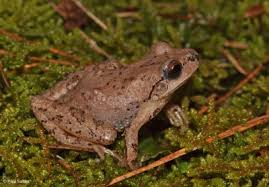


Everyone should try to reduce their ...
carbon footprint
solar footprint
pylon footprint
global footprint
Deforestation causes an increase in atmospheric carbon dioxide
true
false
Which of the following is NOT a direct result of deforestation?
Soil erosion
Increase in nitrogen
Destruction of habitats
Increase in carbon dioxide
Which of the following does NOT increase the amount of nitrogen in the ecosystem?
fertilizers used in agriculture
grazing livestock
burning fossil fuels
decomposing plants and animals
Although nitrogen gas makes up about 79% of Earth's atmosphere, most living things cannot use nitrogen in its gaseous form. Which of the following convert nitrogen into a usable form?
lightning
bacteria that live on the roots of plants
acid rain
fertilizer used in agriculture
Which of the following is an environmental impact of urban sprawl?
habitat destruction
loss of farmland
increase in runoff
all of the above
What two trends increased the need for more highways?
increase in urban sprawl, increase in technology
increase in urban sprawl, increase in vehicle use
increase in pollution, increase in technology
increase in vehicle use, increase in pollution
Which of the following preventative measures are taken to prevent landfills from polluting soil and groundwater supplies?
The bottom and sides of the landfills are lined with clay or plastic liners
All trash in the landfill is burned at high temperatures to prevent runoff
Trees are planted around the landfills to absorb any pollution
none of the above
Why is it important to prevent pollutants from seeping into the groundwater? Choose the BEST answer.
Groundwater is used to water agriculture, so preventing pollutants from entering groundwater gives people clean food.
Groundwater is used as a source for drinking water, so preventing pollutants from entering groundwater helps to protect people's health.
Groundwater is used as a source for drinking water for livestock, so preventing pollutants from entering groundwater helps to keep the livestock healthy and provide people with healthy food.
Groundwater is used as a cleaning compound, so preventing pollutants from entering groundwater helps to keep the environment clean.
Most water in the United States is used by
Irrigation of agricultural crops
Power Plants
Public Supply (including houses)
Industry
Which of the following is NOT an example of point-source pollution?
discharge pipe releasing industrial waste into a river
runoff from a mining operation
runoff from urban development
oil spilling from a tanker
Which of the following statements is FALSE regarding water pollution?
International cooperation is not necessary when it comes to managing water pollution.
Once pollution enters water, it is difficult to remove.
The United States has laws to help maintain water quality.
Water pollution can be reduced simply by reducing water use.
What does the Clean Water Act regulate?
the amount of harmful chemicals used by households
sources of water pollution, including sewage systems
protects supplies of drinking water throughout the country
rivers and streams in urban areas
Which of the following are actions that can prevent water pollution?
Reduce use of harmful chemicals
Dispose of waste safely
Conserve Water
all of the above
All of the following are sources of air pollution EXCEPT
acid precipitation
smog
greenhouse effect
particulate matter
Just days before the 2008 Summer Olympics in Beijing were set to begin, thick smog filled the city. The poor air quality threatened to delay outdoor endurance events, such as the marathon. Smog might be a problem in many parts of China because
The water supply in China is limited.
China uses many coal-fired power plants, and many of these plants do not have adequate pollution controls.
The sun shines more in China causing large amounts of photochemical smog to occur.
There are very few trees in China.
CFC's, or chlorofluorocarbons, are chemicals that for many years were commonly used as refrigerants. When these chemicals are released into the atmosphere, they
add carbon to the carbon cycle
create pollution that contributes to the formation of smog
destroy atmospheric ozone
convert atmospheric nitrogen to a usable form
Which part of the carbon cycle removes carbon from the atmosphere?
decaying organisms
photosynthetic organisms
burning fossil fuels and wood
the process of cellular respiration
Some pollutants, such as smoke from forest fires, are easily seen. Other pollutants such as carbon monoxide, are invisible. How can people know when levels of air pollution are high?
Clean Air Act
Air Quality Index
Air Pollution Probe
Doppler Radar
All of the following are considered greenhouse gases EXCEPT
sulfur
nitrous oxide
methane
carbon dioxide
An increased concentration of carbon dioxide in the atmosphere can lead to
an increase in fossil fuels.
an increase in skin cancer rates.
a decrease in greenhouse gases
an increase in Earth's average surface temperature.
Which is NOT a possible health effect of exposure to air pollution?
chest tightness
eye irritation
increased lung function
shortness of breath
Which has a positive impact on land?
composting
deforestation
mining
urban sprawl
A brown smog formed with the aid of light is _____ smog.
nitrogen
natural gas
photochemical
carbon
A cause of acid rain is _____.
the exhaust from cars
emissions from coal-burning power plants
moisture in the air
all of the above
A measure of the strength of acid rain can be given using _____.
an acid
a base
all of the above
a pH scale
A way for INDIVIDUAL citizens to improve air quality is to _____.
reduce industrial pollution
take more showers
burn trash
use public transportation
What is affected by the use of products containing CFCs?
the ozone layer
respiratory health
the pH of the soil
all of the above
The removal of large areas of forests for human purposes.
deforestation
reforestation
desertification
reclamation
The largest number of individuals of a given species that Earth's resources can support and maintain for a long period of time.
population explosion
carrying capacity
urban sprawl
population
The development of land for houses and other buildings near a city.
population
carrying capacity
reclamation
urban sprawl
All the members of a species living in a given area
urban sprawl
carrying capacity
population
species
The process of restoring land disturbed by mining.
reclamation
desertification
deforestation
reforestation
The development of desert like conditions due to human activities and/or climate change
reclamation
desertification
deforestation
reforestation
Describes the sudden rise in human population that has happened in recent history.
population explosion
carrying capacity
urban sprawl
population
Involves planting trees to replace trees that have been cut or burned down.
reclamation
desertification
deforestation
reforestation
Natural resources are saved, and damage to the environment is reduced by reducing, reusing, and ______.
recycling
species
composting
population
When forests disappear, ______ may also disappear.
recycling
species
composting
population
The term ______ means piling up grass and leaves so they can decompose.
recycling
species
composting
population
As human population increases....
consumption of natural resources decreases
consumption of natural resources increases
What percentage of the Earth's water is fresh water that can be used for drinking, cooking, bathing, etc?
2-3%
97%
70%
100%

What conclusion can you draw based on the chart located here?
Plastic accounts for most of the trash in our oceans.
Rubber accounts for most of the trash in our oceans.
There is more cloth debris than glass debris in our oceans.
Metal accounts for 3% of the debris in our oceans.
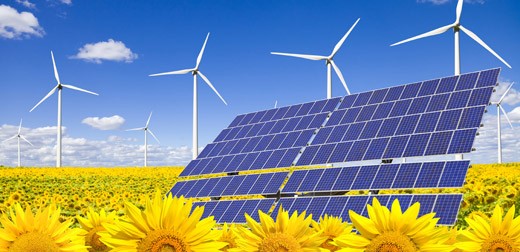
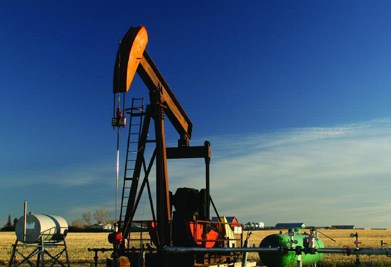
Which renewable resource can be used in place of oil. Mark all that apply.
water
wind
solar
natural gas
In the case study we explored about air pollution in Los Angeles, we learned how pollution was __________ as a result of the _________ efforts.
minimized, EPA
monitored, Operation Beach Clean Up
maximized, EPA
minimized, population
All human impacts on the environment are negative.
True
False
Which evidence below does NOT support that recycling should be required.
85% of litter in the ocean is plastic
Orange peels take .5 year to degrade.
Plastic items including diapers, fishing line, and plastic bottles take hundreds of years to degrade.
Litter accumulates in the ocean causing harm to marine life.
Deforestation can lead to which negative impact below?
More homes being built for families moving into an area.
Extinction of species of animals/ or plants.
Create jobs to help clear the land.
Building a new school for children in the area.
Which below can help to ensure the Earth is sustainable for future generations?
Conservation of water
Using biofuel
Recycling plastic
All of the above
The natural resources here on Earth can sustain ____ people, yet there are ____ people currently living on Earth.
8 billion, 2 billion
2 billion, 8 billion
1 billion, 10 billion
2 billion, 10 billion
In the 1800s rabbits were introduced for the first time into Australia. Here they had no natural predators and a plentiful food supply. What happened several years after the rabbit was introduced into Australia?
The rabbits began to overpopulate greatly.
Populations of animals competing with rabbits grew.
The rabbit population declined sharply.
New rabbit predators evolved.
The design of air conditioners and aerosol cans has been changed in the last few years in an attempt to reverse which ecological problem?
deforestation
freshwater pollution
hole in the ozone layer
acid rain
Poisons such as DDT build up in lakes and streams due to runoff. Then they enter the food chain. Once in living organisms, the poisons are not broken down and their concentrations increase as they are passed along the food chain.
Which term best describes this ecological phenomenon?
global warming
loss of biodiversity
biological magnification
loss of genetic diversity
Succession is the natural replacement of species that takes place in an area over time.
What is the major difference between primary and secondary succession?
Primary succession happens much faster than secondary succession.
Primary succession begins on bare rock, while secondary starts on soil.
Primary succession occurs after a minor disturbance, while secondary occurs after a major disturbance.
Primary succession is the new growth of grasses, and secondary succession is the new growth of trees.
Which of the following best describes the term biological magnification?
The buildup of non-biodegradable chemicals in consumers as they are passed up the food chain
When members of a crowded population are at odds for food, water, space, and other resources
Using the earth's resources more carefully, and preserving and restoring natural habitats
When food, water, and space are limited, causing carrying capacity to be reached
Which of the following events would start the process of secondary succession?
A volcano erupts, spewing out lava.
A glacier slides across the land.
Lightning starts a large forest fire.
A new island forms in the ocean.
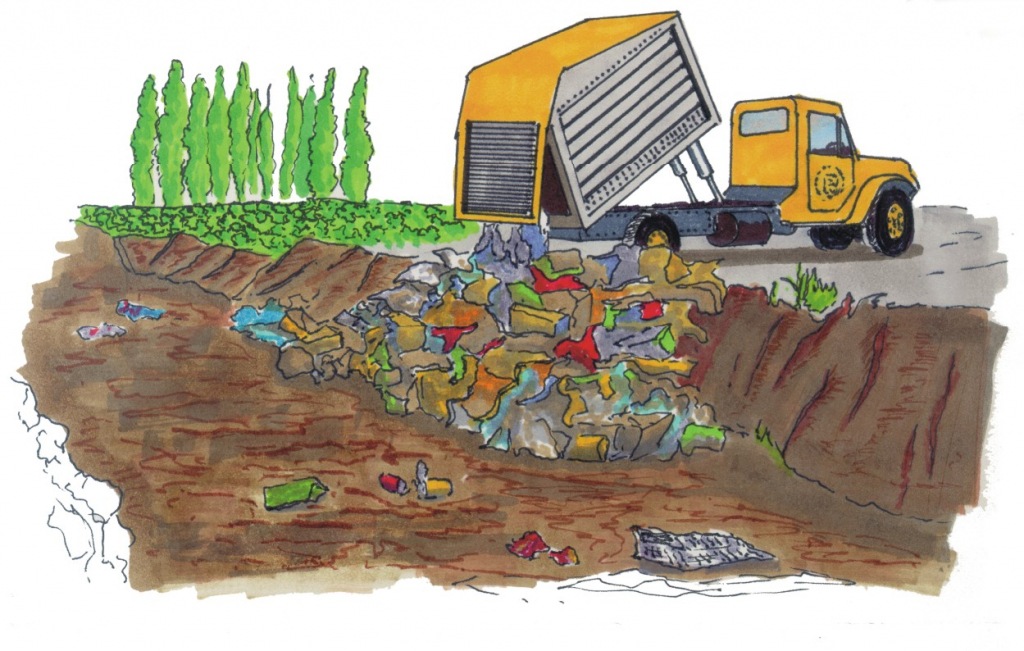
How can land pollution harm the environment?
It can release greenhouse gases
It can destroy the habitats of animals
It can allow for harmful chemicals to enter the soil
All of the above

What is it called when manufacturers take trash and turn it into new products?
Composting
Recycling
Biodegrading
An organism (plant, animal, fungus, or bacterium) that is not native and has a negative effect on an ecosystem.
deforestation
climate change
global warming
invasive species

