Worksheets
Review year 8
Total questions: 209
Worksheet time: 4hrs 42mins

What is this symbol?
Cell
Switch
Bulb
2 cell battery

What is this symbol?
Cell
Switch
Bulb
Resistor

What is this symbol?
Cell
Fuse
Bulb
Resistor

What is this symbol?
Switch
Fuse
Bulb
Resistor

What is this symbol?
Switch
Fuse
Variable resistor
Resistor

What is this symbol?
Switch
Fuse
Buzzer
Cell

What is this symbol?
Switch
Fuse
Bulb
2 cell battery

What is this symbol?
Switch
Fuse
Bulb
Buzzer

This switch is open.
True
False
If the switch is open in a circuit, then...
...electricity will flow.
....electricity will NOT flow.

When the second bulb is added, they get
brighter
dimmer
broken
cold
What is the measuring device shown?
bulb
cell
ammeter
voltmeter
What can you say about the current in the series circuit?
it splits across the components
it changes constantly
it is different in different places
it is the same everywhere
Which component provides the energy for the charges?
cell
bulb
switch
ammeter
If the ammeter says the current is 5A, what is the current flowing through one bulb?
2.5A
10A
5A
0
If one bulb was broken, what would happen?
current would no longer flow, so everything would be off
the ammeter would measure a current from the other bulb
the switch would keep the current flowing
the cell would burn out and catch fire
What is the name of the device which measures current?
(a)
Current is measured in
Volts
Watts
Seconds
Amps
If the switch was opened, what would happen?
the ammeter would measure a current flowing
current would no longer flow, so everything would be off
the bulbs would stay on because they're connected to the cell
the bulbs would burn out and catch fire
Name the charged particle, which is part of an atom, that flows in a circuit
proton
electron
neutron
elepton
What causes a decrease in current?
Adding another bulb
increasing resistance
decreasing voltage from the supply
decreasing the resistance
If the current flowing through the cell is 2A, what is the ammeter reading?
5A
1A
6A
2A
What is the unit of measurement for resistance?
Voltage
Ampere
Watts
Ohms
Which one is a series circuit?


Which one is a parallel circuit?


What happens to the current in a series circuit?
The current stays the same
The current is added
The current is reduced
The current is split between the light bulbs
What happens to the current in a parallel circuit?
The current stays the same
The current is added
The current is reduced
The current is split between the light bulbs
What happens to the voltage in a series circuit?
The voltage stays the same
The voltage is added
The voltage is reduced
The voltage is split between the light bulbs
What happens to the voltage in a parallel circuit?
The voltage stays the same
The voltage is added
The voltage is reduced
The voltage is split between the light bulbs
What is resistor?
Electrical component that is specially made to have a specific resistance
The measure of the difference in how much energy the electrons receive to move around at different points in a circuit
The flow of electrical charges
The movement or presence of electrons
Why voltage is important?
Because it is the pressure that causes the electrons to move around in a circuit and make the current flow and make appliances work
To supply energy to be able to make the current flow in electric circuit and make appliances work
To control the resistance in the circuit
To reduce the current in the circuit
What is the unit used for voltage?
Ampere
Ohm
Volt
Meter
Which nutrient is used by your body for growth and repair?
carbohydrates
proteins
fats
vitamins and minerals
Which nutrient does our body use for releasing energy?
Proteins
vitamins and minerals
fibre
carbohydrates
Which nutrient helps prevents constipation
fats and oils
carbohydrates
proteins
fibre
What is the main purpose of the digestive system?
To pump blood
To breathe
To break down food and absorb nutrients
To see and hear
Which organ in the digestive system produces digestive juices to help break down food?
Stomach
Liver
Small intestine
All of the the named organs in this question
What is the name of the tube that carries food from your mouth to your stomach?
Trachea
Oesophagus / gullet
Small intestine
Large intestine
Which of these foods is a good source of calcium, important for strong bones and teeth?
Apples
Chicken
Milk
Popcorn
What is the name of the tiny, finger-like projections in the small intestine that absorb nutrients?
Taste buds
Villi
Alveoli
Pores
Which part of the digestive system absorbs most of the nutrients from digested food?
Stomach
Large intestine
Small intestine
Liver
Which nutrient is essential for the formation of red blood cells and carries oxygen throughout the body?
Fibre
Iron
Vitamin C
Calcium
Where does digestion begin in the human body?
Stomach
Small intestine
Large intestine
Mouth
Order the organs correctly to show which organs food passes through the digestive system
Mouth
Oesophagus / gullet
Stomach
Small Intestine
Large intestine
Eating the correct amount of nutrients to stay healthy is called eating (a) diet
Identify the stomach in the diagram
Identify the small intestine in the diagram

Fruit and vegetables are a good source of ?
Vitamins
Minerals
Both of the above

What group do these foods belong to?
Sugars and Fat
Dairy
Carbohydrates
Proteins

Which of the following are functions of water?
Removes waste products
Maintain body temperature
Transport nutrients
Helps in digestion
Which of these is NOT a function of the digestive system?
breaks down food
absorbs nutrients
eliminates waste
takes oxygen to body cells
The process of breaking down food into nutrient rich molecules.
absorption
digestion
peristalsis
villi
The process by which nutrient molecules pass through the wall of your digestive system into your blood.
absorption
digestion
peristalsis
villi
moves food from the mouth to the stomach
esophagus
small intestine
large intestine
pancreas
organ where there is the most absorption of nutrients
stomach
small intestine
large intestine
liver
the organ which absorbs water
small intestine
stomach
villi
large intestine
produces enzymes that break down food
liver
pancreas
gall bladder
stomach
waves of muscular contractions that move food through the digestive tract.
digestion
absorption
peristalsis
villi
finger-like projections in the small intestine that absorb nutrients
digestion
absorption
peristalsis
villi
Which organ produces bile that breaks down food?
pancreas
liver
gall bladder
stomach
Which organ stores bile?
gall bladder
villi
pancreas
liver
Amylase in saliva changes starch into...
sugar
waste
stomach acid
chyme
Where does the digestion of proteins take place?
Mouth and stomach
Stomach and small intestine
Mouth and small intestine
Mouth, stomach and small intestine
Where does the digestion of carbohydrates take place?
Mouth
Mouth and Stomach
Mouth and small Intestine
Mouth and large intestine
Stomach
Where does the digestion of lipids take place?
Stomach
Stomach and small intestine
Small intestine
Mouth, stomach and small intestine
Mouth and small intestine
What are the two components of the gastric juice?
Pepsin and hydrochloric acid
Saliva and bile
Bile and hydrochloric acid
Amylase and hydrochloric acid
Which are the nutrients digested in the small intestine?
Carbohydrates and proteins
Proteins
Carbohydrates, proteins and lipids
Lipids and proteins
Lipids
What is the enzyme contained in the saliva?
Amylase
Pepsin
Hydrochloride acid
Lipase
What is the function of the villi?
To increase the absorption surface
To digest the last nutrients
To form feces
To comb the small intestine
What is the main role of carbohydrates?
Protecting your nerves
maintaining body temperature
forming your cells
supplying energy for your body's functions
Why are nutrients important?
provide energy
helps you grow
helps your body repair
all of them
What kinds of foods are in the PROTEIN category?
Meats, nuts, eggs, tofu
Apples, mangos, papayas, berries
Bread, cereal, rice, popcorn
Milk, cheese, yogurt, ice cream
Most nutrients are absorbed in the ________________ .
mouth
stomach
large intestines
small intestines
Which of these is NOT a function of the digestive system?
breaks down food
absorbs nutrients
eliminates waste
takes oxygen to body cells
When nutrient molecules pass through the wall of your digestive system into your blood it is called......
absorption
digestion
peristalsis
villi
moves food from the mouth to the stomach
Oesophagus
small intestine
large intestine
pancreas
organ where there is the most absorption of nutrients
stomach
small intestine
large intestine
liver
the organ which absorbs water
small intestine
stomach
villi
large intestine
Amylase in saliva changes starch into...
sugar
waste
stomach acid
chyme

stomach

Oesophagus

liver


Fruit
Vegetables
Carbohydrates
Dairy
Why do we need fibre in our diet?
Growth and Repair
To prevent constipation
Insulation
FATS---->FATTY ACIDS/GLYCEROL
Enzymes are what type of molecule?
carbohydrates
proteins
fats
starch
Enzymes are re-usable
True
False
Lipase breaks down fats into:
fatty acids and glycerol
amino acids
fatty acids and glycogen
maltose
Digestion is:
Breaking down food to absorb it
the breakdown of large, soluble molecules into smaller insoluble molecules
the breakdown of large, insoluble molecules into smaller soluble molecules
the breakdown of small, insoluble molecules into larger, soluble molecules
Which reagent would test for the presence of enzymes (proteins)?
Benedict's solution
iodine solution
Biuret solution
ethanol
Where on the periodic table are the non metals located?
left
right
middle
What is the name given to the columns on the periodic table?
periods
groups
rows
columns
Are non metal oxides acidic or alkaline?
acidic
alkaline
Which property describes the ability of metals to be drawn into wires?
malleable
good conductor
ductile
insulator
What happens to the size of atoms as you go down a group?
they increase in size
they decrease in size
Which group are known as the alkali metals?
Group 0
Group 7
Group 2
Group 1
Group 1 metal + Water --> ?
metal hydroxide + water
metal hydroxide + carbon dioxide
metal hydroxide + hydrogen
metal hydroxide + oxygen
Which metal in group 1 is the leats reacrive?
Li - lithium
Na - sodium
K - potassium
Rb - rubidium
Is the boiling point of a substance a physical or chemical property?
physical
chemical
Which group on the periodic table are known as the halogens?
Group 1
Group 2
Group 7
Group 0
Iron + Chlorine --> ?
iron chlorite
iron chloride
iron chlorine
iron chlorate
What happens to the reactivity of group 7 elements as you go down the group?
they get more reactive
they get less reactive
their reactivity stays the same
What type of reaction occurs when a more reactive element takes the place of a less reactive element?
thermal decomposition
combustion
displacement
switching
Which group of elements show very little/no reactivity?
The alkali metals
The Halogen
The transition metals
The noble gases
Do the elements in group 0 have high or low boiling points?
High
Low

The vertical (up and down) columns in the Periodic Table are called
groups
towers
periods
atomic numbers
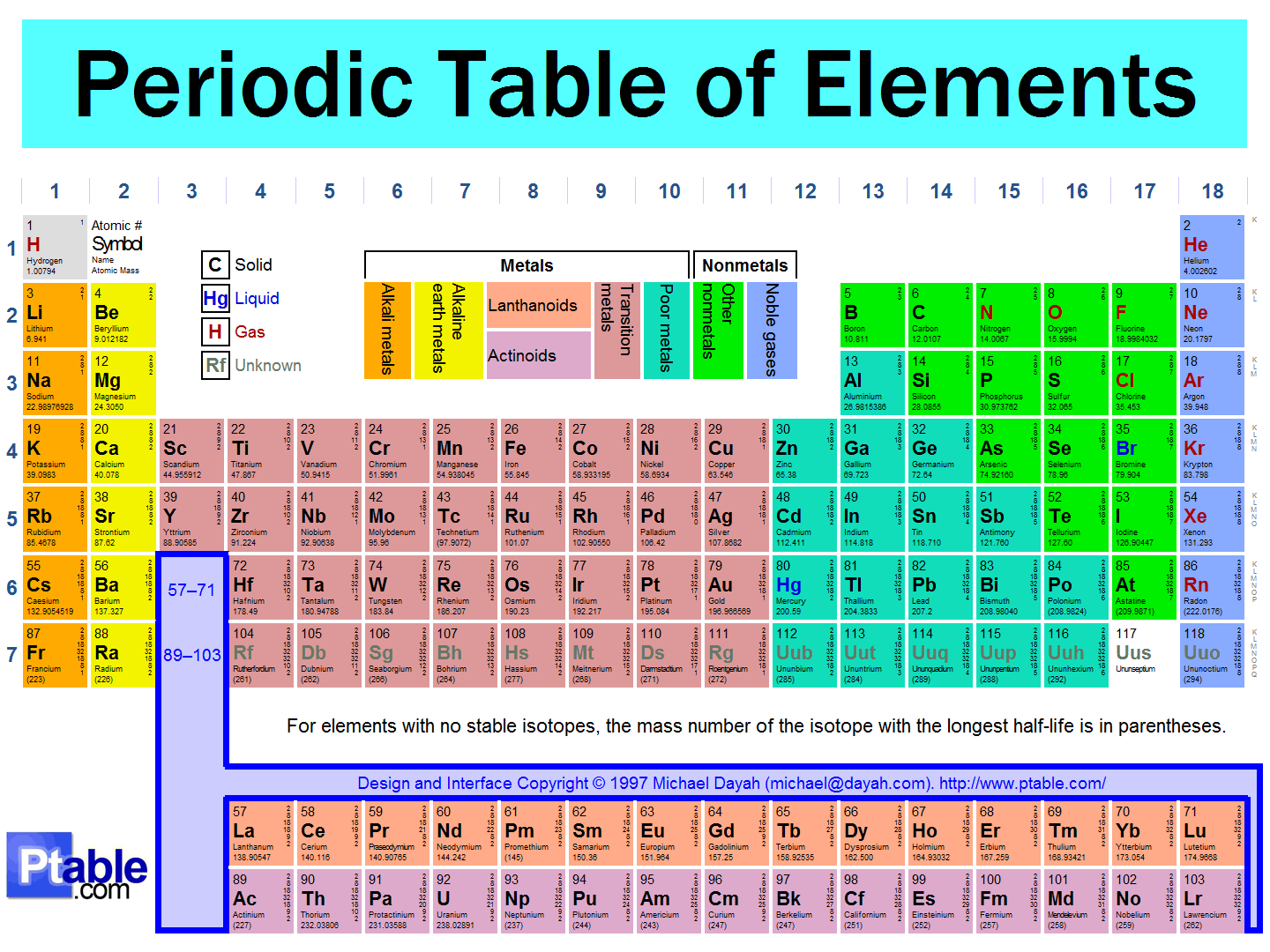
The horizontal (side to side) rows in the Periodic Table are called
groups
families
periods
atomic numbers
what is the biggest group on the table
metals
nonmetals
metaloids
halogens
what is the name of group number 1
halogens
noble gases
alkali
alkaline earth
what is the big group of metals called found within the metals
transition metals
nonmetals
noble gases
halogens


How many electrons does Barium (Ba) have?
13
2
71
56
What is group name of the most reactive metals?
Noble gases
Halogens
Alkali metals
Alkaline earth metals

What is the name of the element? (Periodic table will be needed)
sodium
magnesium
vanadium

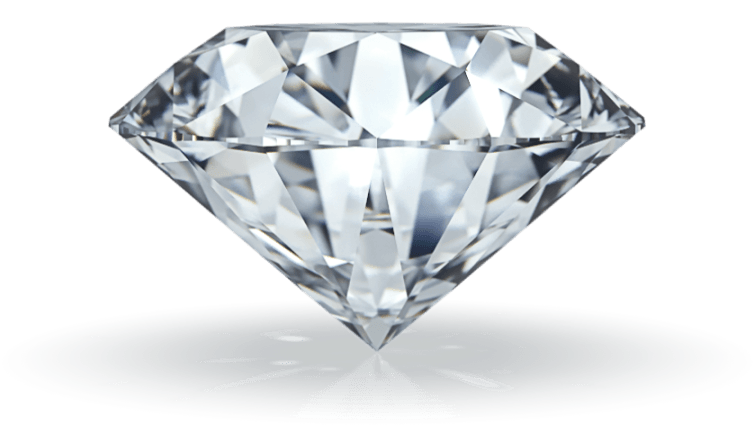


made up of?


H2SO4
Every compound is a molecule but not every molecule is a compound.