
 Worksheets
Exploring the Building Blocks of Life and Organization
Total questions: 80
Worksheet time: 52mins
What is the function of the mitochondria in a cell?
To store genetic information
To produce proteins
To generate energy for the cell
To package and transport lipids
Which level of organization is immediately above "cells" in the hierarchy of biological organization?
Organs
Tissues
Organ systems
Molecules
What is the primary function of the ribosomes in a cell?
Cellular respiration
Protein synthesis
Digestion of waste
Photosynthesis
Which body system is responsible for transporting nutrients, oxygen, and hormones to cells throughout the body?
Nervous system
Digestive system
Circulatory system
Respiratory system
What is the role of the Golgi apparatus in a cell?
Energy production
Protein synthesis
Modifying, sorting, and packaging proteins
Breaking down cellular waste
Which of the following is NOT a function of the skeletal system?
Providing support for the body
Facilitating movement
Producing hormones
Protecting internal organs
In which organelle does photosynthesis occur?
Mitochondria
Chloroplast
Nucleus
Endoplasmic reticulum
What is the correct order of complexity from least to most complex in the levels of organization?
Cells, tissues, organs, organ systems, organism
Organism, organ systems, organs, tissues, cells
Tissues, cells, organs, organ systems, organism
Cells, organs, tissues, organ systems, organism
Which body system is primarily responsible for coordinating the body's response to changes in its internal and external environment?
Muscular system
Nervous system
Endocrine system
Immune system
The smooth endoplasmic reticulum is involved in the synthesis of:
Proteins
Nucleic acids
Lipids
Carbohydrates
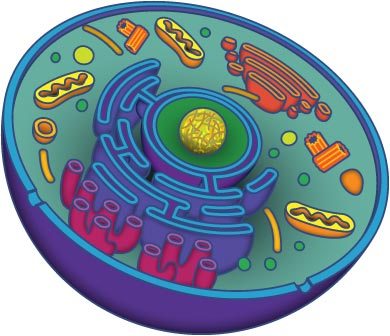


The 3 parts of the Cell Theory are...?
All living things are composed of cells
Cells are the basic units of structure and function in living things
All cells are produced from other cells
All living things are composed of cells
Cells are the basic units of dance and vibes in living things
All cells are destroyed from other aliens
All living things are composed of Jell-O
Cells are the basic units of structure and function in living things
All cells are produced from factories in Canada
All living things are composed of cells
Cells do karate and practice eating whole pies in their free time
All cells are produced from other cells
What is the difference the key difference between prokaryotic and eukaryotic cells?
Prokaryotes have a nucleus, Eukaryotes do not
Eukaryotes have a nucleus, Prokaryotes do not
Prokaryotes have a cell membrane, Eukaryotes do not
Eukaryotes have ribosomes, Prokaryotes do not

The two kinds of cells are Prokaryotes and Eukaryotes. How are they different?
Prokaryotes have a nucleus.
Eukaryotes have a nucleus.
There is no difference.

He was the first to discover the cell.
Hooke
Schleiden
Schwann
Leeuwenhoek
What is something that Prokaryotes and Eukaryote both have in common?
small in size
bacteria
have DNA
complex cells
Which of these is made up of prokaryotic cells?
Protista
Fungi
Plants
Bacteria
Animals
Which of these is specific to eukaryotic cells?
DNA inside a nucleus
Ribosomes
Circular DNA
Phospholipid cell membrane

Single-celled organism with no membrane bound organelles
Eukaryote
Prokaryote
Fungi
Protist
Prokaryote cells have nucleus
True
False
Eukaryote cell do not have a nucleus
True
False
An example of a Eukaryotic Cell is...
Bacteria
Covid-19
Body Cells
E-coli
What organelle controls central activity and protects the DNA?
Ribosomes
Cell wall
Chloroplasts
Nucleus
_______ is defined as the body's ability to adapt to maintain a constant state of equilibrium.
Homeostasis
Aerobic process
Cellular respiration
Anaerobic process
When an organism is made up of one single cell, such as bacteria, it is considered:
a germ
multicellular
unicellular
primitive
Cells that have a nucleus, are complex, and are found in plant and animals, are considered:
archaea
unicellular
eukaryotes
prokaryotes
Organisms that are made up of multiple, even trillions, of cells, are considered:
multicellular
prokaryotic
archaea
unicellular
Which of the following is NOT a supported statement included in the Cell Theory?
All cells come from pre-existing cells
Cells always contain a nucleus
All living things are made of cells
Cells are the basic unit of life


Which organelle is the site of photosynthesis?
Ribosomes
Mitochondria
Chloroplast
Lysosomes
Which organelle provides energy for the cell?
Ribosomes
Mitochondria
Chloroplast
Lysosomes
Which organelle could be used to identify a plant cell?
Mitochondria
Chloroplast
Ribosomes
Lysosomes
Which organelle would create an enzyme?
Ribosomes
Mitochondria
Chloroplast
Lysosomes
A group of cells with a similar function is called ___________
tissue
paper towels
napkins
homeostasis

A living thing that is made up of organ systems.
cell
tissue
organ
organ system
organism
2 or more different kinds of tissues that work together.
cell
tissue
organ
organ system
organism
The smallest unit of a living thing
cell
tissue
organ
organ system
organism
2 or more organs that work together.
cell
tissue
organ
organ system
organism
Groups of similar cells that work together.
cell
tissue
organ
organ system
organism
An organism that is made up of many cells is called:
unicellular
multicellular
pluracellular
When cells have specific jobs to carry out and the work is divided, this is known as:
importante
specialized
star cell
Which is the correct order for levels of organization from simple to complex?
cell, organ , tissue, organ system, organism
organism, organ system, tissue, cell, organ
cell, tissue, organ, organ system, organism
organ, tissue, cell, organism, organ system
Which type of cell forms overlapping layers to protect the body?
Muscle cell
Nerve cell
Red blood cell
Skin cell
Which type of cell carries oxygen throughout the body?
Muscle cell
Nerve cell
Red blood cell
Skin cell
Which type of cell contracts and relaxes?
Muscle cell
Nerve cell
Red blood cell
Skin cell
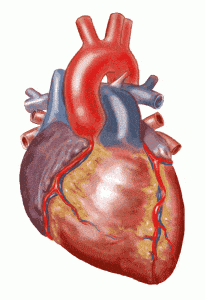
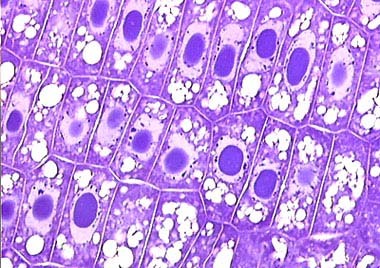
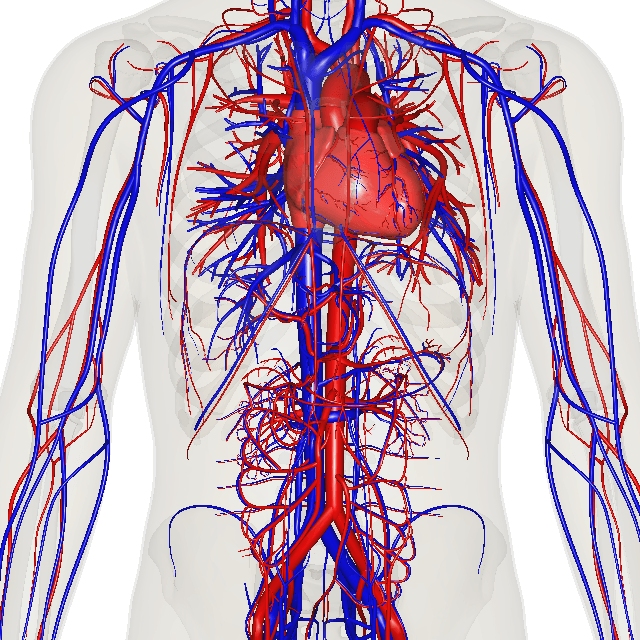
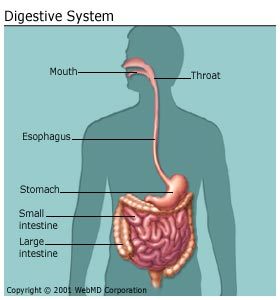
Which of the following systems works with the skeletal system to provide support for the body?
muscular
digestive
circulatory
respiratory
Running is an activity that causes cells to use oxygen in the blood at a faster rate. Which system responds, delivering more oxygen to the cells?
digestive
nervous
circulatory
respiratory
Influenza (flu) is a common disease caused by a
bacteria
virus
protist
fungi
A group of similar cells organized to do a specific function are called
tissue
organ
organ system
organism
Which of the following is an example of the body trying to maintain homeostasis?
growing taller
aging over time
trembling when afraid
shivering on a cold day
Suppose you grabbed a hot pan from the stove. Which two systems react with each other to respond?
digestive/circulatory
muscular/skeletal
nervous/muscular
skeletal/nervous
Identify the structures of support in plants.
skeleton/muscles
leaves/branches
chlorophyll/chloroplast
roots/stems
Identify structures of support in animals.
stomach/mouth
brain/nerves
skeleton/muscles
nerves/muscles
Which of the following shows the 5 levels of organization in order from least to most complex?
organ, tissue, cell, organ system, organism
organism, organ system, organ, tissue, cell
tissue, cell, organism, organ, organ system
cell, tissue, organ, organ system, organism
A student drops a ball from 3 meters high and another student tries to catch it. The height at which the student catches the ball is recorded. This experiment is most likely designed to determine the
effects of stress on the first student's heart rate
acceleration of the ball during its fall
second student's reaction time to a stimulus
force applied to a falling object
Which of the following is NOT one of the needs of an organism?
materials
homeostasis
communication
space
use of energy
Plants and animals have structures that perform similar functions. Plants have xylem and phloem that allow the transport of materials through the plant. Which structures allow transport of materials in animals?
bladder and kidneys
muscles and bones
veins and arteries
nerves and muscle tissue
Plant tissue that transports energy rich materials down from the leaves is called
phloem
xylem
stomata
photosynthesis
In order for the mitochondria in cells to receive glucose needed for cellular respiration, the ____________ system must break down foods into glucose to be transported to the cells.
respiratory
circulatory
skeletal
digestive
Which of the following is an example of mechanical digestion?
teeth grinding a cracker into smaller pieces
liquids in the mouth changing starches into sugars
enzymes breaking down fats
stomach acid breaking down proteins
Chemical digestion occurs in the
small and large intestines
mouth and small intestine
mouth, stomach, and small intestine
pancreas, gall bladder, and liver
In order for an organism to survive, its cells must
take in necessary nutrients and remove waste
only take in necessary nutrients
only remove waste
none of the above are necessary
Which of the following are functions of the respiratory system?
speech and removing liquid waste from the blood
obtaining oxygen and removing carbon dioxide
obtaining oxygen and removing liquid waste from the blood
removing water and breaking down nutrients
The circulatory system works with the respiratory system by
transporting nutrients to the cells
transporting water from the small intestine
transporting oxygen to cells and removing carbon dioxide
breaking sown sugars and oxygen
In order to help the body maintain homeostasis the skin
excretes waste gases from the body
helps regulate body temperature
releases hormones into the bloodstream
supports the body in an upright position
The tissue that attaches muscles to bones is called
tendon
ligament
cartilage
joint
The tissue that reduces friction and allows two bones to slide over each other is called
tendon
ligament
cartilage
joint
A place where two or more bones meet is called
tendon
ligament
cartilage
joint
The tissue that attaches two bones is called a
ligament
tendon
cartilage
joint
Which of the following is an example of an immovable joint?
hip
skull
jaw
shoulder
neck

