
 Worksheets
Nervous System Review
Total questions: 65
Worksheet time: 43mins
The two major parts of the nervous system are the
brain and spinal cord
central and somatic nervous systems
sympathetic and parasympathetic systems.
peripheral and central nervous systems
Dopamine and Serotonin are examples of _______________
Axon
Neurotransmitters
Somatic Nerves
Autonomic Nerves
Neurotransmitters are ______________ that travel across the ______________ to another cell.
electrical signals; receptors
electrical signals; synapse
chemicals; receptors
chemicals; synapse
The branch like figures that receive impulses & conducts them to the cell body
Dendrite
Axon
Cell Body
Myelin Sheath
The two parts of the Peripheral Nervous System
Brain and Spinal Cord
Somatic and Autonomic
Systematic and Brain
Spinal cord and Autonomic

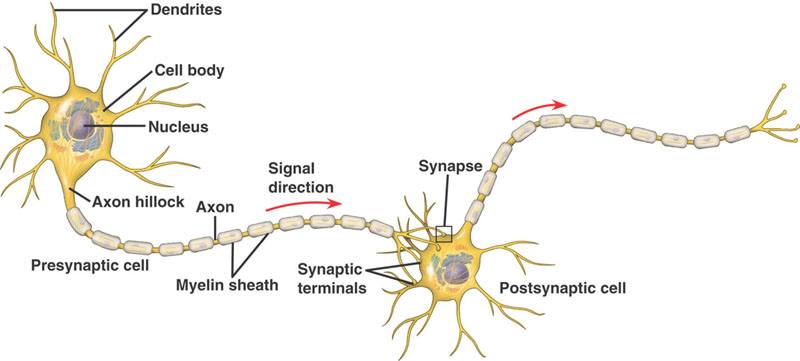
What is number 3 pointing at on the neuron?
Dendrite
Axon
Myelin Sheath
Soma

What part of the neuron is number 4 pointing at?
Dendrite
Axon Terminal
Axon
Myelin Sheath

Which part of the Neuron is number 1 pointing at?
Dendrite
Cell body
Axon
Nucleus
Our ______ receive messages and send them to the brain. The brain sends messages to our body on how to respond.
heart
lungs
nerves
The part of the PNS that controls involuntary actions
autonomic nervous system
somatic nervous system
organic nervous system
reflexive nervous system

Which way does an impulse travel
From dendrite to axon and out axon terminal
From axon to axon and out dendrite terminal
From axon to dendrite and out axon terminal
From cell body to dendrite and out axon terminal

How is a message delivered from the "sending" neuron to the "receiving" axon?
sympathetic nerves
hormones
medulla oblongata
neurotransmitters
What is a nerve cell?
axon
neuron
dendrite
myelin
Cranial nerves and spinal nerves are part of the peripheral nervous system.
True
False
What part of the nervous system is responsible for slowing down breathing and pulse?
Spinal Nerves
Sympathetic
Parasympathetic
Spinal Nerves
Someone with a spinal cord injury might experience:
inability to move and respiratory distress
hairloss
increased appetite
none of the above
What is a nerve impulse?
concussion
The correct medical term for someone who suffers from recurrent seizures is:
The autonomic nervous system is divided into
Motor and Sensory
Peripheral and Central
The Brain and Spinal cord
Sympathetic and Parasympathetic
controls the "fight or flight" response
Sympathetic
Parasympathetic
controls the "rest and digest" response
Sympathetic
Parasympathetic
responds to stress and/ or danger
Sympathetic
Parasympathetic
regulates daily homeostasis and maintenance
Sympathetic
Parasympathetic
What part of the nervous system is responsible for slowing down breathing and pulse after an emergency is over?
Sympathetic
Parasympathetic
Cranial Nerves
Spinal Nerves
What part of peripheral nervous system controls voluntary movement via skeletal muscle ?
central nervous
Somatic Nervous System
peripheral nervous system
autonomic nervous system
When a neuron is at REST,
the inside of the neuron is negatively charged compared to the outside.
the inside of the neuron is positively charged compared to the outside.
there is no charge difference established
none of these is true
Depolarization occurs when
sodium channels open
potassium channels open
sodium channels close
potassium channels close

What does Z represent?
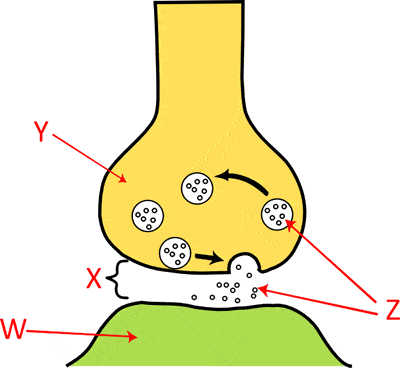
What does W represent?

What does X represent?
when does the stimuli cause an action potential?
when it reaches threshold
just below the threshold
just above threshold
What is the main function of the nervous system?
Regulating heartbeat
Controlling digestion
Coordinating body's responses
Producing hormones
Which lobe of the brain controls reasoning, planning, and decision making?
Frontal
Parietal
Temporal
Occipital
Which part of the brain controls visual processing?
Frontal
Parietal
Temporal
Occipital
Which part of the brain is the "reptilian brain" and is responsible for involuntary, life-sustaining activities like breathing and heart rate?
Cerebrum
Diencephalon
Brain Stem
Cerebellum
The brain is covered in a membrane called:
choroid plexus.
meninges.
ventricles.
cerebral aqueduct.
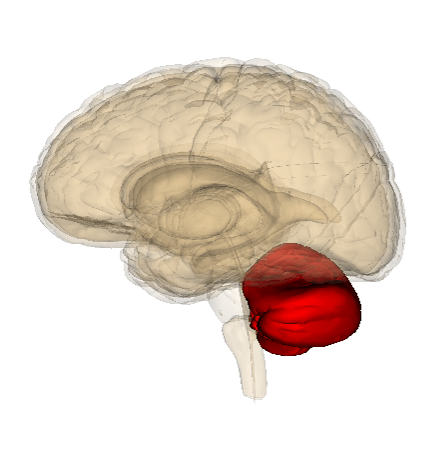
What structure that controls balance is located below the cerebrum?
The thalamus
The cerebellum
The diencephalon
The hypothalamus

Name structure 3
thalamus gland
pineal gland
cerebellum
corpus callosom


Which letter on the illustration represents the parietal lobe?
Which letter on the illustration represents the occipital lobe?
Which ion is pumped into the axon of a neuron to help maintain the resting potential?
calcium
hydrogen
potassium
sodium

Depolarization is occuring at number
1
2
4
5

What number on the graph represents the Repolarization?
1
2
3
4

