
 Worksheets
WK 21 & 22 TEKS 6.9A Changes in Seasons TEST
Total questions: 45
Worksheet time: 23mins
Name
Class
Date
1.
How many equinoxes occur in a year?
a)
1
b)
2
c)
3
d)
4
e)
5
2.
What is the difference between an equinox and a solstice?
a)
An equinox occurs at the same time worldwide, while a solstice occurs at different times depending on the hemisphere.
b)
An equinox occurs in the spring, while a solstice occurs in the summer.
c)
The difference between an equinox and a solstice is that an equinox has equal day and night lengths, while a solstice has the longest or shortest day of the year.
3.
Which season is experienced in the Northern Hemisphere when it is summer in the Southern Hemisphere?
a)
Winter
b)
Spring
c)
Summer
d)
Fall
4.
In what month do we find the shortest day of the year?
a)
January
b)
May
c)
December
d)
June
e)
July
5.
In what month do we find the longest day of the year?
a)
June
b)
January
c)
May
d)
July
e)
October
6.
Which of the following best describes the tilt of the earth when it is summer in the southern hemisphere?
a)
The northern hemisphere is tilted neither toward or away from the sun
b)
The northern hemisphere is tilted away from the sun
c)
The northern hemisphere is tilted toward the sun
d)
Why are you talking about the northern hemisphere when you asked about the southern hemisphere?
7.

Which of the following best describes the tilt of the earth during the spring and fall equinoxes?
a)
The earth is tilted away from the sun (Northern hemisphere)
b)
The earth is tilted neither toward or away from the sun (tilt is side to side)
c)
The earth is tilted toward the sun (Northern hemisphere)
d)
The earth is not tilted during spring and fall
8.
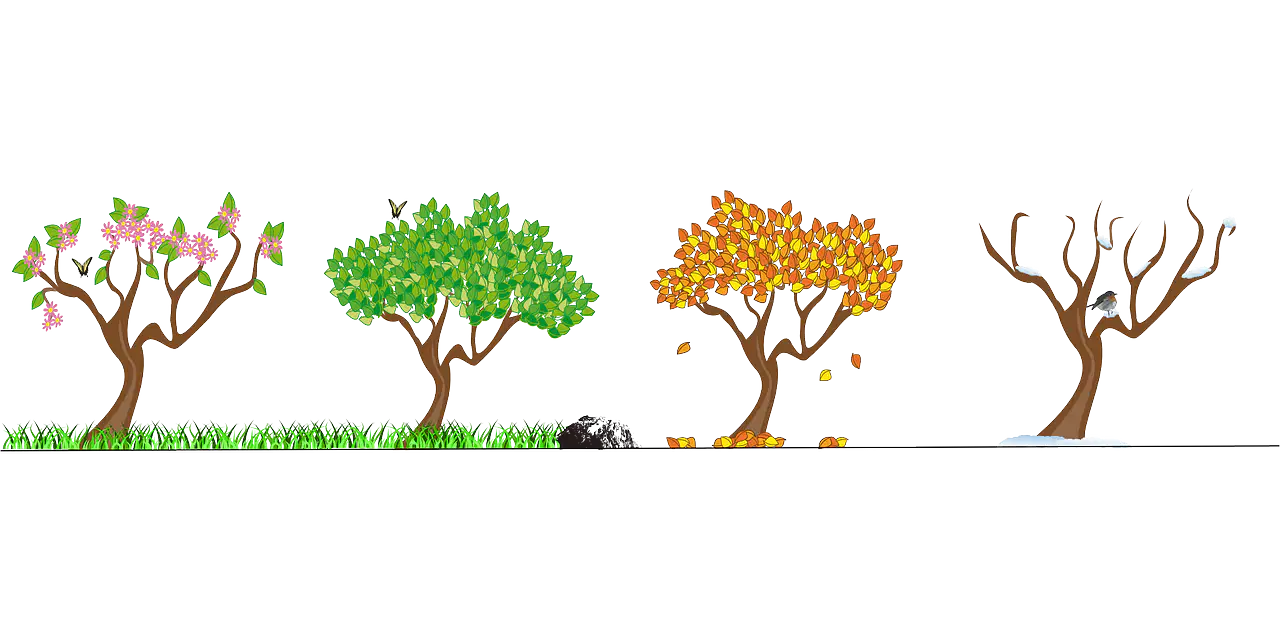
What season is it in the Southern Hemisphere when it is fall in the Northern Hemisphere?
a)
Spring
b)
Summer
c)
Fall
d)
Winter
9.
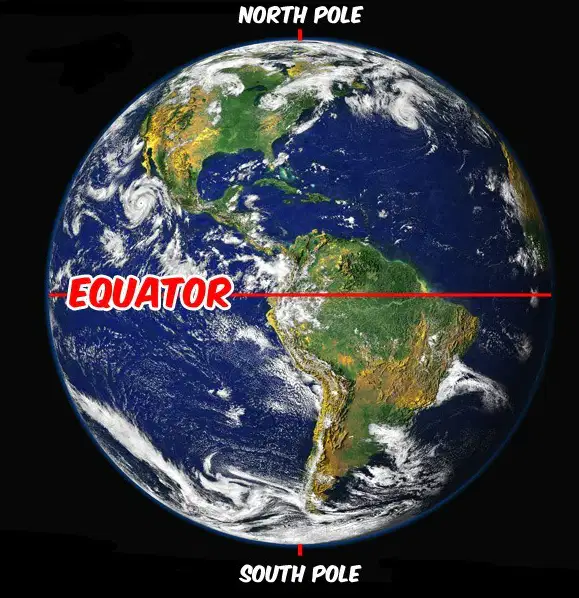
Why does the area around the equator stay the same temperature all year?
a)
The equator rotates slower than the poles.
b)
The equator remains the same distance from the sun.
c)
The equator always receives direct sunlight.
d)
The equator has 18 hour days.
10.
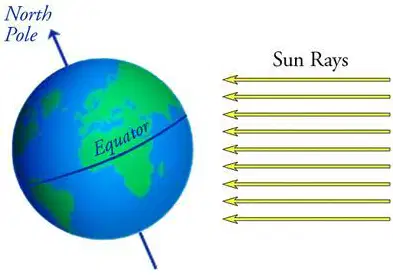
What happens when the area in which you live tilts away from the sun?
a)
Summer
b)
Fall
c)
Winter
d)
Spring
11.
Examples of Rotation are all except the
a)
Spinning in a chair
b)
Spinning a ball
c)
Spinning your arm
d)
Spinning a top
12.
Axis an imaginary line that runs through both poles of Earth
a)
True
b)
False
13.
Earth’s __________causes day and night to occur
a)
revolution
b)
rotation
c)
rock cycle
d)
crust, mantle, outer core, inner core
14.
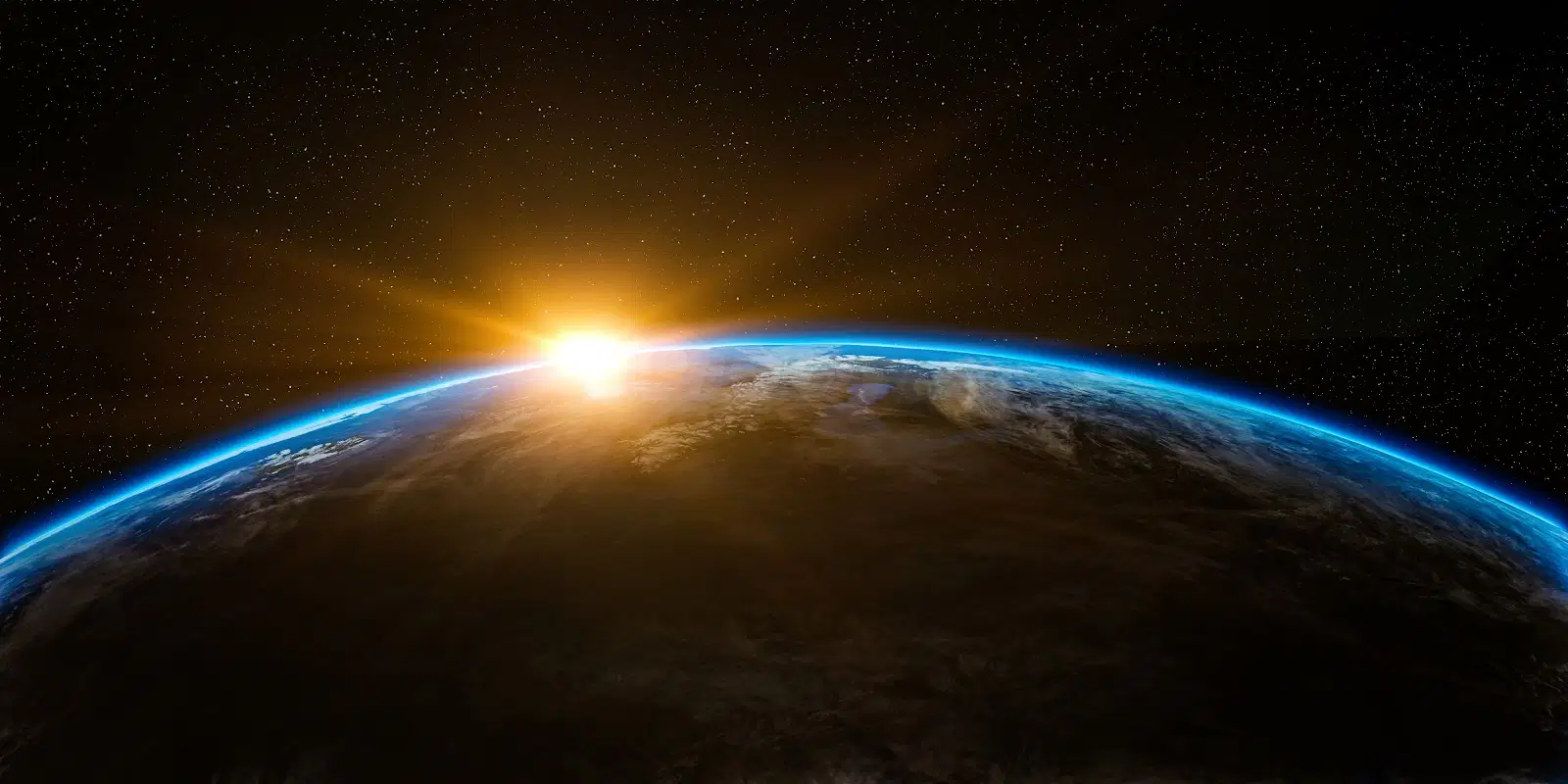
Earth completes one rotation on its axis every ________ hours.
a)
12
b)
18
c)
24
d)
36
15.
Word Ro-ta-tion has 3 syllables just like word ___________has 3 letters.
a)
Pay
b)
Day
c)
Rock
d)
3 layers of earth
16.
Word Re-vo-lu-tion has 4 syllables just like word ___________has 4 letters.
a)
ROCK
b)
PATH
c)
YEAR
d)
TILT
17.

Earth’s rotation causes day and night to occur
a)
True
b)
False
18.
Turning or spinning on an axis
a)
Revolution
b)
Rotation
c)
Spinning
d)
Toss & Turn
19.
Earth’s tilt and revolution around the Sun causes seasons
a)
True
b)
False
20.
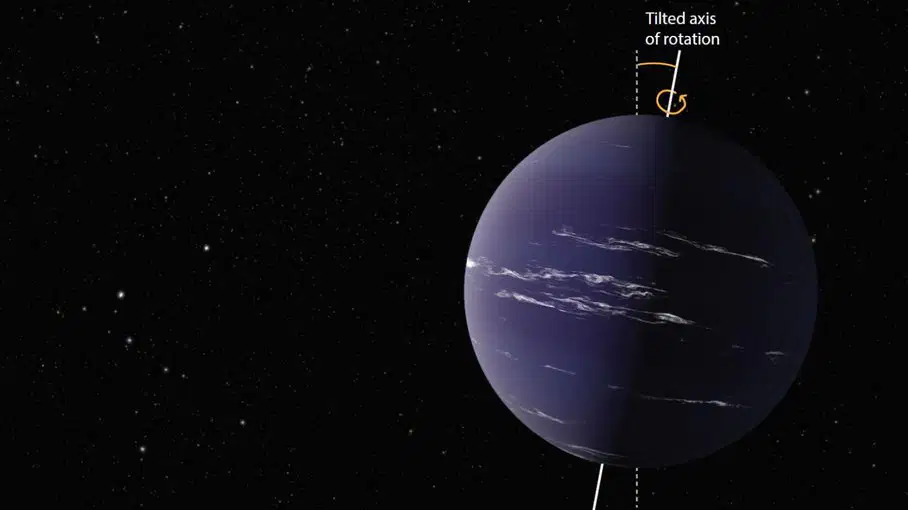
The Earth is tilted at an angle of ______ degrees on its axis
a)
35.2
b)
13.2
c)
23.5
d)
32.5
21.
Occurs 2 times per year when the Sun reaches its highest or lowest point in the sky at noon would be considered what ?
a)
Winter
b)
Solstice
c)
Equinox
d)
Hemisphere
22.
An equinox is marked by equal day and night which would be ______ hours of each
a)
9
b)
11
c)
12
d)
14
23.
Equal day and night; generally occurs around March 21-22 in the northern hemisphere
a)
Summer
b)
Vernal Equinox
c)
Winter/Spring EQuinox
d)
Northern Hemisphere
24.

Shorter days and longer nights
a)
Summer
b)
Fall
c)
Winter
d)
Spring
25.

Longer days and shorter nights
a)
Summer
b)
Fall
c)
Winter
d)
Spring
26.
The action of one object moving completely around another in an orbital path
a)
Rotation
b)
Revolution
c)
Sun
d)
Earth Moon & Sun
27.

It takes the Earth ______ days to revolve around the Sun one time
a)
30 to 31 days (1 month
b)
1 and 1/2 months ( 6 weeks)
c)
365 Days ( 1 year)
d)
7 Days ( 1 week)
28.
_________________the action of one object moving completely around another in an orbital path
a)
Rotation
b)
Moons
c)
Revolution
d)
North Hemisphere
29.
_________________and revolution around the Sun causes seasons.
a)
Earth's Crust
b)
Earth’s Tilt
c)
4 Layers
d)
Rotation
30.
It takes the Earth ____________ to revolve around the Sun one time.
a)
365 days (12 Months)
b)
92 Days (3 Months)
c)
180 days (6 Months)
d)
270 days ( 9 Months)
31.
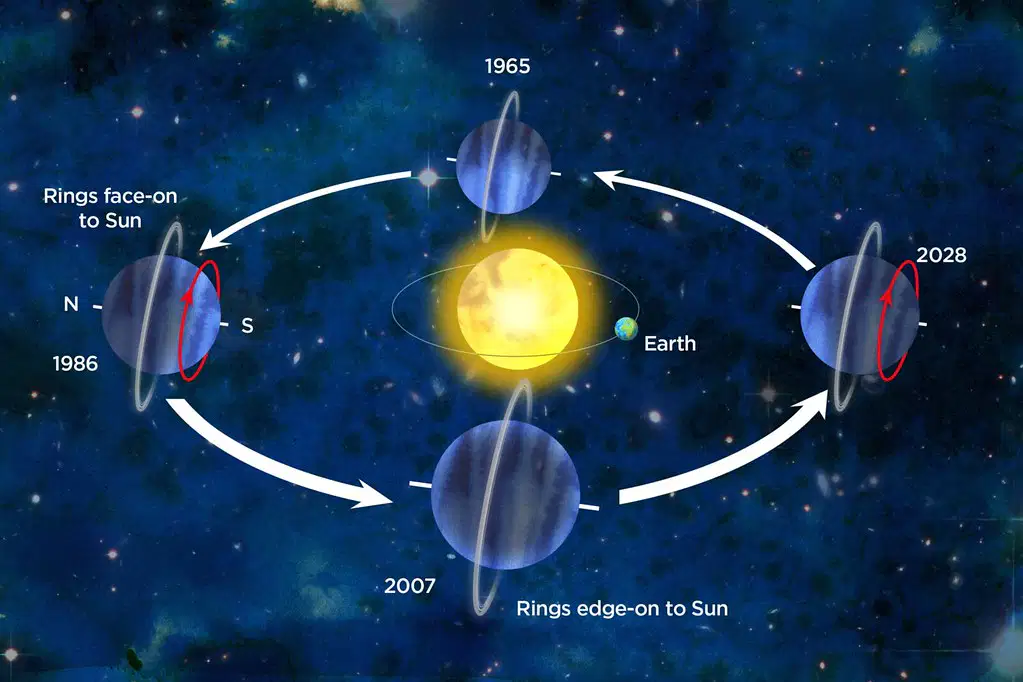
All are Examples of Revolution except :
a)
A car moving around a track
b)
The moon moving around Earth
c)
A satellite moving around a planet
d)
Crusts moving on top of the Mantle
32.
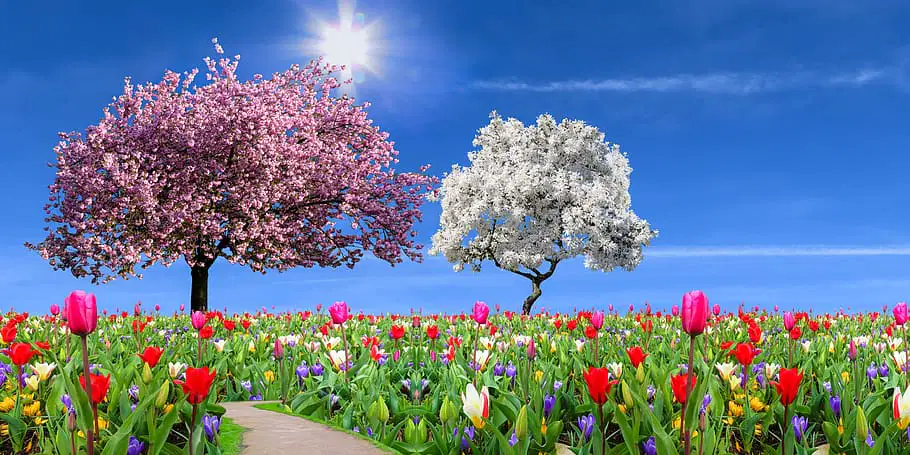
The weather becomes warmer and plants and flowers begin to grow again; equal days and nights
a)
Autumn Fall
b)
Spring
c)
Winter
d)
Summer
33.
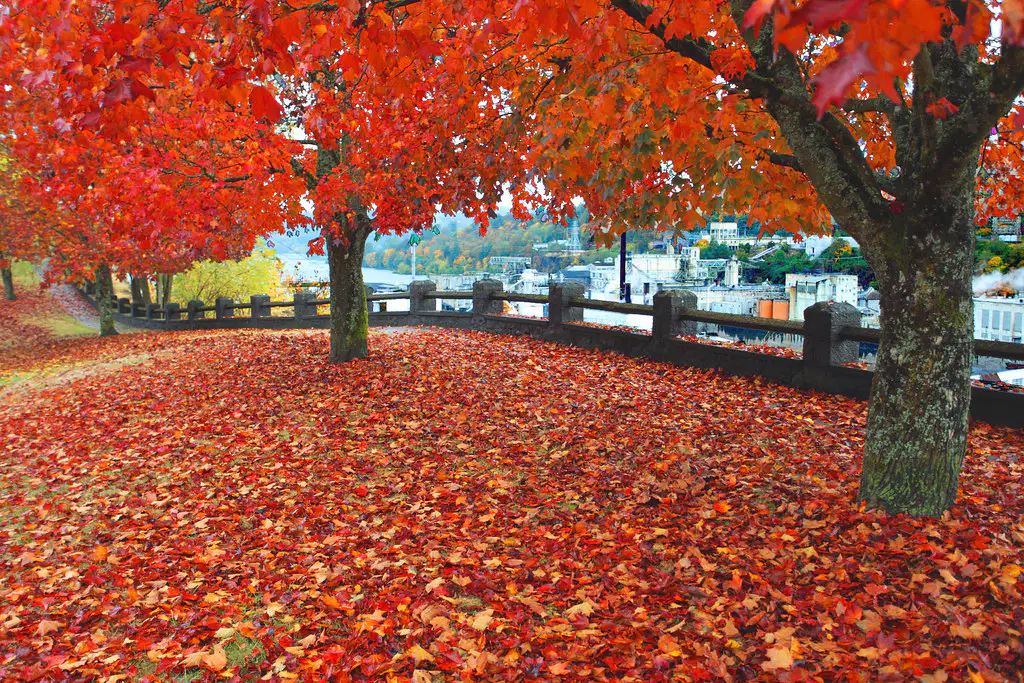
Autumn (Fall) – the weather becomes colder and leaves begin to fall from plants; equal days and nights
a)
True
b)
False
34.
The southern hemisphere is located above the equator and the northern hemisphere below the equator
a)
True
b)
False
35.
The northern and southern hemispheres experience same seasons
a)
True
b)
False
36.
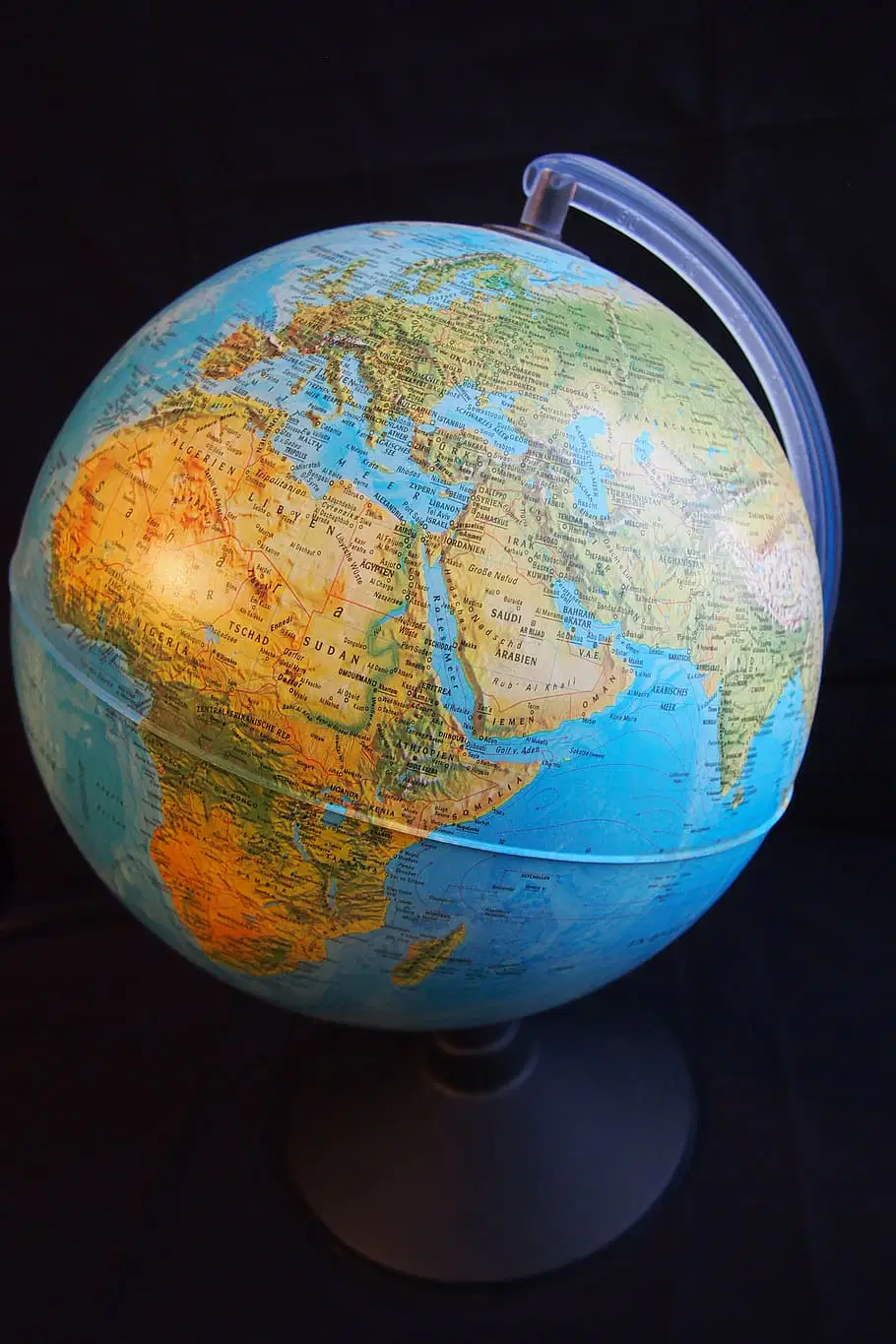
We discussed in our notes and activities that the northern and southern hemispheres experience opposite seasons - would this be TRUE or FALSE
a)
True
b)
False
37.
What SOLSTICE marks the longest day of the year (most sunlight); generally occurs around June 21-22 in the northern hemisphere
a)
Winter Solstice
b)
Summer Solstice
c)
Fall Solstice
d)
Spring Solstice
38.

Winter Solstice – marks the shortest day of the year (least sunlight); generally occurs around MARCH 21-22 in the northern hemisphere
a)
True
b)
False
39.
BONUS +5:
Vernal Equinox – equal day and night; generally occurs around March 21-22 in the northern hemisphere
a)
True
b)
False
40.
BONUS +5: Autumnal Equinox – equal day and night; generally occurs around September 22-23 in the northern hemisphere
a)
True
b)
False
41.

Autumnal Equinox – equal day and night; generally occurs around MARCH 22-23 in the southern hemisphere
a)
True
b)
False
42.
Vernal Equinox – 18 hr day and 6 hr night; generally occurs around July 21-22 in the northern hemisphere
a)
True
b)
False
43.
We discussed in class that the season in which we have the warmest season of the year; longer days and shorter nights
a)
summer
b)
fall
c)
winter
d)
spring
44.
We discussed in class that the season that has shorter days and longer nights would be
a)
summer
b)
fall
c)
winter
d)
spring
45.
The Earth is tilted at an angle of ______ degrees on its axis
a)
35.2
b)
13.2
c)
23.5
d)
32.5
100 %

