
 Worksheets
WHAP Unit 4-5 Japan-Enlightenment
Total questions: 136
Worksheet time: 1hrs 8mins

What group of people are considered the lowest classes in Feudal Japan?
Shoguns
Samurai
Merchants/Peasants
Daimyos

Who is considered the most powerful person in Feudal Japan?
Shogun
Samurai
Emperor
Daimyo

The knights in Medieval Europe are the same as _______________ in Medieval Japan ?
Emperor
Samurai
Daimyo
Shoguns
What did the title of shogun originally mean?
Supreme Clan leader
Supreme emperor
Supreme military commander
Supreme samurai
In the Japanese feudal system, what made the daiymo so powerful at first?
their court
their land
their enemies
their allies
Which member of the Japanese feudal system gave land to daimyo and had the majority of the power?
Emperor
Samurai
Peasants
Shogun
Which list is in the order of the MOST powerful to the LEAST powerful?
samurai, shogun, daimyo, peasant
samurai, shogun, peasant, daimyo
shogun, samurai, daimyo, peasant
shogun, daimyo, samurai, peasant
The main duty of the samurai warrior was to
defend peasants from bandits or thieves
conquer distant lands for the emperor
defend his daimyo and his daimyo's property
manage large tracts of land for the nobles in Kyoto


Samurai


Which Shogunate saw the Mongols attempt to invade twice?
Kamakura
Meiji
Ashikaga
Tokugawa
Which Shogunate saw the Shutdown of the Japanese borders and the persecution of Christians?
Kamakura
Meiji
Ashikaga
Tokugawa
Which Shogunate saw the introduction of "balloon pants"?
Kamakura
Meiji
Ashikaga
Tokugawa
How many voyages did Zheng He take part in?
1
2
7
6
Zheng He followed what religion?
Confucianism
Buddhism
Islam
Hinduism
Who was Zheng He?
Chinese explorer
the third Ming emperor
founder of the Ming Dynasty; also called Hongwu
Jesuit priest who became a court mathematician and astronomer in China
Who were the first Europeans to trade with China?
Portuguese
French
Dutch
Italian
Who was Matteo Ricci?
Jesuit priest who became a court mathematician and astronomer in China
the third Ming emperor
founder of the Ming Dynasty; also called Hongwu
Chinese explorer
Which of the following was a cause of Chinese isolation following the death of Yongle?
The new Emperor ended ship construction and Chinese exploration.
The Chinese were under constant siege by invading tribes.
Chinese craftsmen demanded that the new emperor reduce trade to protect the secrets of their work.
The extension of the Great Wall reduced contact between China and outsiders.
In the early 1400s, during the Ming Dynasty, Zheng He was sent by his emperor on sailing voyages to
search for gold and other riches in Africa
defeat the Mongol navy in the East China Sea
show China's interest in trade and display the power and splendor of China
discover an ocean route to North America
Why did Japan choose to isolate itself?
To prevent Christians from entering
To stop the Daimyo from promoting Shintoism
To quarantine Japan from diseases
To stop the British from selling opium
Decide which quote supports labor unions:
Quote 1
“The working people find that improvements in the methods of production and distribution are constantly being made, and unless they occasionally strike, or have the power to enter upon a strike, the improvements will all go to the employer and all the injuries to the employees.”
Quote 2
“The strike is apparently hopeless, and must be regarded as nothing more than a rash and spiteful demonstration of resentment by men too ignorant or too reckless to understand their own
interests.”
Quote 1
Quote 2
Both
Neither
A reason some businesses hired children was:
To provide the children a bright future and opportunities
So they could save money by paying the children less money
So the children could take care of the heavy labor required for their business
To improve their public image
Before the Industrial Revolution, all products were made by
Factories
Slaves
Hand
Royalty
In the early days of the Industrial Revolution, many factories were built along rivers because
water was a major source of irrigation
water power was used to power factory machines
ships could easily deliver goods to factories
ships could bring in supplies
How did railroads impact the prices of goods and services?
Made them more expensive and harder to ship
Gave people a way of transportation
Made them cheaper and easier to ship
Mass production means:
Products being made with more superior quality
Goods being made in large quantities
Laborers received higher wages
Industries moved to rural areas
Mass production led to:
Goods became less expensive
Products being superior in quality
Laborers received higher wages
Which of the following was NOT associated with early factory working conditions?
Minimum wages for workers
Long hours
Dangerous working conditions

Capitalism is
An economic system in which the means of production are privately owned and money is invested to make profits.
An economic system in which the means of production are owned by the public (government) and operate for the welfare of all.
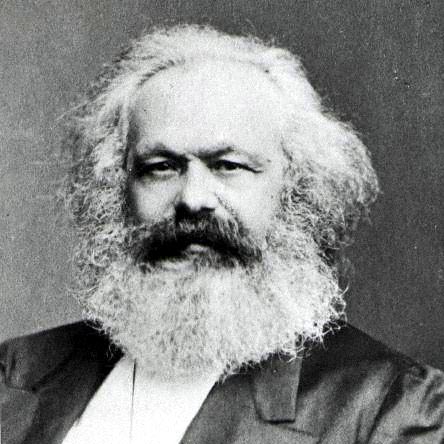
__________________ predicted a violent revolution that would result in the working class taking over in a classless political and economic systems known as communism.
John Adams
Thomas Smith
Karl Marx
Edward Jenner
This economic theory says that the government should not interfere in the economy.
Capitalism
Socialism
This economic theory states that wealth should be distributed equally among everyone. Everyone gets what they need.
Capitalism
Socialism
These were groups of workers that tried to improve working conditions, pay, and remove child labor.
Parliament
Labor Unions
Worker's Governmen
Voters
Which invention allowed for the faster transportation of resources and finished goods, people, and provided many jobs?
Automobile
Subway
Train
Airplanes
What were the reasons why the Industrial Revolution started in England? (select 2)
Abundant natural resources.
Better army.
Stable government and economy.
They had overthrown the monarchy.
Which of the following could be considered positive outcomes of the Industrial Revolution?
Urbanization
Overall increase in wages
Pollution
Faster transportation
The movement of people from rural areas to cities.
Urbanization
Socialism
Industrialism
Utilitarianism
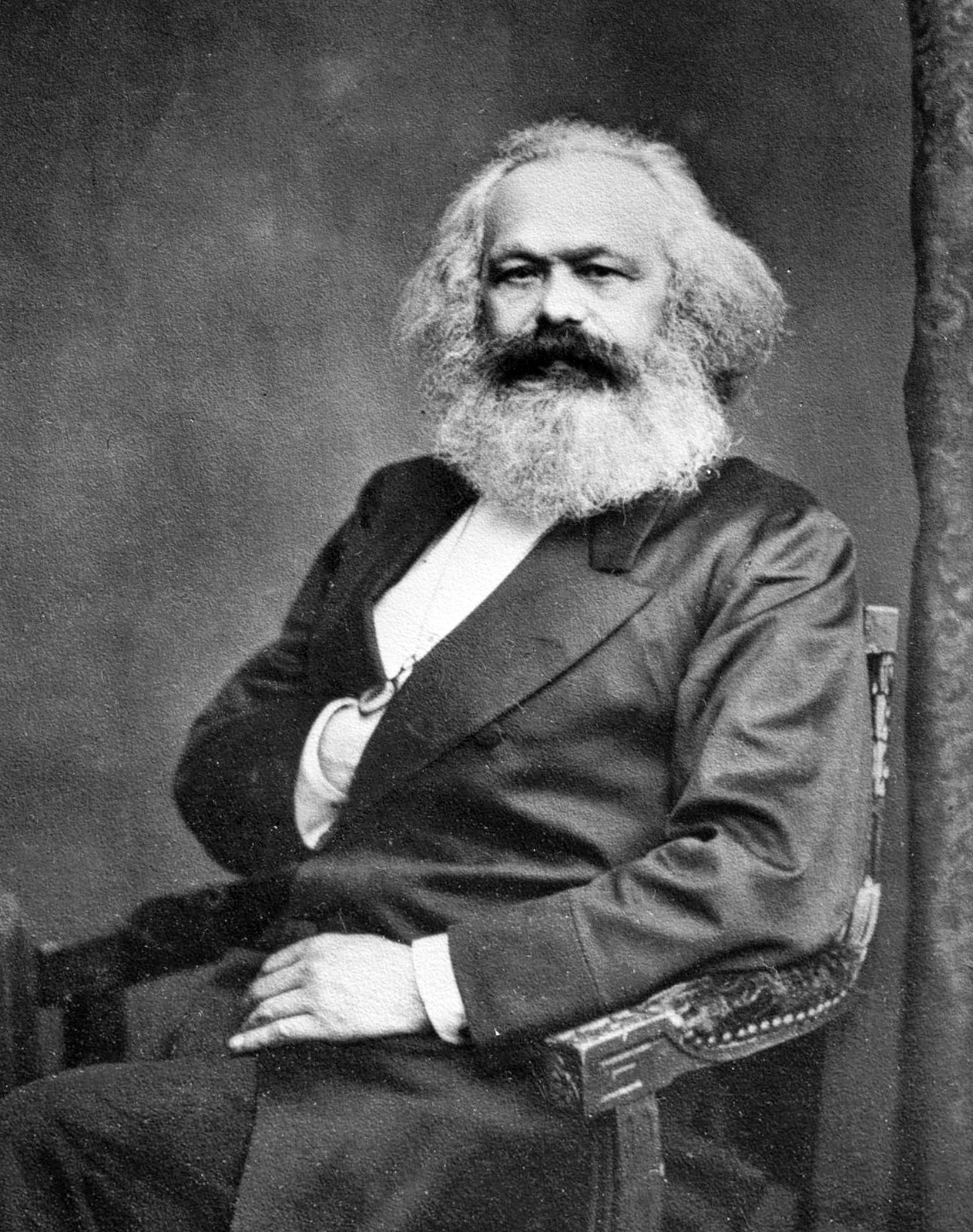
Karl Marx spelled out how he believed that workers should rise up against factory owners, outlining the basic principles of
capitalism
socialism
communism
command economies
Why was England the site of the beginnings of the Industrial Revolution?
England was the most powerful nation in the world
It wasn't; history has unfairly given England credit for the Industrial Revolution
England had an abundance of natural resources such as coal, iron ore, and waterways where water wheels and steam engines could be built
England was centrally located to many areas like France, Germany, Spain, and Ireland, giving them an advantage to bring in resources and talent from many places
Signed in 1776 by US revolutionaries; it declared the United States as a free state.
Common Sense
U.S. Constitution
Articles of Confederation
Declaration of Independence
Who wrote the Declaration of Independence?
Thomas Jefferson
John Adams
Benjamin Franklin
George Washington
This document ends the American Revolution, and recognizes the former British colonies as an independent nation.
Treaty of Paris (1783)
Treaty of Paris (1763)
Declaration of Independence
Common Sense
Who was king of England during the American Revolution?
King Henry VIII
George Washington
King George III
King Edward III
During the Boston Tea Party,
colonists raided British ships and threw crates overboard.
Native Americans threw tea at British troops.
Americans celebrated their victory at Trenton.
the cost of tea was very expensive.
The Declaration of Independence states that all people have a natural right to
free speech.
a trial by jury.
the pursuit of happiness.
worship as they choose.
Why did Britain want to tax the colonists?
The British needed to make back the money to pay for The French and Indian War
The colonists had more money than the British
The British wanted to punish the colonists for wanting to be their own country.
To refuse to buy goods is to ______________
ramble
trade
boycott
represent
1. True or False: The French were the Patriots' greatest ally during the American Revolution
True
False
The Battle of Saratoga was significant in the Revolutionary War because it
ended the British threat to the South
convinced the French to support the Americans
guaranteed Canadian help for the colonists
forced the British to withdraw from North America
What was the primary purpose of the Declaration of Independence?
to persuade England to end slavery in America
to provide a plan for financing the American Revolution
to list reasons the colonies should be free from England
to convince the king to grant colonists more land

What event is depicted in this image?
Battle of Bunker Hill
Boston Massacre
Boston Tea Party
Lexington and Concord
What are unalienable rights?
rights given by the president
rights the government can't take away from you
rights given by congress
Violent protest involving name calling
and snowballs and the death of five colonists.
Proclamation of 1763
Boston Tea Party
Boston Massacre
Intolerable Acts
Prohibited colonists from settling on land west of the Appalachian Mountains.
Proclamation of 1763
Townshend Acts
French and Indian War
Intolerable Acts
Tax enforced following the French and Indian War. Tax on paper products.
Townshend Act
Sugar Act
Stamp Act
Boston Tea Party
Tax enforced following the French and Indian War. Tax on paper products.
Townshend Act
Sugar Act
Stamp Act
Boston Tea Party
According to the Declaration of Independence, the government gets its power from-
Parliament
the King
the President
the people
According to the Declaration of Independence, what can the people do if the government is not protecting their rights?
Find a new king
Move to another country
Not have a government
Overthrow/abolish and start a new government
Colonists were forced to house British soldiers through this act.
Quartering Act
Stamp Act
Tea Act
Intolerable Acts
What are the first ten amendments of the Constitution called?
A menu
Bill of Rights
Articles of Confederation
Magna Carta
What was the purpose of the Constitution?
It was created to break away from England.
It was a plan for how the government would run that guaranteed our rules, rights, and responsibilities.
It freed the slaves
It said that England and the U.S. would always be enemies.
Based on the US Constitution, the government is run by _________.
The President
Congress
The Supreme Court
"The People"
This branch of the Federal Government contains the office of the President and Vice President. The duty of this branch is to represent and enforce the nation's laws.
Judicial Branch
Supreme Court
Executive Branch
Legislative Branch
A system of __________ and __________ is used to keep any one branch of the government from being dominant, or having too much power.
checks and balances
power and authority
politics and philosophy
life and liberty
Select all of the branches of the Federal Government.
Judicial Branch
Legislative Branch
Federal Branch
Executive Branch
Rose Branch
What is the supreme law of the land in the United States
the Declaration of Independence
the Articles of Confederation
the US Constitution
Common Sense

The two (2) parts of Congress are:
Senate
Executive Branch
House of Representatives
Judicial Branch

How many amendments have been added to the U.S. Constitution?
0
34
27

The Supreme Court has _______ members?
5
1, 347
9

Each state has _______ senators.
2
9
22
A bishop (city church leader) belonged to which Estate?
First
Second
Third
None
Select the choices that are causes of the French Revolution.
Inspiration from American Revolution
Enlightenment Ideas
Strong economy
Low food prices
Inequality among the 3 Estates
What was the Estates-General?
France's hospital system
A meeting of representatives from 3 Estates
France's military leader
the Assembly that executed the king
What was the purpose of the National Assembly's Tennis Court Oath?
To raise taxes of the the Third Estate
Write a constitution for France and limit the king's power
To make plans to storm the Bastille
Declaration of the Rights of Man...
... explained why the British colonies should be free
... listed the natural rights of citizens in revolutionary France
... abolished the monarchy

July 14, 1789, a French mob stormed a prison. The mob successfully captured the gunpowder they were after.
Storming of the Bastille
The Great Fear
Storming of Pompei
Sandstorm
Which event marked the beginning of the Revolution?
The execution of King Louis XVI
The Storming of the Bastille
The execution of King Charles X
The Reign of Terror
Nickname for Robespierre's period of rule that ended when he was executed?
100 Days
National Assembly
Reign of Terror
Old Regime
Who overthrew The Directory in a coup d'etat?
Robespierre
King Louis
Jean Valjean
Napoleon Bonaparte
clergy
The Second Estate was made up of the these people.
clergy
common people
priests
nobles
Before the revolution in France, members of the Third Estate had
a smaller tax burden than the other estates
greater political influence than the clergy
a voice in government equal to that of the First and Second Estates
a high tax burden and little political power
In 1793 King Louis XVI and Queen Marie Antoinette were
saved from the Robespierre.
executed.
deported to England.
returned to the throne.
The French people welcomed Napoleon because?
they hoped he would help the collapsing French economy.
he completely disavowed the ideals of the Revolution.
he was the grandson of Louis XVI and Marie Antoinette.
he promised order after the chaos of the Revolution.
The __________ introduced ideas about people being equal and having a voice in government.
Reformation
Industrialization
Enlightenment
The King was a strong leader for France and was not a cause of the French Revolution.
True
False
King and queen of France prior to the Revolution
Louis XVI
Louis XIV
Raizya
Marie Antoinette
Which of the following was NOT a cause for the French Revolution?
Drought
Taxes
Wars
Price of food


Which of the following was the only successful slave revolt in history that led to a new nation?
French Revolution
American Revolution
Cuban Revolution
Haitian Revolution
Black Plague
Why was Saint Dominique so valuable to France?
The colony was an important naval outpost used to raid the Spanish.
The island was a wealthy plantation colony that grew sugar, coffee, and cotton.
The island was a wealthy manufacturing colony that created luxury goods for French citizens.
The colony was a strategic outpost used to bolster U. S. forces against the British navy.

Who led the successful slave revolt on the island of Haiti in beginning in 1791 ending in 1804?
Toussaint L’Overture
Jose de San Martin
Father Miguel Hidalgo
Simon Bolivar

Why was the Haitian Revolution led by Touissaint Louverture so important? [7-3.3]
It returned all power to the king of France.
It allowed France to gain more foreign land.
It gave freedom to all slaves in Latin America.
It was the first Latin American colony to revolt.
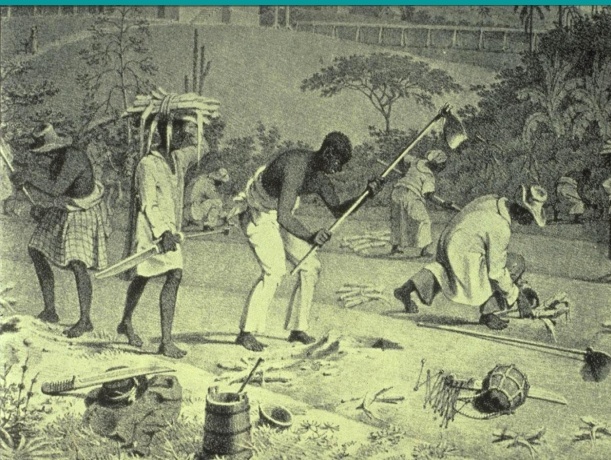
The number of enslaved Africans on Haiti was about ________ people, whereas the white/European population was about 30,000.
2,000
150
500,000
30,0000

The rights of life, liberty, and property are called:
Unalienable Rights
Essential Rights
Birth Rights
Original Rights
. . . reason, which is that law teaches all mankind, who would but consult it, that being all equal and independent, no one ought to harm another in his life, health, liberty, or possessions.
John Locke, Two Treatises on Civil Government, 1689
Which concept of the Enlightenment would the passage most likely support?
Truth can be discovered through reasoning and logic.
Humankind can and should improve over time.
People have a right to equality and freedom.
What is natural is also reasonable.

