
 Worksheets
Science Review
Total questions: 93
Worksheet time: 47mins
Name
Class
Date
1.
1) Small pieces of rock carried away by water is called an ________________.
a)
a) erosion
b)
b) drought
c)
c) flood
2.
2) Large amount of water that covers normally dry land is called a ____________.
a)
a) flood
b)
b) drought
c)
c) fire
3.
3) When there is not enough rain for a long time, _____________ occurs.
a)
a) drought
b)
b) rain
c)
c) erosion
4.
4) A beaver building a dam is an example of how animals affect the __________.
a)
a) environment
b)
b) food chain
c)
c) flood
5.
5) A change in the environment can cause an animal to lose its ____________ .
a)
a) habitat
b)
b) disease
c)
c) pollution
6.
6) When two or more pieces of Earth's crust push together, they form a _________.
a)
a) erosion
b)
b) forest
c)
c) mountain
7.
7) The weather report says that some parts of the country should expect heavy rainfall for the next two weeks. How might this affect the environment?
a)
a) A drought will cause some of the plants to die.
b)
b) Flooding will cause some animals to move away.
c)
c) An earthquake will destroy some buildings.
8.
8) The outer layer of the earth and it is made of solid rock is called _________.
a)
a) mantle
b)
b) crust
c)
c) inner core
9.
9) A part of Earth's surface that is formed naturally is called a ___________.
a)
a) habitat
b)
b) landform
c)
c) inner core
10.
10) The low land between mountains and hills is called a ____________.
a)
a) Canyon
b)
b) Valley
c)
c) Sea
11.
11) A valley with steep sides surrounded by tall cliffs is called a _____________.
a)
a) Hill
b)
b) Canyon
c)
c) Plain
12.
12) A landform that is much higher than the surrounding land is called a _______.
a)
a) Plain
b)
b) Mountain
c)
c) Canyon
13.
13) A _______ is all of one kind of organism in the same area.
a)
a) Habitat
b)
b) Community
c)
c) Population
14.
14) A flat land that spreads out over a long distance is called a ______________.
a)
a) Hill
b)
b) Mountain
c)
c) Plain
15.
15) The breaking down of rocks into smaller pieces is called ____________.
a)
a) Glacier
b)
b) Soil
c)
c) Weathering
16.
16) A large, thick sheet of moving ice is called a _________.
a)
a) Forest
b)
b) Valley
c)
c) Glacier
17.
17) After erosion the rocks and soil may be carried by a river and deposited near the ocean, forming a landform called a _________.
a)
a) River
b)
b) Mountain
c)
c) Delta
18.
18) Which is an example of the process of Earth's erosion?
a)
a) It doesn't rain for a long time.
b)
b) Tiny rocks and sand moved by wind, water and glaciers.
c)
c) A fire makes space for new plant growth.
19.
19) Earth has different layers. which is the best description for the mantle?
a)
a) Solid rock
b)
b) Thin layer
c)
c) Hot, soft rock
20.
20) Earth has many layers. which layer has many kinds of landforms?
a)
a) Outer core
b)
b) Inner core
c)
c) Crust
21.
21) The process a plant uses to make its food is called _________.
a)
a) Photosynthesis
b)
b) Hibernation
c)
c) Decomposer
22.
22) Cactus plant can store water because it has ____________.
a)
a) Thick stem
b)
b) Thin stem
c)
c) Spines
23.
23) The living thing that eats other living thing is called __________.
a)
a) Producer
b)
b) Consumer
c)
c) Plant
24.
24) An animal that eats both plants and animals is called a __________.
a)
a) Carnivore
b)
b) Omnivore
c)
c) Herbivore
25.
25) A living thing that makes its own food is called a ___________.
a)
a) Producer
b)
b) Fruit
c)
c) Camouflage
26.
26) The kind of water found in the ocean is ___________.
a)
a) Salt water
b)
b) Fresh water
c)
c) Juice
27.
27) An organism that breaks down dead organisms for food is called a _________.
a)
a) Producer
b)
b) Carnivore
c)
c) Decomposer
28.
28) The process when animals go into a deep, sleep-like state in winter is called _____________.
a)
a) Hibernation
b)
b) Camouflage
c)
c) Migration
29.
29) Animals that are hunted by another animal are called ___________.
a)
a) Predators
b)
b) Prey
c)
c) Ecosystem
30.
30) All living things and nonliving things in a place is called an ______________.
a)
a) Ecosystem
b)
b) Mountain
c)
c) Soil
31.
31) In any food chain the plant is a _____________.
a)
a) Consumer
b)
b) Producer
c)
c) Predator
32.
32) Adding plants to sand dunes can help prevent __________ .
a)
a) Flood
b)
b) Erosion
c)
c) Fire
33.
33) Campers forgot to put out their campfire. this may cause a _________ .
a)
a) Wildfire
b)
b) Flood
c)
c) Volcano
34.
34) A space where a plant or animal lives is called a __________ .
a)
a) Landform
b)
b) Habitat
c)
c) Migration
35.
35) Animals that hunt prey are called __________.
a)
a) Prey
b)
b) Predators
c)
c) Desert
36.
36) __________ helps an animal blend into its environment.
a)
a) Mimicry
b)
b) Camouflage
c)
c) Hibernation
37.
37) Imitating the look of another animal to avoid being eaten by predators is called ____________
a)
a) Adaptation
b)
b) Mimicry
c)
c) Prey
38.
38) Tom is starting an environmental club at his school. Which of these activities students can do to reduce air pollution?
a)
a) Walk to school
b)
b) Leave lights on during the day
c)
c) Use plastic bags
39.
39) A spider is making a web is __________.
a)
a) A Learned behavior
b)
b) An Instinct behavior
c)
c) Forest
40.
40) Animals that eat only plants are called ____________.
a)
a) Carnivores
b)
b) Herbivores
c)
c) Omnivores
41.
41) Which layer of Earth do you find oceans, mountains, and valleys?
a)
a) Inner core
b)
b) Crust
c)
c) Mantle
42.
42) The plain and plateau are both flat landforms but the plateau is ___________.
a)
a) Higher than the land around it
b)
b) Lower than the land around it
c)
c) None of the above
43.
43) In winter When water freezes into rock cracks _____________ happens.
a)
a) Flood
b)
b) Weathering
c)
c) Soil
44.
44) This lighthouse was far away from the water Now it must be moved to a safer place, This is caused as a result of ________ .
a)
a) Erosion
b)
b) Hills
c)
c) Ships
45.
1) In an ecosystem, both living and nonliving things interact.
a)
True
b)
False
46.
2) Pinecones open to let their seeds out is a positive effect of Fires.
a)
True
b)
False
47.
3) Erosion is when small pieces of rock are carried away by water, wind and glaciers.
a)
True
b)
False
48.
4) Ocean waves can cause erosion.
a)
True
b)
False
49.
5) Drought occurs when it does not rain for a long time.
a)
True
b)
False
50.
6) Flood is small amount of water that covers dry land.
a)
True
b)
False
51.
7) Shorelines and beaches are worn away by erosion.
a)
True
b)
False
52.
8) One way people can help plants and animals survive is to reduce pollution.
a)
True
b)
False
53.
9) A tiger eats other living things, so it is a producer.
a)
True
b)
False
54.
10) There is no crust under the ocean.
a)
True
b)
False
55.
11) Mountains and canyons are both landforms.
a)
True
b)
False
56.
12) A Mountain is higher than a hill.
a)
True
b)
False
57.
13) A valley is up high between hills and mountains.
a)
True
b)
False
58.
14) A plateau is different from a plain because plateaus are lower than the nearby lands.
a)
True
b)
False
59.
15) The breaking down of rock into smaller pieces is called erosion.
a)
True
b)
False
60.
16) A glacier is a large, thick sheet moving ice.
a)
True
b)
False
61.
17) Wind and waves cause weathering as they hit the rock.
a)
True
b)
False
62.
18) A river Delta is full of rich soil which is a great place for plants to grow.
a)
True
b)
False
63.
19) Freezing is the change from a liquid to a solid.
a)
True
b)
False
64.
20) Melting is the change from solid to a liquid.
a)
True
b)
False
65.
21) The Earth has two layers.
a)
True
b)
False
66.
22) The outer layer of the Earth is the crust.
a)
True
b)
False
67.
23) The inner core is a ball of solid metals at Earth's center.
a)
True
b)
False
68.
24) The place in a forest where a bear lives is called its habitat.
a)
True
b)
False
69.
25) Diseases harm plants and make animals sick.
a)
True
b)
False
70.
26) A producer is the living thing that makes its own food.
a)
True
b)
False
71.
27) An animal that eats only plants is called a herbivore.
a)
True
b)
False
72.
28) An animal that eats only meat is called a carnivore.
a)
True
b)
False
73.
29) Food chain is the path of food from one living thing to another.
a)
True
b)
False
74.
30) The process that plants use to make food is called photosynthesis.
a)
True
b)
False
75.
31) A living thing that breaks down dead organisms for food is a decomposer.
a)
True
b)
False
76.
32) Plants are the main source of oxygen gas needed by living things to breath.
a)
True
b)
False
77.
33) The ocean consists of fresh water.
a)
True
b)
False
78.
34) Rivers flowing water is an ecosystem made of fresh water.
a)
True
b)
False
79.
35) Fresh water has much less salt than ocean water.
a)
True
b)
False
80.
36) An ecosystem is all of the living and nonliving things in a place.
a)
True
b)
False
81.
37) Bats hibernate in the winter is an instinct behavior.
a)
True
b)
False
82.
38) Animals that camouflage enjoy a long winter's rest.
a)
True
b)
False
83.
39) Migration is when animals move a long distance from one region to another.
a)
True
b)
False
84.
40) Camouflage helps an animal blend into its surroundings.
a)
True
b)
False
85.
41) The frilled lizard frills open wide to scare predators.
a)
True
b)
False
86.
42) An adaptation is any trait that helps a living thing survive.
a)
True
b)
False
87.
which picture shows plateau
a)
b)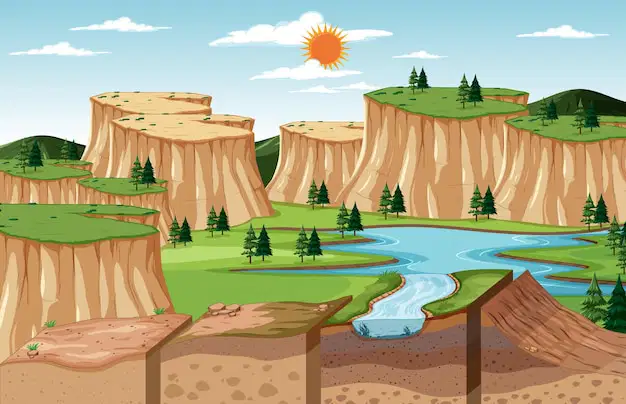
c)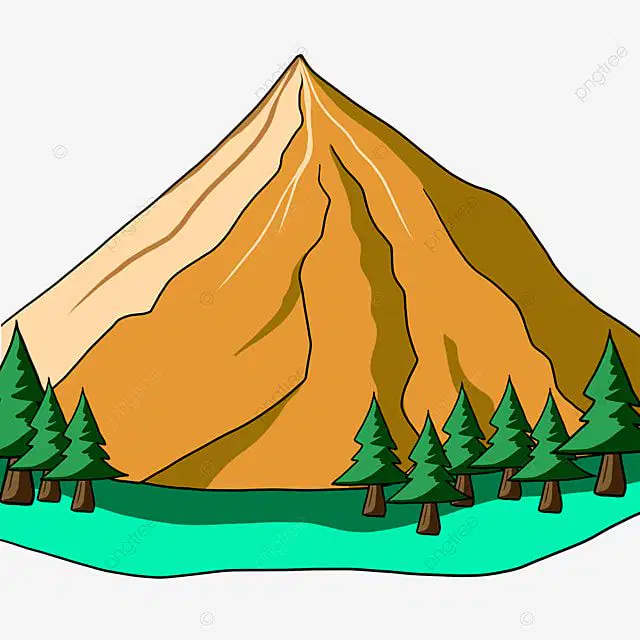
d)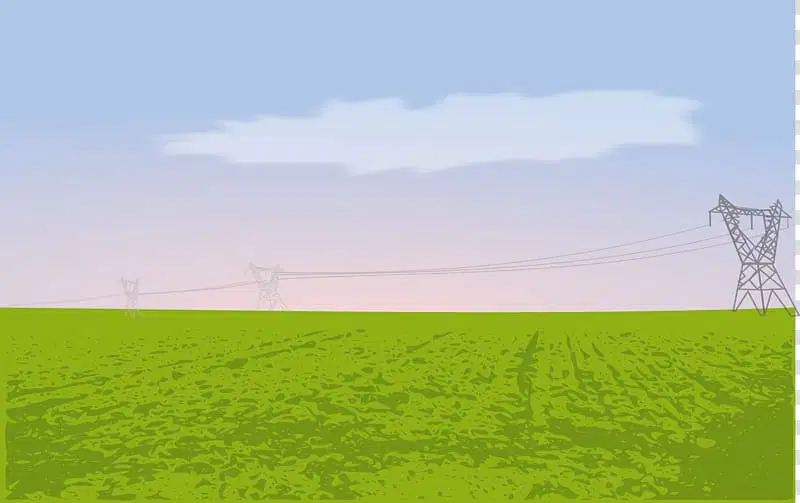
88.
which picture shows valley
a)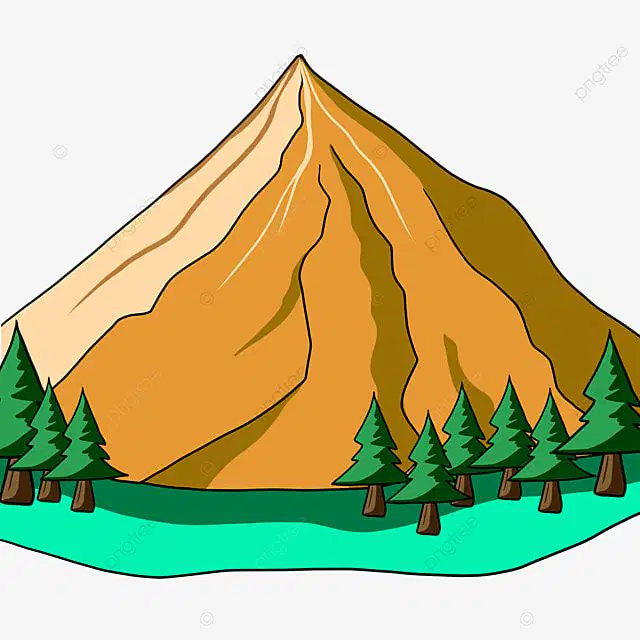
b)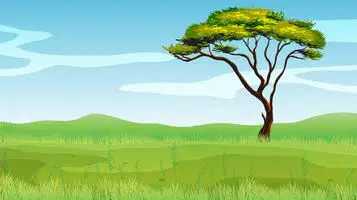
c)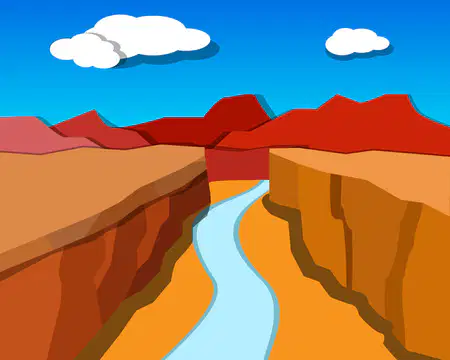
d)
89.
which picture shows Canyon
a)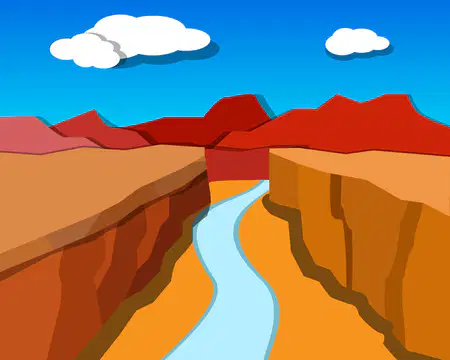
b)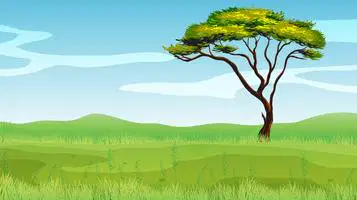
c)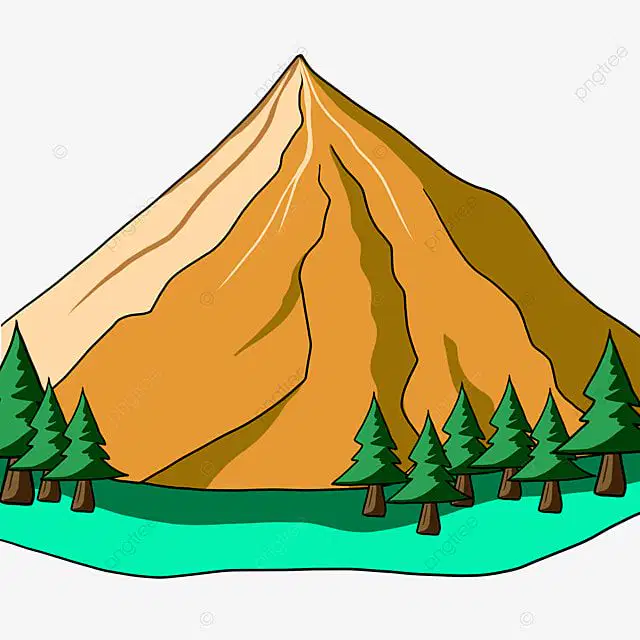
d)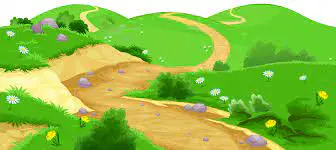
90.
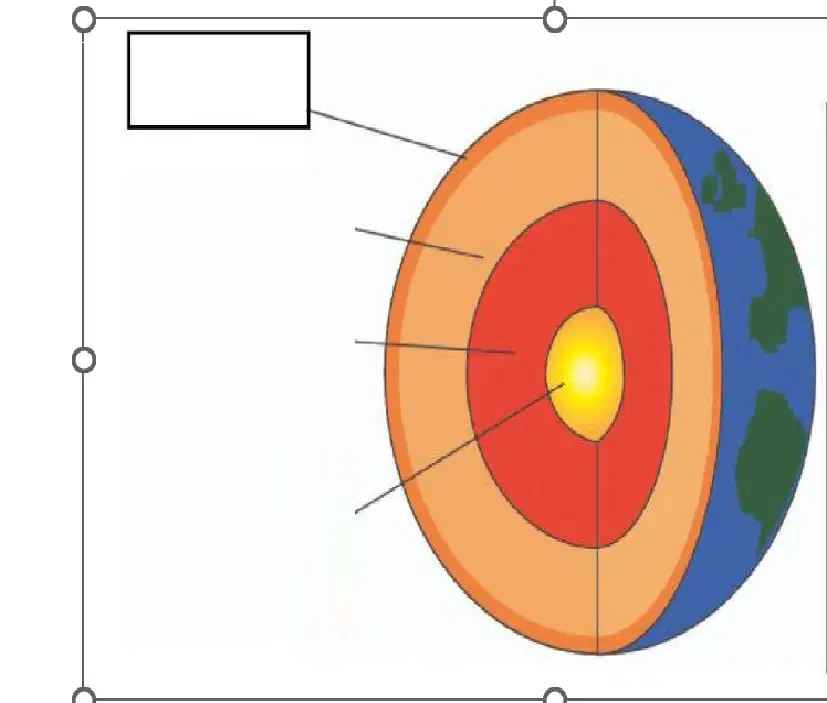
Look at the picture. What part of earths layer is this?
a)
crust
b)
mantle
c)
outer core
d)
inner core
91.
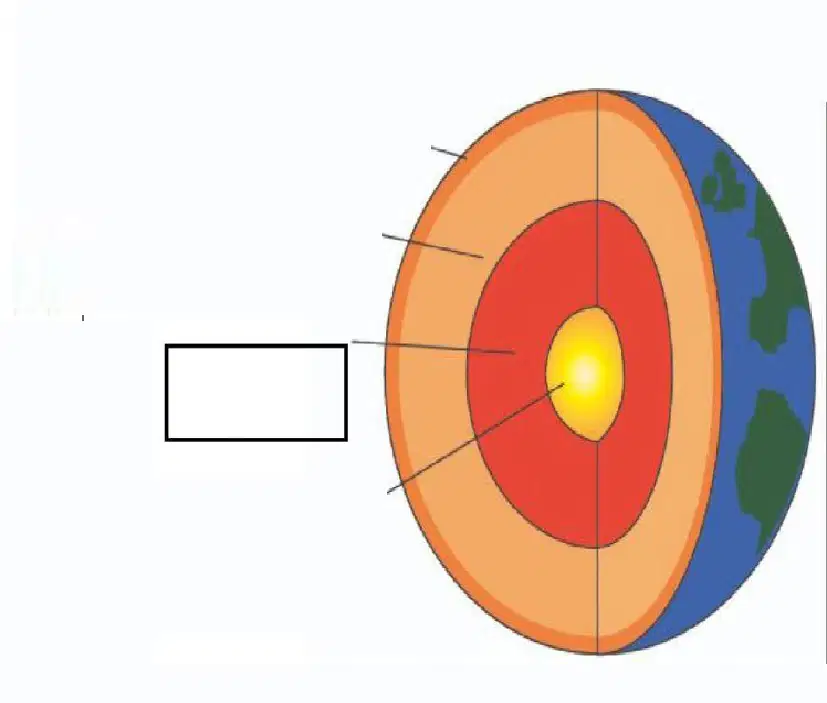
Look at the picture. What part of earths layer is this?
a)
crust
b)
mantle
c)
outer core
d)
inner core
92.
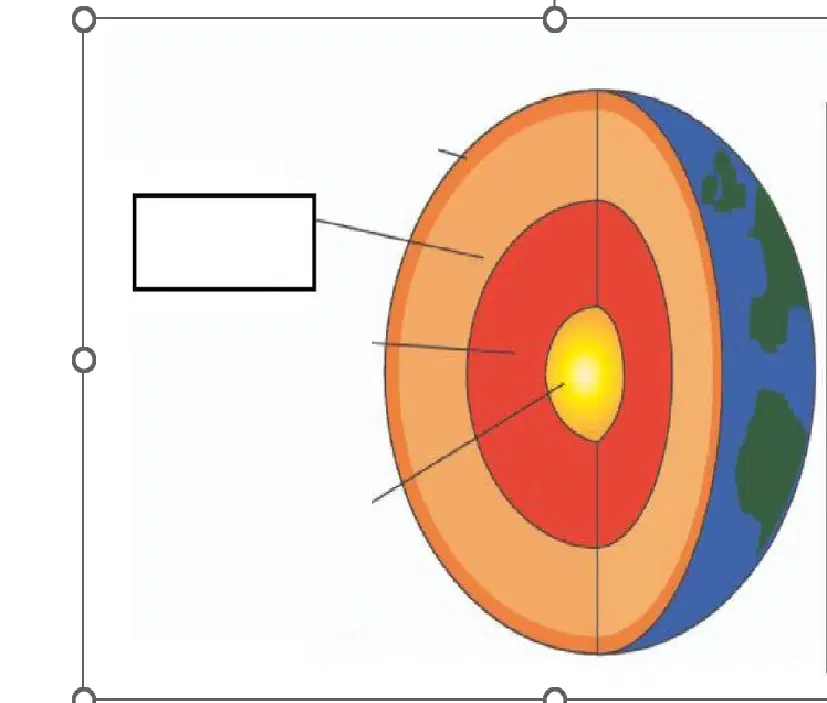
Look at the picture. What part of earths layer is this?
a)
crust
b)
mantle
c)
outer core
d)
inner core
93.
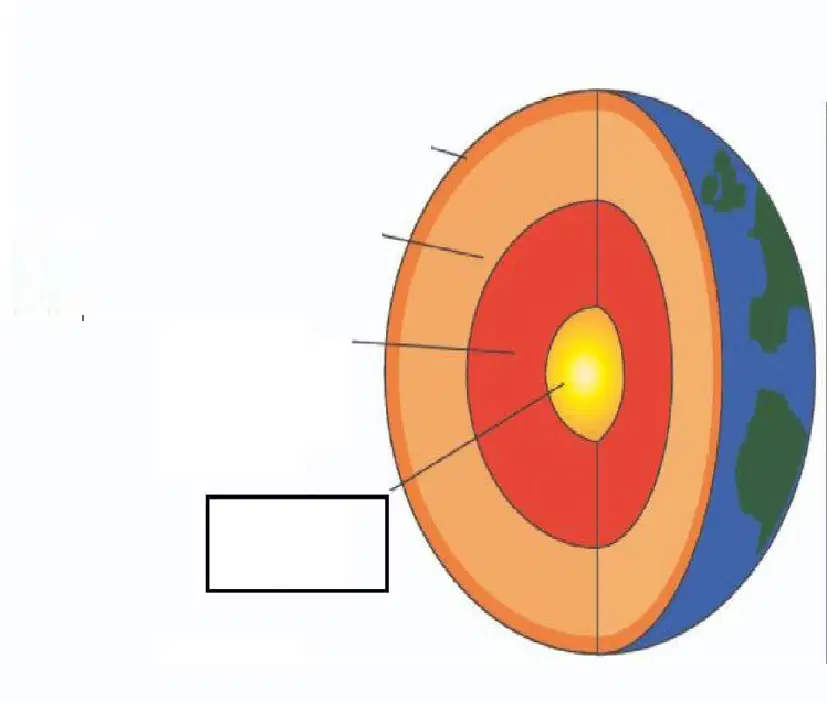
Look at the picture. What part of earths layer is this?
a)
crust
b)
mantle
c)
outer core
d)
inner core
100 %

