
 Worksheets
CBA3 Review - Evolution and Body Systems
Total questions: 39
Worksheet time: 30mins
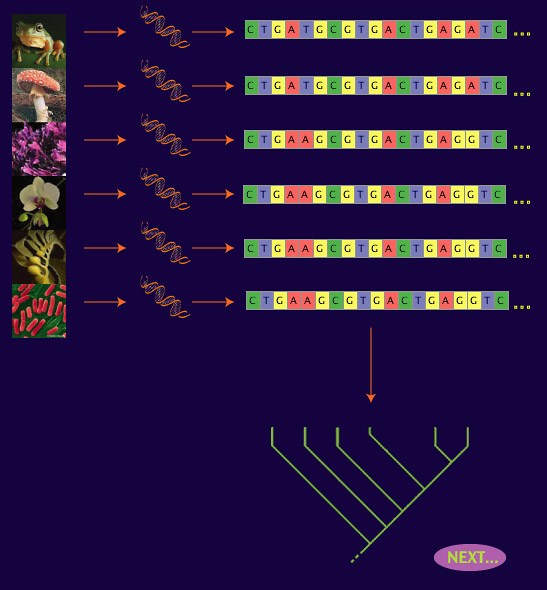


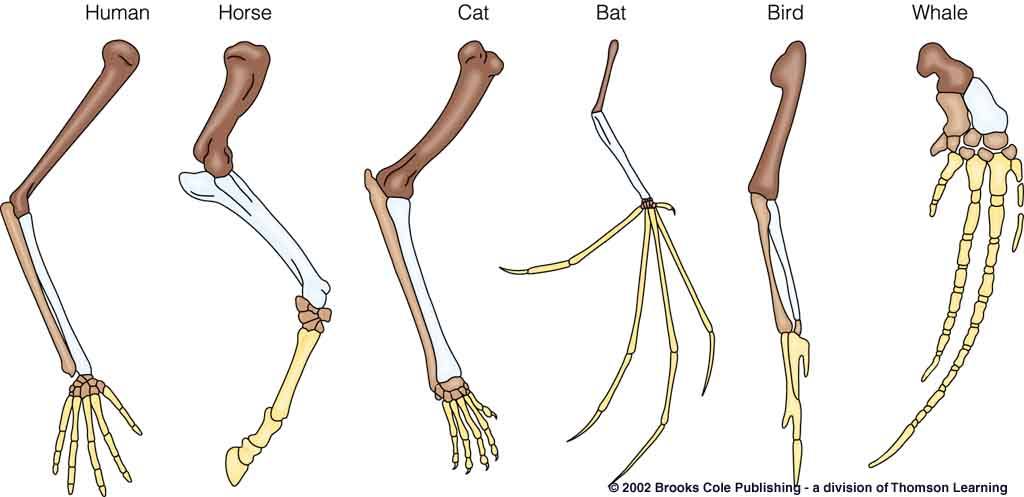
Whales are aquatic mammals that contain a pelvis (hip) bone. Even though it does not aid in its movement, the function must have been used by a common ancestor of the whale. Thus, the pelvis is referred to as a(n)
vestigial structure
analogous structure
homologous structure
A trait or change in lifestyle that helps a plant or animal survive in its environment
adaptation
evolution
homologous
vestigial
Genetic Diversity is increased through this process.
Gene Flow
Genetic Drift
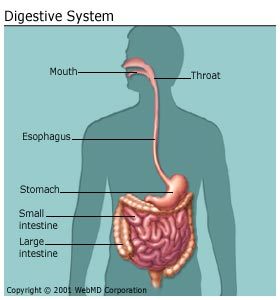
"The small intestine absorbs nutrients from our food and they are carried through the blood to the cells."

Removes wastes from blood.
excretory system
lymphatic system
endocrine system
digestive system

Breaks down food into nutrients that can be used by the body.
excretory system
cardiovascular system
digestive system
nervous sytem

Supports the body and protects important organs.
skeletal system
muscular system
nervous system
digestive system

Gathers oxygen from the environment and gets rid of carbon dioxide from the body.
cardiovascular system
respiratory system
endocrine system
lymphatic system
How does the digestive system work with all the other systems?
The digestive system transports blood to all the other systems.
The digestive system puts oxygen into the body
The digestive system gives the body energy and nutrients
The digestive system allows the body to move
The ______ acts as a barrier to protect the body from the outside world
mouth/teeth
lungs
skin
small intestines
How do the circulatory system and the skeletal system work together?
The circulatory system makes cells while the skeletal system transports the cells where they need to go
The skeletal system makes blood cells while the circulatory system transports them where they need to go
The circulatory system produces energy for the body and the skeletal system makes cells for the body
The skeletal system digests food and the circulatory system brings air into the body
Which of the following is in the correct order of least complex to most complex?
tissue - organ - organ system- cell
cell - organ - tissue - organ system
organ system - tissue - cell - organ
cell - tissue - organ - organ system
What is a cell?
Groups of similar types of cells that work together to carry out a specific task
Groups of different tissues working together to perform a particular job
Groups of different organs working together to complete a series of tasks
The smallest unit of life

What terms should replace X and Y in the table?
elements; compounds
abiotic; biotic
microscopic; macroscopic
natural; man-made
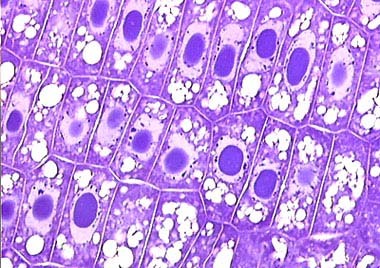

What are organs made out of?
cells
organisms
tissues
organ systems

