
 Worksheets
Unit 3: Plant Systems and Energy Transformation
Total questions: 225
Worksheet time: 3hrs 25mins
Plant Cells are identifiable by their...
(Choose all that apply)
cell walls
large central vacuole
multiple nuclei
green cytoplasm
Changes in the shape of (a) cells result in the opening and closing of a stomata.
Which of the following are functions of roots?
take in water and dissolved minerals
anchor plants to the soil or other object
support of leaves and reproductive costumes
photosynthesis
Which of the following is the main function of leaves?
take in water and dissolved minerals
anchor plants to the soil or other object
support of leaves and reproductive costumes
photosynthesis
Which of the following is the main function of stems?
take in water and dissolved minerals
anchor plants to the soil or other object
support of leaves and reproductive structures
photosynthesis
Water evaporates through the stomata in a process called _____________ that helps pull the water column upward.
Transporation
osmosis
diffusion
transpiration
Label the Plant Cell
The leaf's waxy cuticle
stores water
reduces evaporation and dehydration
transports water into the leaf
absorbs water for the leaf
Where do gases involved in photosynthesis pass in and out of the leaf?
stomata
phloem
xylem
cuticle
What part of a plant transports water and soil minerals through the roots, stems, and leaves?
root hairs
phloem
xylem
cuticle

Which of the following is the function of the guard cells on the lower surface of the leaf?
synthesizing proteins
transporting water and minerals
control how much water is lost from the leaf
allowing light to enter the leaf
What is a plant tropism?
A stimulus that affects plants.
The way a plant responds to a stimulus.
The way a plant grows.
The way a plant dies.

The diffusion of water vapor out of a leaf
transportation
transformation
transpiration
translocation
Needle-shaped leaves help plants ____________ more water than broad leaves.
lose
create
absorb
conserve
Xylem transports ___________________and phloem transports __________ inside of the plant.
water up; food down
water down; food up
food up; food down
food down, food up

What structure is label A showing?
A vein containing xylem and phloem
Palisade mesophyll
spongy mesophyll
stomata and guard cells

If plants don't store up water, how does water leave the plant?
The roots get rid of excess water.
Most plants DO store water.
It is released from the leaves by TRANSPIRATION.
The leaf is known as the ___________.
photogenic organ
Photosynthetic organ
Photographic organ

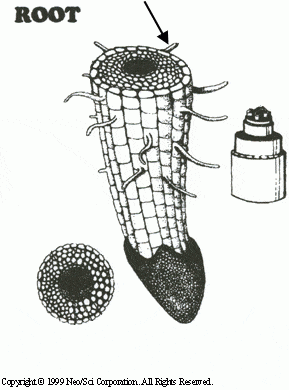
Why are these root hairs so important to this germination seed?
they connect the xylem and phloem
they increase the surface area for absorption of water and minerals
they are needed to store food
they are needed for photosynthesis
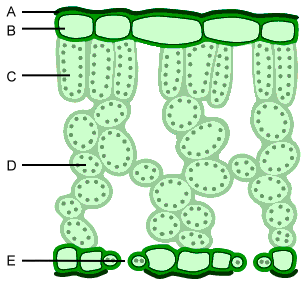
Which of the following is pointing to the "stomata"?
B
C
D
E

Plants curling around a pole or mailbox is an example of:
Phototropism
Germination
Turgor pressure
Thigmotropism

If the phloem found beneath the bark of a tree is removed, what will happen to the tree?
It will go dormant
It will generate new phloem
food would not be able to reach the roots and it will die
No change will be seen

The movement or growth of a plant in response to the light coming from this window is called __.
Thigmotropism
Geotropism
Phototropism
Hydrotropism

Which type of tropism is represented in the GIF?
Hydrotropism
Thigmotropism
Phototropism
Gravitropism

Which type of tropism is represented in the GIF?
Hydrotropism
Thigmotropism
Phototropism
Geotropism

Which type of tropism is represented in the GIF of a Venus Fly Trap?
Hydrotropism
Thigmotropism
Phototropism
Gravitropism
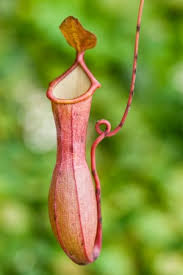
Identify the picture
sundew
Venus flytrap
pitcher plant

What is one possible reason for seeds to have hooks or barbs?
to stay warm during the winter
to protect themselves from sunlight
to get attached to passing animals and get carried away
to stick to animals and steal nutrients from them

This contains the male gametes or sperm
pollen grain
ovule
seed
fruit
The structure which forms the seed after fertilization
pollen grain
ovule
seed
fruit
This is the ripened ovary of a flower.
pollen grain
ovule
seed
fruit
Label the parts of the flower.

The 3 parts of the pistil include:
the stigma, the filament, the ovule
the petal, the pistil, and the style
the stigma, the style, and the ovule
the anther and the filament
Which part of the flower is where the pollen "sticks" to fertilize the ovule?
style
filament
stigma
anther
The part of the flower that produces the pollen is called
anther
stamen
filament
ovule
What part of the seed is where the first seed leaves form?
epicotyl
hilem
cotyledon
radicle
Where is the pistil located in a flower?
In the center
under the stalk
What is the correct description of pollination?
Pollen grains are transferred from anther to the ovary
Pollen grains are transferred from the anther to the stigma
Pollen grains are transferred from the ovary to the stigma
Pollen grains are transferred from the stamen to the anther

The diagram shows a section of a flower that has been cross pollinated.
Which statements about this flower are correct?
1. The pollen produced by this flower will be genetically different from the pollen on the stigma
2. The pollen was carried to the stigma by wind
3. This flower is insect- pollinated because the stigma is enclosed by the petals.
4. The pollen was produced by another flower on the same plant
1,2, and 4
1 and 3
3 only
2 and 4 only
The process of the nucleus of the pollen fusing with the nucleus of the ovule is called ________________.
Pollination
Fertilisation
Germination
reproduction
Which part of the flower is usually feathery or sticky?
petals
stigma
anther
nectar

Why are shorea seeds able to be dispersed by the wind?
It is light and has wing-like structure
It has hooks to hook onto the fur of animals
It has a fibrous husk that makes it float
It has dry pods that split open
All the following are the seed dispersal methods, except.......
By wind
By warmth
By animals
By explosive mechanism
Which statement describes a structural adaptation of a wind-pollinated flowers?
They have long filaments so that the anthers hang outside of the flower
They have round,sticky sepals to trap pollen grains
Their large petals protect the stigma
Their stamens are feathery so there is a large surface area
When fertilization has occurred the fertilized ovule changes and so does the ovary.
What do they turn into?
The fertilised ovule turns into honey and the ovary turns into nectar.
The fertilised ovule turns into the fruit and the ovary turns into the seed.
The fertilised ovule turns into a seed and the ovary turns into the fruit or pod.
The ovule grows bigger and the ovary withers.
Which type of pollination requires a symbiotic relationship with other organisms?
Insect Pollination
Wind Pollination

What is the first thing you notice about the image?

Which part of the flower produces the female gametes?
Anther
Ovary
Stigma
Petal
Where is pollen made?
Pistil
Anther
Petal
What is the function of the petal?
Pollen is production
Can help plants
Attract pollintors
Product of sexual reproduction generally generates:
(a) Longer viability of seeds
(b) Prolonged dormancy
(c) New genetic combination leading to variation
(d) Large biomass
Seeds are found in...
leaves
roots
stems
fruits
What does xylem transport?
Water and minerals
Water only
Sugar
Food
Water and minerals move in which direction within the plant
Upward
Down
What does phloem transport?
Water
Minerals
Fruit
Sugar
How does water enter the roots from the soil?
The transpirational pull on xylem sap is transmitted all the way from the leaves to the root tips and even into the soil solution.
True
False
This green pigment absorbs energy from sunlight
chloroplast
chlorophyll
chromosome
chloramphenicol
Osmosis takes place in which of the following?
Roots
Stem
Leaves
Air
Why is osmosis not the same thing as diffusion?
A partially permeable membrane is needed for osmosis
A partially permeable membrane is needed for diffusion
Osmosis involves oxygen only
Diffusion involves water only
Water molecules move...
towards an area with lots of solutes
away from an area with lots of solutes
against the concentration gradient
nowhere
Osmosis is the movement of which molecule?
Water
Oxygen
Hydrogen
Any
Water molecules move from...
dilute to a more dilute solution
dilute to a more concentrated solution
concentrated to a more dilute solution
concentrated to a less concentrated solution
Which term refers to the movement of a substance from an area of higher concentration to an area of lower concentration?
active transport
diffusion
cellular transport
mitosis

If plants do not get watered, they will start to wilt because their central vacuoles are empty. When they get water again, they will stand back up because their vacuoles have filled back up. What process allows their vacuoles to fill back up with water?
active transport
photosynthesis
osmosis
diffusion
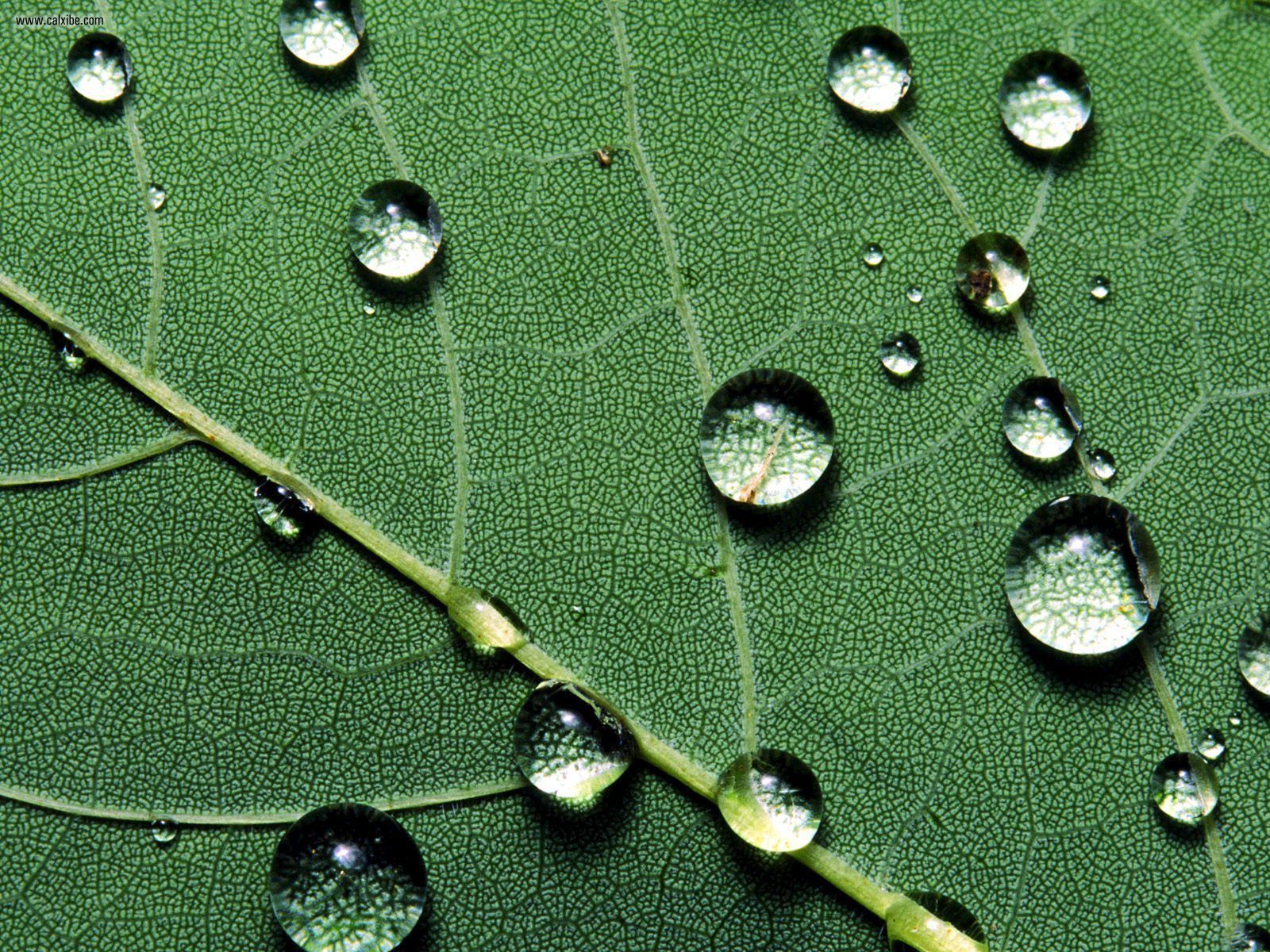
Refer to the picture of water sticking to a leaf; this is occurring because of:
Adhesion
Cohesion
Describe cohesion.
Water molecules attracted to other substances.
Water molecules climbing upwards against the force of gravity.
Water molecules dissolving many substances.
Water molecules attracted to other water molecules.
What are the functions of the roots? (Select all that apply)
Absorbing Water and Minerals
Attracting Insects
Anchoring the Plant
Performing Photosynthesis
Making Nectar
How does water enter a plant?
through the stomata
through the roots
by active transport in root hair cells
by osmosis in root hair cells
What are the best words to describe a sugar source and sugar sink?
Both are plant organs and act as storage
Sugar sinks can be either roots, fruit or mature leaves and sugar sources are shoots
Sugar sources act as site for sugar production and sugar sinks will store sugar
Companion tubes carry food from a sugar source to a sugar sink
The process by which sugars are moved to the rest of plant by phloem is known as:
transpiration
respiration
photosynthesis
translocation
Which of the following is a source during translocation in plants?
Merismetic tissue in the root
Leaves
Roots
Fruits and flowers
What happens to the osmotic pressure in sieve tubes when sugar concentrations increase?
The pressure increases
The pressure decreases
No change
Which plant structures are DIRECTLY involved in the production and transport of glucose? Select TWO correct answers.

Students set up a controlled experiment by growing the same type of seedling in two different locations. After a period of time, the students observed the seedling and recorded their observations in the table shown. What caused the shoots of the seedling on the windowsill to bend toward the window?
hormones produced in response to a light stimulus
sugars produced in response to a gravity stimulus
carbon dioxide produced in response to a water stimulus
water produced in response to a nitrogen stimulus

A chart of some plant functions is shown
Complete the chart by indicating which system is responsible for each of the functions listed. Option 1 is __ (a) ____, option 2 is (b) , and option 4 is (c) .

A corn plant produces both male and female flowers. The male flower forms the tassel and the female flower forms the ear of corn. the silks that emerge from the ear are the stigma of the female flower. Each silk leads to an ovule that can become a corn seed.
Which of these must happen for corn seeds to develop on the ear?
More tassels than silks need to be present
Pollen grains must fall from tassels and land on the
silks of the ear.
Pollen must be transported from the tassel to the silk
through the phloem
The tassels must come into direct contact with the
silks of the ear.
Organize the following steps in the correct sequence
The petals attract pollinators
Pollen is deposited on the stigma
The pollen grain grows and fuses with the ovule
The internal transport of water and minerals in plants requires that two systems work together. Which diagram correctly describes how the two systems accomplish this?
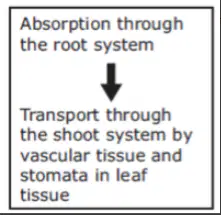
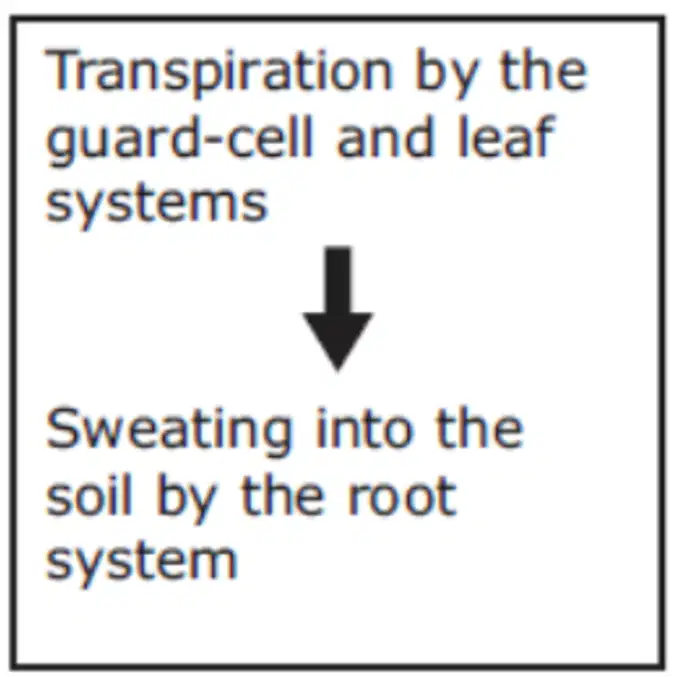
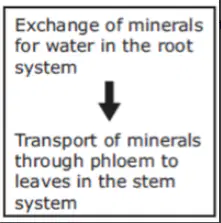
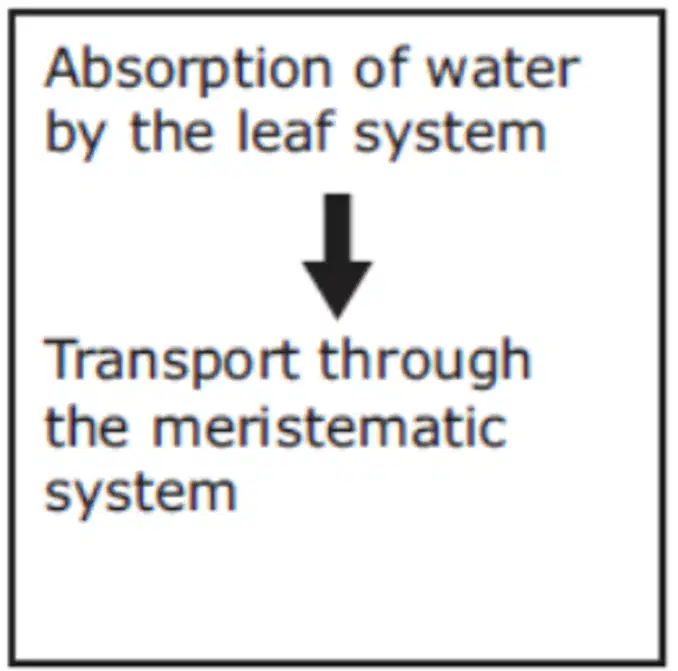
Plant hormones serve as chemical messengers between cells and tissues. Auxin is a plant hormone that causes the cells on the shady side of a plant shoot to elongate. The response enabled by auxin is known as
geotropism
transpiration
phototropism
photosynthesis

A student reads this advertisement for a product containing a plant micronutrient that can be added to soil. Based on this information, the student can conclude that boron is absorbed by plant roots from soil then-
transported to reproductive tissues by the plant’s shoot system
stored in plant stems until the flowers are pollinated
concentrated in the roots until the plant’s reproductive tissues mature
transported by the phloem to the stomata in leaves, where it attracts pollinators
Cytokinins are a class of plant hormones that help regulate growth by promoting cell division. Cytokinins are produced mainly in meristematic tissue, where most plant growth occurs. Which system carries cytokinins produced in the roots to the rest of the plant?
Vascular System
Dermal System
Reproductive System
None of these
The (a) absorb water and minerals and move them up the (b) , while the stem moves food produced in the (c) down to the (d) in tiny tubes called (e) .
Plants called sundews have rounded green leaves with many hair-like structures. The ends of these structures contain enzymes in a sticky liquid that looks like nectar or moisture, as shown in the picture. The hairs do not react to dust or nonliving material but will bend inward when insects get caught in the sticky liquid. Sundews digest trapped insects over a period of a few days. Based on this information, what functions do the specialized leaves of sundews perform?
provide water to the plant and perform photosynthesis
respond to stimuli and anchor the plant
provide nutrients to the plant and respond to stimuli
release pollen to insects and perform photosynthesis
Plants have cell walls made of (a) and fungi have cell walls made up (b)

A flower that has both male and female reproductive structures is shown. Which statement best describes an interaction that will allow a flowering plant to reproduce by self-pollination?
An anther is transferred from a filament to another filament within the same flower.
An ovule is transferred from the ovary to a petal on a different flower.
A pollen grain is transferred from an anther to the stigma of the same flower.
An ovary is transferred from a flower on one plant to a flower on a different plant.
Seeds that are planted upside down are still able to grow into mature plants. What best explains this phenomenon?
The roots change into branches, and the branches turn into roots
The roots grow toward the force of gravity, and the shoots grow away
The plant will become a smaller version of a mature plant
Roots always grow toward the dark, and shoots will grow toward the light
In order for a flowering plant to reproduce, pollen must be transferred from
pistil to anther
anther to style
anther to stigma
stamen to filament
Which of the following are NOT found in animal cells?
chloroplasts and cytoplasm
chloroplasts and cell wall
cell wall and cell membrane
mitochondria and nucleus
What is the function of the cell membrane, in ALL living organisms?
Provides support and structure in the cell.
Synthesizes protein for ATP for the cell.
Storage of raw materials (food) and ATP for the cell.
Regulates the transport of materials into and out of the cell.
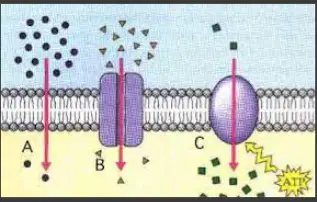
What type of transport is occurring in Part C of the diagram shown?
Active Transport
Osmosis
Facilitated Diffusion
Diffusion

This picture represents what type of cell transport?
endocytosis
exocytosis
osmosis
passive transport
The cell membrane of the red blood cell will allow water, oxygen, and carbon dioxide to pass through. Because other substances are blocked from entering, this membrane is called
perforated
semi-permeable
non-conducive
permeable
Which of the following describes the structure and function of a cell membrane?
I. semipermeable bilayer of phospholipids that regulates what enters and exits the ribosomes during protein synthesis
II. phospholipid bilayer that has hydrophobic and hydrophilic regions to regulate the movement of substances across the membrane
III. proteins embedded with organelles that allow big molecules to cross using passive diffusion.
II only
I and II
III only
II and III
Endocytosis is different from facilitated diffusion. Which of the following accurately describes the main differences between the two types of transport?
I. Facilitated diffusion uses energy to help carrier molecules across the membrane, but endocytosis uses energy to export large molecules from the cell.
II. Endocytosis is an example of active transport while facilitated diffusion is passive.
III. Both are methods of active transport; endocytosis uses transport molecules to ingest large molecules and facilitated diffusion uses carrier proteins to export water.
No answer is correct
II only
I and III
II and III

Which of these is true about the enzyme in Figure 1 above?
It has become denatured after the process
The enzyme is unaffected and can be used again
The enzyme is the pointed molecule
The enzyme is combining molecules of the substrate
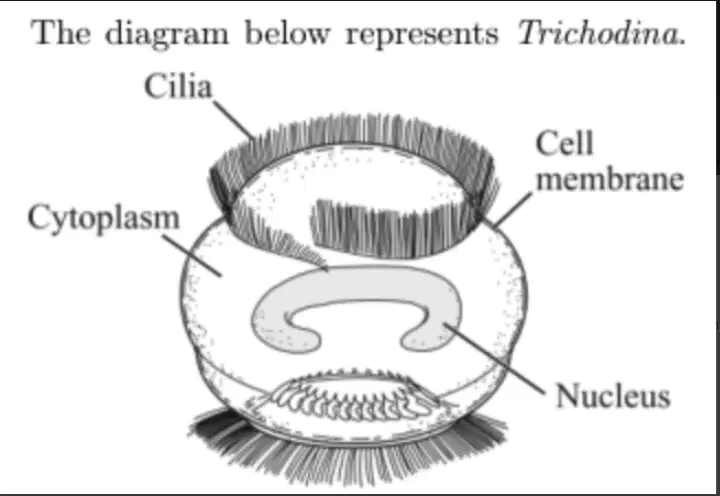
Trichondia is a eukaryotic organism that attaches itself to fish and eats bacteria. Which of the following distinguishes Trichodina from all prokaryotes?
Trichodina is unicellular
Trichodina has a nucleus
Trichodina has cytoplasm
Trichodina is heterotrophic
Organize the levels into the least complex to the most complex:
organelle
cell
tissue
organ
organ system
Match the following
requires ATP
endocytosis
does not require ATP
diffusion
transport that moves molecules from high to low
passive transport
transport that moves molecules from low to high
active transport
Organize the levels into the least complex to the most complex:
organism
population
community
ecosystem
biome
Your friend is really irritable while sitting in class. He feels lightheaded and dizzy. He is also feeling a bit of confusion and brain fog.
What biomolecule does your friend need?
Carbohydrates
Lipids
Proteins
Nucleic Acids
Dystrophin is a molecule that holds muscle fibers together. In people with muscular dystrophy, a genetic disease that causes people to lose the ability to walk at a young age, dystrophin molecules never develop.
What biomolecule is this person missing?
Carbohydrates
Lipids
Proteins
Nucleic Acids
Bowhead whales can have a specialized layer of blubber up to 30 cm’s thick. This acts as a special insulation that traps the heat their muscles create from movement.
What biomolecule is the blubber primarily made of?
Carbohydrates
Lipids
Proteins
Nucleic Acids
Helicase, an enzyme, is an example of a biomolecule that can destroy bonds between DNA strands during DNA replication.
What biomolecule is helicase?
Carbohydrate
Lipid
Protein
Nucleic Acid
A scientist discovers new life on a distant planet. While watching the alien species live on the planet, scientists begin to notice that in order to hunt this species will attack another smaller species and inject them with some sort of liquid. After a short time, the smaller organism develops a sort of necrosis which is when a small portion of the organism's flesh begins to break down. Soon after necrosis begins the smaller organism dies.
What can you infer about the function of the poison?
It decreases fast sources of energy
Proteins are being broken down or reshaped
The coding information in the cell is altered
If removes insulation and long term energy storage
Match the following functions to the biomolecule
Lipid
Act as hormones
Protein
Amino acids
Build muscle
Nucleic acid
Carry genetic information
Carbohydrate
Energy source (cellular respiration)
Enzyme
Catalyst
Label the parts of the enzyme model
Substrate
Products
Enzyme
Active Site
Enzymes are (a) that (b) chemical reactions by (c) the amount of activation energy required to start the reaction.
Which set of notecards most accurately compares Eukaryotic and Prokaryotic cells?
Label the images below
Active Transport
Simple Diffusion
What do Carbs and Lipids have in common?
They are both in cell walls
They are energy types
They help build muscle
They code for your traits
Reorder the following
Organ System
Organism
Population
Community
Ecosystem
The enzyme has a mouth called the (a) . The (b) must (c) into the active site in order for the enzyme to work.
Product of Photosynthesis
Glucose(sugar)
+
Oxygen (stomata)

Photosynthesis
Product of Respiration
Carbon Dioxide
+
Water
+
ATP

Respiration
Xylem = (a)
Phloem = (b)
Self Pollination = pollen is transferred from the (a) to the (b) of the (c) flower
Which of these is INCORRECT?
bacteria
ribosomes
cytoplasm
cell membrane
genetic material
NO nucleus
Nuclear membrane
Have Nucleus
Have membrane bound organelles
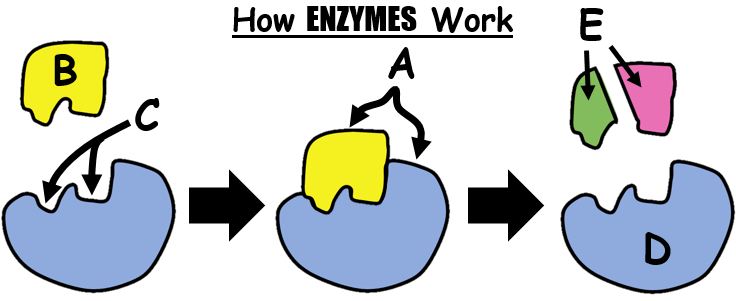
A (a)
B (b)
C (c)
D (d)
E (e)
Denature = the (a) of the enzyme is (b) or too damaged and the (c) can not fit inside anymore, this means the enzyme (d) function.

ATP molecules are (a) .
ADP stands for Adenosine (a) -Phosphate. This means it has 2 phosphate groups.

In chloroplasts, Light Independent reactions take place in the (a) space.
Label the missing inputs and outputs of photosynthesis.
(Diagram = Chloroplast)

What happens in our cells if no oxygen is available? (pick 3)
2 ATPs are still made by glycolysis
The Kreb's cycle can't happen
fermentation
the electron transport chain makes 34 ATPs

What does blood have to do with cellular respiration? (pick 3)
carries needed O2 to the cells
carries CO2 byproduct to the lungs
carries needed glucose to the cells
carries silicon byproduct to the lungs
How many phosphate groups does ATP have?
1
2
3
4
Place the stages of cellular respiration in order. (#1 = Stage 1)
Glycolysis
Kreb's Cycle
Electron Transport Chain
This organelle is a mitochondrion. The background is cytoplasm. Where does the Kreb's cycle happen?
Let's say "environmental condition" is temperature. Which temperature will the fish thrive in?
Match the biomolecule to its chemical composition.
Carbohydrate
C1H2O1
Protein
CHON (sometimes S)
Lipid
CHO
Nucleic Acid
CHONP
Match the biomolecule to its function.
Carbohydrate
Quick Energy
Protein
Builds Structures
Lipid
Stored Energy
Nucleic Acid
Genetic Information
Fill in the table for the cellular processes listed.

The image shows an enzyme being used to break apart a substrate. The enzyme is (a) after the reaction has completed.
(a) is the regulation and maintenance of constant internal conditions in an organism
Label the major plant systems.
Match the plant organ to its function.
Photosynthesis
Leaf
Transport of water and nutrients
Stem
Absorption of water
Root
Reproduction
Flower
Match the plant response to its description.
Turning or bending of a plant in response to contact with an object
Thigmotropism
Growth of a plant toward a light source
Phototropism
Growth of a plant toward water
Hydrotropism
Plant stems grow upward, against gravity, and roots grow toward the gravitational pull
Gravitotropism
Put the images in order from simplest (left) to most complex (right).


Put the images in order from simplest (left) to most complex (right).


Proteins and carbohydrates have many functions in the body of an organism. Specific proteins and carbohydrates perform specific tasks. Information about a protein and a carbohydrate is given below.
How are ferritin and glycogen similar in their primary functions for an organism?
Both store materials needed by the organism.
Both store energy used by the organism.
Both support the structure of the organism.
Both store information for the organism.
A Venn diagram comparing the functions of proteins and nucleic acids is shown.
Which functions BEST complete the Venn diagram?
Select the correct answer for each box. Not all answers will be used.
Photosynthesis and cellular respiration both involve the use and release of gases. Which statement correctly identifies the role of gases in the two processes?
Photosynthesis and cellular respiration both use carbon dioxide and release oxygen.
Photosynthesis and cellular respiration both use oxygen and release carbon dioxide.
Cellular respiration uses oxygen and releases carbon dioxide, while photosynthesis uses carbon dioxide and releases oxygen.
Cellular respiration uses carbon dioxide and releases oxygen, while photosynthesis uses oxygen and releases carbon dioxide.

A model of two structures that perform cellular processes is shown.
What are the products of the cellular processes in these organelles?
I: glucose and carbon dioxide
II: oxygen and water
I: carbon dioxide and oxygen
II: glucose and water
I: oxygen and glucose
II: water and carbon dioxide
I: carbon dioxide and water
II: glucose and oxygen
The relationship between two cellular processes is shown in the diagram.
What is the relationship between the site of photosynthesis and the site of cellular respiration?
Move the answers to the correct boxes. Each box may require ONE or TWO answers.

The graphs show the reaction rate for an enzyme across a range of temperatures and pH.
Based on these data, this enzyme functions best at what temperature and pH?
Temperature of 27°C and a pH of 4
Temperature of 37°C and a pH of 6
Temperature of 40°C and a pH of 8
Temperature of 50°C and a pH of 10

Some foods that are rich in complex carbohydrates can be difficult to digest. Gas often forms as the foods are slowly digested by bacteria in the large intestine. The advertisement is for a nutritional supplement that prevents intestinal gas.
Which of the following represents evidence that could be used to support the claims about this product?
Complex carbohydrates are found in vegetables and grains, which are good sources of fiber, vitamins, antioxidants, and minerals. Vegetables and grains are known to reduce the risk of heart disease.
Some nutritional supplements provide vitamins and minerals that are missing from a person's diet. These types of nutritional supplements contain important nutrients that reduce the risk of malnutrition.
Consuming enzymes specific for carbohydrate digestion helps the body digest complex carbohydrates more quickly in the stomach and small intestine.
Some nutritional supplements add beneficial bacteria to a person's diet. These bacteria populate the stomach and prevent carbohydrate digestion.
People who have Alzheimer's disease experience an increasing loss of brain function and cognition over time. Alzheimer's is characterized by a buildup of abnormal protein fragments that damage brain cells. Recently scientists have discovered an enzyme, BACE2, that decreases these abnormal protein fragments in the brain of a person with Alzheimer's disease. Which statement explains how BACE2 most likely works?
BACE2 breaks down into smaller pieces that react with the abnormal protein fragments, forming more complex molecules.
BACE2 speeds up the reaction that breaks down the abnormal protein fragments.
BACE2 molecules link several abnormal protein fragments together, forming a complete protein.
BACE2 is a reactant that combines with the abnormal protein fragments.

A model of an enzyme and its corresponding substrate is shown.
Which model best represents the molecules at the end of the reaction?


Fruits grown in hot climates are usually less sweet than those grown in cooler temperatures. The high temperatures increase the rate of respiration in the plant, thus reducing the sugar content in some fruits.
Chloroplasts move from the fruits to the leaves and stems to provide energy for respiration.
The flow of nutrients shifts from the phloem to the xylem, moving nutrients away from the fruits.
Sugars are moved from the fruits to the roots for storage.
Sugars produced in the leaves are used as an energy source instead of being stored in fruits.
Cytokinins are a class of plant hormones that help regulate growth by promoting cell division. Cytokinins are produced mainly in meristematic tissue, where most plant growth occurs. Which system carries cytokinins produced in the roots to the rest of the plant?
Vascular system
Dermal system
Reproductive system
None of these

A flower that has both male and female reproductive structures is shown.
Which statement best describes an interaction that will allow a flowering plant to reproduce by self-pollination?
An anther is transferred from a filament to another filament within the same flower.
An ovule is transferred from the ovary to a petal on a different flower.
A pollen grain is transferred from an anther to the stigma of the same flower.
An ovary is transferred from a flower on one plant to a flower on a different plant.
Which plant structures are DIRECTLY involved in the production and transport of glucose?
Select TWO correct answers.

A student is studying the ecology of a playa lake, which forms after a rainfall in a dry lake bed. The table lists the organisms that the student observed.
Which level of biological organization has the student described in the table?
Biosphere
Organelle
Ecosystem
Community
Compare and contrast Prokaryotic and Eukaryotic Cells
Label the table.
Label the table
Compare and contrast Proteins and Nucleic Acids
Label the plasma membrane
Label the plasma membrane
Using your knowledge of plants and photosynthesis, label the diagram.
Using your knowledge of plants and photosynthesis, label the diagram.
Select the part of the flower that is responsible for the initial pollen collection prior to pollinating the ovary.
Label the parts of a flower
Which cells are Prokaryotic?
Which cells are capable of photosynthesis?

Which molecules would we see more of in our atmosphere if trees were removed?
O2
CO2
Nitrogen
Carbon

Nerve cells need a specific balance of potassium ions (K+) in order to function. Two membrane proteins are involved in maintaining this balance. The proteins and the directions that they move potassium ions are shown in the image.
Which statement correctly describes the actions of the two membrane proteins?
Protein 1: Active Transport
Protein 2: Passive Transport
Protein 1: Passive Transport
Protein 2: Active Transport
Both Proteins use Active Transport
Both Proteins use Passive Transport
Which statement BEST describes how enzymes affect the speed of a metabolic reaction?
Enzymes increase the concentration of the reactants
Enzymes decrease the energy needed to start a reaction
Enzymes replace the reactants in a chemical reaction
Enzymes prevent products from being converted back into reactants
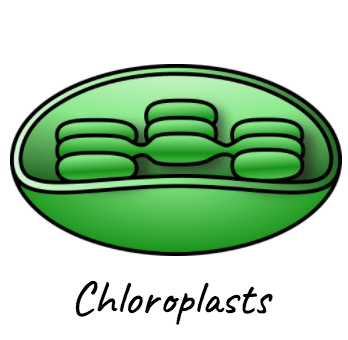
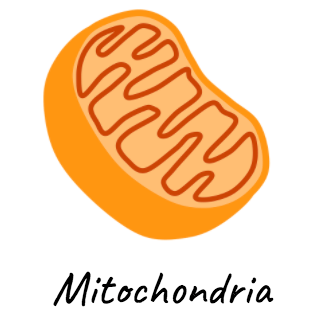
Mitochondria are (a) .
Match the NAME of the chemical to its chemical formula
O2
Oxygen
CO2
Carbon Dioxide
H2O
Water
C6H12O6
Glucose

Cellular respiration and photosynthesis are related because (a) .

What chemical reaction is this?
Photosynthesis
Cellular Respiration

What chemical reaction is this?
Photosynthesis
Cellular Respiration
Label the function of each organelle:
storage
synthesizes enzymes
produces ATP
regulates flow of molecules

Process X represents (a) which occurs in the (b) . Process Y represents (c) which occurs in the (d) . Do both plant and animals cells complete cellular respiration? (e)
When looking at an onion cell under the microscope, in lower power you will see (a) cells and they will be (b) . In high power, you will see (c) cells and they will be (d) .
Match the following:
active transport
requires ATP
passive transport
does not require ATP
diffusion
molecules move from high to low
endocytosis
molecules move from low to high
Label each organelle:
mitochondria
nucleus
ribosome
cell membrane
The process by which plants use sunlight to convert carbon dioxide and water into glucose and oxygen is called (a)
The chemical formula for cellular respiration: (a) + (b) → (c) + (d) + (e)
The chemical formula for photosynthesis: (a) + (b) + (c) → (d) + (e)
In living cells, chemical processes, such as synthesis, all require the action of (something to speed a reaction up)
Specialized antibodies
hormones
biological catalysts
(a) are self feeders that use (b) materials from the environment such as (c) and synthesize (d) materials for their own purposes such as (e) .

