
 Worksheets
Q3 QSE Review
Total questions: 60
Worksheet time: 2hrs 50mins
Which three things are part of the hydrosphere? (Choose 3)
lakes
trees
streams
ponds
mountains
Which three things are part of the geosphere? (Choose 3)
people
hills
plateaus
rocks
plants
Which three things are part of the atmosphere? (Choose 3)
oxygen
carbon dioxide
rivers
oceans
nitrogen
Which three things are part of the biosphere? (Choose 3)
nitrogen
oxygen
plants
insects
fish
Wind blowing the trees and spreading seeds is an example of which two spheres interacting?
biosphere and geosphere
atmosphere and geosphere
atmosphere and biosphere
hydrosphere and geosphere
Moving water in a river that causes erosion in a valley is an example of which two spheres interacting?
hydrosphere and atmosphere
hydrosphere and geosphere
geosphere and biosphere
geosphere and atmosphere
When wind blows sand across the desert, it is an example of which two spheres interacting?
biosphere and hydrosphere
biosphere and geosphere
atmosphere and hydrosphere
atmosphere and geosphere
An elephant spraying itself with water to keep cool is an example of which two spheres interacting?
biosphere and hydrosphere
biosphere and geosphere
hydrosphere and geosphere
biosphere and atmosphere
Clouds floating in the sky are an example of which two spheres interacting?
hydrosphere and biosphere
geosphere and atmosphere
hydrosphere and atmosphere
biosphere and geosphere
Plants growing in the soil is an example of which two spheres interacting?
biosphere and atmosphere
biosphere and geosphere
biosphere and hydrosphere
geosphere and hydrosphere
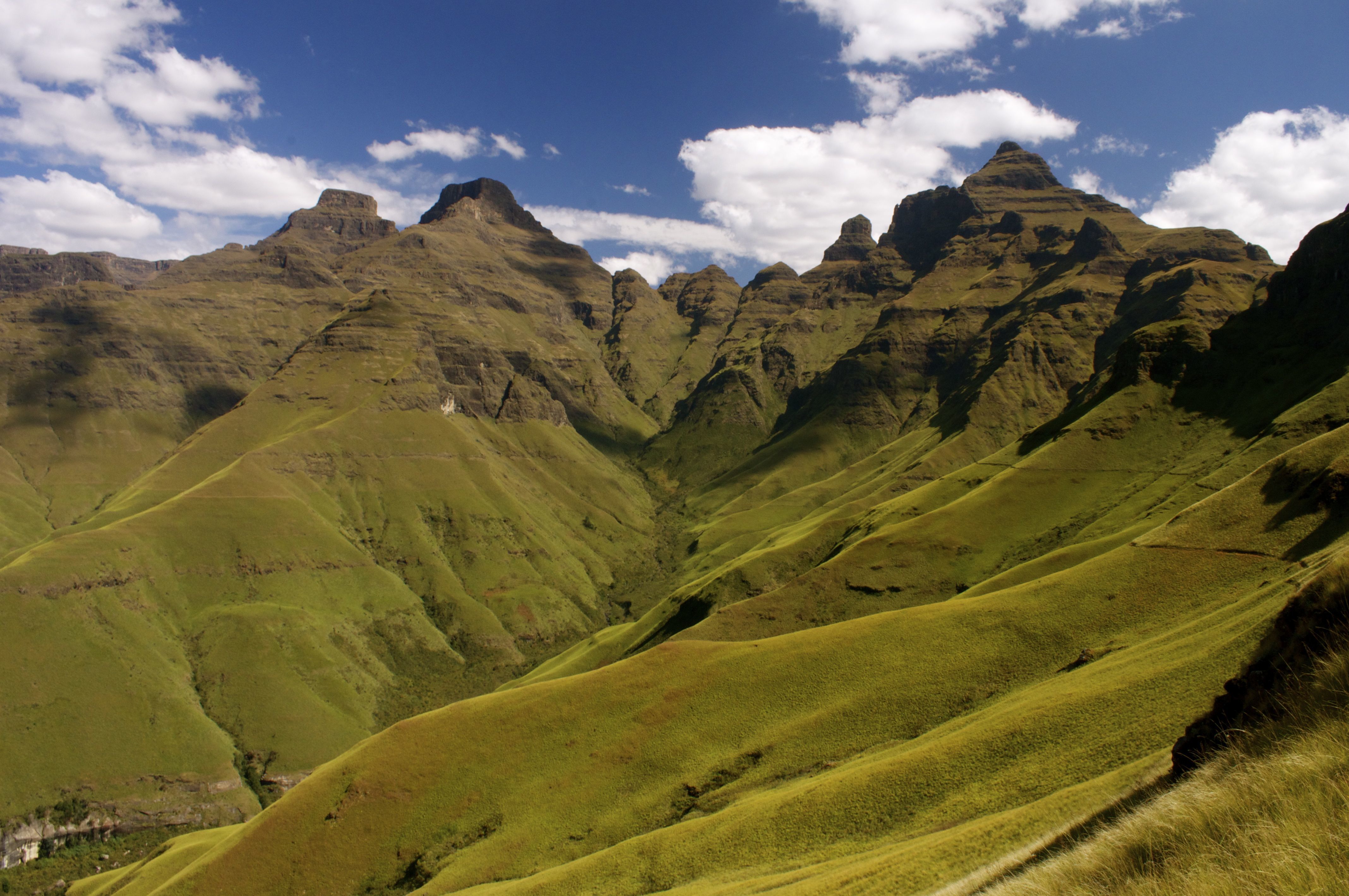
Hydrosphere
Biosphere
Atmosphere
Geosphere
This sphere includes the continents, the ocean floor, all the rocks on the surface, and all of the sand in the deserts.
Hydrosphere
Biosphere
Atmosphere
Geosphere
Cryosphere
Bio =
Earth
Freezing
Life
Water
Air

Body of air surrounding our planet.
Hydrosphere
Biosphere
Atmosphere
Geosphere
Cryosphere
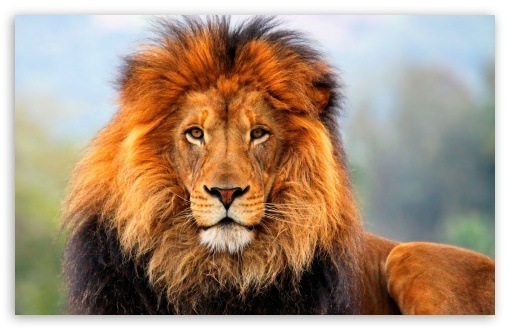
This sphere is composed of all the living things
Hydrosphere
Biosphere
Atmosphere
Geosphere
Cryosphere

If an object is less dense than the liquid it is in, will it sink or float?
Sink
Float
Based on what we know about density, would we find more dense layers in the center of the Earth or less dense layers in the center of the Earth?
More dense in the center
Less dense in the center
What are the two types of crust?
Oceanic
Thick
Continental
Tectonic Plate

What is denser? The lithosphere or the asthenosphere?
Lithosphere
Asthenosphere
Put the layers of the Earth in order from the outermost layer to the innermost
True or False. The mantle is hotter than the crust.
True
False
True or False. The Earth's crust is thicker than the inner layers.
True
False

We live on the ___.
Crust
Mantle
Outer Core
Inner Core
The crust is made of ___.
Metal
Liquid Rock
Solid Rock
Inner Core
The crust is ___.
One smooth shell
Divided into 12 plates
This layer is made of hot liquid rocks (magma).
Crust
Mantle
Core
The mantle is made of ___.
Metal
Liquid Rock
Solid Rock
How have scientists learned about the mantle?
By drilling down to observe it directly
By taking special vehicles to visit the mantle
By observing pieces of the mantle that rose to Earth's surface
This layer is made of extremely hot metal
Crust
Mantle
Core
The core is made of ___.
Solid Rock
Liquid Rock
Metal
Earth has a magnetic field because of the liquid metal in the ____.
Crust
Mantle
Outer Core
Inner Core
The Inner Core is the same temperature as ___.
Neptune
The Crust
The Sun
How have scientists learned about the core?
By drilling down to observe it directly
By making inferences
By observing pieces of the core that rose to Earth's surface
Organize the Layers from the Surface to the Deepest.
Crust
Mantle
Outer Core
Inner Core
Match the layer to its composition.
Crust
Solid Rock
Mantle
Liquid Rock
Outer Core
Liquid Metal
Inner Core
Solid Metal
Match the layer to a handy fact.
Crust
The layer we live on
Mantle
Visible during volcanoes
Outer Core
Creates Earth's magnetic field
Inner Core
The same temperature as the Sun
What type of rock is formed from slow cooling magma UNDER the earth's surface?
Extrusive Igneous
Intrusive Igneous
Metamorphic
Sediment
Identify the series of geologic processes that can transform sediment into shale (sedimentary rock), shale into slate (metamorphic), and slate into magma
Cooling; Melting; Heat and Pressure
Compacting and cementing; heat and pressure; melting
Melting; heat and pressure; cooling
Weathering and erosion; compacting and cementing; cooling
Which characteristic is found only in sedimentary rocks?
Fossils
Crystals
Gas Bubbles
Glassy Surface

The Mount Rushmore National Monument is carved from the granite (formed from magma underground) of South Dakota's Black Hills. What type of rock is granite?
Igneous
Metamorphic
Sedimentary
None of the above

The seated sculpture of President Lincoln inside the Lincoln Memorial was carved out of white Georgia marble (formed from Earth's pressure and heat). What type of is marble?
Igneous
Metamorphic
Sedimentary
None of the above
Which characteristic is common to EXTRUSIVE igneous rocks?
Crystals
Fossils
Glassy surface
Ribbonlike layers
Identify the series of geologic processes that can transform magma into granite (igneous rock), granite into sand (sediment), and sand into sandstone (sedimentary rock).
Cooling; weathering and erosion; compacting and cementing
Melting; heat and pressure; cooling
Weathering and erosion; compacting and cementing;
Weathering and erosion; compacting and cementing; heat and pressure


Which type of rock is made from magma cooling inside Earth?
EXTRUSIVE igneous
INTRUSIVE igneous
metamorphic
sedimentary
Which type of rock is made from lava cooling on the surface of Earth?
EXTRUSIVE Igneous
Metamorphic
Sedimentary
INTRUSIVE Igneous



