
 Worksheets
Kitchen and Food Safety Assessment
Total questions: 45
Worksheet time: 26mins
What is a foodborne illness?
A disease caused by eating too much food
A disease caused by foods that contain harmful bacteria, viruses, parasites, or chemicals
A disease caused by food allergies
A disease caused only by undercooked foods

Which of the following is NOT a type of hazard that can cause foodborne illnesses?
Biological
Chemical
Physical
Accidental
What are the most common symptoms experienced by people with foodborne illnesses?
Fever, headache, and dizziness
Diarrhea, nausea, and vomiting
Itching, skin rash, and sneezing
Cough, sore throat, and runny nose
Why is it important to understand food safety?
So that food tastes better
To keep food costs low
To prevent people from getting sick
To cook food faster
What is the food danger zone?
A physical place where food is not allowed
A temperature range in which harmful bacteria can grow in food
An area in the kitchen where accidents are more likely to happen
The level of spiciness in food that can cause discomfort
What is the main cause of foodborne illnesses?
Eating seafood.
Poor hygiene.
Eating undercooked food.
What is cross-contamination?
Cooking food at high temperatures
Freezing food to eliminate pathogens
A pathogen is transferred from a contaminated surface to food
Mixing different types of food in one container
What can happen if food is kept in the temperature danger zone?
Food can become more nutritious
Food can freeze and become inedible
Food can allow the growth of harmful bacteria and cause illness
Food can be cooked evenly
What are the three types of hazards that make food unsafe?
Biological, chemical, physical
Biological, spiritual, mental
Chemical, physical, environmental
Physical, psychological, biological
Which of the following is an example of a biological hazard in food?
A worm in an apple
Cleaning chemicals in food
Pieces of broken glass in a salad
What does FAT TOM mean?
A method for thoroughly cooking food
A set of conditions necessary for bacterial growth
A type of diet plan
A cleaning procedure for kitchens

Which of the following is NOT listed as a condition that favors the growth of bacteria in food?
Acidity
Light
Temperature
Humidity
Which of the following is an example of a chemical hazard in food?
Hair in the soup
Cleaning agents and disinfectant solutions
Bandage in the chili
Bone in the fish
Which of the following is an example of a physical hazard in food?
Bone in fruit
Time
Oxygen
Acidity
What personal hygiene practices are recommended to keep food safe?
Select all correct answers. Check the (3) three correct answers.
Wear clean and well-fitted clothing.
Always tie long hair back neatly.
Wash your hands with hot water and soap.
Always wear gloves while preparing food.
Use hand sanitizer before handling food.

What must be cleaned and disinfected after each use to ensure food safety?
Tables, floors, windows, and doors
Equipment, work surfaces, thermometers and utensils
Bathrooms, parking lots, and dining areas
Lighting, decorations, and menus
Which of the following is NOT a step in the cleaning and disinfecting process?
Scraping to remove food debris or dirt
Washing with hot water and soap
Rinsing well with clean water
Soaking in cold water
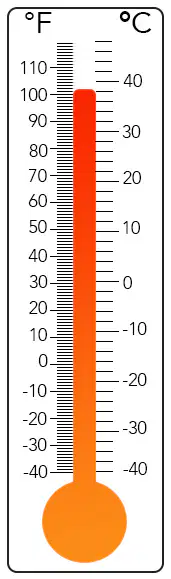
What temperature range is considered the Temperature Danger Zone?
32°F-100°F
40°F-140°F
50°F-125°F
45°F-130°F

Which three of the following foods are most likely to become unsafe if left too long in the temperature danger zone?
Tofu
Beef
Sliced cantaloupe
Bean sprouts
In what temperature range do bacteria that cause diseases grow the fastest?
0°F to 100°F
40°F to 140°F
32°F to 150°F
10°F to 120°F
Which of the following is NOT included in TCS foods (foods that require time/temperature control for safety)?
Milk
Rice
Bread
Sliced tomatoes
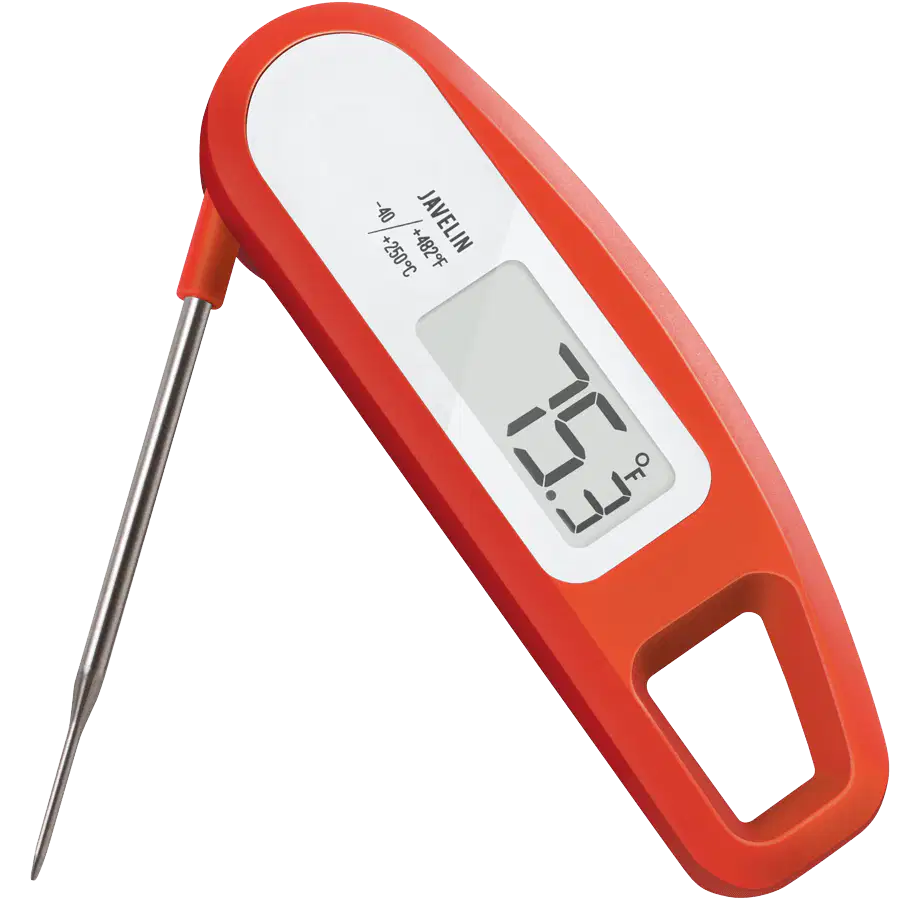
How should a thermometer be used to ensure safety?
It should be kept dry and used only for raw foods.
It should be washed, rinsed, and sanitized before each use.
It should be calibrated once a year.
It should be used only for cooked foods.
Where should a thermometer be placed in meat to measure the temperature accurately?
Select 2 correct answers below.
In the thinnest part of the meat.
On the surface of the meat.
In the thickest part of the meat.
Near the bone of the meat.
In the center of the meat.
What does FIFO mean in the context of safely storing TCS foods?
First in, first out
Food in, food out
First in, food out
Food in, first out
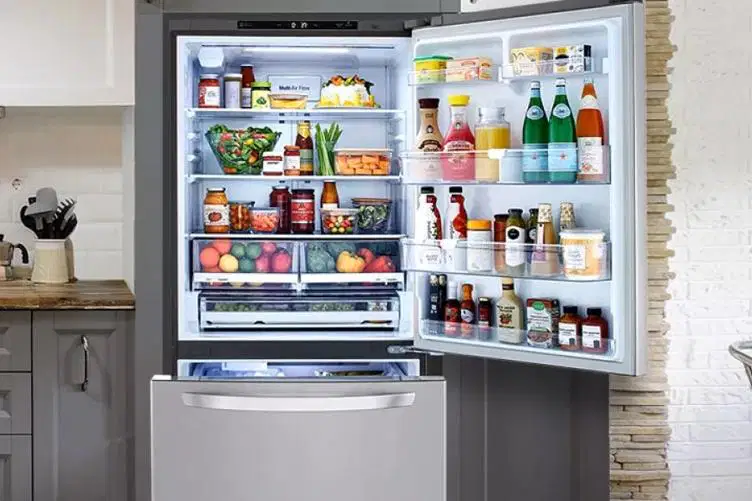
What is the recommended temperature for a refrigerator?
32°-20°F
32°-40°F
Below 50°F
Below 0°F
What is the minimum internal temperature poultry must be cooked to in order to ensure its safety?
145° F for 15 seconds
155° F for 15 seconds
165° F for 15 seconds
145° F for 4 minutes
How long should ground meat be cooked at 155°F to reduce the amount of harmful bacteria?
4 minutes
15 seconds
2 minutes
30 seconds
It is ok to handle food while experiencing illness as long as you wear a mask and gloves.
Ture
False

Which of the following methods is NOT a safe way to thaw food?
Thawing food in the refrigerator at 40°F (5°C) or below
Submerging food under running water, ensuring it does not exceed 40°F.
Thawing food in a container with cold water.
Thawing while cooking
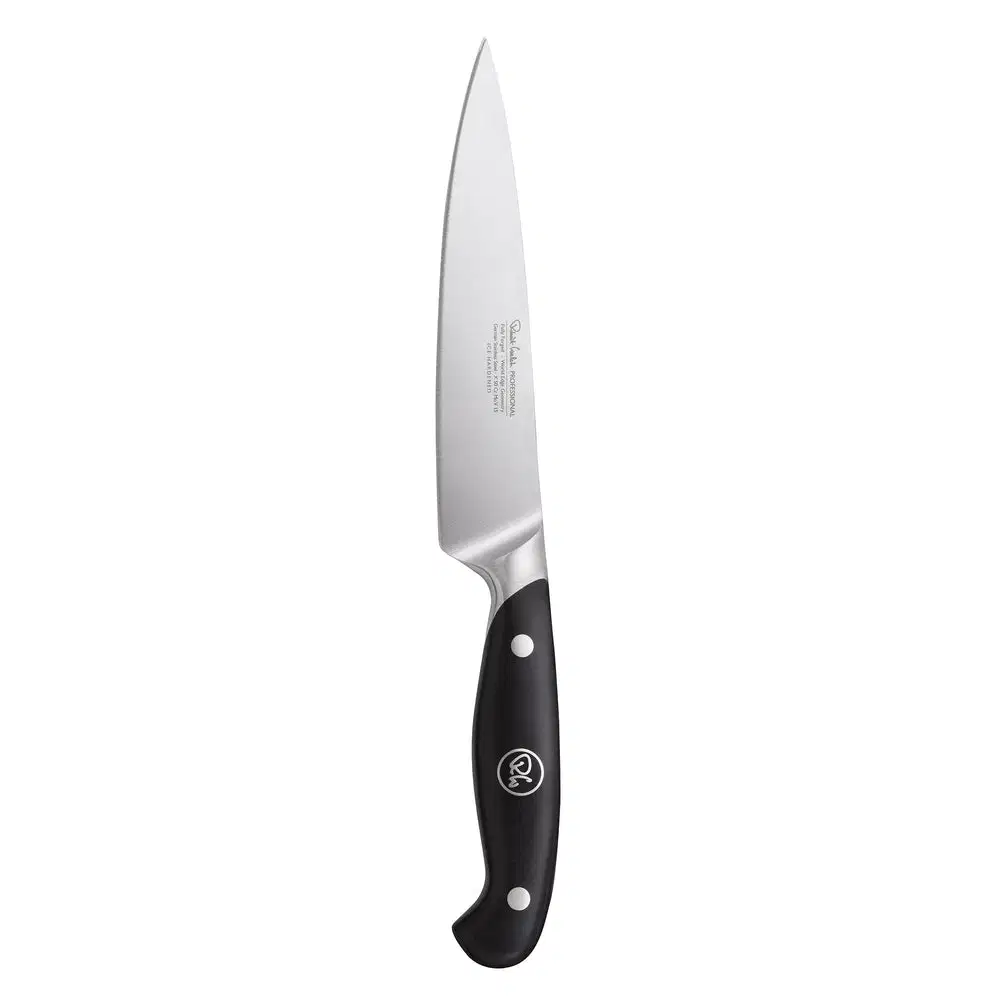
How should a knife be held while walking across the kitchen?
Safety stacked on top of the cutting board
A knife should be held by the handle blade facing toward the front.
A knife should be held close to your side, by the handle, blade facing back.
A knife should be held while walking slowly, by the handle.

What temperature limit should not be exceeded for more than four hours when thawing food?
70°F (21°C)
40°F (5°C)
165°F (74°C)
155°F (68°C)
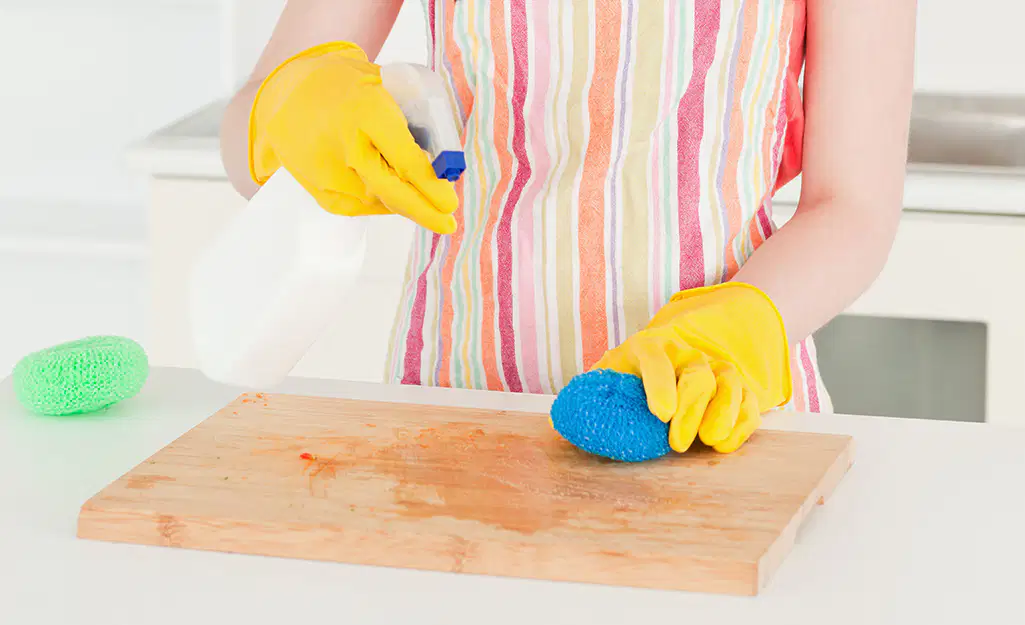
What type of hazard can occur when Joanna cleans the cutting board with a spray bottle of cleaning solution?
Chemical
Physical
Biological
None of the above

What type of hazard occurred when Rose sneezed over the salad she was preparing at the restaurant?
Chemical
Physical
Biological
None of the above

What type of hazard is it when Ryan chokes on a fish bone while eating fish?
Chemical
Physical
Biological
None of the above
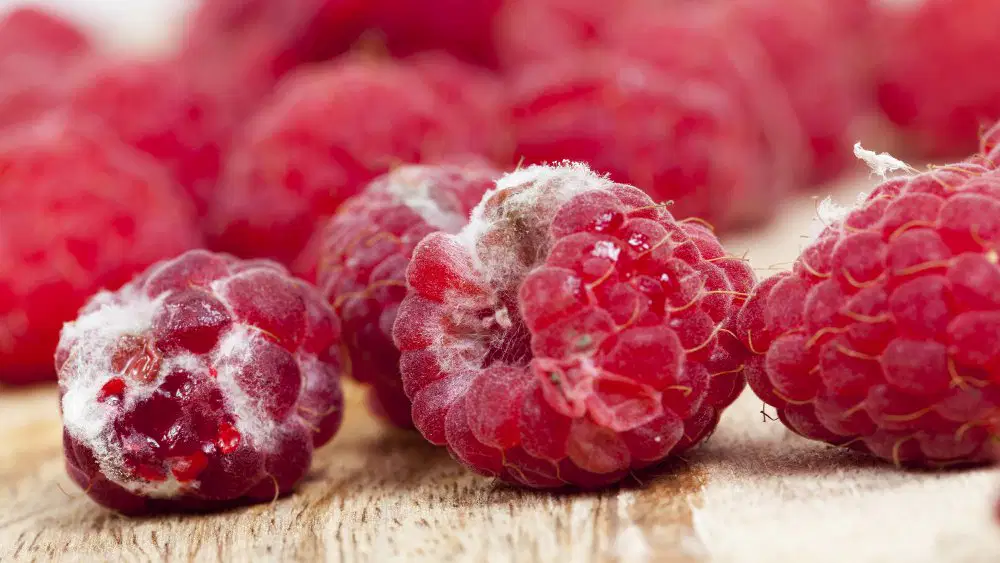
Carly felt sick after eating raspberries with white mold. What type of hazard does this represent?
Chemical
Physical
Biological
None of the above

What type of hazard is involved when a small piece of glass falls into a pot of soup?
Chemical
Physical
Biological
None of the above

Mike got sick after eating a piece of meat that had been left on the counter at 70°F for a long time. What type of hazard is this?
Chemical
Physical
Biological
None of the above
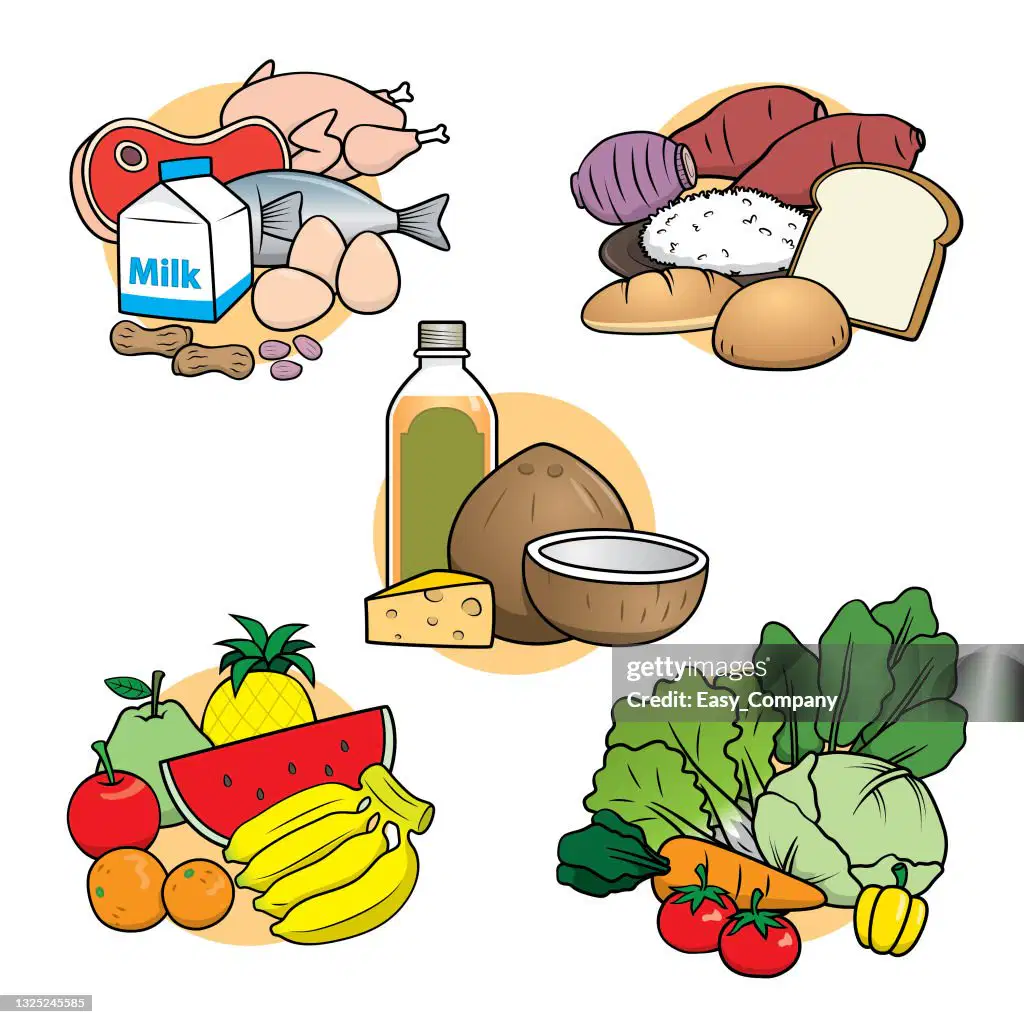
Which are the 3 types of foods that are most likely to be unsafe?
Raw meat
Milk and dairy products
Soybean sprouts, microgreens
Seafood
Canned food
Hand sanitizer can be used to clean hands when preparing food.
true
false
What does FAT TOM mean?
Food, Acidity, Time, Temperature, Oxygen, Moisture
Fat, Acid, Taste, Texture, Oil, Minerals
Fiber, Amino acids, Temperature, Oxygen, Moisture
Food, Acid, Texture, Temperature, Oil, Minerals
If you are preparing food and you drop the knife, what should you do?
try to catch it
let it fall
scream and panic
pick it up and keep using it
For a grease fire, you should use water to extinguish it.
false
true
What should you do if your clothes catch on fire?
Run to ask for help
Stop, drop to the ground, and roll
Wave your hands
Jump into a pool
TCS foods refer to foods that require:
A) Time and temperature control for safety
B) Standard cooking at a certain temperature
C) Temporary cold storage
D) Marinating with time control
Which group is considered at higher risk of contracting foodborne illnesses?
Adolescents
Elderly people
Middle-aged adults
Healthy athletes

