
 Worksheets
The Periodic Table: Element Symbols & Names and Part Names
Total questions: 112
Worksheet time: 56mins
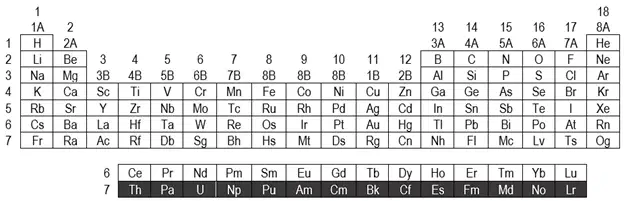
Name the shaded part of the Periodic Table. (Write answer in all lower case letters; no capital letters please.)
(a)

Name the shaded part of the Periodic Table. (Write answer in all lower case letters; no capital letters please.)
(a)

Name the shaded part of the Periodic Table. (Write answer in all lower case letters; no capital letters please.)
(a)
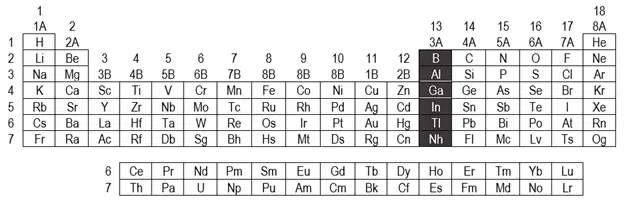
Name the shaded part of the Periodic Table. (Write answer in all lower case letters; no capital letters please.)
(a)
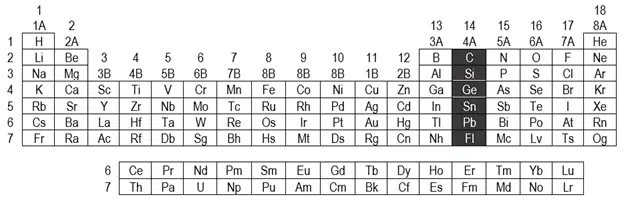
Name the shaded part of the Periodic Table. (Write answer in all lower case letters; no capital letters please.)
(a)
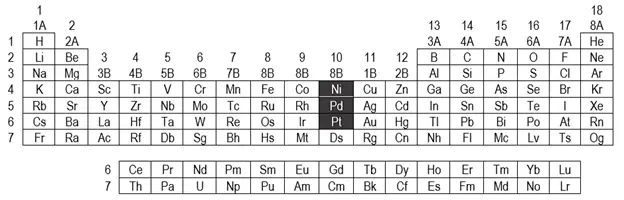
Name the shaded part of the Periodic Table. (Write answer in all lower case letters; no capital letters please.)
(a)

Name the shaded part of the Periodic Table. (Write answer in all lower case letters; no capital letters please.)
(a)
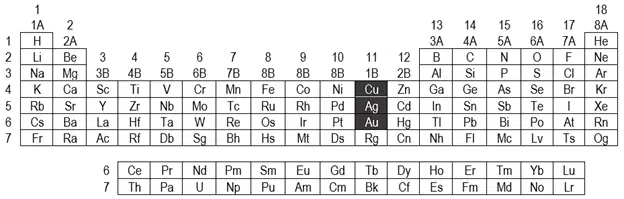
Name the shaded part of the Periodic Table. (Write answer in all lower case letters; no capital letters please.)
(a)
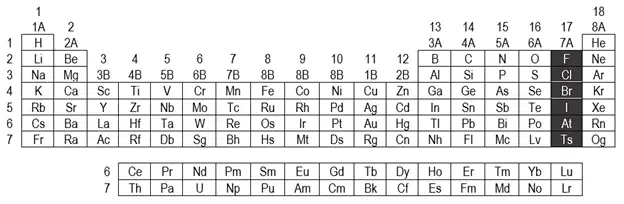
Name the shaded part of the Periodic Table. (Write answer in all lower case letters; no capital letters please.)
(a)
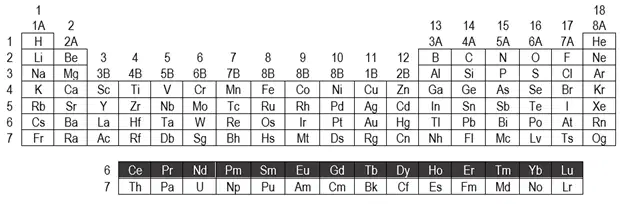
Name the shaded part of the Periodic Table. (Write answer in all lower case letters; no capital letters please.)
(a)
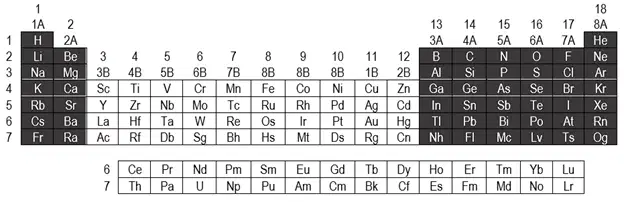
Name the shaded part of the Periodic Table. (Write answer in all lower case letters; no capital letters please.)
(a)
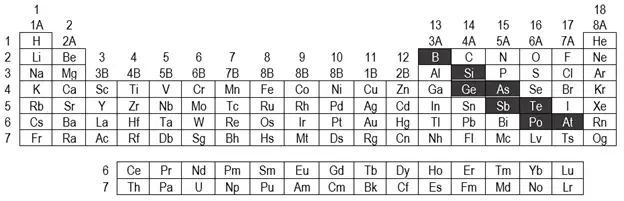
Name the shaded part of the Periodic Table. (Write answer in all lower case letters; no capital letters please.)
(a)

Name the shaded part of the Periodic Table. (Write answer in all lower case letters; no capital letters please.)
(a)

Name the shaded part of the Periodic Table. (Write answer in all lower case letters; no capital letters please.)
(a)
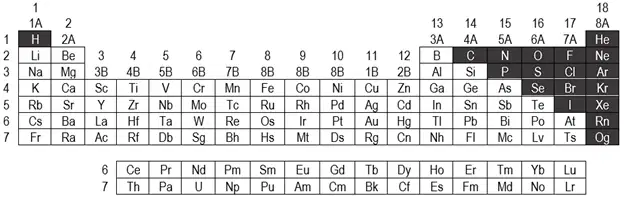
Name the shaded part of the Periodic Table. (Write answer in all lower case letters; no capital letters please.)
(a)
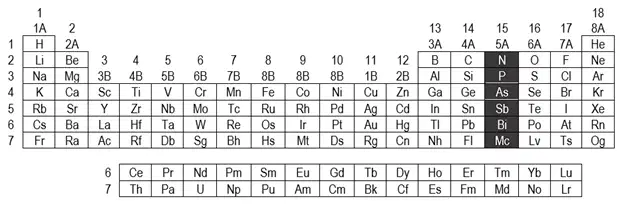
Name the shaded part of the Periodic Table. (Write answer in all lower case letters; no capital letters please.)
(a)

Name the shaded part of the Periodic Table. (Write answer in all lower case letters; no capital letters please.)
(a)
Write the chemical symbol for: Aluminum
(a)
Write the chemical symbol for: Antimony
(a)
Write the chemical symbol for: Argon
(a)
Write the chemical symbol for: Beryllium
(a)
Write the chemical symbol for: Boron
(a)
Write the chemical symbol for: Bromine
(a)
Write the chemical symbol for: Calcium
(a)
Write the chemical symbol for: Carbon
(a)
Write the chemical symbol for: Chlorine
(a)
Write the chemical symbol for: Chromium
(a)
Write the chemical symbol for: Cobalt
(a)
Write the chemical symbol for: Copper
(a)
Write the chemical symbol for: Fluorine
(a)
Write the chemical symbol for: Gold
(a)
Write the chemical symbol for: Helium
(a)
Write the chemical symbol for: Hydrogen
(a)
Write the chemical symbol for: Iodine
(a)
Write the chemical symbol for: Lead
(a)
Write the chemical symbol for: Lithium
(a)
Write the chemical symbol for: Magnesium
(a)
Write the chemical symbol for: Manganese
(a)
Write the chemical symbol for: Mercury
(a)
Write the chemical symbol for: Neon
(a)
Write the chemical symbol for: Nickel
(a)
Write the chemical symbol for: Nitrogen
(a)
Write the chemical symbol for: Oxygen
(a)
Write the chemical symbol for: Phosphorus
(a)
Write the chemical symbol for: Potassium
(a)
Write the chemical symbol for: Silicon
(a)
Write the chemical symbol for: Silver
(a)
Write the chemical symbol for: Sodium
(a)
Write the chemical symbol for: Sulfur
(a)
Write the chemical symbol for: Tin
(a)
Write the chemical symbol for: Zinc
(a)
Write the chemical symbol for: Stibium
(a)
Write the chemical symbol for: Cuprum
(a)
Write the chemical symbol for: Aurum
(a)
Write the chemical symbol for: Ferrum
(a)
Write the chemical symbol for: Stannum
(a)
The Latin name for the element Antimony is...?
(a)
The Latin name for the element Copper is...?
(a)
The Latin name for the element Gold is...?
(a)
The Latin name for the element Iron is...?
(a)
The Latin name for the element Tin is...?
(a)
The Latin name for the element Silver is...?
(a)
The Latin name for the element Lead is...?
(a)
Write the element name for the following symbol: Al (Spelling Counts!)
(a)
Write the element name for the following symbol: Sb (Spelling Counts!)
(a)
Write the element name for the following symbol: Ar (Spelling Counts!)
(a)
Write the element name for the following symbol: Be (Spelling Counts!)
(a)
Write the element name for the following symbol: B (Spelling Counts!)
(a)
Write the element name for the following symbol: Br (Spelling Counts!)
(a)
Write the element name for the following symbol: Ca (Spelling Counts!)
(a)
Write the element name for the following symbol: C (Spelling Counts!)
(a)
Write the element name for the following symbol: Cl (Spelling Counts!)
(a)
Write the element name for the following symbol: Cr (Spelling Counts!)
(a)
Write the element name for the following symbol: Co (Spelling Counts!)
(a)
Write the element name for the following symbol: Cu (Spelling Counts!)
(a)
Write the element name for the following symbol: F (Spelling Counts!)
(a)
Write the element name for the following symbol: Au (Spelling Counts!)
(a)
Write the element name for the following symbol: He (Spelling Counts!)
(a)
Write the element name for the following symbol: H (Spelling Counts!)
(a)
Write the element name for the following symbol: I (Spelling Counts!)
(a)
Write the element name for the following symbol: Pb (Spelling Counts!)
(a)
Write the element name for the following symbol: Li (Spelling Counts!)
(a)
Write the element name for the following symbol: Mg (Spelling Counts!)
(a)
Write the element name for the following symbol: Mn (Spelling Counts!)
(a)
Write the element name for the following symbol: Hg (Spelling Counts!)
(a)
Write the element name for the following symbol: Ne (Spelling Counts!)
(a)
Write the element name for the following symbol: Ni (Spelling Counts!)
(a)
Write the element name for the following symbol: N (Spelling Counts!)
(a)
Write the element name for the following symbol: O (Spelling Counts!)
(a)
Write the element name for the following symbol: P (Spelling Counts!)
(a)
Write the element name for the following symbol: K (Spelling Counts!)
(a)
Write the element name for the following symbol: Si (Spelling Counts!)
(a)
Write the element name for the following symbol: Ag (Spelling Counts!)
(a)
Write the element name for the following symbol: Na (Spelling Counts!)
(a)
Write the element name for the following symbol: S (Spelling Counts!)
(a)
Write the element name for the following symbol: Sn (Spelling Counts!)
(a)
Write the element name for the following symbol: Zn (Spelling Counts!)
(a)
These elements have properties in between those of a metal and non-metal. They are silvery in appearance and all are solid at room temperature. They are brittle (they shatter or become crushed when hammered) and tend to be poor conductors of heat and electricity. They are sometimes used as semiconductors. What is the name for these elements?
(a)

