
 Worksheets
W.E.D
Total questions: 113
Worksheet time: 1hrs 10mins
The breaking down of rocks and other materials on the Earth's surface.
Weathering
Erosion
Deposition
Exfoliation
The process by which rock and soil are moved from one place to another is called-
Chemical weatherin
Erosion
Mechanical weathering
Deosition
This type of weathering in which rock is physically broken into smaller pieces.
Chemical weathering
Erosion
Mechanical weathering
Deposition
What do we call the process in which rock is broken down by changes in its chemical makeup.
Chemical weathering
Mechanical weathering
Erosion
Deposition
The grinding/scratching away of rock by other rock particles carried in water, ice, or wind
Frost wedging
Exfoliation
Oxidation
Abrasion
Plants/animals digging under ground with roots or claws to break apart rocks.
Frost wedging
Abrasion
Burrowing
Exfoliation

A type of chemical weathering in which a substance combines with oxygen, as when iron oxidizes, forming rust.
Acid rain
Oxidation
Reaction to water
Exfoliation

The image above depicts the effects of chemical weathering breaking down limestone. Which type of chemical weathering causes this reaction?
Acid rain
Oxidation
Exfoliation
Abrasion
Over millions of years, the shape of mountains on Earth's surface can change to low hills and then rolling plains. These changes are most likely caused by-
Folding and faulting
Volcanoes and Earthquakes
Human activity
Weathering and Erosion

Which type of sediment does wind erosion most strongly affect?
Loose, sandy soil
Wet rocks
Wet, compacted soil
Dry, compacted soil
Which of the following agents is the usually responsible for the formation of canyons?
Gravity pulling
Wind blowing
Flowing water
Glaciers moving
What is the difference between weathering and erosion?
Erosion breaks down the rocks, and weathering carries the broken pieces away.
Erosion carries broken pieces away, and weathering builds the pieces back up into another land mass.
Weathering carries broken pieces away, and erosion builds the pieces back up into another land mass.
Weathering breaks down rocks, and erosion carries the broken pieces away.

The tallest sand dunes in North America are found in Great Sand Dunes National Park and Preserve in Colorado. These dunes were formed from the sand at the bottom of a dry lake bed. Which of the following agents is most likely responsible for the formation of the sand dunes?
Wind
Water
Ice
Gravity
A student prepares a model by filling a plastic bottle with water, capping it tightly, and placing it in the freezer for 24 hours. After 24 hours, there are large cracks on the bottle's sides. The student's model most likely represents which of the following types of weathering:
Acid rain
Oxidation
Frost wedging
Abrasion
Which of the following pair of terms explains why pebbles in a river are smoother and more rounded than rocks found on land?
Exfoliation and deposition
Weathering and deposition
Weathering and erosion
Deposition and Burrowing

________________ is the breaking off and/ or disintegration of larger rocks into smaller rocks.
Erosion
Weathering
Deposition
Lotic

_____________ is the dropping off/ depositing of rocks.
Metamorphosis
Deposition
Weathering
Erosion
Which of the following is NOT one of the main factors that cause Weathering?
plant roots
Fast flowing lotic water
cycle of water freezing and melting in cracks
gravity

The process by which rocks are broken down
Weathering
Deposition
Erosion
Sedimentation

The process in which wind, water, ice or gravity move rock fragments from one location to another
Weathering
Sedimentation
Erosion
Deposition

The process in which sediment settles out (drops to the bottom) of the water or wind that is carrying it
Weathering
Erosion
Sedimentation
Deposition

The physical breaking down of rocks into smaller pieces is...
Mechanical weathering
Chemical weathering
All weathering
Erosion weathering

The breakdown of rocks because of chemical reactions and processes
Physical weathering
Chemical weathering
All weathering
Erosion weathering

Water gradually wearing down and smoothing rocks over a long period of time is an example of...
physical weathering
chemical weathering
deposition
erosion

When iron in rocks reacts with oxygen, it forms iron oxide (rust), which weakens rocks and causes them to break apart. This is an example of...
physical weathering
chemical weathering
erosion
deposition

Rain washing away soil from a hillside is an example of...
physical weathering
erosion
deposition
chemical weathering

Waves dropping sand onto land until a beach is formed is an example of...
physical weathering
erosion
deposition
chemical weathering

Acid rain slowly wearing away rock over time is an example of...
chemical weathering
physical weathering
erosion
deposition

Water getting into cracks, freezing, and breaking rocks or pavement apart is an example of...
chemical weathering
physical weathering
deposition
erosion

What causes the greatest amount of erosion on beaches?
Waves
Glaciers
Rust
Gravity

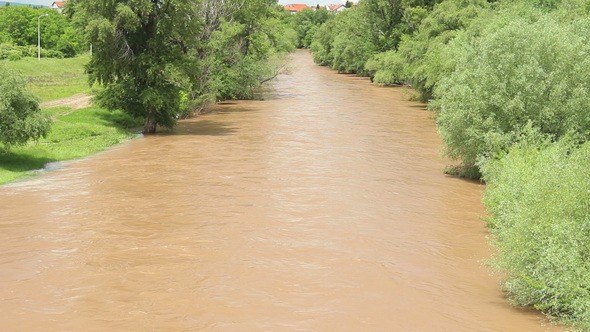
Muddy water being carried away by a fast-moving river is an example of...
physical weathering
chemical weathering
erosion
deposition

Wind blowing sand from one location to another is called...
erosion
physical weathering
chemical weathering
deposition
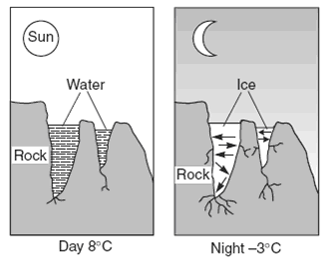
Which statement best explains why this process results in weathering?
What type of changes does erosion cause?
Physical changes
Chemical changes
Electrical changes
Magnetic changes
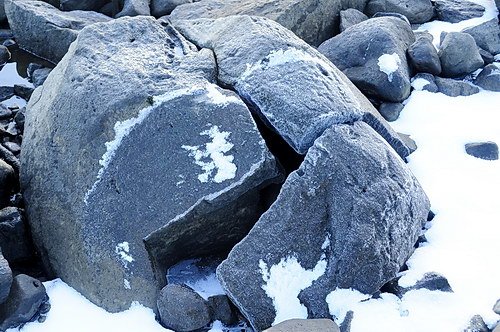

The breaking down of rocks and other materials on the Earth's surface.
Weathering
Erosion
Deposition
Exfoliation
The process by which rock and soil are moved from one place to another is called-
Chemical weatherin
Erosion
Mechanical weathering
Deosition
This type of weathering in which rock is physically broken into smaller pieces.
Chemical weathering
Erosion
Mechanical weathering
Deposition
What do we call the process in which rock is broken down by changes in its chemical makeup.
Chemical weathering
Mechanical weathering
Erosion
Deposition
The grinding/scratching away of rock by other rock particles carried in water, ice, or wind
Frost wedging
Exfoliation
Oxidation
Abrasion
Plants/animals digging under ground with roots or claws to break apart rocks.
Frost wedging
Abrasion
Burrowing
Exfoliation

The breaking off of the curved sheets or slabs from a rock's surface due to drastic changing temperatures.
Frost wedging
Exfoliation
Abrasion
Burrowing
A type of chemical weathering in which a substance combines with oxygen, as when iron oxidizes, forming rust.
Acid rain
Oxidation
Reaction to water
Exfoliation
The image above depicts the effects of chemical weathering breaking down limestone. Which type of chemical weathering causes this reaction?
Acid rain
Oxidation
Exfoliation
Abrasion
Over millions of years, the shape of mountains on Earth's surface can change to low hills and then rolling plains. These changes are most likely caused by-
Folding and faulting
Volcanoes and Earthquakes
Human activity
Weathering and Erosion
A student wanted to demonstrate weathering and erosion. The student put the same number/size of rocks into 2 tin cans, then added a small amount of water to both cans. Can A was shaken at a constant rate for 15 minutes, and can B was shaken for 60 minutes. The student then drained out all of the water and placed the rocks on the desk to observe. What is the best prediction of how how the rocks will look after this experiment?
The rocks in can B will become larger and rounder than can A
The rocks in can B will become smaller and rounder than can A
The rocks in can A will become smaller and rounder than can B
The rocks in can A will become Larger and rounder than can B
Which type of sediment does wind erosion most strongly affect?
Loose, sandy soil
Wet rocks
Wet, compacted soil
Dry, compacted soil
Which type of area is more likely to weather and erode? An area with a lot of vegetation (plants) or an area with very little? Why?
The area with very little vegetation, because the roots won't be able to burrow through the rocks to weather it down.
The area with a lot of vegetation, because the roots will burrow through the rocks causing a landslide.
The area with very little vegetation, because it has not roots to absorb extra water or hold the soil together. The extra water and loose soil is likely to become a landslide/mudslide.
The area with a lot of vegetation, because the roots will absorb any extra rain water, and will also hold the soil together preventing a landslide.
Which of the following agents is the usually responsible for the formation of canyons?
Gravity pulling
Wind blowing
Flowing water
Glaciers moving
What is the difference between weathering and erosion?
Erosion breaks down the rocks, and weathering carries the broken pieces away.
Erosion carries broken pieces away, and weathering builds the pieces back up into another land mass.
Weathering carries broken pieces away, and erosion builds the pieces back up into another land mass.
Weathering breaks down rocks, and erosion carries the broken pieces away.
The tallest sand dunes in North America are found in Great Sand Dunes National Park and Preserve in Colorado. These dunes were formed from the sand at the bottom of a dry lake bed. Which of the following agents is most likely responsible for the formation of the sand dunes?
Wind
Water
Ice
Gravity
A student prepares a model by filling a plastic bottle with water, capping it tightly, and placing it in the freezer for 24 hours. After 24 hours, there are large cracks on the bottle's sides. The student's model most likely represents which of the following types of weathering:
Acid rain
Oxidation
Frost wedging
Abrasion

Which term best describes the graphic organizer in circle T?
Ice wedging
Abrasion
Oxidation
Burrowing animals

Which of the following terms best describes the graphic organizer in circle S?
Acid rain
Oxidation
Deposition
Abrasion
Which of the following pair of terms explains why pebbles in a river are smoother and more rounded than rocks found on land?
Exfoliation and deposition
Weathering and deposition
Weathering and erosion
Deposition and Burrowing
The process of deposition causes
rock and soil to slowly be gained.
rock and soil to slowly be lost.
rock and soil to quickly be gained.
rock and soil to quickly be lost.
A great deal of the Blue Ridge was eroded. The eroded rock eventually settled in Virginia’s coastal plain. What process caused this?
subduction
folding
deposition
volcanism

A silt fence is shown in the picture. A silt fence operates by intercepting and filtering sediment-laden runoff. It allows the sediment in the water time to settle before the water flows into other areas.
The silt fence is also protecting against
erosion
acid rain
weathering
radiation

What has MOST LIKELY caused a change in the soil in the wheat field shown?
crystallization
sedimentation
erosion
weathering
Which is an example of chemical weathering?
deposition of silt along the banks of the Mississippi River
the layer of oxide formed on statues made of metal
weathering of rocks in a desert due to the rapid rise and fall of temperatures
erosion of land caused by receding glaciers

Plants and lichens are important in both physically and chemically ___________ rocks.
building
depositing
weathering
eroding
A huge, jagged rock sits atop a windy cliffside.
Over a period of many years, how will the rock MOST LIKELY change?
It will become bigger and less smooth.
It will become smaller and smoother.
It will become smaller and less smooth.
)It will become larger and smoother

What kind of destructive force or forces will most likely change the way Stone Mountain looks over the next million years?
erosion and weathering
volcanoes
landslides
earthquakes and faulting

What causes a delta to form?
Deltas form at the mouth of a river when wind deposits sand.
Deltas form at the mouth of a river when water slows down and deposits sediment.
Deltas form at the on the bank of a river when a glaciers move past.
Deltas form on the banks of a river when water slows down and deposits sediment.
How does wind cause weathering?
Wind can not cause the weathering of rocks
Wind picks up sand or dry soil and carries it from one place to another.
Wind can blow sand and create new landforms..
Blowing sand can wear away a rock's surface and break it into smaller pieces.

How do wind and water change rocks over time?
They add minerals to the rocks.
They increase the mass of the rocks.
They change the shape of the rocks.
They build up the rocks with small sand particles.

Sam blew out through a straw and directed his breath at a pan of sand.
Sam is showing the rest of his class how the wind _________ the land.
erodes
deposits rocks on
weathers
forms soil from

Scientists have tracked the changes in this land for many years. Picture A shows how the land looked to start with. Many years later, the land looked like Picture B. What MOST LIKELY caused the change in the land?
wind blowing in circles
water cutting the rocks
a coastal glacier
earthquakes along the shor
Look at the drawing of a beach. How do the waves change the beach?
They divide the beach in half.
They increase the plants at the shoreline.
They build sand hills on the beach.
They deposit and wash away the sand.

Weathering is a process that helps make soil. All but one statement describes how rocks may be weathered. That is:
Water fills tiny spaces inside a rock.
Plant roots can grow between cracks in rocks.
Living things, like moss and lichens, chemically break down rocks.
Rock pieces are moved from place to place.
What causes sedimentary rock to change into metamorphic rock?
weathering and erosion
melting
heat and pressure
cooling
Under what conditions can igneous rock be transformed into metamorphic rock?
if it is forced deep into Earth, where it melts into magma
if layers of sand accumulate over it and harden over a period of time
if it is heated and put under pressure for long periods of time
if it is exposed at the surface and is weathered over a period of time
Which type of rock can form if extreme heat and pressure are applied to sedimentary rock?
sedimentary rock
igneous rock
metamorphic rock
granite

What is the main method of heat transfer from the core to the crust of Earth?
radiation
convection
insulation
conduction
How does the temperature of the Earth’s mantle compare to the other layers of the Earth?
The mantle is hotter than the crust.
The mantle is the same temperature as the crust.
The mantle is the same temperature as the core.
The mantle is hotter than the core.
How does the density of the Earth’s core compare to the other layers of the Earth?
The core is the least dense layer.
The core is only less dense than the mantle.
The core is only less dense than the crust.
The core is the densest layer.
How is the crust DIFFERENT from the other layers of the Earth?
It is under pressure.
It is thinner.
It is mostly liquid.
It is hotter.

The layer of Earth below the crust and above the outer core is
the topsoil
the inner crust.
the inner core.
the mantle.

Which layer is broken up into several plates which "move and float very slowly? Their very slow motion is the cause of plate tectonics, a process associated with continental drift, earthquakes, volcanoes, and the formation of mountains.
outer core
asthenosphere
lithosphere
inner core
The process by which rocks are broken down
Weathering
Deposition
Erosion
Sedimentation
The process in which sediment settles out (drops to the bottom) of the water or wind that is carrying it
Weathering
Erosion
Sedimentation
Deposition

Fragments of weathered rocks are known as ____.
sediments
deposits
limestones
sandstones


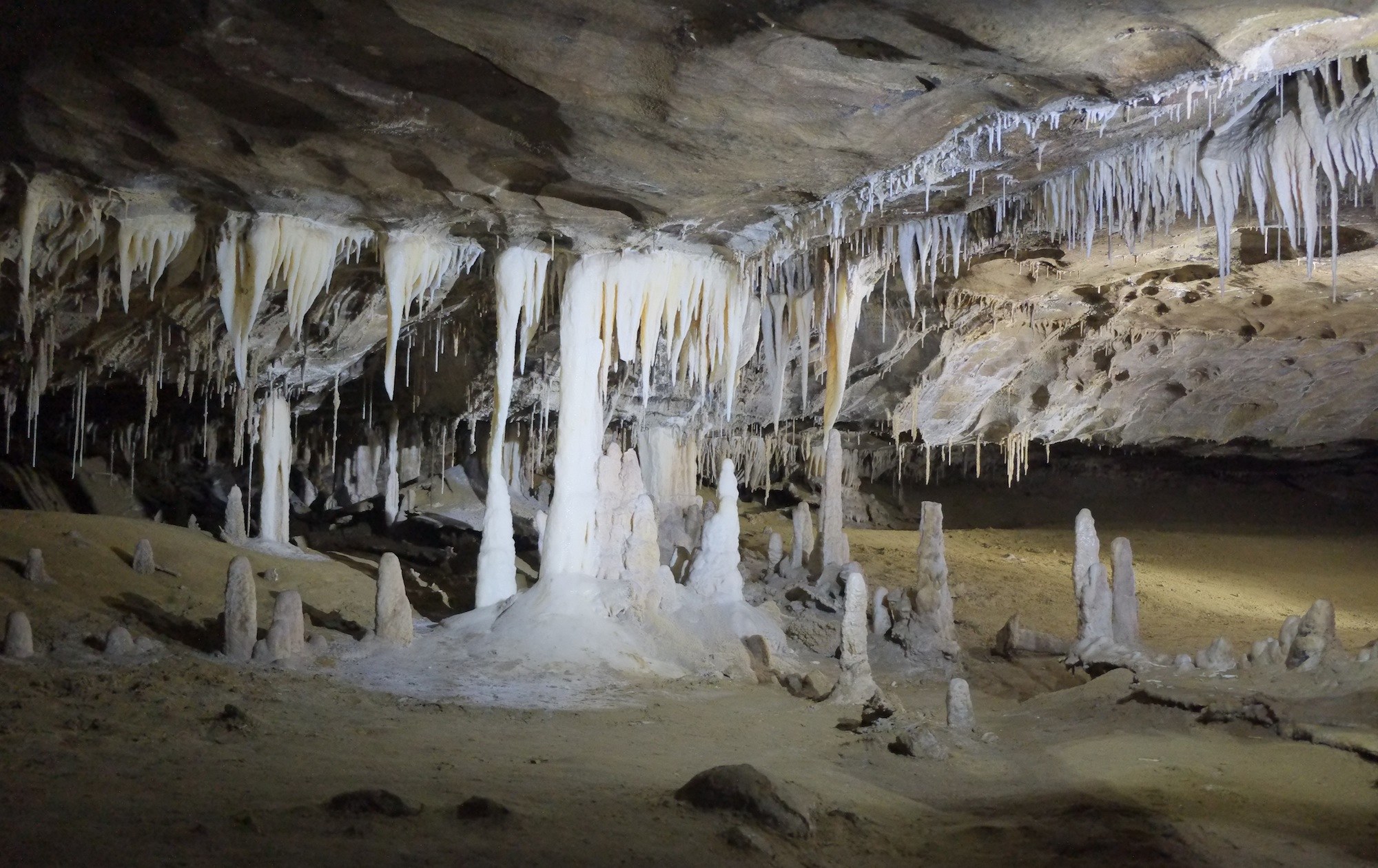
Waves dropping sand on the beach is an example of what?
A. Weathering
B. Erosion
C. Deposition
D. Compaction

The process of carrying away weathered bits of rocks is called
A. weathering
B. erosion
C. deposition
D. movement


The BREAKING DOWN into small pieces of rock or sand
deposition
erosion
weathering
The MOVEMENT of small pieces of rock or sand
deposition
erosion
weathering
The PILING UP or GATHERING of small pieces of rock or sand.
deposition
erosion
weathering
What is the process of moving sediments from location to another?
deposition
erosion
weathering
compaction
What is sediment?
the process of rocks being broken down and carried away
bits of rock, sand, and silt caused by the weathering of rocks
the top layer of the soil
decaying plant or animal material
Which of these is an example of erosion?
Light shinning onto a mountain
Rain breaking down rock
Wind blowing away sediment
All of the above
How does freezing water cause the weathering of rocks? The freezing water...
makes the rocks last longer
expands cracks and breaks rocks
keeps the rocks in place
causes rocks to fall in landslides
Which agents break down earth materials?
wind, water, and ice
earthquakes and gravity
wind only
ice and 007
What is an enormous mass of ice moving over land?
iceberg
glacier
ice wedging
dune
Rain washing away soil from a hillside
deposition
erosion
weathering
Wind blowing sand from one location to another
deposition
erosion
weathering
How do plants in the soil affect how fast erosion happens?
It slows down erosion.
It doesn't affect erosion.
It speeds up erosion.
How do plants weather rocks?
Plants don't weather rocks
when roots grow into cracks of rocks and expand the rock
when the plant moves water from the roots to the leaves
during photosynthesis

The diagram shows a natural process that weathers rock. Which statement best explains why this process results in weathering?
frozen water dissolves most types of rock
the mass of water increases when it freezes
water expands when it freezes
Which of the following was formed through erosion?
The Pyramids of Giza
Eiffel Tower
Mt. Rushmore
Grand Canyon

