
Font size
 Worksheets
science review topic 5
Total questions: 85
Worksheet time: 7hrs 5mins

Mechanical energy is the energy of what?
motion or movement
vibrations
Which is an example of mechanical energy?
listening to music
opening a door
fire burning wood
Give one example of electrical energy. Either the use of electrical energy, or the production of electrical energy.
What type of energy does the L in MELTS stand for?
local
light
Choose all of the following that show thermal energy.
cheering for your favorite team
sweating while you run
cooking food in the microwave
the inside of a car warming in the sun
Which one produces sound energy?
a squeaky wheel
your ears
the sun
Give one example of electrical energy changing to sound energy.
Name three things that use thermal energy
Type three different insulators.
Type three different conductors

A cook will use an oven mitt to pick up a hot pan because cloth is a(n) ________ and keeps the heat from their hand.
Conductor
Insulator
Light Transfer
Heat transfer
Match the following vocabulary terms to the definition
Thermal Energy
Heat
Conductor
Allows thermal energy to pass through (GO)
Insulator
DOES NOT allow thermal energy to pass (STOP)
What is the difference between a conductor and an insulator?
An insulator allows electricity to flow through it easily and a conductor does not
A conductor allows electricity to flow through it easily and an insulator does not.
An insulator is magnetic and a conductor is not
A conductor is magnetic and an insulator is not
Show answersExplanationPreviousNext
Which one is NOT an Insulator?


Thermal Energy

Conductor

Insulator

The foam cup and cardboard sleeve act as ______ for the hot coffee.
Insulator
Conductor
Electricty
Light
Circle where the runner will be generating force to move.

The ability to do work comes from:
Work
Force
Energy
Gravity
Match the following terms to the correct definition
Kinetic Energy
Energy in motion
Potential Energy
Stored energy
Work
Force that causes motion
Force
A push or pull
Label the oranges with the correct label that says how much Potential Energy they have.
Click on where the rollercoaster has the MOST potential energy.
Which has more Kinetic Energy: A person running 5 m/s or a car driving 5 m/s?
The Car
The Person
Same
Neither

Which position in the picture does Myra have the most Potential energy?
1
2
3
4

Which of these do you think has greater kinetic energy? Explain your answer.
What is the significance of energy to us humans?

What type of energy is coal gas?
Renewable gas
Non-renewable gas

What type of energy is hydroelectric dam?
Renewable energy
Non-renewable energy
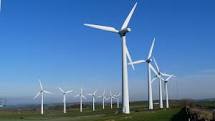

Match the energy resources as Renewable OR Non-renewable
Wind
Renewable
Nuclear energy
Non-renewable
Solar
Renewable
Coal
Nonrenewable
Hydropower
Renwable
Explain the difference between Renewable & Non-renewable resources.
__________ is an energy resource that WILL NOT run out in the next several hundred years.
Renewable Energy Resource
Non-Renewable Energy Resource
__________ is an energy resource that WILL run out in the next several hundred years.
Renewable Energy Resource
Non-renewable Energy Resource
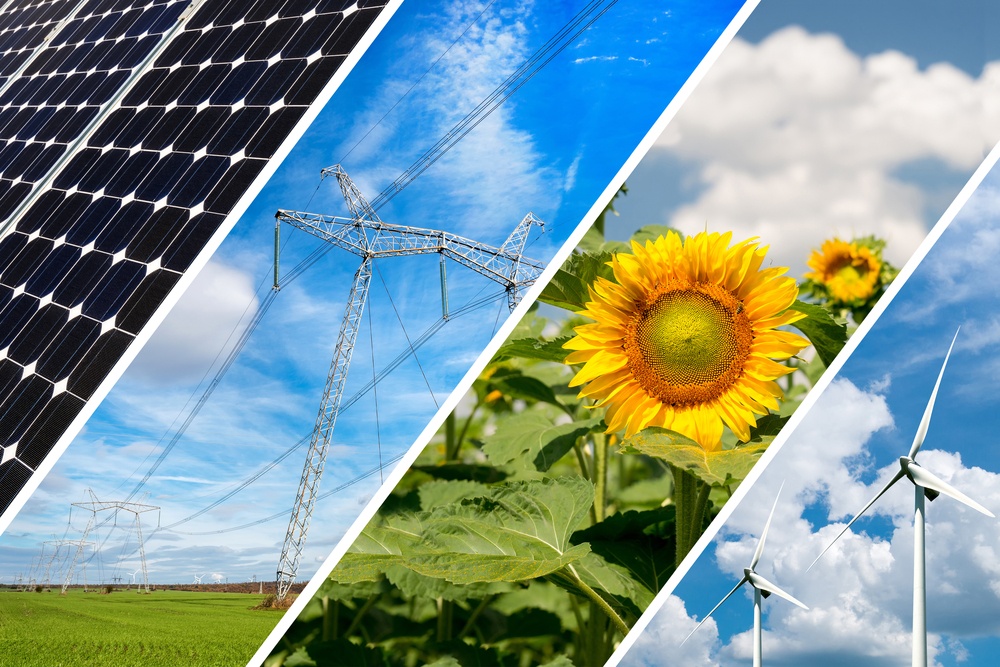
A natural resource is....
a resource that forms much more slowly than it is consumed
a natural resource that can be replaced at the same rate at which it is consumed
any natural material that is used by humans

A renewable resource is ....
a resource that forms much more slowly than it is consumed
a natural resource that can be replaced at the same rate at which it is consumed
any natural material that is used by humans
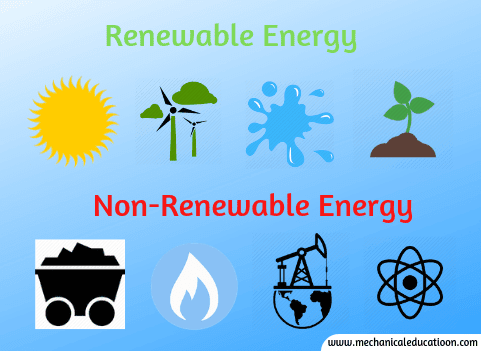
A Non-renewable resource is...
any natural material that is used by humans
a natural resource that can be replaced at the same rate at which it is consumed
a resource that forms much more slowly than it is consumed
Biomass Fuels are created from
the sun's energy
intense heat from Earth's interior
strong, steady winds
materials that were once part of living things
One disadvantage of solar power is....
It won't run out for billions of years
It is expensive to convert into electricity
It doesn't produce greenhouse gases
It doesn't cause pollution

Materials made from earth are considered
Natural Resources
Human Characteristic
Human-Environment Resources
Non-Renewable

The sun is
Renewable
Non-Renewable

Rivers, wind, and the sun are examples of
Non-Renewable Resources.
humans modifying their environment.
Human Characteristics
Renewable Resources.

Solar Panels are considered
a renewable resource
a non-renewable resource.

A non-renewable resource is
(2 answers)
coal.
the sun.
gold.
the wind.

Windmills are
a renewable resource.
a non-renewable resource.

Which is a renewable resource?
coal
Oil
gold
Water

Which is NOT a renewable resource?
Water
Oil
Wind
The Sun

Coal is a
renewable Resource.
non-renewable resource.

Hydroelectric energy can be found throughout earth? Is this a pro or con?
Pro
Con

Hydroelectric dams and their technology are expensive to build. Is this a pro or con?
Pro
Con

Wind Energy is available as long as the sun warms the earth. Is this a Pro or Con?
Pro
Con

Wind energy equipment to collect and convert wind energy is expensive to produce and maintain. Is this a pro or con?
Pro
Con

Choose ALL of the renewable resources
sun
coal
wind
fossil fuels
Earth (geothermal)

Fossil Fuels are inexpensive to obtain and use. Is this a pro or con?
Pro
Con

Fossil Fuels can cause acid rain and smog. Is this a pro or con
Pro
Con

Nuclear fuel produces a large amount of energy and does not cause air pollution
Pro
Con

Nuclear Fuel produce dangerous wastes that remain radioactive for thousands of years
Pro
Con

Choose ALL of the nonrenewable energy resources
sun
fossil fuels
nuclear fuel
wind
natural gas
Energy from any material that comes from plants or dead organisms is called-
geothermal
fossil fuels
biomass
hydroelectric
Energy made from flowing water
geothermal
solar
hydroelectric
wind
Which of the following is NOT an advantage of using hydroelectrical energy?
Dams are expensive to build
Energy is inexpensive to harness
Energy from water is free and reliable
Creates no greenhouse gases
Energy from deep within the Earth
biomass
Earth
solar
geothermal
All of the answer choices are advantages of using wind energy Except
Creates no greenhouse gases
Wind turbines can disrupt wildlife
Wind creates electricity that can last for 25 years
Wind turbines reduce the use of solar energy
Energy resources which do not naturally renew or replenish themselves.
renewable resources
reduce, reuse, recycle
non-renewable resources
solar resources
Currently the world's most primary energy source
coal
nuclear
fossil fuels
solar
Which statement is an disadvantage of oil?
Spills can cause water and land pollution an death to wildlife
easy to produce
easy to transport
small amount produces a lot of energy
Solar, wind, and hydroelectric energy are All
renewable resources
non-renewable resources
takes millions of years to replenish
inexpensive resources
Find the one answer than is an disadvantage of using natural gas
best among fossil fuels
gas leaks can be dangerous and can lead to explosions
less damage to the environment
cheaper and safer
Energy generated during Nuclear fission and used to generate electricity
electrical energy
solar energy
uranium energy
nuclear energy
__________ is an energy resource that WILL NOT run out in the next several hundred years.
Renewable Energy Resource
Non-Renewable Energy Resource
__________ is an energy resource that WILL run out in the next several hundred years.
Renewable Energy Resource
Non-renewable Energy Resource
Hyrdo Power is a __________ energy resource.
Renewable
Non-renewable
Natural Gas is a __________ energy resource.
Renewable
Non-renewable

One advantage of solar and wind power over fossil fuels is that
wind and solar are presently much less expensive than fossil fuels.
wind and solar come from natural processes and fossil fuels do not.
wind and solar are nonrenewable resources and fossil fuel are renewable.
wind and solar are continuously renewable and fossil fuels take millions of years to be formed.

This energy is from moving air.
Wind Energy
Geothermal Energy
Fossil Fuel Energy
Biofuel

This is electrical energy that comes from the force of energy of moving water. It is the most widely used type of renewable energy.
Coal
Hydroelectric Power
Wind Energy
Geothermal Energy

This is a liquid fuel derived from plant materials.
wind energy
biofuel (from biomass)
geothermal energy
solar energy

Geothermal power is geographically limited-not available in many locations.
Advantage
Disadvantage

Hydropower can have a negative impact on river wildlife.
Advantage
Disadvantage

Wind energy is pollution free.
Advantage
Disadvantage

Biomass requires a lot of space.
Advantage
Disadvantage

Nuclear Power can generate high amounts of electrical energy in a single plant.
Advantage
Disadvantage

Fossil Fuels produce carbon dioxide that pollutes the atmosphere.
Advantage
Disadvantage

