
 Worksheets
Montse Science
Total questions: 41
Worksheet time: 20mins
Baby mammals drink their mother's milk
True
False
All mammals live on land.
True
False
All mammals have bony skeletons.
True
False
Which of these animals is not a mammal?
Tiger
Bat
Whale
Turtle
Mammals are the only animals that have fur or hair.
True
False
Which of these animals is an aquatic mammal?
Mouse
Giraffe
Dolphin
Turtle
What is the only mammal that can fly?
Rabbit
Whale
Bat
Elephant
How do mammals breathe?
Lungs
Skin
Air sacs
Gills
Mammals have skeletons on the outside of their body.
True
False
Some mammals lay eggs.
True
False
Vertebrates and invertebrates are groups in the ___ Kingdom.
Animal
Plant
Fungi
Protist
Monera

Vertebrates are animals with ____.
special tubes
no special tubes
backbones
no backbones
What is the major difference between vertebrates and invertebrates?
Invertebrates are smaller than vertebrates.
Invertebrates live in water and vertebrates do not.
Invertebrates have a backbone and vertebrates do not.
Vertebrates have a backbone and invertebrates do not.
Mammals, fish, birds, reptiles and amphibians are all ___.
vertebrates
invertebrates
Crabs, lobsters, and shrimp with hard exoskeletons are ___.
vertebrates
invertebrates
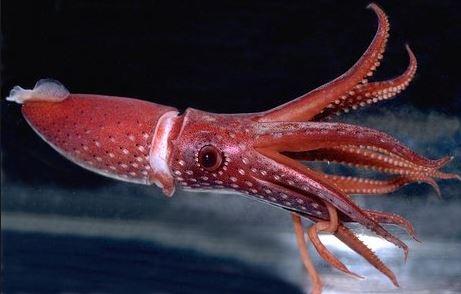


LOOK AT THE PICTURES
Which structure houses a plant's pollen prior to pollination?
A
B
C
D
How does the pollination of most trees and grasses differ from the pollination of flowers?
B
Trees and grasses pollinate in the springtime; flowers pollinate in the fall
A
Trees and grasses self-pollinate; flowers must get pollen from other flowers
C
Trees and grasses are often pollinated by wind; flowers are often pollinated by insects
D
Trees and grasses have large, heavy grains of pollen; flowers have small, fine grains of pollen
What can you infer about a brightly-colored flower?
B
It has a greater chance of pollination than a dull-colored flower
A
It can only be pollinated by birds, not insects
C
Its pollen is probably the same bright color
D
It is probably pollinated by an insect that is attracted to that color
How does insect pollination benefit the insect?
B
The insect uses the plant's nectar as food
C
The insect uses the plant's pollen as food
D
The insect uses the plant's leaves and petals as food
A
The insect uses the fertilized ovule as food
Honeybees and flowers are linked in a mutually beneficial relationship. What is a "mutually beneficial relationship?"
A
A relationship in which one participant benefits but the other does not
B
A relationship in which neither participant benefits
C
A relationship in which one participant benefits but the other is harmed
D
A relationship in which both participants benefit
Pollen is to stamen as _____ is to pistil.
A
Ovule
B
Anther
C
Honeybee
D
Wind
Place the following events in sequence: A) Pollen is deposited on a pistil; B) Pollen fertilizes an ovule; C) A honeybee collects pollen
B
A, C, B
C
C, A, B
D
B, A, C
A
B, C, A
What is another name for a fertilized ovule?
B
A stamen
C
An anther
D
A seed
A
A pistil
How does a honeybee collect pollen?
B
It brushes against the pollen as it collects nectar
C
It puts the pollen in a special pouch in its abdomen
A
It swallows the pollen
D
It rubs the pollen on its wings
What can you infer about flowers that are pollinated by bats?
They probably contain no pollen
C
They probably bloom at night
D
They are probably very brightly colored
A
They are probably located in caves
Annelids is another name for
worms
a girl named Anne with eyelids
jellyfish
sponges
Some worms can be parasitic, which means...
uses photosynthesis
hunts for food and then consumes it
feeds off of a host to get
only eats food from Paris
Which type of worm is good for the soil because it decomposes and returns nutrients to the soil?
segmented worms (earthworms)
flat worms
round worms
parasitic worms

