
 Worksheets
OHMS Life Science Human Body Systems Vocabulary
Total questions: 50
Worksheet time: 25mins
Muscles inside many internal organs.
Smooth
Cardiac
Skeletal
Controls most functions in the body.
Skeleton
Immune System
Brain
Skin
Muscular tube connecting the mouth to the stomach
Esophagus
Small Intestine
Phagocytes
Spinal Cord
Carries materials like energy from food and oxygen to the cells in the body
Circulatory System
Digestive System
Respiratory System
Skeletal System
Strong muscle that pumps blood around the body
Heart
Lungs
Veins
Arteries
Liquid part of the blood that delivers nutrients where they are needed.
Blood vessels
Arteries
Plasma
White blood cells
Tubes that carry blood FROM the heart to the rest of the body.
Veins
Arteries
Blood vessels
Heart
Tubes that carry USED blood BACK to the heart.
Veins
Arteries
Blood Vessels
White blood cells
Cells that carry oxygen to the organs
Red blood cells
White blood cells
Plasma
Veins
This level is made of many cells working together
Cell
Tissue
Organ
Organ System
Different organs working together make ...
Tissues
Organ Systems
Organisms
Organelles
How does food move through the digestive system?
mouth, stomach, intestines
mouth, esophagus, stomach, intestines
stomach, intestines, liver, blood
mouth, trachea, bronchi, stomach
Muscles are attached to _____ to help you ______.
skin, get oxygen
nerves, get food
blood, sleep
bones, move
Which system gets rid of liquid and gaseous waste in the body?
Endocrine system
Muscular system
Excretory System
Nervous system


small intestine
large intestine


Which body system protects the organs of the body?
digestive
respiratory
skeletal
muscular
What is the function of the digestive system?
It transports blood and oxygen to your cells
It breaks down food so the nutrients can be absorbed by your body
It helps you breathe by taking in oxygen and transporting carbon dioxide out of your body
It helps you move
This system controls and coordinates functions throughout the body.
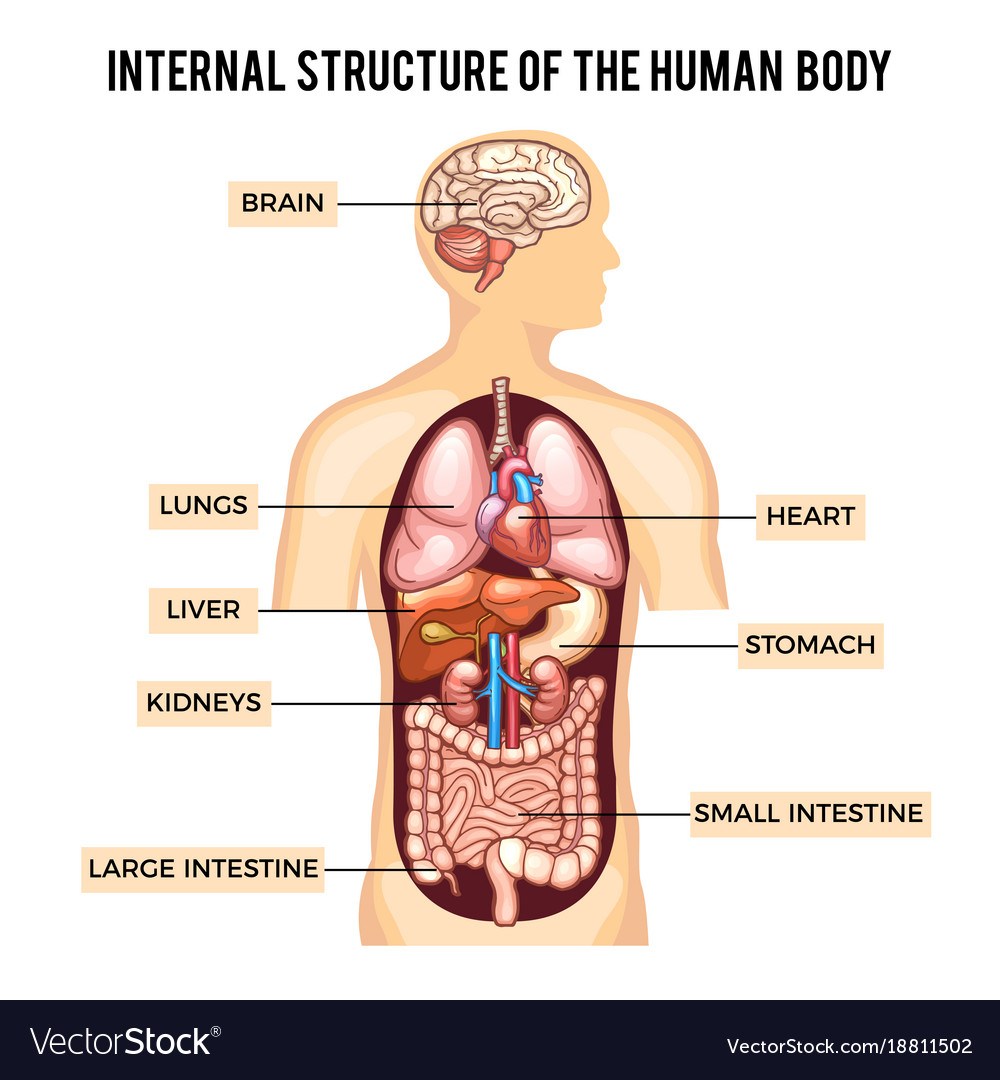
What is an organ?
A group of tissues that work together to perform closely related functions.
the network of nerve cells and fibers that transmits nerve impulses between parts of the body.
all of the bones and muscles in your body and responsible for body structure and movements.
responsible for providing your body with nutrients from food.
The respiratory system is made up of which of the following organs?
brain, nerves and spinal cord
cells, lungs and heart
esophagus, stomach, small intestine
mouth, nose, trachea, lungs
The nervous system is made up of which of the following organs?
brain, nerves and spinal cord
cells, lungs and heart
heart, blood vessels and blood
skin, tissues and muscles
How many chambers does the human heart have?
1
2
3
4
A bunch of organelles working together make up a
tissue
cell
organ
system
The cellular process that makes energy or ATP for the cells is called
photosynthesis
cellular respiration
chloroplast
mitochondria
Irregularly shaped cell fragments that help clot blood
Platelets
Lymph
Plasma
White Blood Cells
Fight bacteria and viruses by entering infected tissue, destroying bacteria/viruses and absorb dead blood cells
White Blood Cells
Red Blood Cells
Platelets
Plasma
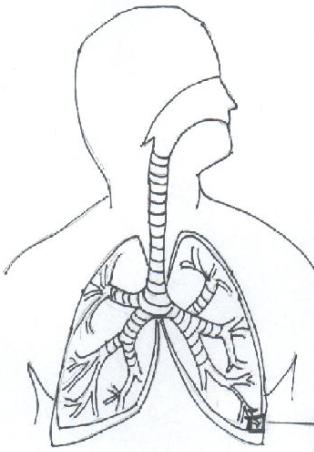
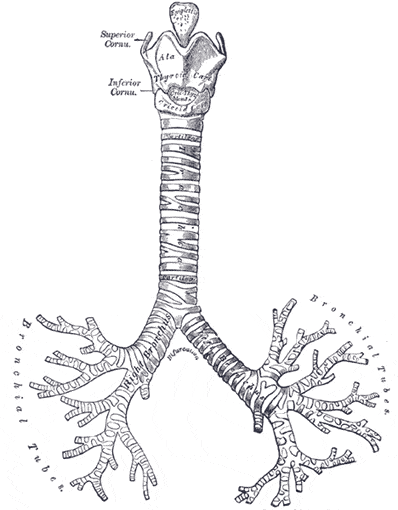
Where is carbon dioxide and oxygen exchanged in the lungs?
alveoli
villi
nephrons
urethrae
What does the large intestine do?
digest the food from this process
makes a pathway for the food
reabsorb a lot of the water from this process
absorbs the food from this process

Which organ filters blood?
Kidneys
Large Intestine
Lungs
Bladder
The teeth chew food and the stomach churns food into smaller particles. What is the name of this process?
chemical digestion
mechanical digestion
absorption
enzyme activity
An example of an involuntary muscle is?
Leg
Heart
Arm
Fingers
These muscles are connected to the bone.
Smooth
Skeletal
Cardiac

What is the dome-shaped muscle beneath the lungs that helps us breathe.
diagram
dialysis
diaghragm
diorama

