
 Worksheets
Cycle 6 Review; Ch 17 & 18
Total questions: 67
Worksheet time: 51mins
True or False: Fossil Fuels are formed from the remains of once-living organisms.
(a)
Fossil fuels are produced only when the remains of living things are broken down in an environment that has little to no (a)
What fossil fuel comes from microscopic animals and algae?
oil
coal
natural gas
Where did the energy in fossil fuels originally come from?
the dirt
the sun
rock
the air
One of the methods for removing coal that involves deposits that are close to the surface is (a) mining
(a) mining is used to reach underground deposits of coal
___________forms from plant remains that are compressed under very high pressure.
coal
oil
natural gas
Coal is commonly used as an energy source because it is (a) expensive and more abundant
(a) is the source of fuels used for most forms of transportation.
Oil taken from the ground is called crude oil. It must be _____________in order to be usable.
refined
extracted
Natural gas is much less _______________than oil and coal.
efficient
polluting
True or False: About half the homes in the U.S. are heated by natural gas
(a)
_________ ___________are deposits of moist sand and clay containing bitumen.
oil sands
oil shale
What is the basic definition of energy?
The ability to do work or cause a change
What type of energy process converts carbon dioxide and water into food molecules (glucose)?
kinetic energy
potential energy
photosynthesis
mechanical energy
Kinetic energy is
What is potential energy?
A skier at the top of the hill is an example of which type of energy?
A train speeding down a track is an example of which type of energy?
What type of energy involves the heat producing rapid movement of atoms and molecules?
What type of energy is used to power a microwave?
Electromagnetic energy
Chemical energy is
How is nuclear energy described?
Nuclear energy is described as the energy released from the nucleus of atoms, such as nuclear fission or fusion.
A type of energy conversion where methane and oxygen are transformed to carbon dioxide and water
What is energy efficiency?
How much energy put into a system actually does useful work
What is true about renewable energy?
Describe nonrenewable energy
Select all of the renewable energy examples
wind
moving water
sun
natural gas
Select all of the nonrenewable energy examples
oil
natural gas
solar
coal
What is the basic definition of electricity?
What does the U.S. Energy Information Administration report as the sector with the highest energy use in 2018?
What percent of the 195 countries worth of global energy does the United States use?
5%
2%
17%
.03%
Describe ten ways that humans use energy
In the poorest nations, wood, charcoal and manure supply up to _________% of energy.
50
90
10
energy that is produced from wood, charcoal and manure is called
biomass energy
fossil fuels
geothermal energy
Which type of biofuel is used in most cars?
ethanol
biodiesel
The ethanol that is used as an energy source in the US is produced mainly from _________
corn
vegetable oil
Electricity that is generated by the combustion of of biomass is called ...
(a)
Crops like switchgrass, which grow rapidly, can produce biopower
True
False
One economic benefit of using biomass energy is it should reduce a nation's dependence on imported fuels
FALSE
TRUE
Using biomass energy like corn ethanol can be__________________ because it only provides a small amount more energy than the energy needed to produce it
impossible
inefficient
unhealthy
A home is built with clear glass panels that allow sunlight to pass through. This is an example of
Active solar
Passive solar
Parabolic collector
Photovoltaic Cells

Geysers erupting is an example of (a) energy
In hydropower, we use the ________energy of moving water to turn turbines and generate electricity.
potential
kinetic
mechanical
A benefit of using hydropower is it does not (a) the atmosphere.
(a) energy is using the movement of tidal water to generate electricity.
Ocean thermal energy conversion uses the water on the ___________converting thermal energy in ocean water to electric energy.
surface
bottom
Greenhouses use _______ solar heating to collect the sun’s energy.
passive
active
In a photovoltaic _______, sunlight striking a silicon plate begins a process that creates an electric current.
box
cell
fuse
Concentrating solar power (CSP) is a technology that uses (a) to focus sunlight in order to generate electricity.
Which of the following is NOT a part of a wind turbine?
blades
mirrors
gearbox
generator
To create electricity, wind blowing into a turbine turns
towers that maintain farms.
drains that irrigate wetlands.
blades that connect to a gearbox.
generators that are placed underground
Offshore wind farms are becoming more common because they
are less expensive to build, due to materials.
are economical to maintain, due to location.
produce more power, due to stronger winds.
Indirectly, wind energy is a form of (a) energy
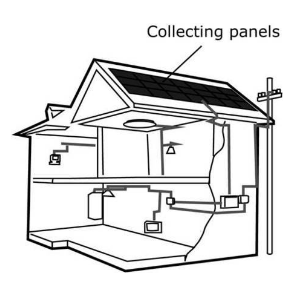
Which alternative energy source does this house use?
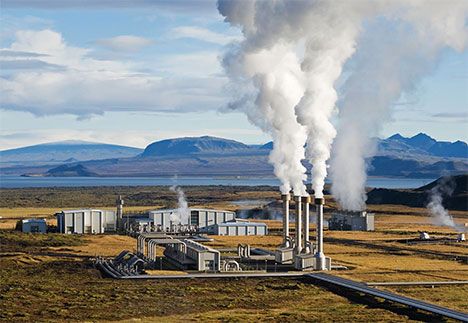
All of the following are considered renewable energy sources EXCEPT –
Wind
Coal
Biomass
Solar
When fossil fuels burn, they release ___________ ____________ into the atmosphere.
(a)
The burning of ____________and ____________release sulfur dioxide and nitrogen oxides which contribute to industrial and photochemical smog.
(a)
M (a) y, which is present in coal, can affect the central nervous system and kidneys.
strip mining can destroy large areas of habitat and cause extensive soil (a)
__________drainage occurs when sulfide minerals in exposed rock surfaces react with oxygen and rainwater to produce sulfuric _________(same word)
water
acid
oil
Some oil from nonpoint sources like homes and cars runs off from its sources and eventually ends up in the ____________________
ground
trees
ocean
Middle Eastern nations have far more __________ ___________reserves than the U.S.
(a)
One way to reduce our dependence on foreign oil is to develop renewable energy sources like ___________ and ____________power.
(a)

