
 Worksheets
electric current
Total questions: 123
Worksheet time: 1hrs 3mins
An electric current can produce
heating effect only.
chemical effect only.
magnetic effect only.
chemical, heating, and magnetic effects.
Boojho’s uncle has set up an electroplating factory near his village. He should dispose off the waste of the factory
in the nearby river.
in the nearby pond.
in the nearby cornfield.
according to the disposal guidelines of the local authority.
Which one of the following solutions will not conduct electricity?
lemon juice
vinegar
tap water
vegetable oil
Which of the following metals is used in electroplating to make objects appear shining?
iron
aluminium
copper
chromium

Which of the following solutions will not make the bulb in Fig 14.2 glow?
(a)
(b)
(c)
(d)
sodium chlorides
copper sulphate
silver nitrate
sugar solution in diluted water
Tick the chemical effect of elecric current
boiling
motion
electro shock
Electroplating
LED stands for
light emitting diode
light efficient diode
length emitting diode
light emitting device
Pure or distilled water is a
poor conductor
good conductor
Both
None of the above
Which of the following does not conduct electricity?
Sugar solution
Vinegar solution
Lemon juice solution
Caustic soda solution
An electric current can produce
heating effect
chemical effect
magnetic effect
all of the above
Pure or distilled water is a
poor conductor
good conductor
Both
None of the above
Why do we add little dilute sulphuric acid to copper sulphate solution during electroplating?
To increase acidity
To increase conductivity
So that the colour becomes more prominent
To burn copper sulphate
Which of the following is a bad conductor of electricity?
Distilled water
Silver nitrate
Sulphuric acid
Copper sulphate
Electroplating is based on ___________of an electric current.
Physical effect
Chemical effect
Heating effect
Magnetic effect
Which of these is plated on the iron to prevent it from chemically reacting with food?
Gold
Chromium
Tin
Zinc
Electroplating prevents
electric current
chemical effect
lightening
rusting
Out of the following, which metal is used to electroplate iron to make it shining and rust resistant?
Gold
Chromium
Zinc
Tin
Alloys of metals
allow electric current to flow through them
do not allow electric current to flow through them
sometimes allow and sometimes do not allow electric current to flow through them
None of these
Tin cans used for storing food are made by electroplating
copper on iron
iron on tin
tin on zinc
tin on iron
The filament of the bulb gets heated to a high temperature due to the
magnetic effect of current
heating effect of current
chemical effect of current
all of these
During electrolysis of water,
hydrogen gas is produced
oxygen gas is produced
water is produced
both (a) and (b)
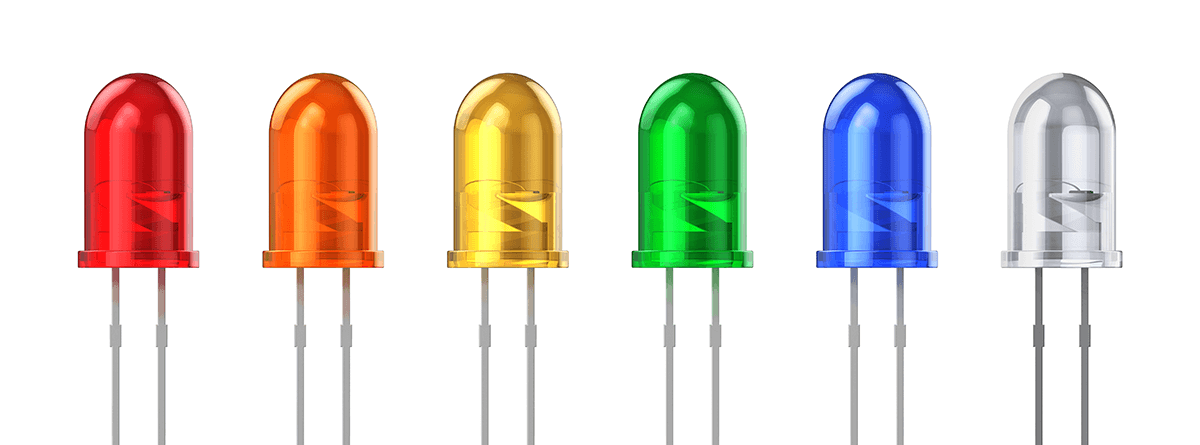
LED stands for
(a)
To electroplate silver on Copper jewellery, the electrolyte that can be used is:
Copper Sulphate
Silver Nitrate
Ammonium Chloride
Sodium Chloride
Radhika wants to electroplate a plate with ZINC. She has a Zinc bar and the plate. But she does not know which should be the anode and which should be the cathode.
Zinc Bar - Anode, Plate - Cathode
Zinc Bar - Cathode, Plate - Anode
Both Anode and Cathode should be Zinc
Small amount of a mineral salt present naturally in water makes it a______________ of electricity.
insulator
conductor
both a and b
none of these
Flow of electron is called
Electroplating
Electric current
Electrodes
Electrolyte
conductors can allow electricity because of the presence of
free ions
free electrons
free protons
atoms
Electroplating is based on ___________of an electric current.
Physical effect
Chemical effect
Heating effect
Magnetic effect
Adding common salt to distilled water makes it
Good Conductor
Poor Conductor
No change
Both A and B
An electrolyte is
a metal
a solution
a liquid that conducts electricity
none of these
Flow of electrons is called
Electrode
Electrolyte
Electric current
Electroplating
Electroplating prevents
electric current
chemical effect
lightening
rusting
Which of these is plated on the iron to prevent it from chemically reacting with food?
Gold
Chromium
Tin
Zinc
Out of the following, which metal is used to electroplate iron to make it shining and rust resistant?
Gold
Chromium
Zinc
Tin
Sugar solution is a good conductor of electricity.
True
False
Chromium corrodes easily.
True
False
Boojho’s uncle has set up an electroplating factory near his village.
He should dispose off the waste of the factory
in the nearby river.
in the corn field
according to the disposal guidelines of the local authority.
in the nearby pond
1.An electric current can produce
heating effect only.
chemical effect only.
magnetic effect only.
chemical, heating, and magnetic effects.
When an electric current is passed through a conducting solution, there is a change of colour of the solution. This indicates
the chemical effect of current.
the heating effect of current.
the magnetic effect of current.
the lightning effect of current.
Which one of the following solutions will not conduct electricity?
lemon juice
vinegar
tap water
vegetable oil
The object to be electroplated is taken as ____________ electrode.
cathode
anode
electrode
none of these
Small amount of a mineral salt present naturally in water makes it a______________ of electricity.
insulator
conductor
both a and b
none of these
Electroplating is based on
Chemical effect of electricity
Magnetic effect of electricity
Heating effect of electricity
Physical effect of electricity
An electrolyte is
a metal
a solution
a liquid that conducts current
all of above
Flow of electron is called
Electroplating
Electric current
Electrodes
Electrolyte
the phenomenon of decomposition of an electrolyte when electricity is passed through is known as
conduction
coating
electrolysis
electrorefining
the electrode connected to the negative terminal of a battery is known as
anode
negative pole
cathode
electrolyte
electrolyte that ionise completely to form free mobile ions in the solution is known as
strong electrolytes
weak electrolytes
cathode
anode
conductors can allow electricity because of the presence of
free ions
free electrons
free protons
atoms
sea water is an example of
bad conductor
strong electrolyte
weak electrolyte
none of these
which of the following is an application of electroplating.
Electrorefining of metal
extraction of metals from its ores
to minimize the cost
none of these
the method of purification of metals by using electricity is known as
electroplating
electrorefining
electrometal
none of these
Substances that conduct electricity are called (a) .
Substances that do not conduct electricity are called (a) .
A cation has (a) charge.
Some liquids are (a) conductors of electricity and some are poor conductors of electricity.
Distilled water is an (a) .
Distilled water when mixed with salts becomes a (a) conductor of electricity.
Light emitting diodes (LED) glow even when a (a) electric current flows through it.
The passage of an electric current through a conducting solution causes (a) .
Change in colour is an example of the (a) effect of current.
There are (a) wires attached to an LED.
In an LED, the longer lead is attached to the (a) terminal of the battery and the shorter lead to the negative terminal.
Distilled water is made by removing all (a) .
Most liquids that conducts electricity are solutions of acids, bases and salts.
True
False
All liquids conduct electricity.
True
False
When electric current is passed through the copper sulphate solution, copper and sulphate ions are dissociated.
True
False
Which of the following is a good conductor?
Brick
Steel
Plastic
Cotton
Polythene is
a conductor
an insulator
semi conductor
none of these
Which of the following does not conduct electricity?
Sugar solution
Vinegar solution
Lemon juice solution
Caustic soda solution
Which of the following is a bad conductor of electricity?
Distilled water
Silver nitrate
Sulphuric acid
Copper sulphate
Copper is
a good conductor
an insulator
a semi conductor
none of these
Which one is the polluting waste generated by electroplating factories?
Used up electrodes
Electrolytes
Corroded Metals
When acidified water is electrolysed using carbon electrodes. What is produced at (+) and (-) electrodes.
(+) - Oxygen; (-) - Hydrogen
(+) - Oxygen; (-) - Carbon
(+) - Hydrogen (-) - Oxygen
LED stands for
(a)
Select the poor conductors of electricity
Honey
Plastic
Vinegar
Distilled Water
We can electroplate plastic on iron.
True
False
To electroplate silver on Copper jewellery, the electrolyte that can be used is:
Copper Sulphate
Silver Nitrate
Ammonium Chloride
Sodium Chloride
In a conducting liquid electricity is conducted with the help of :
Proton
Neutron
Electron
Ions
During electrolysis the positively charged ions travel towards Cathode.
True
False
During electroplating ________ (electrode) reduces in size and ________(electrode) increases in size.
(a)
Bicycle bells and wheel rims are electroplated with which metal?
Tin
Nickle
Chromium
Silver
You perform an experiment taking similar bulbs and cells but two different solutions A and B. You find that the bulb in the setup A glows more brightly as compared to that of the setup B. You would conclude that
higher current is flowing through the circuit in setup A
higher current is flowing through the circuit in setup B
equal current is flowing through both the circuits
No conclusion
Electroplating is based on ___________of an electric current.
Physical effect
Chemical effect
Heating effect
Magnetic effect
Adding common salt to distilled water makes it
Good Conductor
Poor Conductor
No change
Both A and B
An electrolyte is
a metal
a solution
a liquid that conducts electricity
none of these
Flow of electrons is called
Electrode
Electrolyte
Electric current
Electroplating
Tick the chemical effect of elecric current
boiling
motion
electro shock
Electroplating
Who discovered chemical effect of elecric current?
Thomas Edison
Joule-Lenz
Michael Faraday
James Watt
Boojho’s uncle has set up an electroplating factory near his village. He should dispose off the waste of the factory
in the nearby river.
in the nearby pond.
in the nearby cornfield.
according to the disposal guidelines of the local authority.
Which one of the following solutions will not conduct electricity?
lemon juice
vinegar
tap water
vegetable oil
Which of the following solutions will not make the bulb in Fig 14.2 glow?
(a)
(b)
(c)
(d)
sodium chlorides
copper sulphate
silver nitrate
sugar solution in diluted water
LED stands for
light emitting diode
light efficient diode
length emitting diode
light emitting device
Sugar solution is a good conductor of electricity.
True
False
the phenomenon of decomposition of an electrolyte when electricity is passed through is known as
conduction
coating
electrolysis
electrorefining
Electroplating prevents
electric current
chemical effect
lightening
rusting
Which of these is plated on the iron to prevent it from chemically reacting with food?
Gold
Chromium
Tin
Zinc
Out of the following, which metal is used to electroplate iron to make it shining and rust resistant?
Gold
Chromium
Zinc
Tin
Chromium corrodes easily.
True
False
Who discovered heating effect of elecric current?
James Watt
Joule-Lenz
Michael Faraday
Thomas Edison
Electroplating is based on ___________of an electric current.
Physical effect
Chemical effect
Heating effect
Magnetic effect
Adding common salt to distilled water makes it
Good Conductor
Poor Conductor
No change
Both A and B
An electrolyte is
a metal
a solution
a liquid that conducts electricity
none of these
Flow of electrons is called
Electrode
Electrolyte
Electric current
Electroplating
Tick the chemical effect of elecric current
boiling
motion
electro shock
Electroplating
Who discovered chemical effect of elecric current?
Thomas Edison
Joule-Lenz
Michael Faraday
James Watt
Boojho’s uncle has set up an electroplating factory near his village. He should dispose off the waste of the factory
in the nearby river.
in the nearby pond.
in the nearby cornfield.
according to the disposal guidelines of the local authority.
Which one of the following solutions will not conduct electricity?
lemon juice
vinegar
tap water
vegetable oil
Which of the following solutions will not make the bulb in Fig 14.2 glow?
(a)
(b)
(c)
(d)
sodium chlorides
copper sulphate
silver nitrate
sugar solution in diluted water
LED stands for
light emitting diode
light efficient diode
length emitting diode
light emitting device
Sugar solution is a good conductor of electricity.
True
False
the phenomenon of decomposition of an electrolyte when electricity is passed through is known as
conduction
coating
electrolysis
electrorefining
Electroplating prevents
electric current
chemical effect
lightening
rusting
Which of these is plated on the iron to prevent it from chemically reacting with food?
Gold
Chromium
Tin
Zinc
Out of the following, which metal is used to electroplate iron to make it shining and rust resistant?
Gold
Chromium
Zinc
Tin
Chromium corrodes easily.
True
False
Who discovered heating effect of elecric current?
James Watt
Joule-Lenz
Michael Faraday
Thomas Edison

