
 Worksheets
APES Unit 7 Air Pollution
Total questions: 101
Worksheet time: 2hrs 16mins
Which of the following is NOT a primary pollutant?
nitric oxides
smog
sulfur dioxide
volatile organic compounds

Which of the following are examples of VOC's ? (Select 3)
paint and paint thinners
gasoline
water vapor
formaldehyde
smog
Thermal inversions
increase the rate of smog formation
trap high concentrations of pollution at ground level
result in increased levels of acid deposition
reduce the negative effects of VOC's
This molecule prevents UV radiation from getting to the troposphere
stratospheric ozone
tropospheric ozone
Calcium Carbonate
CFC
This primary pollutant creates a reddish brown gas creating photochemical smog and tropospheric ozone.
sulfuric acid
VOC
nitrogen dioxide
particulate matter
The Urban Heat Island Effect
occurs when rural areas are warmer than urban centers at night
is intensified when more trees are present
leads to warmer temperatures in shallow water bodies in a city
leads to decrease in electrical demand in a city
Which is NOT a criteria air pollutant?
Sulfur dioxide
lead
carbon dioxide
particulate matter

Which below is considered an air pollutant?
stratospheric ozone
tropospheric ozone
exospheric ozone
mesospheric ozone
thermospheric ozone
A type of pollution found both indoors and outdoors, which includes pollen, dander, soot, carbon, and dust.
Water droplets
Allergens
Particulate matter
Combustibles
A carcinogen produced from radioactive decay of Uranium-28. Found naturally in some soils.
Radon
Lead
Mercury
Ozone
A strong VOC and greenhouse gas, made in excess from livestock.
Carbon Dioxide
Lead
Mercury
Methane
A protective gas in the stratosphere, but a pollutant in the troposphere.
Ozone
Nitrogen
Radon
Methane
Check all that are true of the stratosphere.
Where the ozone layer is located.
Where we live.
The second layer of the atmosphere.
The coldest layer of the atmosphere.
This smog occurs when sunlight reacts with certain pollutants in the atmosphere.
Temperature Smog
Industrial Smog
Photochemical Smog
Acid Deposition
Which climate conditions would be best suited for the formation of photochemical smog?
Cool, wet, cloudy
Cool, dry, sunny
Warm, wet, cloudy
Warm, dry, sunny
Which of the following is true of acid deposition?
It kills fish by precipitating copper that causes lung mucus buildup
It is a benefit to plants by leaching soil nutrients
It increases the pH of aquatic ecosystems
It damages statues, buildings, and car finishes
Check all that contribute to particulate matter pollution.
Diesel exhaust
Coal burning
Electrostatic precipitators
Wood fires
Check all that is true of the Clean Air Act.
It set air quality standards for public health
It was signed by 71 nations in Montreal
It developed motor vehicle emission standards
It gave a timeline to power plants to cut emissions
What do scrubbers do to control air pollution?
They increase the efficiency of electricity generation
They remove gases and particulates from exhaust
They use electric charge to remove pollutants
They convert pollutants to something less harmful
Implicated in human neurological damage
Sulfur dioxide
Lead
Ozone
Hydrocarbons
Particulates
Which of the following is the human health impact most closely associated with atmospheric particulates?
Cataracts
Diabetes
Melanoma
Asthma
Obesity
Catalytic converters reduce which of the following pairs of pollutants in car exhaust?
Carbon dioxide and ozone
Carbon monoxide and hydrocarbons
Carbon dioxide and particulates
Lead and mercury
Methane and particulates

Which of the following points on the graph best illustrates the location where pollutants are most likely to accumulate as a result of a thermal inversion?
Point A
Point B
Point C
Point D
An air pollution expert set up a monitoring program to determine the amount of particulate matter (PM) leaving a farmer’s field after crops were harvested and the soil was bare. She set up high-volume air samplers 10 meters from each edge of the square field and collected samples weekly for two months. When she looked at her data, she was surprised by how much the PM levels varied, both from site to site on a given date and over time at each site. Which of the following parameters would have been best to measure to help explain the variation in her results?
Percent of cloudy days over the two months
Particle size of the soils in the field
Depth of the organic matter in the soil
Wind direction and speed

Which of the following is most likely responsible for the indoor air pollutant shown in the graph?
Cracks in the basement foundation
Synthetic fiber in carpets and furniture
Leaking water
Pet hair
Which of the following practices would act to reduce vehicular generated air pollution in urban areas?
I. Establish “No Idling” zones where vehicles park or wait
II. Require Enhanced Auto Emission Inspections
III. Retrofit gasoline pumps with sleeves to collect VOC’s
I only
II only
II and III only
I and III only
I, II, and III
In order to reduce the amount of ground-level pollutants (e.g. VOCs, NOX, CO and tropospheric ozone), some municipalities around the globe have instituted all of the following EXCEPT,
installing scrubbers on automobiles
permitting automobiles to be driven only every other day
expanding public transportation networks
carpool/high occupancy vehicle (HOV) lanes on interstates
charging user fees to use certain roads at certain times
Which harmful substance was once commonly used as insulation?
Asbestos
Mercury
Lead
Radon
Ozone
The 3 main anthropogenic sources of gaseous air pollutants in the US are
soil erosion, volcanoes, and forest fires
transportation, soil erosion, and energy production
industry, transportation, and energy production
industry, transportation and agriculture
This molecule prevents UV radiation from getting to the troposphere
stratospheric ozone
tropospheric ozone
Calcium Carbonate
CFC
a secondary pollutant
forms in the stratosphere
is transformed by sunlight, water, or other elements in the atmosphere
cannot be directly tracked to its source
forms primarily from incomplete combustion
Which is a source of sulfur dioxide found in nature?
forest fires
lightning
plant emissions
volcano

I nitrogen dioxide
II sulfur dioxide
III VOC's
Thermal inversions
increase the rate of smog formation
trap high concentrations of pollution at ground level
result in increased levels of acid deposition
reduce the negative effects of VOC's
Acid deposition forms as a result of
nitrogen oxides and photochemical smog
carbon monoxide and VOC's
sulfur dioxide and VOC's
nitrogen oxides and sulfur dioxides
The effects of acid deposition include
increased cancer rates in aquatic organisms
increased pH of lake water
decreased mobilization of metals
decreased aquatic biodiversity
Which method is used to reduce the nitrogen oxide emissions
installation of catalytic converters
increased temperature of combustion
the use of calcium carbonate to absorb the emissions
the use of fluidized bed combustion
Which is NOT used to prevent the emission of particulate matter?
gravitational settling
fabric filters
electrostatic precipitators
catalytic converters
Which outdoor air pollutant is also a significant indoor air pollutant?
sulfur dioxide
carbon monoxide
ozone
lead
CO2 and other pollutants are usually measured in units of
pH
percent
decibels
parts per million
During thermal inversion, ______________ air is surrounded by _____________ air.
warm; cooler
cool; warmer
warm; denser
cool; denser
What can you predict about indoor air pollution in India and Sub-Saharan Africa?
Homes have more efficient insulation and increased ventilation decreasing indoor air pollution
Use of biomass fuel sources such as wood and charcoal for cooking increases indoor air pollution
Industrial power plants burning fossil fuels for electrical energy generation decreases indoor air pollution
Use of chemical pesticides on croplands increases indoor air pollution
What is a geologic source of CO2?
Respiration
Decomposition
Volcanoes
Photosynthesis
Which is NOT a criteria air pollutant?
Sulfur dioxide
lead
carbon dioxide
particulate matter
Smoke from forest fires is most likely to affect air quality over larger areas for many days when
smog is produced due to chemical reactions in the atmosphere
a persistent atmospheric inversion exists in the region
it emits primary pollutants
it emits secondary pollutants
The Clean Air Act- regulates vehicle emissions.
true
false
A type of pollution found both indoors and outdoors, which includes pollen, dander, soot, carbon, and dust.
Water droplets
Allergens
Particulate matter
Combustibles
Which of the following are examples of VOC's ? (Select 3)
paint and paint thinners
gasoline
water vapor
formaldehyde
smog
Which of the following is NOT a primary pollutant?
nitric oxides
smog
sulfur dioxide
volatile organic compounds
Which of the following government agencies is responsible for the Clean Air Act?
the USGS
the USDA
the EPA
the USDOJ
Which of the following practices would act to reduce vehicular generated air pollution in urban areas?
I. Establish “No Idling” zones where vehicles park or wait
II. Require Enhanced Auto Emission Inspections
III. Retrofit gasoline pumps with sleeves to collect VOC’s
I only
II only
II and III only
I and III only
I, II, and III
In order to reduce the amount of ground-level pollutants (e.g. VOCs, NOX, CO and tropospheric ozone), some municipalities around the globe have instituted all of the following EXCEPT,
installing scrubbers on automobiles
permitting automobiles to be driven only every other day
expanding public transportation networks
carpool/high occupancy vehicle (HOV) lanes on interstates
charging user fees to use certain roads at certain times
Which harmful substance was once commonly used as insulation?
Asbestos
Mercury
Lead
Radon
Ozone
Which below is considered an air pollutant?
stratospheric ozone
tropospheric ozone
exospheric ozone
mesospheric ozone
thermospheric ozone
What is TRUE of carbon monoxide?
It is CO2
It is an odorless gas
It has a purple color
It is the product of complete combustion
None of these are true
Which is false of carbon dioxide?
It is CO2
It is colorless
It is odorless
It is a greenhouse gas
It is the product of photosynthesis
Which below is a source of particulate matter?
burning wood
dust from gravel roads
volcanoes
forest fires
all of these are sources of particulate matter

Photochemical smog results from a reaction between
nitrogen, oxygen and sunlight
nitrogen, carbon and sunlight
oxygen, water and lead
sunlight, sulfur and carbon
carbon, hydrogen, and methane

Volcanic eruptions can be sources of air pollution
True
False
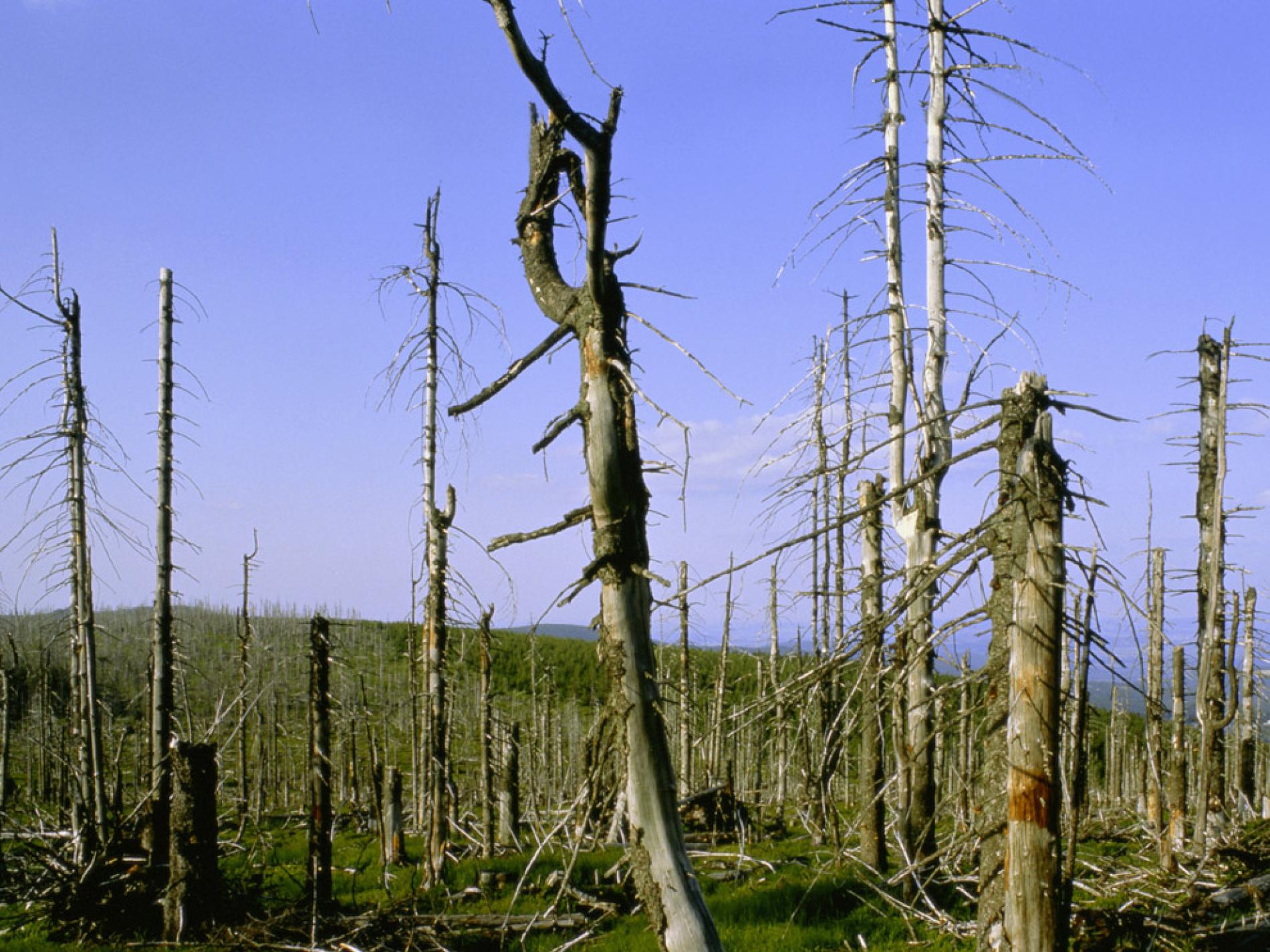

Smog or ground ozone forms in the troposphere. Which pollutants are most responsible for smog or ground ozone?
sulfur and particulate matter
volatile organic compounds and nitrogen oxides
carbon monoxide and carbon dioxide
none of these answers are correct


Where is the Ozone Layer found in our atmosphere?
Troposphere (lower portion)
Stratosphere (upper portion)
The Clean Air Act- regulates vehicle emissions.
true
false
A type of pollution found both indoors and outdoors, which includes pollen, dander, soot, carbon, and dust.
Water droplets
Allergens
Particulate matter
Combustibles
Which of the following is NOT a primary pollutant?
nitric oxides
smog
sulfur dioxide
volatile organic compounds
Which of the following pH measurements of rainwater would indicate acid precipitation/rain?
pH 6.0
pH 4.1
pH 7.3
pH 9.6

What areas are more likely to experience temperature inversions?
small cities in the mountains
large cities in valleys
large cities near oceans
small cities near a river

Where is the "GOOD" ozone located?
troposphere
stratosphere
mesosphere
thermosphere
Radon is usually found in this location in your home.
attic
basement
bathroom
kitchen
What effect do temperature inversions have?
traps heat and raises the temperature beneath it
traps cold air and lowers the temperature beneath it
traps emissions and can accumulate beneath it
traps the ozone layer
How do temperature Inversions affect air currents?
A layer of cold, polluted air mixes with the warm air from the surface and creates a smog-like layer
A layer of slightly warmer air prevents the warm, polluted air from rising, causing a build up of pollution near the surface
A layer of smoke causes temperatures to lower near the surface of the earth, causing more pollution in the air.
Which of the following is the basis of industrial fog?
burning coal
vehicle emissions

