wayground logo

Free Printable Worksheets

Font size

S
M
L
XL
Worksheets

Module J Exam

Total questions: 70

Worksheet time: 2hrs 48mins

Name
Class
Date
1.
The state of matter in which a substance has a definite volume but no definite shape.
a)
gas
b)
liquid
c)
solid
d)
matter
2.
Wood burning is an example of _______
a)
physical intensive property
b)
physical extensive property
c)
chemical change
d)
Physical change
3.
Crumpling paper is an example of 
a)
physical change
b)
chemical change
c)
physical property
d)
chemical property
4.

A material that does not easily allow for the flow of heat and electricity.

a)

density

b)

magnetism

c)

insulator

d)

conductor

5.

Liquid is a state of matter that has no definite shape, definite volume and takes the shape of its container.

a)

True

b)

False

6.

A solid is a state of matter that has definite shape, a definite volume and takes the shape of its container.

a)

True

b)

False

7.

A gas is a state of matter that has no definite shape, no definite volume and takes up all available space.

a)

True

b)

False

8.
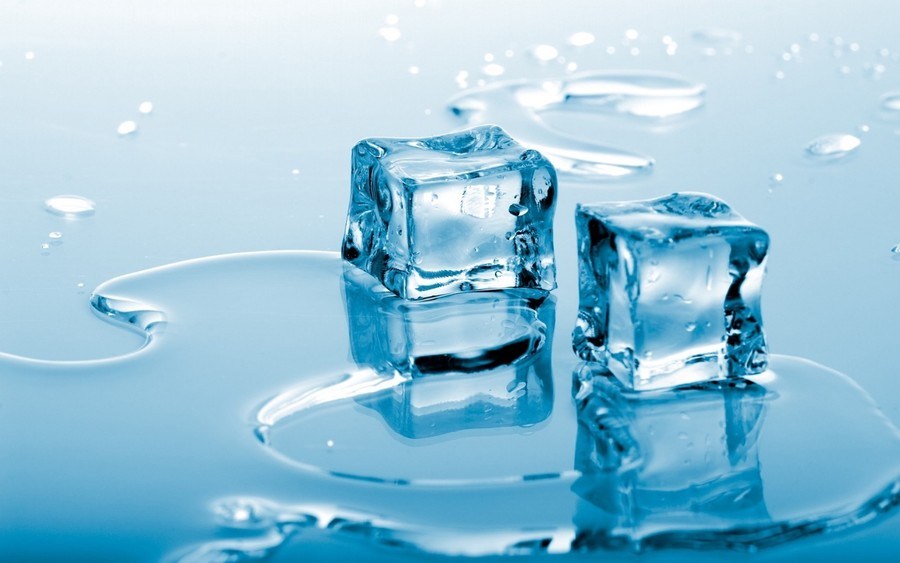
An ice cube is put into a heated pan. What will most likely happen to the molecules in the ice as the ice is heated?
a)
The molecules will begin to move slower. 
b)
The molecules will begin to move faster. 
c)
The molecules will begin to increase in density. 
d)
The molecules will begin to condense in the air. 
9.
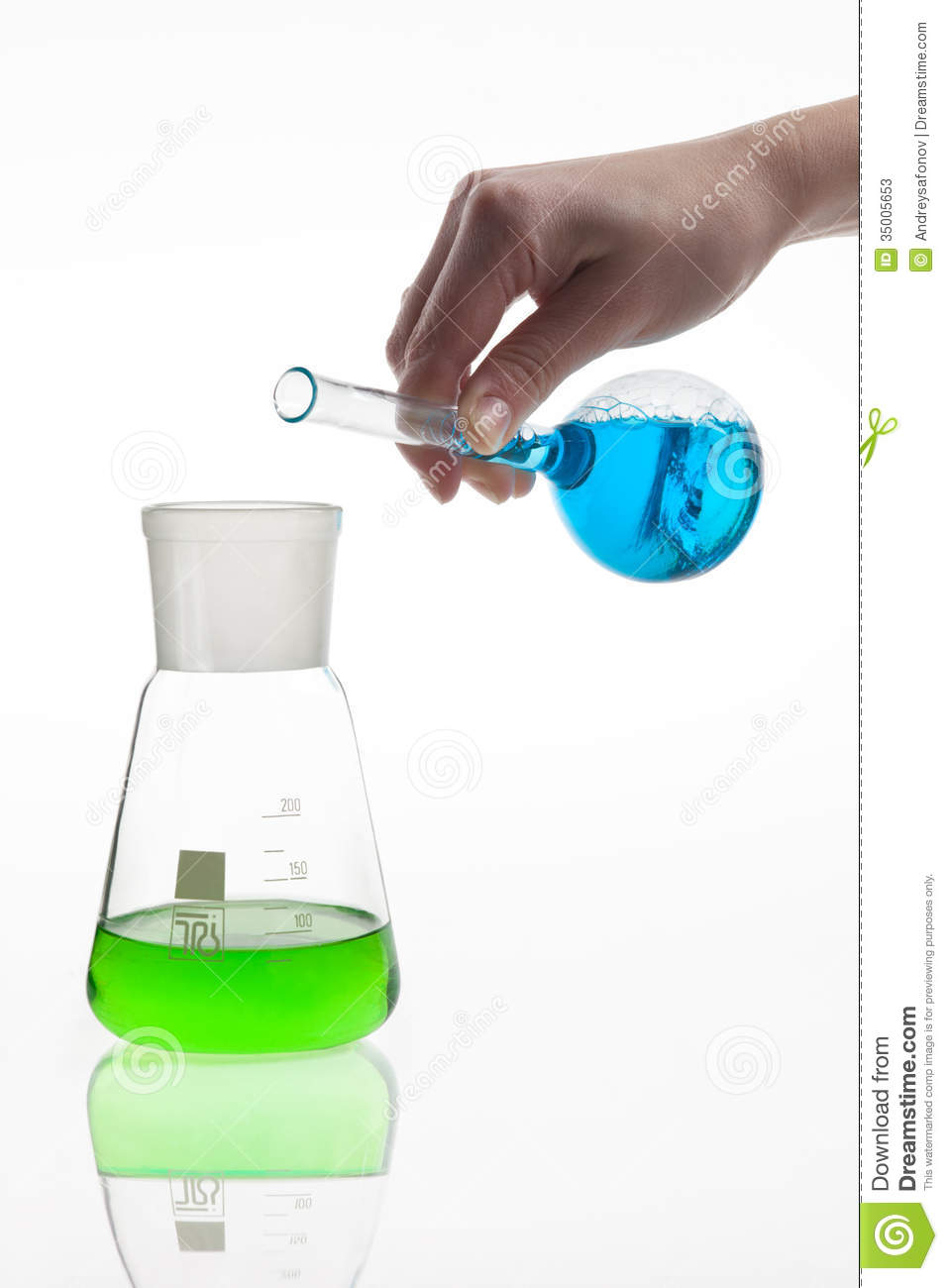
Two clear solutions are mixed together in a beaker. Which would most likely indicate a chemical change had occurred?
a)
increase in volume of the liquid in the beaker 
b)
change of color of the liquid in the beaker
c)
separation of the two liquids within the beaker
d)
increase in mass of the liquid in the beaker
10.
How does a balanced chemical equation satisfy the Law of Conservation of Mass?
a)
During a chemical reaction, the total amount of matter stays the same.
b)
During a chemical reaction, matter is destroyed.
c)
During a chemical reaction, one or more new substances are formed. 
d)
During a chemical reaction, the total number of atoms increases. 
11.

Lighting a fire turns the wood to ashes is an example of...

a)

a chemical change

b)

a physical change

12.
Water freezing into ice is an example of a...
a)
Physical Change
b)
Chemical Change
13.
A change in matter that forms one or more new substances with new chemical properties is a/an...
a)
Physical Change
b)
Chemical Change
14.
Physical or Chemical Change?  Iron rusts
a)
Physical Change
b)
Chemical Change
15.
Is Gatorade powder dissolving in water physical or chemical change?
a)
Physical 
b)
Chemical
16.
Sarah is completing a lab in which she is required to identify an unknown substance. She records several observations and measurements of the substance. Which of the following properties will be most helpful to Sarah in making a correct identification?
a)
density
b)
mass
c)
volume
d)
weight
17.
Taking energy away from a substance will make its particles move
a)
more slowly
b)
more quickly
c)
at the same speed
18.
The change from a gas to a liquid is called 
a)
condensation
b)
evaporation
c)
sublimation
d)
deposition
19.
In which state of matter are particles moving the slowest?
a)
solid
b)
liquid
c)
gas
d)
gummy bears
20.
Adding more heat energy to particles of matter will
a)
make them move slower
b)
make them move faster
c)
make them stop moving
d)
destroy them
21.
What is it called when the state of matter changes from a liquid to a solid?
a)
Vaporization
b)
Freezing
c)
Condensation
d)
Melting
22.
What is it called when the state of matter changes from a liquid to a solid?
a)
Vaporization
b)
Freezing
c)
Condensation
d)
Melting
23.
As the energy of the molecules in a substance increases, the temperature of the substance __________.
a)
increases
b)
decreases
24.

On a hot, humid summer day drops of water form on a can of cold soda. What process caused this to happen?

a)

condensation

b)

freezing

c)

vaporization

d)

deposition

25.
What happens during conduction on the molecular level?
a)
Fast moving molecules get larger
b)
Slow moving molecules get smaller
c)
Fast molecules transfer energy to slow molecules
d)
Slow molecules transfer energy to fast molecules
26.
What happens when liquid water evaporates?
a)
Water molecules break apart into atoms
b)
The molecules bump past each other
c)
The molecules move faster and become gas
d)
The water increases in mass
27.
When water freezes, liquid water turns to solid ice because...
a)
Water molecules get harder
b)
Molecules move slowly enough that their attractions keep them fixed
c)
All liquid water eventually becomes ice
d)
Ice can float on water
28.
Ice melts to become liquid water mainly because...
a)
Molecules move fast enough to break out of fixed positions
b)
Molecules slow down so that they melt
c)
Water molecules react with oxygen to produce melting
d)
Ice is less dense than water
29.
True or False: Adding energy has no effect on evaporation.
a)
True
b)
False
30.
What is the process that causes a substance to change from liquid to solid?
a)
Melting
b)
Freezing
c)
Evaporation
d)
Condensation
31.
What is happening on the molecular level to a substance when it changes from gas, to liquid, to solid?
a)
Losing energy
b)
Gaining energy
32.
What is happening to a substance on the molecular level when it is changing from solid, to liquid, to gas?
a)
Losing energy
b)
Gaining energy
33.
Which one of these is a chemical property?
a)
melting point
b)
boiling point
c)
color
d)
flammability
34.

The ability to rust is a

a)

Physical property

b)

Chemical property

35.

The silver bracelet my Grandma gave me tarnishes very easily. This is an example of a

a)

Physical property

b)

Chemical property

36.

Aluminum is a metal that can be flattened and molded into different shapes. It shows high ...

a)

Magnetism

b)

Hardness

c)

Reactivity

d)

Malleability

37.

The melting point of a substance such as ice cream is an example of a

a)

Physical property

b)

Chemical property

38.

The ability of Kool Aid to dissolve in water is an example of a

a)

Physical property

b)

Chemical property

39.

The ability of salt to dissolve in water is

a)

Solubility

b)

Reactivity

c)

Flammability

d)

Ductility

40.
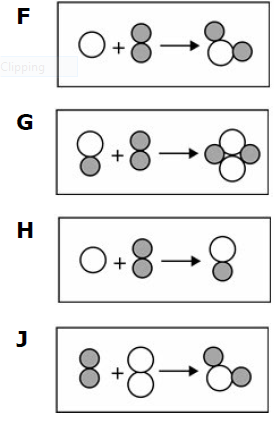
Which of the following models best demonstrates a balanced chemical equation?
a)
F
b)
G
c)
H
d)
J
41.
The reactants are on the left side of the chemical equation.
a)
True
b)
False
42.
Coal contains carbon and other elements. Carbon dioxide forms when coal burns in the presence of oxygen. Which of these is the best evidence that a chemical reaction occurs when coal burns?
a)
The shape of the coal changes
b)
Oxygen is present
c)
A new substance is produced
d)
Coal is made up of more than one element
43.
Is burning wood a chemical or physical change?
a)
chemical
b)
physical
44.
When materials combine to form new compounds it is a chemical change. Which example is a chemical change?
a)
baking powder fizzing
b)
water boiling
c)
ice melting
d)
sugar cube dissolving
45.
Which is an example of a chemical reaction?
a)
paper cut into small pieces
b)
chocolate melting in a pan
c)
flour and sugar mixed in a bowl
d)
cookies baking in an oven
46.

In order for an equation to be balanced, there must be ...

a)

an equal amount of atoms on both sides

b)

a greater mass on the product side

c)

a greater mass on the reactant side

d)

elements with the same atomic # on both sides

47.
Grinding a seltzer tablet into powder increases the rate of reaction due to increased
a)
concentration
b)
surface area
c)
temperature
d)
reactants
48.
Which factors increase the rate of a reaction.
a)
increasing temperature
b)
increasing concentration
c)
increasing surface area
d)
all of these
49.
Evidence of a chemical reactions is anything that shows - 
a)
a new substance has formed
b)
a solid dissolved in a liquid
c)
interaction between 2 gases
d)
a change in the state of matter
50.
Which of the following describes a precipitate?
a)
a liquid forms when a block of metal is heated
b)
a solid forms when one liquid is poured into another
c)
a gas forms when a solid is placed in a liquid
d)
bubbles form when an acid is poured on a rock
51.
You know you a chemical reaction has occurred if 
a)
there is a precipitate.
b)
there is a color change.
c)
there is a temperature change.
d)
All of these answers are evidence.
52.
A clear liquid from a flask is poured into another clear liquid in a beaker. Which of the following results of this procedure would indicate a new substance was formed?
a)
The level of the substance in the beaker is higher after the other liquid is added.
b)
A yellow solid forms and then settles to the bottom of the beaker.
c)
Small white crystals are left behind in the flask that held the first liquid.
d)
The mass of the combined liquids is greater than either original liquid.
53.

As the heat moves what happens to the molecules?

a)

they begin to move faster

b)

they begin to move slower

c)

they stop moving

d)

they fly off the object

54.

Absorbs energy

a)

Endothermic

b)

Exothermic

55.

Feels warm or hot

a)

Endothermic

b)

Exothermic

56.

Feels cold

a)

Endothermic

b)

Exothermic

57.

a)

Endothermic

b)

Exothermic

58.

a)

Endothermic

b)

Exothermic

59.
During an endothermic reaction in a beaker if we are part of the surroundings and touched the beaker, it would feel _______. 
a)
Warm
b)
Cold
60.

A student mixed two chemicals to allow them to react. The temperature before the reaction was 25 ° C. The temperature after the reaction was 18° C. Which of the following is true?

a)

It is an exothermic reaction

b)

It is an endothermic reaction

61.

What will have more mass when a chemical change is complete: the reactants before the chemical reaction or the product after the reaction is complete?

a)

They both will have the same mass

b)

The product always has more mass than the reactant

c)

The reactant will have more mass than the product

d)

They both will lose mass after the reaction

62.
The _______ describes the atoms in a compound.
a)
chemical equation
b)
chemical formula
c)
chemical symbol
d)
coefficient
63.
How many elements are in C6H12O6?
a)
1
b)
2
c)
3
d)
4
64.
How many atoms of carbon (C) are in C6H12O6?
a)
3
b)
6
c)
12
d)
24
65.
Element or compound?
H2O
a)
element
b)
compound
66.
Which of the following is a compound?
a)
Co
b)
O2
c)
C
d)
CO2
67.
The blue numbers in the image below represent ________
a)
I don't know, and don't want to try
b)
coefficients
c)
subscripts
d)
none of the answers are correct
68.
How many Sodium (Na) are in 6NaCl?
a)
1
b)
12
c)
6
69.
The substances at the beginning of a chemical equation are called the ____
a)
product
b)
yield
c)
chemical symbol
d)
reactants
70.
In this image, the symbols to the right of the arrow (in black) are called the_______.
a)
Products
b)
Reactants
c)
Subscripts
d)
Coefficients