
 Worksheets
Chemical Bonding and Ions
Total questions: 70
Worksheet time: 1hrs 14mins
What is a positive ion called?
anion
cation
isotope
covalent
What is a negative ion called?
anion
cation
covalent
isotope
How many electrons would a Nitrogen ion gain/lose? If it has 5 valence electrons.
lose 5
gain 5
lose 3
gain 3
What is the ion formed from Sulfur? If it has 6 valence electrons.
S+2
S-2
S+6
S-6
How many electrons would a Calcium ion gain/lose? If it has 2 valence electrons.
lose 1
gain 1
lose 2
gain 2
If an atom loses electrons, the charge will be positive.
true
false
A Bromine ion gains 1 electron, which of the following is the correct symbol for a Bromine ion?
Br-1
Br+1
Br+7
Br-7
An atom with 2 protons, 3 neutrons, and 4 electrons has a charge of ____.
+2
-2
+3
0
If an element has 3 valence electrons, what charge will likely form on its ion ?
+3
+5
-3
-5
Na has 1 valence electron. It will have a charge of _______
+1
+2
-1
-2
Be has 2 valence electron. It will have a charge of _______
+1
+2
-1
-2
Ca has 2 valence electron. It will have a charge of _______
+1
+2
-1
-2
Al has 3 valence electron. It will have a charge of _______
+3
-3
+2
-2
P has 5 valence electron. It will have a charge of _______
+3
-3
+2
-2
S has 6 valence electron. It will have a charge of _______
-2
-1
+1
+2
Iodine has 7 valence electron. It will have a charge of _______
-2
-1
+1
+2
F has 7 valence electron. It will have a charge of _______
-2
-1
+1
+2
Oxygen has 6 valence electron. It will have a charge of _______.
+1
-1
+2
-2


What is the charge of a sodium ion?
+2
+1
-1
-2


Typically, atoms are more stable when they are
bonded together
apart from each other
Why do atoms bond?
They typically don't bond
To add or take away energy levels
To have a full valance shell.
To have a full inner shell
Ionic bonding is between a
nonmetal and nonmetal
metal and nonmetal
metal and metal
Depends on the situation
Covalent bonding is between a
nonmetal and nonmetal
metal and nonmetal
metal and metal
It depends on the situation
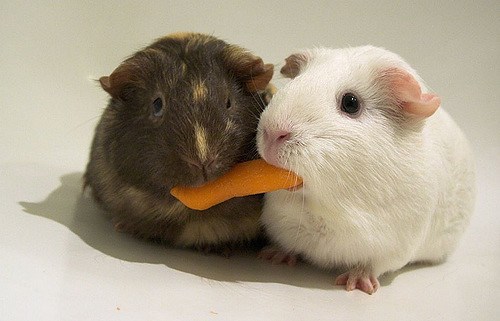
Which bond does this picture best represent?
Metallic bond
ionic bond
covalent bond
James Bond
What do positive ions tend to do?
lose electrons
gain electrons
lose protons
gain protons
What happens when magnesium loses 2 electrons?
It stabilizes to a net charge of 0
It turns into an atom
It becomes negatively charged
It becomes positively charged
Predict the bond between Mg and Cl
covalent
ionic
metallic
none of the above
Which is the correct Lewis Structure for oxygen?

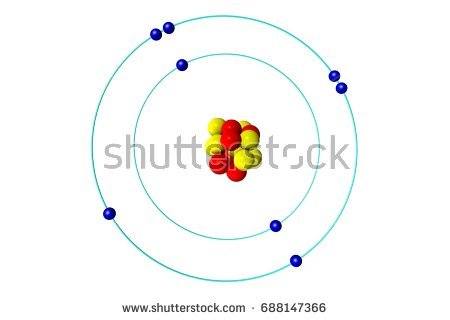
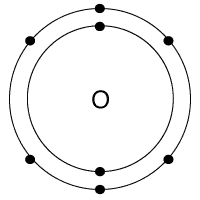
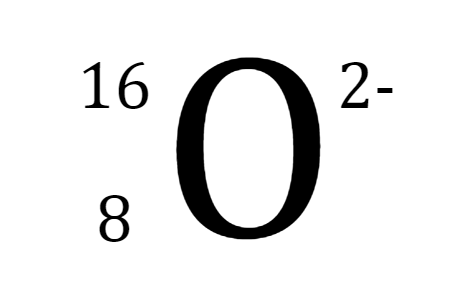
What is the correct Lewis structure for BF3?
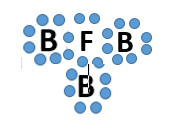
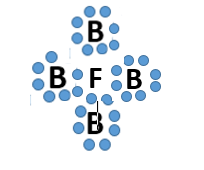

BF3 (The formula is the Lewis Structure)
What is the chemical formula for Lithium Nitride?
Li3N
LiN3
NLi3
N3Li
What is the ionic formula for a bond between Calcium and Phosphorus?
Ca2P3
Ca3P2
Ca2P5
P5Ca2
What category of element usually forms a positive ion?
Metals
Nonmetals
metalloids
Noble gases
Which category of elements usually form negative ions?
metals
nonmetals
metalloids
noble gases
CaCl2 is an example of what type of bond?
Covalent
Metallic
Ionic
Which type of bond involves a transfer of electrons?
ionic
polar covalent
nonpolar covalent
metallic
Which type of bond involves an unequal sharing of electrons?
ionic
polar covalent
nonpolar covalent
metallic
Which type of bond involves the equal sharing of electrons?
ionic
polar covalent
nonpolar covalent
metallic
Which type of bond involves highly mobile electrons?
ionic
polar covalent
nonpolar covalent
metallic
When ionic bonds are formed electrons are
shared between a metal and a nonmetal
shared between metals
transferred from nonmetals to metals
transferred from metals to nonmetals
Which of the following is the correct chemical formula of calcium nitrate?
CaNO3
Ca(NO3)2
CaN
Ca3N2
Which of the following is the correct name for the compound PbO?
lead oxide
lead monoxide
lead (I) oxide
lead (II) oxide
What is the correct IUPAC name for the compound P2O5?
*IUPAC stands for International Union of Pure and Applied Chemistry and it is the naming system that we use in class.
phosphorus pentoxide
diphosphorus pentoxide
phosphorus oxide
potassium oxide
Metals are good conductors of electricity because when the metal atoms bond the valence electrons are
highly mobile
transferred
shared equally
shared unequally
Which of the following compounds contains both ionic and covalent bonds?
NaCl
PCl3
NaClO4
CaBr2
Which of the following compounds is able to conduct electricity when it is dissolved in solution but not as a solid?
C6H12O6
H2O
PCl3
CaCl2
How many pairs of electrons are shared between the nitrogen atoms in a molecule of nitrogen?
2
3
4
6
Which of the following forms a nonpolar covalent bond?
Br2
HBr
NaBr
PBr3
Which correctly describes the molecular polarity of water?
nonpolar and symmetrical
nonpolar and asymmetrical
polar and symmetrical
polar and asymmetrical
which of the following is a nonpolar molecule with polar covalent bonds?
HCl
Cl2
CCl4
KCl
Which of the following is the most polar?
HF
HCl
HBr
HI
Which of the following is a polar molecule?
O2
CO2
NH3
CH4

