
 Worksheets
#66 Chemical and Physical Changes and Properties
Total questions: 42
Worksheet time: 21mins

Which of the following is a chemical property?
Color
Boiling point
Reactivity with vinegar
Density

Boiling water is an example of a:
Chemical change
Physical change
Exothermic reaction
Endothermic reaction

Which of the following is an example of a physical property?
Flammability
Melting point
Ability to rust
Reactivity with acid

Burning wood is an example of a:
Chemical change
Physical change
Exothermic reaction
Endothermic reaction

In an exothermic reaction, energy is:
Absorbed from the surroundings
Released into the surroundings
Neither absorbed nor released
Used to break bonds only

Which of the following is an example of an endothermic reaction?
Combustion of gasoline
Ice melting
Explosion of fireworks
Burning of coal

The substances that are present before a chemical reaction takes place are known as:
Catalysts
Products
Reactants
Enzymes
Dissolving sugar in water is an example of a:
Chemical change
Physical change
Exothermic reaction
Endothermic reaction
Which of the following is a chemical change?
Freezing water
Dissolving salt in water
Rusting of iron
Cutting paper
An exothermic reaction is characterized by:
A decrease in temperature
An increase in temperature
No change in temperature
Initial cooling followed by heating
Which of the following is a physical property?
Reactivity with water
Toxicity
Solubility in water
Ability to decompose
Photosynthesis is an example of a(n):
Chemical change
Physical change
Exothermic reaction
Endothermic reaction
Identify the reactants in the chemical equation: 2H2+O2→2H2O
H2O
O2
2H2 and O2
2H2O
Condensation of water vapor into rain is an example of a:
Chemical change
Physical change
Exothermic reaction
Endothermic reaction
Which of the following is not a sign of a chemical reaction?
Change in color
Production of gas
Change in shape
Change in temperature
Evaporation of water is considered as a:
Chemical change
Physical change
Exothermic reaction
Endothermic reaction
What happens to the atoms in a chemical reaction?
They are destroyed
They are created
They are rearranged
They remain unchanged
Which type of property describes the ability of a substance to undergo a chemical change?
Physical Property
Chemical Property
Physical Change
Chemical Change
Match the properties as either physical or chemical

Chemical

Chemical

Chemical

Physical

Physical
Match the changes as either physical or chemical

Chemical

Chemical

Physical

Physical

Physical
Which type of property of phosphorous allows it to catch fire spontaneously in air?
Chemical property
Physical property
Both chemical and physical properties
None of the above
Match the following

Chemical Change

Chemical Change

Physical Change

Chemical change
Which of the following is a characteristic of chemical changes?
Reversible
Formation of new substances
No energy changes
No change in composition
Which of the following is true about physical changes?
Physical changes alter the chemical composition of a substance.
Physical changes are irreversible.
Physical changes produce new substances.
Physical changes involve a change in the state or form of matter.
What is the Law of Conservation of Mass?
Matter can be created or destroyed in a chemical reaction
The total mass of the reactants is always greater than the total mass of the products
The total mass of the reactants is always equal to the total mass of the products
The total mass of the reactants is always less than the total mass of the products
What is the Law of Conservation of Mass?
A principle that states that matter can transform while maintaining its mass
A principle that states that matter can transform while changing its mass
A principle that states that matter can transform while losing its mass
A principle that states that matter can transform while gaining mass
What are chemical changes?
Changes that alter the appearance or state of matter without changing its chemical composition
Changes that involve the formation of new substances with different properties
Changes that help us comprehend the world around us and develop new materials and technologies
Changes that involve burning wood and melting ice

A cake baking
Physical
Chemical
Which type of change is irreversible?
Chemical Change
Physical Change
Which type of change is reversible
Physical
Chemical
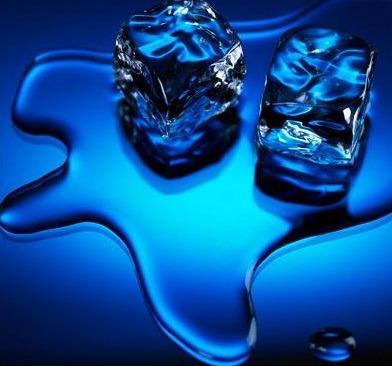
____ reactions usually feel cold.
endothermic
exothermic
In an endothermic reaction, energy is _________.
absorbed
released
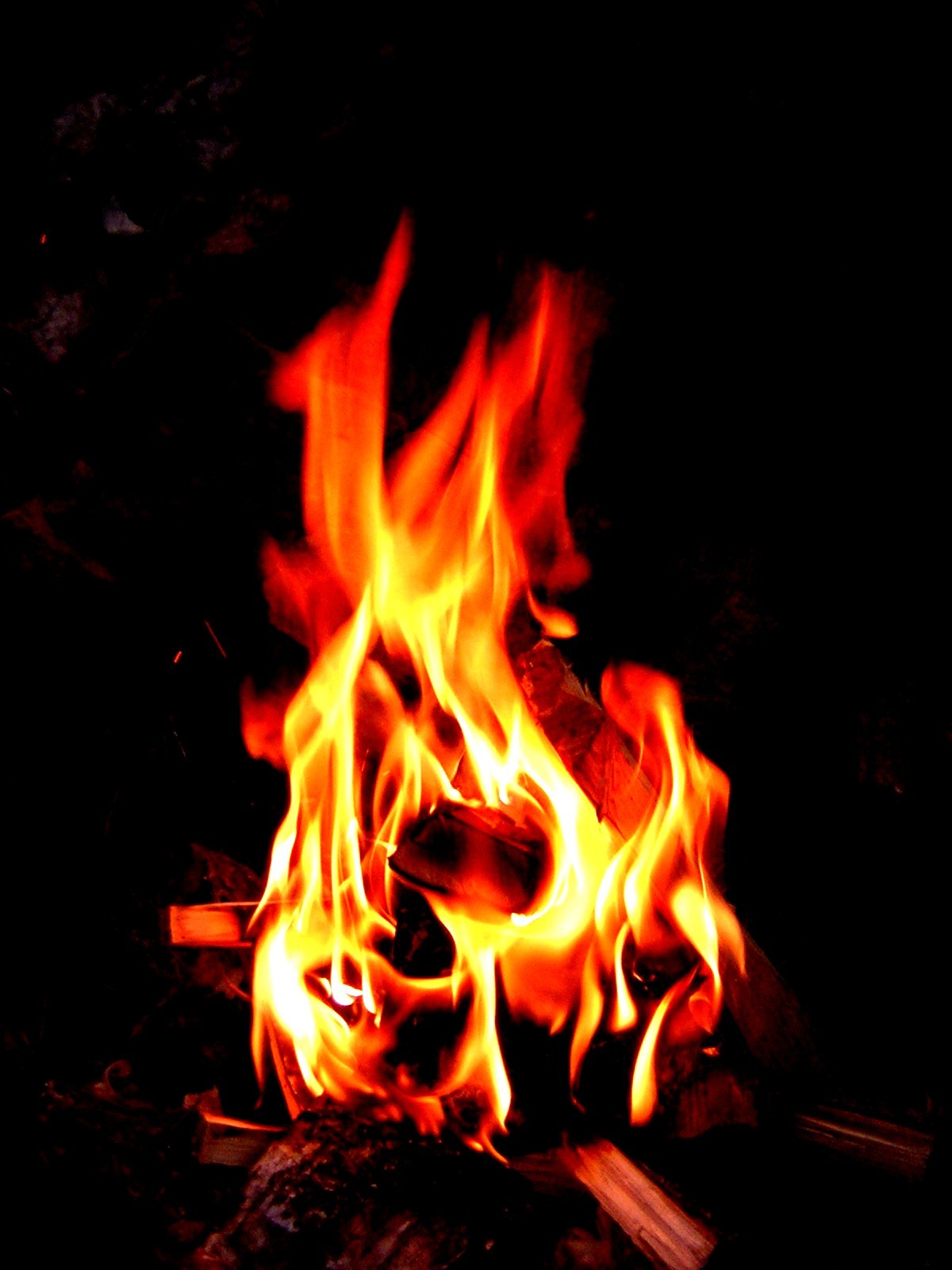
_____ reactions usually feel hot!
endothermic
exothermic
When calcium reacts with water, the temperature changes from 18°C to 39°C. Which statement is correct?
The solution at the end is acidic
The reaction is reversible
The reaction is exothermic
The reaction is endothermic
When barium hydroxide and ammonium chloride react, the temperature of the mixture decreases. What kind of reaction is this?
Endothermic
Decomposition
Exothermic
Indothermic


This change is a
chemical reaction
physical change
musical change
all answers are correct
You know that a chemical reaction is occurring here because you see __________________ . (Pick 3)
purple color
smoke
ice formation
fire
a yellow precipitate

A precipitate is a ___________ that forms when 2 liquids react together.
solid
liquid
gas
plasma
We know that there was a chemical reaction occurring when 2 clear liquids were mixed together. That is because we show the production of a _____________.
solid.
precipitate.
gas.
When zinc reacted with hydrochloric acid, what was the result of this reaction?
a white powder
a blue liquid
a brown precipitate
a gas
The result of the experiment between Iodine and Aluminum was the production of __________________.
clear liquid.
a white powder.
yellow precipitate.
bubbles.

