
NEW
Font size
 Worksheets
Body Systems Review
Total questions: 56
Worksheet time: 5hrs 40mins
Protects and supports body organs and provides a framework the muscles use to support movement. Made up of bones and joints.
Vertebrae
skeletal system
involuntary muscle
femur
Connect bone to bone
voluntary muscle
ligaments
involuntary muscle
skeletal muscle
protects the heart and lungs
rib cage
skeletal system
integumentary system
pelvis
provide a resting ground for muscles and protection of vital organs
skeletal muscle
bones
involuntary muscle
tendon
a place where two or more bones meet
produces blood cells, stores minerals, made of 206 bones
joint
voluntary muscle
cardiac muscle
the small bones that make up the backbone
Vertabrae
Tibia
Bones
Femur
upper leg bone
cardiac muscle
Femur
Humerus
pelvis
muscle that responds automatically to brain signals but cannot be consciously controlled
skeletal muscle
involuntary muscle
tibia
pelvis
A muscle that is under conscious control
First line of defense, produces vitamin D, gets rid of wastes, cools off body
skeletal system
ligaments
voluntary muscle
A connective tissue that is more flexible than bone and that protects the ends of bones and keeps them from rubbing together.
voluntary muscle
Cartilage
smooth muscle
First line of defense, produces vitamin D, gets rid of wastes, cools off body
Connects muscle to bone
joing
involuntary muscle
rib cage
Tendon
enables movement of the body and internal organs
ligaments
Muscular System
Skeletal system
voluntary muscle
involuntary muscle tissue found only in the heart
Tendon
Muscular system
cardiac muscle
First line of defense, produces vitamin D, gets rid of wastes, cools off body
integumentary system
First line of defense, produces vitamin D, gets rid of wastes, cools off body
Tibia
Bones
ligaments
skin, hair, sweat glands
First line of defense, produces vitamin D, gets rid of wastes, cools off body
pelvis
Humerus
integumentary system
A muscle that is attached to the bones of the skeleton and provides the force that moves the bones.
involuntary muscle
ligaments
Vertabrae
skeletal muscle
Involuntary muscle found inside many internal organs of the body
joint
Humerus
smooth muscle
skeletal muscle
Skeletal System
ligaments
Produces blood cells, stores minerals, made about 206 bones
Humerus
skeletal muscle
__________ attached to __________ gives us the ability to move.
muscle, bone
worms, hooks
teeth, jawbones
foot, angle
Compact bone is _______, ______ portion of the bone.
hard, outer
soft, inner
thin, orange
rusty, oxidized
Spongy bone has small _______ that makes the bone less ________.
holes, dense
children, then reasonable
armys, defensible
dots, visable
Circulatory System: What makes up your Circulatory System?
Heart, Blood, Blood Vesles
All of your organs
Viruses, Bacteria, Fungi, and Parasites
All of the above
Muscles: True or False, the Heart is a voluntary muscle
True
False
The balance of all healthy body systems working together to keep an organism alive.
Homeostasis
Healthy living style
Immune system
Skin
What are the three types of muscles in the body?
voluntary muscles, involuntary, skeletal
smooth, cardiac, skeletal
smooth, cardiac, voluntary muscles
cardiac, skeletal, involuntary
Tendons connect what with each other?
bone to bone
muscle to bone
Ligaments connect what with each other?
bone to bone
muscle to bone
The organ system that gives our bodies structure and protects major organs like the heart, lungs, and brain. It is made up of the skeleton.
tendons
skeletal system
lungs
muscular system
The organ system that works with the skeletal system to move our bodies. It is made up of muscles.
veins
Endocrine System
trachea
Muscular System

What system is this?
digestive
skeletal
respiratory
muscular
What system includes your biceps and triceps?
Digestive
Muscular
Skeletal
Respiratory
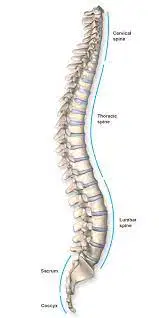
Which system includes your spine?
Digestive
Muscular
Skeletal
Respiratory
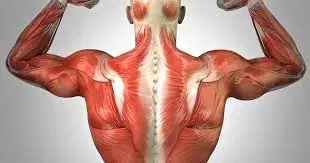
What are these?
Lungs
Brain
Muscles
Heart
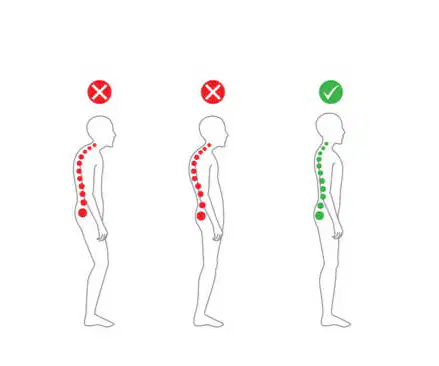
What system helps you stand up straight?
Skeletal
Muscular
Circulatory
Digestive
the state of maintaining a stable internal environment despite changing external conditions
Skeletal muscle
Homeostasis
Ligament
Smooth Muscles
Where are new red blood cells made?
bone marrow
veins
heart
stomach
Which of the following is NOT a job of the skeletal system?
Protection
Digestion
Blood cell formation
Storage
The place where two bones meet is called
ligament
tendon
joint
periosteum
The periosteum is a membrane that ________ and ________bones
surrounds, nourishes
divides, conquers
protects, serves
supplies, demands
The bodies ________ joints allow for a wide range of motion.
movable
immovable
juke
recessive
immovable joints connect bones that ________.
Do not move
move
float
fold
Vitamin D & Calcium are important for __________.
Strong bones
Milkshakes
Digestion
Hemostasis
Muscle movement help maintain body temperature.
True
False
Muscle tissue only contracts.
True
False
Muscle tissue cannot contract.
True
False
Tendons work with muscle and bones to keep ________ in place.
joints
hair
body tempature
homeostasis
Some _________ that are not attached to bone cause blood and food to move throughout the body.
Muscle
Bone
Food
Homeostasis
________ causes heat energy through rapid contraction to help raise the body temperature.
Shivering
Spitting
Sitting
sleeping
Muscles that are under conscious control are called _______ muscles.
Voluntary
Involuntary
Reactive
Smooth
Muscles that are not under our conscious control are called _______ muscles.
Voluntary
Involuntary
Reactive
Smooth
Smooth muscles are involuntary muscles named for their smooth appearance. Contraction of smooth muscles in the blood vessels help control the movement of ___________ through vessels. Contraction of smooth muscles in the stomach moves _________ through the digestive track.
Blood, food
Food, blood
fire, ice
energy, cartoon
Involuntary muscles located in the heart pump ________ through your heart and through vessels to the rest of the body.
Blood
Magic
Bone
Shrek
___________ get energy from food, exercise keeps them healthy
Muscles
Homeostasis
Skin
Eyes
Sweating lowers body tempature
True
False
Releasing thermal energy from blood vessels is a way the skin...
Releases toxins
lowers body tempature
shrinks molecules
adds water
The sun's ultraviolet B (UVB) rays hit cholesterol in the skin cells providing the energy for ________ synthesis to occur "The Sunshine Vitamin".
Vitamin E
Vitamin J
Vitamin C
Vitamin D

