
 Worksheets
10 General Sport Science Assessment 1 revision
Total questions: 30
Worksheet time: 59mins
1. The large, major bones of the arms and legs are examples of what type of bone?
Short
Long
Irregular
Regular
1. If you were to break your wrist, which bone/s would you break?
Vertebrae
Metacarpal
Tarsal
Carpal
Which types of bone are thin, have wide surfaces and help protect organs of the body?
Short
Irregular
Flat
Oblong
Which of the below is not a function of bones?
Red Blood Cell Production
Protection
Strength
Movement
Choose the correct primary function/s of the respiratory system
Supply the blood with oxygen
Deoxygenate blood
Pump blood around the body
Facilitate speech
Where does gaseous exchange take place?
Heart
Diaphragm
Alveoili
Trachea
What is the circulatory system?
The body's breathing system
The body's nervous system
The body's food processing system
The body's blood-transporting system
What is the connective tissue that connects muscle to bone?
Ligaments
Flexors
Muscle fibres
Tendons
Stroke Volume is...?
The dilation of arteries in response to exercise
The amount of blood the heart pumps out with each beat
The amount of blood circulated by the heart in one minute
The number of times your heart beats per minute
Cardiac Output is...?
The dilation of arteries in response to exercise
The amount of blood the heart pumps out with each beat
The amount of blood circulated by the heart in one minute
The number of times your heart beats per minute
Turning your head from side to side would be an example of what type of movement
Circumduction
Rotation
Adduction
Flexion
Which of these is not an example of a Synovial Joint
Hinge
Saddle
Ball and Socket
Coxal
The point at which a muscle attaches to the moving bone is known as the...?
Insertion
Agonist
Origin
Antagonist
Which of the following is not one of the components that makes up the circulatory system?
Heart
Platelets
Blood Vessels
Blood
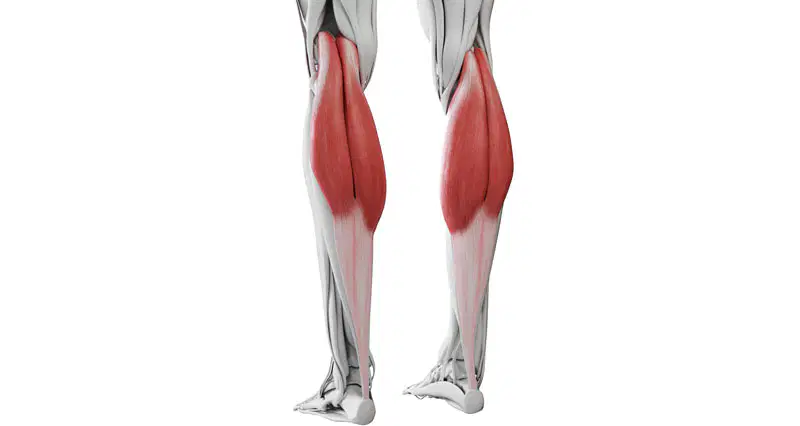
What is this muscle?
(Remember to use correct terminology)
Rectus Femoris
Calf
Semiteninosus
Gastrocnemius

What is this muscle?
Trapezius
Latisimus Dorsi
Deltoids
Gluteus Maximus

What is this muscle?
Deltoids
Obliques
Abdominals
Pectorals
On the diagram provided, colour in the location of the right atrium
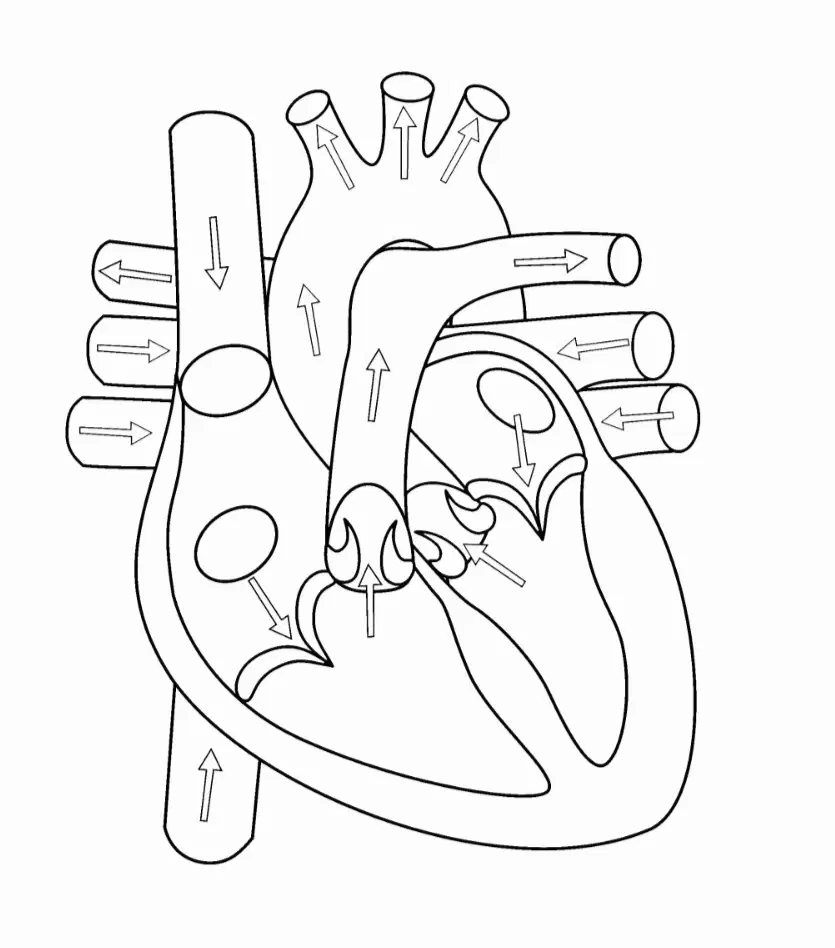
On the diagram provided, colour in the location of the left ventricle
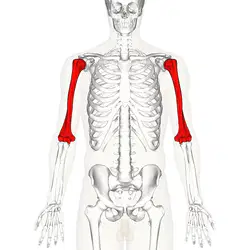
What is this bone?
Ulna
Radius
Femur
Humerous
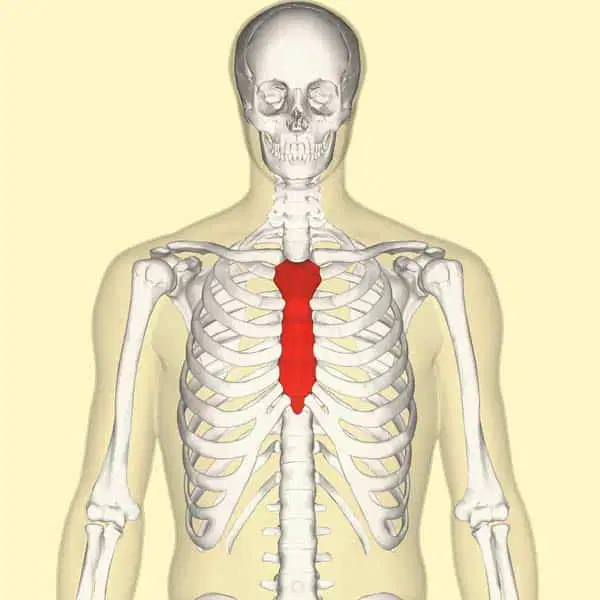
What is this bone?
Femur
Humerous
Clavicle
Sternum
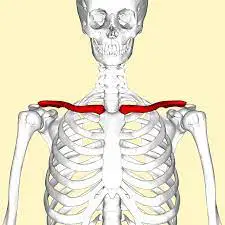
What is this bone?
Radius
Clavicle
Ulna
Mandible
Which of the following is not a primary function of the muscular system?
Stability
Strength
Movement
Posture
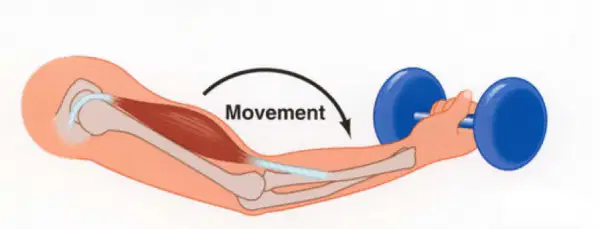
Extending your arm from a flexed position while holding a weight would be an example of what type of contraction?
Isometric
Concentric
Eccentric
Elastic
The shoulder and hip are an example of which type of synovial joint?
Hinge
Ovoid
Ball and socket
Pivot
Gliding
During exercise, our body has a number of physiological responses.
List and explain one (1) that occurs from the circulatory and respiratory system.
Synovial joints are the most common type of joint in the body and are known as 'freely moveable'.
List all synovial joints and an example of where you might find each on your body.
Explain the differences between fast and slow twitch muscle fibres and provide an activity that would suit each fibre.
Explain each type of movement listed below:
Flexion
Extension
Abduction
Adduction
Rotation
Circumduction
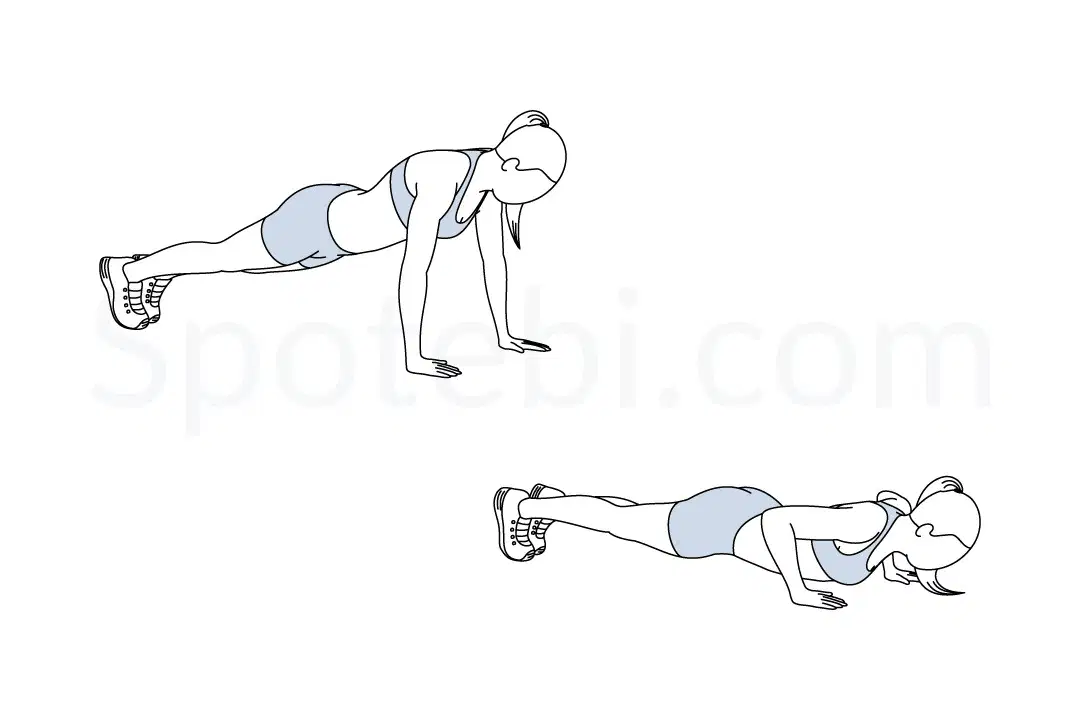
Final question: Extension
List the muscles, type of joints and movements being used during both the down and up phase of a Push Up.
Challenge: During each phase of the push up, list whether the muscle is the agonist or antagonist

