
 Worksheets
Grade5 EOT 2
Total questions: 66
Worksheet time: 1hrs 6mins
Which is NOT caused by acid rain?
damage to statues
dying fish
spread of disease
weakened trees
Which is a result of human activities?
decay of leaves in a forest
acid rain kills fish in a lake
volcanic eruptions
bad weather

What can you do to reduce acid rain?
Use renewable resources
Drive more
Cut down trees
Eat less meat
Why do we need to conserve water?
It is an unlimited resource.
It is a limited resource.
There is a lot of water.
There is no need to conserve water.
All of the landforms on earth
Biosphere
Geosphere
Atmosphere
Cryosphere
All of the air, oxygen, nitrogen, and gases that surround the earth.
atmosphere
biosphere
hydrosphere
geosphere
All of the living things, living systems on eaarth
atmosphere
hydrosphere
geosphere
biosphere
All of the bodies of water on the earth.
cryosphere
geosphere
biosphere
hydrosphere
Which two earth spheres are interacting: A fish swimming in a river.
geosphere and atmosphere
hydrosphere and biosphere
geosphere and cryosphere
atmosphere and biosphere

We make energy by burning fossil fuels. Which two spheres are interacting here?
Atmosphere-Hydrosphere
Atmosphere-Geosphere
Geosphere-Hydrosphere
Biosphere-Hydrosphere

What is the atmosphere?
all the air and gases on the planet
made up of living things
the non-living soil, rocks, and minerals of the Earth
the rivers, lakes, and oceans of the Earth

When lake water evaporates, the interaction is between the __________ and the _____________.
atmosphere and hydrosphere
biosphere and geosphere
hydrosphere and geosphere
atmosphere and biosphere

When a river current erodes the banks of the river, the interaction is between the __________ and the _____________.
atmosphere and hydrosphere
biosphere and geosphere
hydrosphere and geosphere
atmosphere and biosphere

Toby drew a diagram of the water cycle. Which two Earth systems are interacting as the water evaporates from the ocean?
atmosphere and biosphere
geosphere and biosphere
biosphere and hydrosphere
hydrosphere and atmosphere
Glaciers in the mountains start to melt when the air temperature increases. This is an example of which two Earth systems interacting?
atmosphere and biosphere
hydrosphere and biosphere
hydrosphere and geosphere
atmosphere and hydrosphere

The flow of water can cause soil erosion. This diagram shows soil erosion caused by rain. Which two Earth systems are interacting in this picture?
biosphere and geosphere
atmosphere and biosphere
geosphere and hydrosphere
hydrosphere and atmosphere
Water moves back and forth between Earth’s surface and the air. How does liquid water move from the air to the ground?
boiling
evaporation
melting
precipitation
Snow, hail, and rain are all examples of ________________.
Evaporation
Condensation
Transpiration
Precipitation
Water on top of the earth can form lakes or rivers, these are termed ____.
fresh water
infiltration
surface water
groundwater
Water that collects under the ground is ________________.
well
aquifer
groundwater
irrigation
Materials used to increase the crop production are called ____________.
Pollution
Pesticides
Pollutants
Fertilizers

A wide U-shaped valley is shown in photograph. This valley is most likely formed by -
Flash flooding
a glacier
a hurricane
melting snow
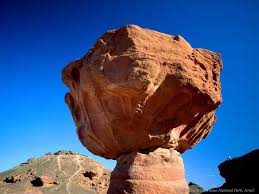
The process that breaks down rocks and other materials on Earth's surface is called
Weathering
Erosion
Deposition
Decomposition


What is an enormous mass of ice moving over land, causing weathering of rock and soil?
A glacier
An iceberg
An ice wedge
A sand dune

Rocks being picked up and carried downstream is an example of ____________.
weathering
erosion
deposition

What are glaciers?
They are winding rivers that carry sediment to a delta
They are waves that constantly crash against the shoreline.
are huge masses of ice that move slowly over land.
They are sand dunes that form from wind depositing sediments.

1. What happens to the sediment when a river slows down at a curve?
the river picks up larger pieces of sediment
the river loses energy and drops sediment
the river gains energy and picks up large boulders
the river stops all erosion at this point

It is a body of water surrounded by land.
lake
waterfall
brook

Most drinking water comes from
lakes
groundwater
oceans
reservoirs
About how much of Earth's water is SALTWATER?
97%
67%
3%
1%
The two MAIN types of water found on Earth are
lake water
freshwater
saltwater
river water


An example of salt water is
a lake
a river
an ocean
tap water
Earth system that includes rocks, sand, and mountains
geosphere
atmosphere
hydrosphere
biosphere
Earth's circulating water systems is the ___________.
Biosphere
Hydrosphere
Lithosphere
Geosphere
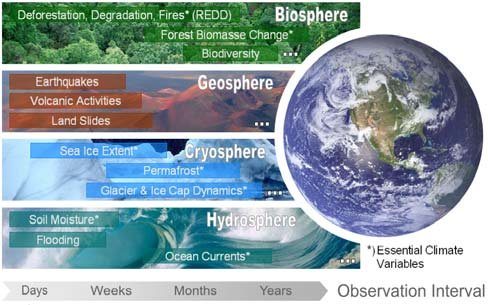
How do the geosphere and the hydrosphere interact?
The geosphere stores parts of the hydrosphere.
The geosphere erodes (shapes) the hydrosphere.
The hydrosphere stores parts of the geosphere.

How do the geosphere and the biosphere interact?
Soil contains living parts.
Bacteria is in the air.
Water rains onto the geosphere.

How do the geosphere and the atmosphere interact?
Air contains water.
Volcanic ash can enter the atmosphere.
Living things need air to survive.

How do the biosphere and the atmosphere interact?
Air contains water.
Volcanic ash can enter the atmosphere.
Living things need air to survive.
How does the atmosphere and hydrosphere interact?
Photosynthesis, respiration, and transpiration
Evaporation, condensation, and precipitation
Erosion, weathering, and sedimentation
Tectonic plate movement, earthquakes, and volcanic eruptions
What are the effects of geosphere and atmosphere interaction?
The effects of geosphere and atmosphere interaction include weathering of rocks, formation of soil, and the cycling of nutrients and gases.
Effects of geosphere and atmosphere interaction include volcanic eruptions and earthquakes
Effects of geosphere and atmosphere interaction include formation of clouds and precipitation
Effects of geosphere and atmosphere interaction include ocean currents and tides
What kind of storm can happen anytime of the year, and usually brings lightning and thunder?
tornado
hurricane
thunderstorm
blizzard
What kind of weather makes a tornado?
windy
thunderstorms
rainy
blizzard

What is a tornado?
Fast spinning column of air
Heavy rainstorm with thunder
Lots of snow in a short amount of time
Before a tornado, a _________ starts.
snowstorm
thunderstorm
hurricane
nothing
__________ is a disturbance in the atmosphere.
air mass
storm
climate
weather

Where do hurricanes occur?
Oceans
Seas
Which statement best describes where fresh water is found?
earth's freshwater is spread evenly between frozen and surface water
most of earth's fresh water is found under ground
earth's freshwater is mostly found on the surface in rivers and lakes
most of earth's freshwater is frozen in glaciers and ice caps
What is an example of a process that can SLOWLY change the earth?
volcanoes
glaciers
earthquakes
landslides
What will happen if a lake becomes polluted?
There will be more fish in the lake.
The pollution will not harm the plants and animals.
The animals will die.
It will change the soil into pebbles
________ is a major natural source of water.
Snow
Well
Tap
Handpump
Proper and careful utilisation of water, avoiding it's wastage, and maintaining the amount of water in its different sources, is called-
Rain water harvesting
Water conservation
Both
None



