
Font size
 Worksheets
midterm reviewer
Total questions: 82
Worksheet time: 1hrs 24mins
It is defined as the craft of sewing clothes and dresses.
(a)
also known as seamstress, is a person who makes clothing for women such as dresses, blouses and evening gowns.
(a)
a person who makes men’s clothes such as suits and jackets that are measured to fit a particular person
(a)
Draft and Cut Pattern of
Casual Apparel
(a)
Prepare and Cut Materials of Casual Apparel; Sew Casual Apparel; Apply Finishing
Touches on Casual Apparel
(a)

Having a _________ to hand can be indispensable, especially when you are taking measuring or making alterations. You may also use a ___________ that rolls up rather than retracts into a case.
(a)

(a) allows you to easily mark your fabric when you are measuring it and preparing to cut it. It will work on most materials and is easily removed.
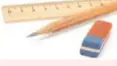
These three tools are essential to any dressmaker's sewing kit as they come in handy when you need to make alterations to your patterns.
(a)

Also referred to as dressmaker's scissors, these scissors have serrated edges that are ideal for cutting out all types of fabric, including leather and denim. It is also worth knowing that these types of scissors are not designed to cut paper or thread, as this will blunt their edge.
(a)
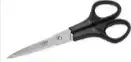
As dressmaker's shears shouldn't be used for cutting paper, its best practice to have an ordinary pair of scissors in your dressmaking kit so you're able to cut out patterns as and when you need to.
(a)
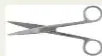
A pair of small, (a) are also useful for cutting thread.
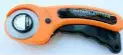
As the blade rotates in a (a) , it makes it easy to cut layers of fabric simultaneously, while giving you a clean cutting edge.

If you are using a rotary cutter, you will also need a (a) to protect your work surface. We recommended choosing the largest size you can to make sure you can fit all your fabric on at once
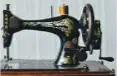
There will be some patterns that require you to hand sew, but for mast of your sewing you will need a ______. If you don't own a __________, then we would advise investing in a sturdy machine that has multiple stitching options.
(a)

With your sewing machine, you need to invest in a range of different sewing (a) depending on what fabric and weight you work with.

You can use a (a) to un-pick mistaken stitches.

Having (a) will not only make it easier when it comes to sewing trickier stitches but won't hinder your project if one snaps mid-sew.

Even though most of your work will be sewn with a sewing machine, you will need some _____________ for elements such as intricate detailing. Standard _________ will do the job perfectly.
(a)

Keep your workstation tidy with a ________. Most sewing kits will come with a traditional fabric ________, however a handy alternative is a magnetic ______, as it means you no longer need to worry about finding pins lying about on the floor.
(a)

Protect your thumb when you are hand sewing with a (a) . Make sure you purchase one that is non-slip to prevent it from moving about as you sew.

An ________ is not an extravagant tool you'll need for dressmaking, but you need to make sure that your _______ is sturdy, and the height can be adjusted. It is also worth ensuring your ironing board is in a good condition; one with a reflective cover gives the best surface for pressing
(a)

The best (a) for dressmaking is one that is heavier than you would choose for your household chores. The plate should have plenty of holes to let out steam and should have a non-stick surface. A narrower tip is also useful for pressing those hard to reach areas.

_________ is a piece of fabric that is laid between your iron and your garment to help protect them from the iton's heat. To begin with a cotton muslin ________ will do the job, but as you become more advanced, it is worth investing in a variety of different ________ made from different fabrics.
(a)

Sometimes called a dressmaker's ham, a (a) is a solid cushion that makes it easy for pressing curved seams such as collars, princess seams and darts. It is filled with sawdust which makes it moldable, and one side is usually covered in cotton and the other in wool.
The culture and Tradition of our country have also been preserved through the love of handicrafts. History gives concrete evidence of our rich traditional arts, skills, and talents as well as the Filipino way of life.
(a)
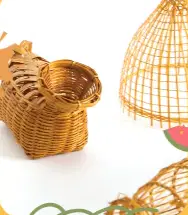
Tacloban’s name was said to have been derived from bamboo baskets known as _____ or cover. This _____ was created by fishermen to catch fish, crabs and shrimps in shallow areas by hovering a fish and covering it quickly to make a catch.
(a)
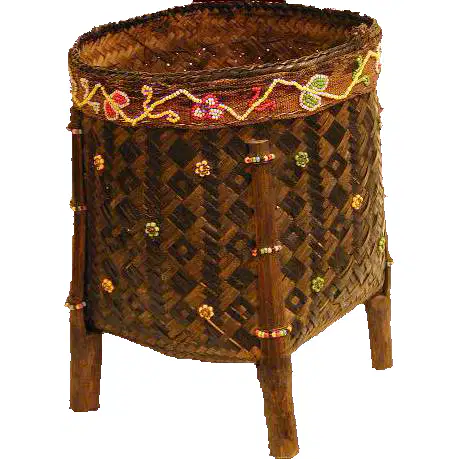
(a)
Handicraft is a great contributor to the economic development of the Philippines through job creation and employment. A huge number of artisans and employees are hired by handicraft industries. Even with the low capital investments, handicraft products are now part of the international market which bring additional income to the country.
(a)
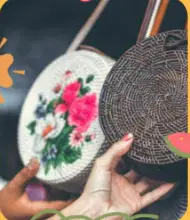
it is the most precious traditional livelihood that originated in the pre-colonial times and is still kept until today. The art of weaving of the Cordillera tribal groups in the northern part of the country is still existing despite the threat of the more practical, mass production of cloth.
(a)
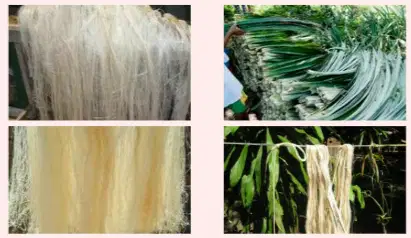
(a)
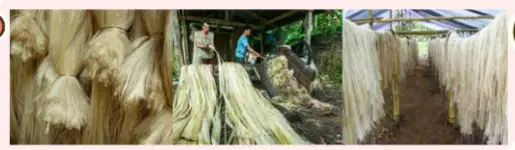
it is produced from the abaca plant which is grown in some places in the country. Eastern Visayas is the largest supplier of this product followed by the Bicol region. Abaca has been cultivated in the country since 1500s and became known worldwide in the 1800s mainly used as ropes in ship rigging. Sinamay fabric is also woven from abaca as well as specialty papers like vacuum bags, currency and tea bags. Handicrafts like bags, carpets, and clothing are also some of the products made from abaca.
(a)
(a)
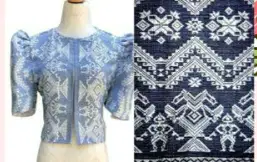
some of the tribes in the Cordillera have their unique weaving techniques.
(a)
(a)
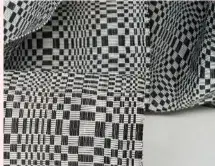
features uniform geometric patterns that depict the waves of sea
(a)

is differentiated in its technique rather than its design since it uses "twisted weaving technique"(Valmero, 2010).
(a)
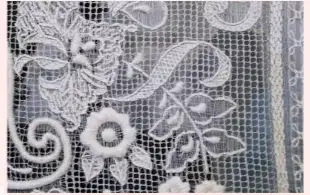
is a type of embroidery using a process of pulling threads from certain areas of a cloth, usually pinya or jusi, then sewing the drawn threads using various stitches to form clean holes on the cloth.
(a)
(a)
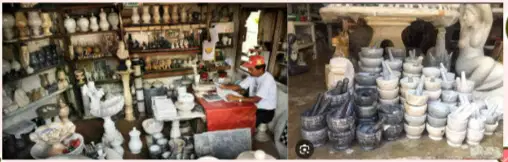
is known to have qualities with commercial value that can rival those of other countries like Italy. The famous mortar and pestle which are used in the kitchen are the earliest products carved out of marble. Other products are the ash trays, nameplates for offices and tombstones used as grave markers.
(a)
(a)
It is a (a) (OR ARTISAN CRAFT) when referring to an object of "aesthetic production" (Shivers& Calder, 1974), that is created by hand or by using only simple tools to serve a purpose or possess a value (Arribas, 2009).
When its focus is on the techniques such as weaving, to create an item by hand, the term referred to is (a) .
(a) is the term used when the focus is on the mode of expression as well as motor skills, particularly on the dexterity and facility of the hands(Shivers & Calder, 1974).
– This refers to an idea or an arrangement scheme that is shown or exhibited into a configuration, drawing, model, mold, pattern, plan or specification to work out the form of an object. Once the design is drawn by the artisan or designer, the expected finished product shall be visualized with the given perspective.
(a)
This the most important element of handicraft which is used as input to a production process for subsequent transformation into the finished product. This could either be natural, modified or in its semi-processed state.
(a)
This refers to the method and process on how the material is to be handled. The tools and equipment to be used will determine the technique to be applied in the production stage.
(a)
(a)

(a)
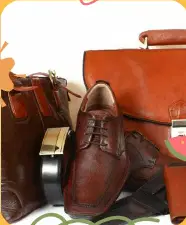
Articles made out of leather are called (a) Taxidermy is the term that referd to the art of preparing, stuffing, and mounting the skins of animals. This also makes use of the skin of animals, but generally it is head and the parts the back are used.

Coconut shells are made into useful articles through (a) industry. After the coco meat is scraped from the shells, they are cleaned and cut into vatious shapes to be used in making articles like buttons, brooches, table lamps, and many more.
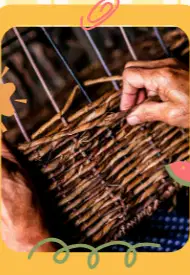
This is also called basketry, basket making, which is the process of weaving unspun vegetables fibers into a basket. People who weave baskets are called basket makers.
(a)

(a) is commonly used as lace edging, as doilies, collars, and other decorative pieces. The lace is formed by a pattern of rings, and chains formed from a series of cow hitch, ot half-hitch knots, known as double stitches, over a core thread.
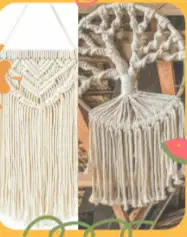
This is a form of textile-making using knotting instead of weaving or knitting. Square knots are the primary knots formed; and forms of hitching like full hitch and doublehalf hitches are made. Materials used in (a) are cords made of cotton twine, linen, hemp, jute, leathern or yarn.
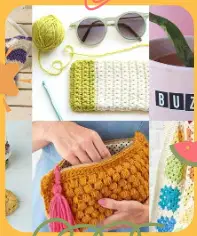
(a) is derived from a french word means hook.
is the profession and field of study that deals with the economics and management of the home and community.
(a)
give 6 some Areas of Home Economics in the 19th Century
"home economics education continues to be an important subject area that plays a critical role in nation building. " "the subject area provides the knowledge, skills and attitude needed for healthy family life and community living, which are regarded as integral for national development. "
(a)
A home economics class was started in 1911 in Toronto and was named as _______or the science of right living or ______, the science of controllable environment.
(a)
She is the longtime chairperson of the board of trustees of the Philippine
Women’s University (PWU). founder of Philippine Home Economics Association in 1948
(a)
In the _, Home Economics classes were intended to prepare young women for their duties in the home.
(a)
The term Home Economics started in the (a) century amidst an increasing population of a literate citizenry and the greater availability of printed materials that catalyzed the Consumption of lit-erature in homemaking.
In (a) , the Morrill Act was passed which established land-grant to states that were open to women and mandated to foster scientific theories and techniques and modernized activi-ties associated with home economics, such as cooking, laundry, sewing, house cleaning', care of the sick, and sanitation.
In the (a) century, courses in domestic science were implemented.
With the Lake Placid conferences in (a) , the activists called for the teaching of Home Economics across the state. The American Home Economics Association was formed among the conference participants and lob-bied for the funding of research and teaching of Home Economics.
The Smith-Hughes Act mandated the -importance of occupational preparation in home economics, thus in (a) funding was provided.
It was through this Act that women's role in home and in the society was elevated. It was emphasized that the study of home economics should prepare stu-dents for their effective discharge of duties in their respective homes and prepare them for efficient administration of household affairs.
(a)
The (a) diminished the funding that the field had been receiv-ing from the Smith-Hughes Act. Funding was only to be provided for Home Economics education that led to gainful employment.
The history of home economics is
attributed to __________ ________ (sister of Harriet Beecher Stowe) who
was the first to champion the
economics of running a house.
(a)
The land grant colleges and
universities established by the were the first institutions which provided a
foundation for the growth of Home Economics
education.
(a)
She was the first woman started the Home Economics movements.
(a)
A home economics class was started in __________ in Toronto and was named as _____________ or the science of right living or Euthenics, the science of controllable environment.
(a)
Ultimately, "Home Economics" was chosen as the official term in _ _ _ _.
(a)
Helena Zoila Benitez, born on
(a)
served in the Senate from
(a)
American methods of instruction were ensured by bringing in hundreds of American
teachers called (a)
In (a) vocational training housekeeping and arts was made an
important element of girls' education in the Philippines
a graduate of the University of Nebraska, went to the Philippines as a teacher in Home Economics.
(a)
Elvessa Ann Stewardt, a graduate of the University of Nebraska, went to the Philippines as a teacher in Home Economics.
(a)
Girls in grade 5 to 7 were required to devote 80 minutes a day to home economics
(a)
Elvessa Ann Stewart became the Superintendent of Home Economics in the Bureau of Education in Manila.
(a)
Every secondary girl was required to have at least one year of home economics before graduation.
(a)
For (a) years,domestic training had flourished in Filipino schools staring with sewing,
cooking and housekeeping.

