
 Worksheets
Unit 1 Part 2 Review
Total questions: 25
Worksheet time: 15mins

What holds planets in their orbits around the Sun?
mass
inertia
gravity
gravity and inertia
How would a greater mass affect gravity between two objects?
Gravity is not affected by mass
Gravity would remain the same
Gravity would increase
Gravity would decrease

How is gravity affected by distance between two objects?
Greater distance between two objects means greater gravity force
Greater distance between two objects means less gravity force
Gravity is not affected by distance
Gravity is not affected by distance
Earth revolves around the sun, but it also makes one complete rotation. How long does it take Earth to make one complete rotation on its axis?
365 days
1 month
1 day
1 week
A year is the amount of time it takes a planet to make one ____________ around the Sun.
Rotation
Revolution
The spinning of the Earth on its axis is called
rotation
revolution

In this simple diagram, the motion of both the Earth and Moon moving around the Sun can be described as -
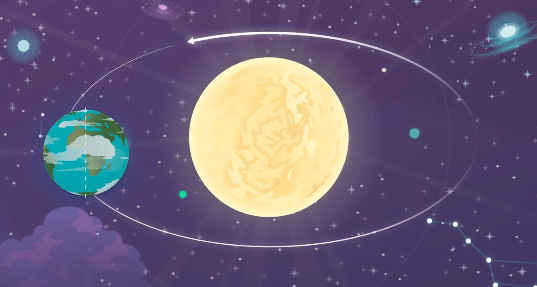
If Earth's rotation speeded up, what would happen?
The year would get shorter
The year would get longer
The day would get longer
The day would get shorter

What does a light-year measure?
The speed of light
The time it takes for Earth to orbit the Sun
The time it takes light to travel in a year
The distance that light can travel in a year
What is the relationship between the distance from the Sun and a planet's time to orbit it?
There is no relationship between distance from the Sun and time to orbit it.
The greater the distance from the Sun, the shorter the time to orbit it.
The greater the distance from the Sun, the longer it takes to orbit it.
The closer the distance to the Sun, the longer it takes to orbit it.
Which planets have no moons?
Mercury and Mars
Venus and Mercury
Venus and Neptune
Mars and Venus
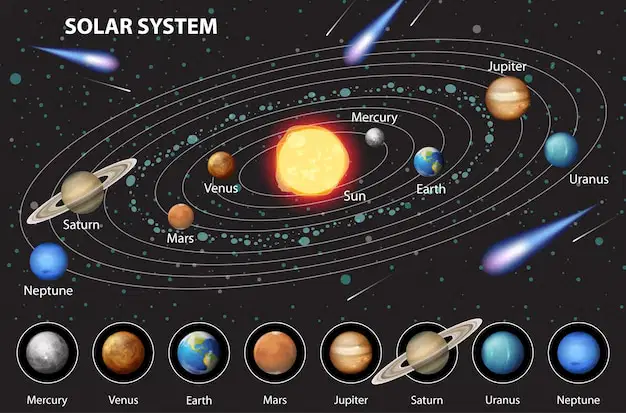
Which planet has the longest day? It's even longer than its year!
Venus
Uranus
Jupiter
Mars
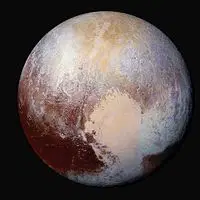
How are dwarf planets like Pluto different from planets?
They don't have moons
They aren't mostly round
They are not able to clear their orbit of all objects
They don't orbit the Sun
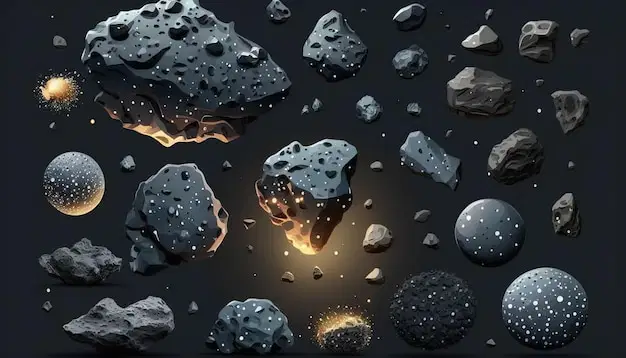
Where would you find most asteroids in our solar system?
In the Oort cloud
Between Earth and Mars
Between Mars and Jupiter
Between Jupiter and Saturn
Where are most comets believed to come from?
The Oort Cloud
The Kuiper belt
Outside the solar system
The asteroid belt

I am a space rock entering a planet's atmosphere.

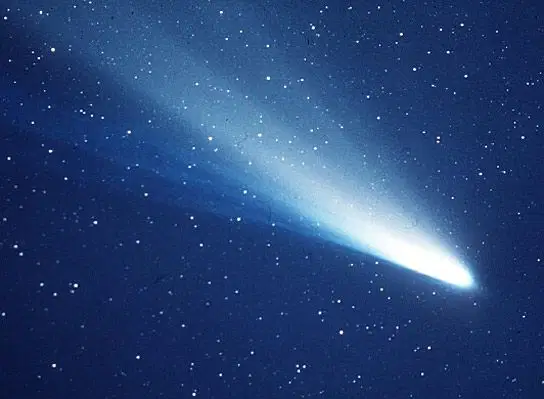
Which of the following answers describes a comet?
Has a highly elliptical orbit and is made of ice and dust
Has a circular orbit and is made of small rocks and dust
Has a slightly elliptical orbit and is made of helium and hydrogen
Has an irregular orbit and is made of space dust
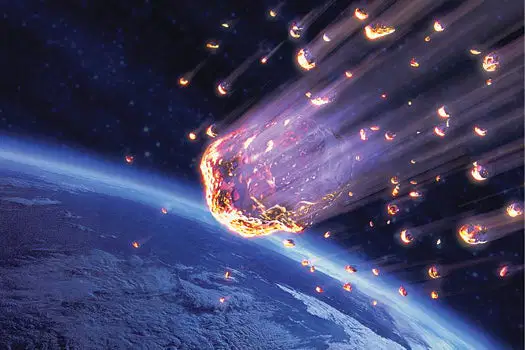
Which of the following is FALSE about meteoroids, meteors, and meteorites?
A meteor burns in the mesosphere and is called a "shooting star".
They are made of ice.
They are made of rock and debris from space.
They vary in size and can be as small tiny pebbles or very large.
Which is a true statement?
Comets enter Earth's atmosphere and explode
Comets have tails that point at the Sun
Comets usually have a very short orbital time
Comets usually have a very long orbital time
The largest planet is....
Jupiter
Saturn
Neptune
Earth
The planet that rotates at about the same speed as Earth is:
Neptune
Mercury
Mars
Venus
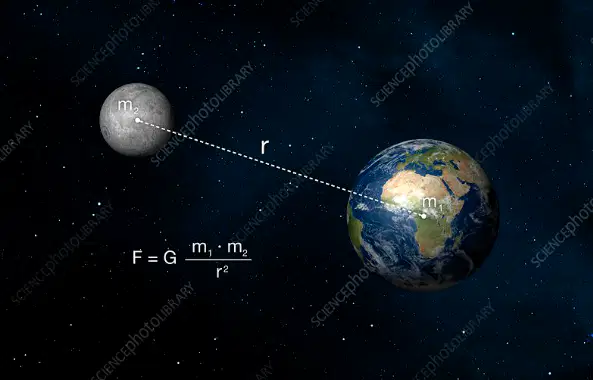
Gravity depends on both the mass of two objects and the distance between them. If gravity force between two objects DECREASES, what will happen to the distance between them?
It can't be predicted
It will stay the same
It will decrease
It will increase

