
 Worksheets
Science Check-In #3 (2024)
Total questions: 81
Worksheet time: 1hrs 22mins
What drives the water cycle?
rain
temperature
the Sun
rotation
What drives the water cycle?
rain
temperature
the Sun
rotation
What is another word for thermal energy?
solar
wind
heat
light

The diagram shows the process of evaporation over the ocean. What is the most likely effect of this process on the land areas nearby?
Increased drought conditions
Decreased erosion of the shoreline
Increased precipitation
Decreased solar energy

What is another name or synonym for the water cycle?
Geologic cycle
Hydrologic cycle
Geosphere
Carbon cycle

When water vapor is cooled and forms droplets of liquid water
Condensation
Evaporation
Transpiration
Runoff


What step of the water cycle does this picture show?
Condensation
Runoff
Precipitation
Evaporation

What are formed when water vapor condenses and come together?
Clouds
Mountains
Transpiration
Valleys
Evaporation is when _________________________________________________________
water freezes
water changes
from a gas to a
liquid
water changes
from liquid to a
gas
plants use the
water from the rain
Dew is a form of __________
gas
liquid
solid

This is an example of ......
precipitation
evaporation
condensation
transpiration

Which best explains why runoff is important?
It returns water to other locations on Earth
It increases the chance of flooding
It makes evaporation occur faster
It increases condensation
_____ moves underground to the ocean
sea water
groundwater
lake water
rain drops
What happens when water vapor loses thermal energy?
it expands into millions of droplets that form clouds
it condenses into millions of droplets that form clouds
it condenses into millions of droplets that form lakes and rivers
it expands on the surface of plants and goes into the air
When changing from a liquid to a gas, the water molecules are ____________________________.
freezing and moving away from each other.
evaporating and moving away from each other
condensing and moving closer to each other
evaporating and moving closer to each other
When changing from a liquid to a solid, the water molecules are ____________________________.
freezing and moving away from each other.
evaporating and moving away from each other
condensing and moving closer to each other
freezing and moving closer to each other
Water in its gas form is called ____________________,
water vapor
precipitation
ice
air


Is this an example of a physical or chemical change?
physical
chemical

Is this an example of a physical or chemical change?
physical
chemical

Is this an example of a physical or chemical change?
physical
chemical

Is this an example of a physical or chemical change?
physical
chemical

Is this an example of a physical or chemical change?
physical
chemical

A white tablet is dropped into water. The water becomes cloudy and bubbles are produced. What type of change has occurred?
Physical change
Chemical change
No change

Water is boiling on a stove, producing steam. What conclusion can you make about the change that is occurring?
Boiling water bubbles indicate a chemical change
Steam indicates a state of matter change
Heat indicates a chemical change
The clear color indicates a chemical change
Which observations prove a chemical change occurred
Dissolving and expected color change
Mixing and dissolving
State of matter change and boiling water bubbles
Unexpected color change and temperature change
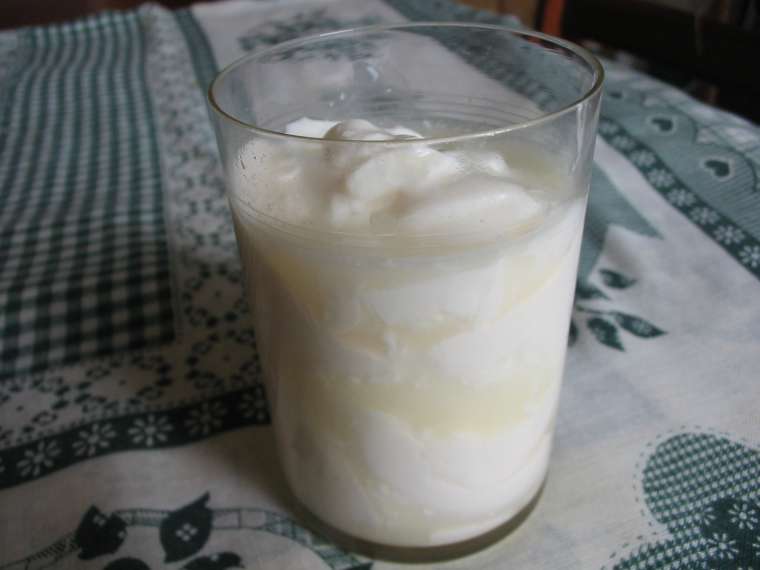


A student mixes 125 grams of sugar, 250 grams of water and 5 grams of flavoring. The solution weighs...
250 grams
380 grams
375 grams
400 grams


In heat transfer, heat always flows from the _______________ substance to the _______________ substance.
hotter to colder
colder to hotter
hotter to hotter
colder to colder
Which is an example of heat being transferred by conduction?
a furnace blowing hot air through vents
an ice cube melting in a person’s hand
boiling water transferring heat to noodles
the sun heating water in a swimming pool


Near the ceiling of a room the air is warmer. The warm air rises because of ________.
conduction
convection
radiation

The heat transferred from the Sun to the Earth by waves is called ________.
conduction
radiation
convection
What is something that prevents heat, electricity, sound, light...to pass through it?
insulator
conduction
heat transfer
conductor
Burning your feet on the hot sand is an example of...
conduction
convection
radiation
Cooking pizza in the microwave is an example of...
conduction
convection
radiation
Steam rising from hot soup is an example of...
conduction
convection
radiation


The handle of a metal spoon warms up when it is placed in a hot bowl of soup because of
Convection
Conduction
Radiation
insulation.
What is the Law of Conservation of Energy?
Energy is always created and never destroyed, it just transfers.
Energy can neither be destroyed or changed, it can just be created.
Energy can neither be created nor destroyed, it just changes form.
5) What is NOT an example of an insulator in the kitchen?
a) An oven mitt
b) Pots and pans
c) A wooden spoon
d) A plastic measuring cup
6) Fill in the blank. Mittens help keep your hands warm in winter because ______.
a) They are good conductors of heat.
b) They are fuzzy.
c) They are good insulators.
7) What type of handle is best to have on a cooking pot?
a) metal
b) iron
c) aluminum
d) plastic
9) Fill in the blank. Heat will continue to transfer until both are the ______ temperature.
a) same
b) opposite temperature
c) coldest
11) Cardboard is what type of material?
a) conductor
b) insulator
12) Clothing and cotton is what type of material?
a) conductor
b) insulator
13) Copper is what type of material?
a) conductor
b) insulator
15) On a hot day in the sun, why does Robert use a foam can holder to keep his drink cold?
a) foam insulates the cold drink
b) foam reflects cold air from the can
c) foam reflects heat from the sun off the can
d) foam conducts heat between the can and the air

Newton’s first law of motion: An object at rest remains at rest unless acted on by an _________.
Unbalanced Force.
Act of Inertia
Angry Dog
Unknown Force

Newton’s first law also says that once a ball is set in motion, it will stay in motion with the same (a) forever.
Inertia is the tendency of an object to _____ change in its motion.
Keep
Resist
Add
Look for
When two equal forces act in opposite directions on an object, they are called ______________________.
frictional force
balanced force
centripetal force
gravitational force
When an unbalanced force acts on an object, the force ______________________.
changes the motion of the object
is cancelled by another force
does not change the motion of an object
is equal to the weight of the object



