
NEW
Font size
 Worksheets
Respiratory/Management Devices
Total questions: 18
Worksheet time: 9mins
Which of the following is the best description for the scope of practice of respiratory services for healthcare?
diagnosing and treating conditions affecting the digestive system
a range of procedures and services for diagnosing and treating heart, lung, and blood vessel conditions.
Evaluate patients and perform tests and studies. Determine appropriate therapy and treatment options with physicians. Analyze blood and sputum in the lab. Manage equipment and devices needed to help people who can't breathe normally on their own.
treats disorders that affect the brain, spinal cord, and nerves
Which of the following is a example of normal respiratory effort?
Respiratory rate(RR) is 28. Uneven and labored at rest. Oxygen saturation is 82% on room air.
Respiratory rate(RR) is 18. Even and unlabored at rest. Oxygen saturation is 98% on room air.
RR is 32. Labored with heavy wheezing noted. Oxygen saturation is 80% on room air.
RR is 34. Labored breathing with stridor noted. Oxygen saturation is 86% on 3 Liters of O2.
A pulse oximeter is a device that gives information about which of the following?
oxygen saturation of the arterial blood
oxygen saturation level of the heart
oxygen saturation level of the main arteries
the oxygen saturation percentage of the capillary blood

Identify the respiratory management device in the photo:
nasal cannula
simple oxygen mask
Venturi mask
Non-rebreather mask
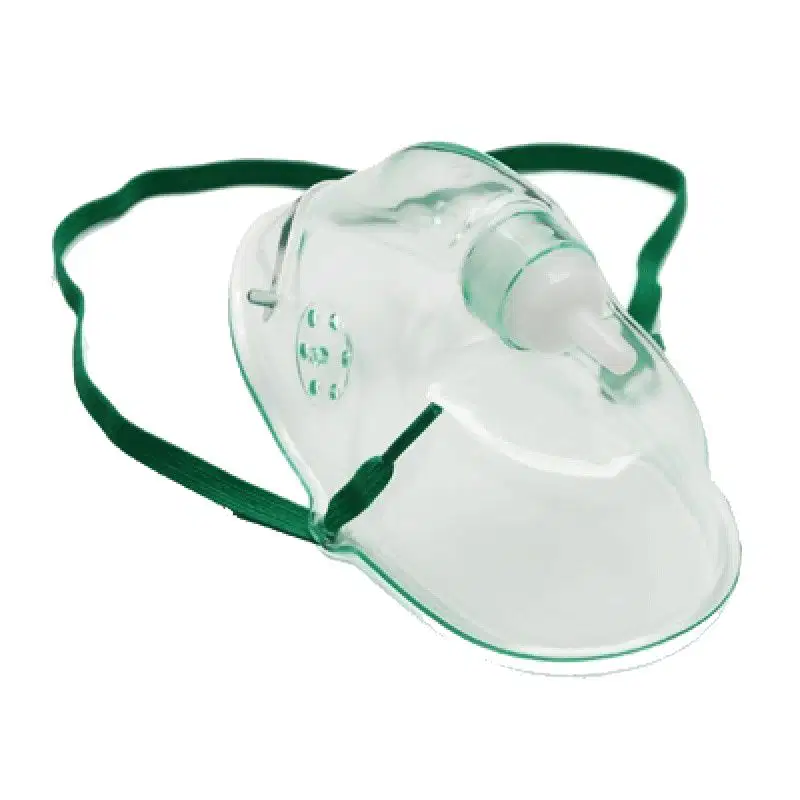
Identify the respiratory management device is the photo:
nasal cannula
simple oxygen mask
Venturi mask
AMBU bag
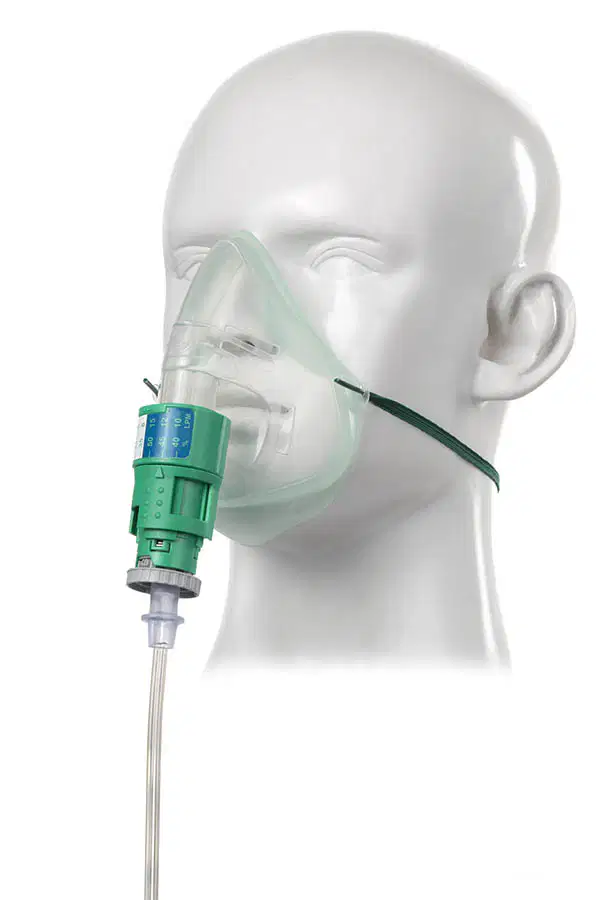
Identify the respiratory management device in the photo:
Venturi mask
nasopharyngeal mask
oropharyngeal mask
simple oxygen mask

Identify the respiratory management device in the photo:
nasal cannula
Non rebreather mask
Venturi mask
simple oxygen mask
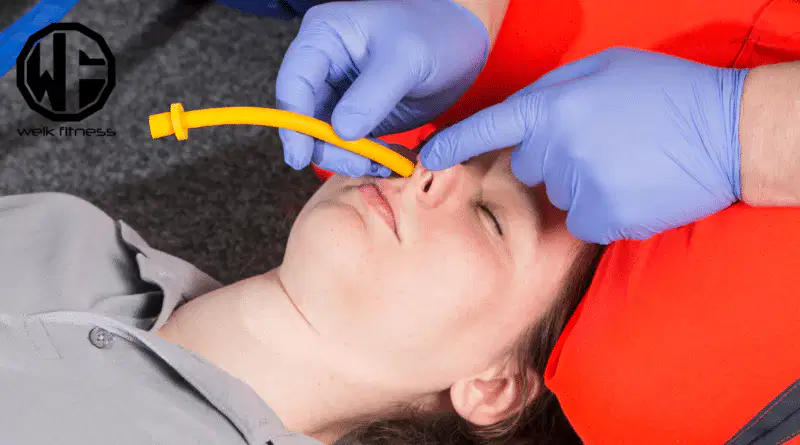
Identify the respiratory management device in the image:
nasopharyngeal airway
Venturi mask
simple oxygen mask
oropharyngeal airway
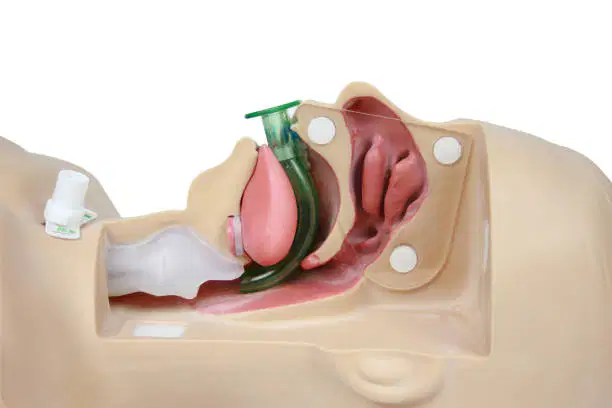
Identify the respiratory management device in the image:
nasopharyngeal airway
non rebreather mask
oropharyngeal airway
Venturi mask
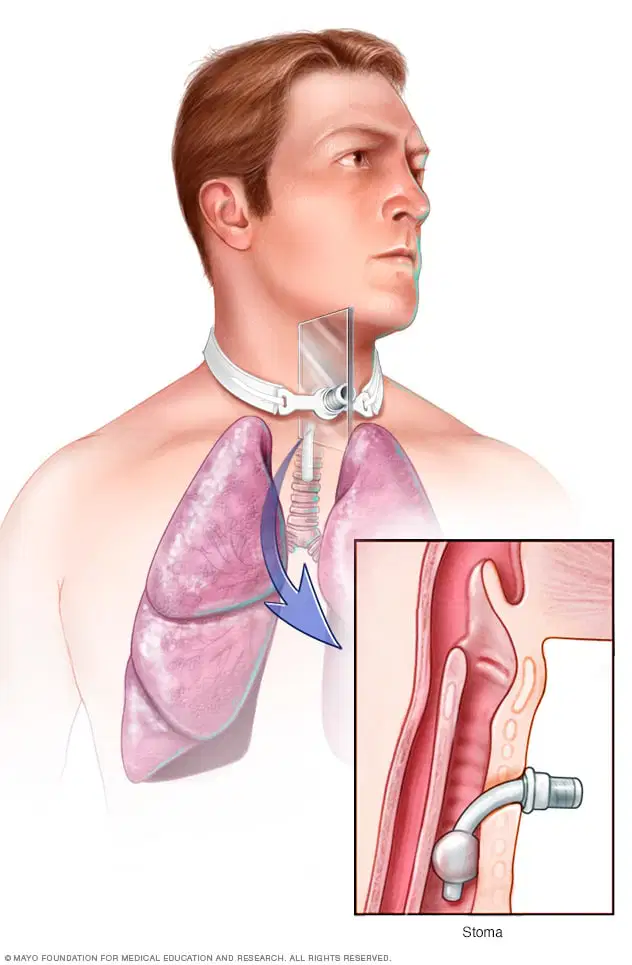
Identify the respiratory management device in the image:
oropharyngeal airway
non rebreather mask
nasal cannula
tracheostomy
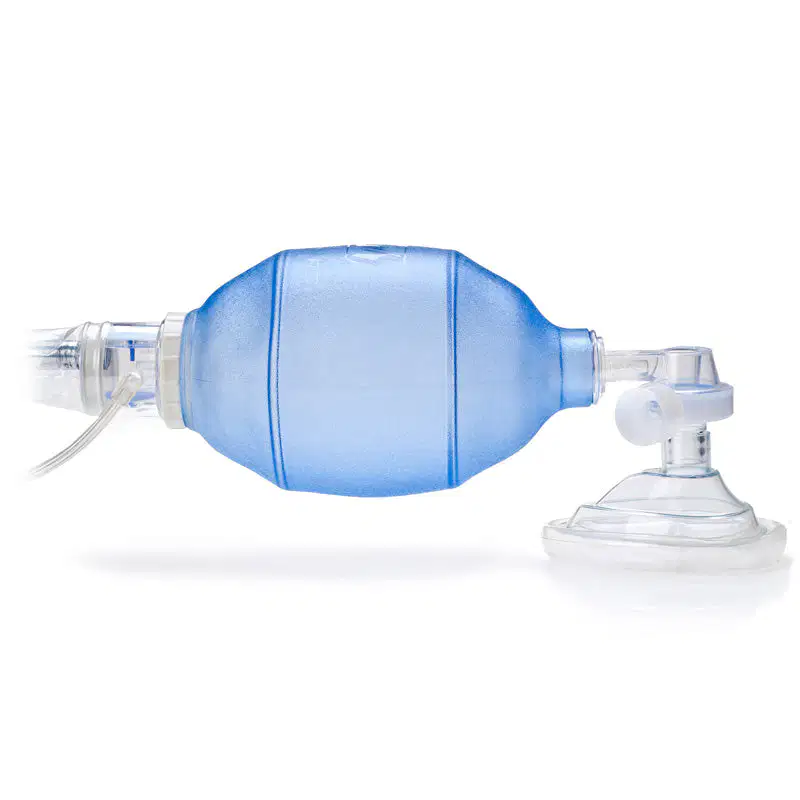
Identify the respiratory management device in the image:
ambu bag
Venturi mask
non rebreather mask
nasal cannula

