
Font size
 Worksheets
Consequences of human activities
Total questions: 57
Worksheet time: 32mins
(a) is the term used for the kind of land used and the condition of vegetation grown over it and it's usefulness to human.
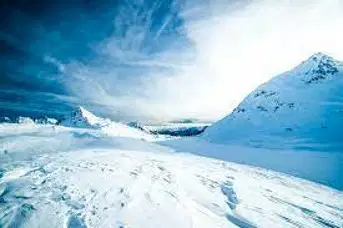
Identify the type of land cover shown in the image
Canada
Snow and Ice
Ice plains
Antarctica
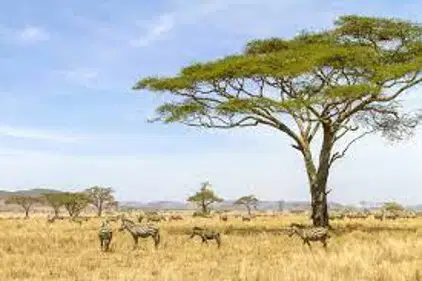
Identify the type of land cover shown in the image
Pride lands
Forest
Savanna
Simba's home
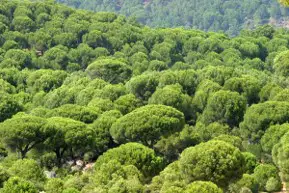
Identify the type of land cover shown in the image
Broad leaf Evergreen Forest
Forest
Australian outback
Cropland
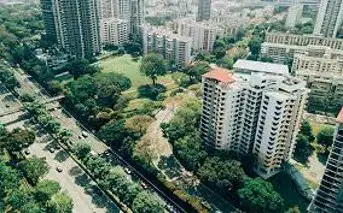
Identify the type of land cover shown in the image
Urban and Built-up
Forest and Urban
Brisbane
Croplands
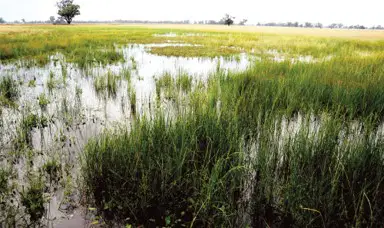
What type of land cover is shown in the image?
Woody Savanna
Rice field
Tundra
Wetland
Which of the following statements is true about land cover?
Land cover refers to human activities that take place on the land.
Land cover is independent of land use.
Land cover changes as people settle into an area.
Land cover remains the same as people settle into an area.
In which of the following categories of land cover would you most likely expect to find the highest human population?
cropland.
rangeland.
urban areas.
rural areas.
The vast grasslands that once covered the middle of North America have mainly been replaced by
forest land.
urban areas.
parks and preserves.
rangeland and cropland.
How does population growth impact land cover change?
Population growth leads to a decrease in demand for resources and infrastructure, resulting in land cover change.
Population growth leads to increased demand for resources and infrastructure, resulting in land cover change.
Population growth has no impact on land cover change.
Population growth only impacts urban areas and not land cover change.

Land that is used to graze livestock and grow crops.
residential
mining
agriculture
recreational
________ is the dominant vegetation in the temperate grasslands
Tree
Grass
Shrub
Mangrove
Grasslands cover _________ of the Earth's land surface
One third
One fourth
One fifth
Forests are
Large land covered with water
Large land covered with soil
Large land covered with trees
WHAT IS CROP?
WHEN DIFFERENT PLANTS ARE CULTIVATED ON SAME PATCH OF LAND ON LARGE SCALE
WHEN SAME TYPE OF PLANTS ARE CULTIVATED IN SAME PATCH OF LAND ON LARGE SCALE
WHEN SAME TYPE OF PLANTS ARE CULTIVATED IN DIFFERENT LANDS IN LESS NUMBER
NONE OF THE ABOVE
The upper edge of soil below which water fills all the spaces between the soil grains is called__________________
Water shed
Water table
Water pot
_______________ is an example for surface water.
Spring
River
Well
________ is a temporary dam constructed to store water.
Mallah bunding
Nallah bunding
Dam
Why is clean water important?
All life on Earth depends on clean water to live and grow.
We need clean water for recreational activities.
We need bodies of water for transportation
We need water to regulate the temperature on Earth.
True or False: It isn't important to save water because there are a lot of water on Earth.
True
False

What percentage of the earth covered with water?
50%
60%
71%
80%
Oil, spilled by tankers and oil wells, pollutes ____________.
River water
Sea water
Lake Water
Underground water
How to know water is polluted?
It is tasteless
It has ouder
It is crystal clear
It is ouderless
What are causes of water pollution?
Animals bathing in rivers
Using different methods to clean water
Spilling of oil in ocean
Both A and C
What are sources of water pollution?
Agricultural sources
Offices
Animals
Chemicals
How waste is produced by industries?
Making of paper
Reverse boring
Throwing clean water
Using water for cutting things in factories
The ambitious plan " Ganga Action Plan" was launched in ________ to cleanse river Ganga
1895
1985
1975
1899
recycle

We can prevent water pollution by:
Reduce the use of plastic.
Properly dispose of chemicals.
Clean up after your animals.
All of the above

Water pollution occurs when:
Harmful substances enter a water supply
Industries dispose of waste safely and correctly.
Industries cut costs with waste disposal.
None of the above.
It is a general term used to describe the physical, chemical and biological characteristics of water.
Water Testing
Water Quality
Water Quantity
All of these
It refers to the water reservoir that are located above the ground.
Fresh water
Saltwater
Surface
Ground
It refers to the amount of salt dissolved in seawater
Salinity
Sanity
Saltiness
None of these
What are some specific water quality factors that can help determine the quality of a body of water?
Pollution, dilution, and erosion
Dissolved Oxygen, pH, and temperature
Turbidity, pollution, pH
Photosynthesis, cellular respiration and limiting factors

Which glass is more turbid?
The water in the glass on the right is more turbid
The water in the glass on the left is more turbid
Temperature, turbidity, and water movement are the _____________ factors used to determine water quality.
physical
chemical
biological
A body of water showed a high turbidity level, high levels of nitrates and phosphates, a pH of 7.5, and low dissolved oxygen levels. Would this body of water be considered healthy?
Yes
No
Adding harmful waste to water, air or land
Smog
Renewable Resources
Pollution
Nonrenewable Resources
The burning of coal releases sulfur dioxide gas. How might the burning of coal lead to damaged plant life?
Sulfur dioxide can combine with drops of water to form acid rain.
Sulfur dioxide causes the remains of animals to decompose at a faster rate.
Sulfur dioxide gives off heat that raises the temperature of bodies of water.
Sulfur dioxide is a radioactive material that is dangerous for many years.
Which example best describes how human activity can directly impact the geosphere?
Poor farming practices can degrade the soil and cause erosion.
Dumping waste from a factory into a river can pollute the water supply.
Construction activities can release harmful dust and chemicals into the air.
Removing too many fish from the ocean can cause a fish species to go extinct.
Which effect of mining for resources most directly impacts the biosphere?
releasing dust into the air
increasing erosion of soil
adding sediment to waterways
degrading habitats for animals
Pollution can enter the hydrosphere in many different ways. Which statement describes a type of point-source pollution?
Oil being transported on a ship spills into the ocean.
Grease from cars washes into a stream along the roadway.
Litter along beaches gets pulled into the ocean by the tide.
Rainwater carries chemical fertilizer from land into a stream.
Which statement about the effects of natural events and human activities is true?
The environment is not usually affected by natural events.
All human activities change the environment in a negative way.
Natural events always have a positive impact on the environment.
Human activities and natural events can damage the environment.
Which of the following are the primary causes of water pollution ?
Plants
Animals
Human activities
None of these
Excessive use of fertilisers and pesticides should be encouraged.
True
False
Which algae grows on water and decrease its biological oxygen demand ?
Green Algae
Wondrous Marine Algae
Algal Bloom
Chlamydomonas

