
 Worksheets
tier 1, 4&5
Total questions: 88
Worksheet time: 47mins
The sun,moon and the night sky are called
new moon
stars
Celestial body
Stars have their own
water
heat
heat and light
Stars have their own
water
heat
heat and light
planets do not have
heat and gases
light and heat
air and water
It is the centre of the solar system
Jupiter
Moon
Sun
It is the planet nearest to the sun
Earth
Jupiter
Mercury
Earth is called a blue planet because
it is 3/4th covered with water
it is the reflection of the sea water
it is 2/3rd covered with water
It moves around the Earth in 27 days
Sun
Venus
moon
They are found between the orbit of Mars and Jupitor
meteoroids
galaxy
asteroids
The changes in the moon's appearance is called
Earth
Solar system
Moon phases
Constellation
What is the main source of moon's light?
Erth
The sun
The moon
The stars in the sky
The .............orbits the sun while the ......... orbit the eath.
Moon,earth
Earth,moon
Earth,sun
Moon,sun
Why does the moon look diferent every day?
Because the moon revolves around earth
Because its brightness changes
Because it changes size over time
Because it changes distance to earth
What causes earth to have day and night?
The moon moves between earth and the sun
Earth revolves around the sun
Stars move around earth in a pattern.
Earth rotates on its axis
Why do seasons occur?
Because of the distance earth is from the sun
Because earth tilts on its axis
Because earth rotates on its axis
Because earth is surrounded by air
The inner planets are
Jupiter Saturn Uranus Neptune
Earth Jupiter Mars Neptune
Mercury Neptune moon sun
Mercury Venus Earth Mars
The outer planets are
Jupiter Saturn Uranus Neptune
Pluto Neptune moon sun
Mercury Venus Earth Mars
Mercury Neptune moon sun
The differences between inner planets and Outer planets are
Inner planets are large and Rocky while outer planets are smaller and made mostly of gas
Inner planets are large and made of gas while outer planet are smaller and Rocky
Inner planet are small and Rocky while outer planets are large and made mostly of gas
Inner planets are small and made of gas while outer planets are large and rocks
Which planet is known as red planet
Mars
Venus
Jupiter
Mercury
Which of these is the coldest planet in the solar system?
Neptune
Saturn
Venus
Uranus
Which of the following are not planets?
Earth
Moon
Mars
Pluto
What is the great red spot in planet Jupiter?
Tornado
Cyclone
Hurricane
Tsunami
Which of these planets is the farthest from the sun?
Mercury
Earth
Neptune
Jupiter
Which planet is the sixth from the sun?
Venus
Jupiter
Uranus
Saturn
The 0° Longitude is
Equator
Prime Meridian
Great Circle
The Prime Meridian passes through
Greenwich
India
Australia
The ------- divides the Earth into Northern and Southern hemisphere.
Equator
Prime Meridian
Grid
------ helps us to find the time of a place on the Globe.
Latitudes
Longitudes
Maps
Latitude lines runs from east to west.
True
False
The end points of the axis of the earth are called the
poles
equator
diameter
The earth is like a sphere. It is slightly bulging at the equator and flattened at the poles.
True
False

What is a globe?
The full Earth.
A miniature model of the Earth.
A miniature model of the solar system.
The total number of longitudes are
360
180
90
What are latitude and longitude lines?
Imaginary lines that divide the Earth
Visible lines that divide the Earth
Long and short lines that divide the Earth

What are the four MAIN directions on the Compass Rose?
North, South, East, and West
Northeast, Southeast, Northwest, Southwest
The Arctic circle is located in
the Northern hemisphere
The Southern Hemisphere
The eastern hemisphere
During a solar eclipse, the ______________ is blocked by the moon.
New
Sun
Full
Moon
A solar eclipse can only happen during a ___________ moon.
Day
New
Full
Night

Which compositional layer is represented by the yellow layer?
inner core
outer core
mantle
crust
The Earth consists of 4 main layers.
True
False
What is the percentage composition of nitrogen in air?
78%
75%
86%
The composition of air consists of __________ key components.
seven
three
ten
__________________ is the most important gas in the composition of air.
Nitrogen
Argon
Oxygen
_______________ is one of the most abundantly found gases on earth.
Oxygen
Carbon dioxide
Nitrogen
Plants use ________________ for photosynthesis.
Chlorine
Nitrogen
Carbon dioxide
Select the main gases present in air
Oxygen
Water vapour
Carbon dioxide
Nitrogen
All animals breathe
Carbon dioxide
Oxygen
Trees take ____ gas from surrounding
Oxygen
Carbon dioxide
Which of the following ISN'T an organ?
eye
heart
brain
hair
A group of organs that works together is called...
a team
organic tissue
organelles
an organ system
Select all the steps that are part of the digestive system:
food enters the system through the mouth
food travels down the oesophagus
through digestion, food is broken down into particles
the blood carries the nutrients to the rest of the body
What is the function of the circulatory system?
to separate the nutrients from the waste
to transport substances all over the body
to help different parts of the body communicate with one another
to allow the cells in the body to respire
How does the nervous system work?
signals come only from the sense organs
signals come only from the spinal cord
signals travel along nerves to all the body organs
signals come only from the brain
How do nerves help the different organs in the body to work together?
they help them communicate
they help them carry out new functions
they help them create signals
Which of the following elements is a waste product of the human respiratory system?
oxygen
water
carbon dioxide
When does carbon dioxide leave our bodies?
when we sweat
when we breathe out/ exhale
when we breathe in/ inhale
The process of chewing the food and breaking it down into simple substances is called . . . .
swallowing
digestion
grinding
chewing

What is the name of this organ?
small intestine
pancreas
large intestine
stomach

The name of the organ is . . . .
stomach
large intestine
small intestine
gullet
The name of the organ is . . . .
stomach
large intestine
small intestine
gullet

The name of the organ on the picture is . . . .
large intestine
small intestine
stomach
gullet
This is an organ that pumps blood throughout your body.
capillaries
veins
heart
arteries

The organ in the diagram helps us in __________________ .
Seeing
Hearing
Smelling
Dealing
Which of the following is not a good habit ?
washing our hands before eating food
Eating regularly at the same time in a day
Swallowing the food without chewing it
Eating fresh and warm food

The organ in the above diagram is (a) .
We breathe in air through our
windpipe
nose
lungs
This is the place where digestion starts.
stomach
mouth
small intestine
large intestine
The air moves down the _______________ and into the __________________.
windpipe
nose
lungs
kidneys
This is an organ that pumps blood throughout your body.
capillaries
veins
heart
arteries
This body system supports your body and gives it shape.
muscular
nervous
skeletal
respiratory
Which is not part of the circulatory system?
blood vessels
heart
blood
liver
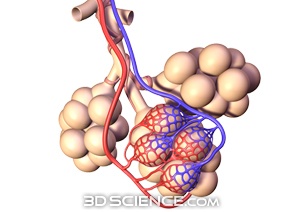
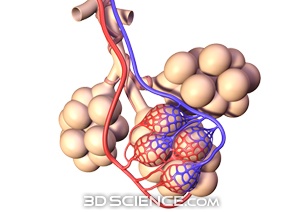

Flap of tissue that covers the opening to the windpipe during swallowing
Pharynx
Trachea
Epiglottis
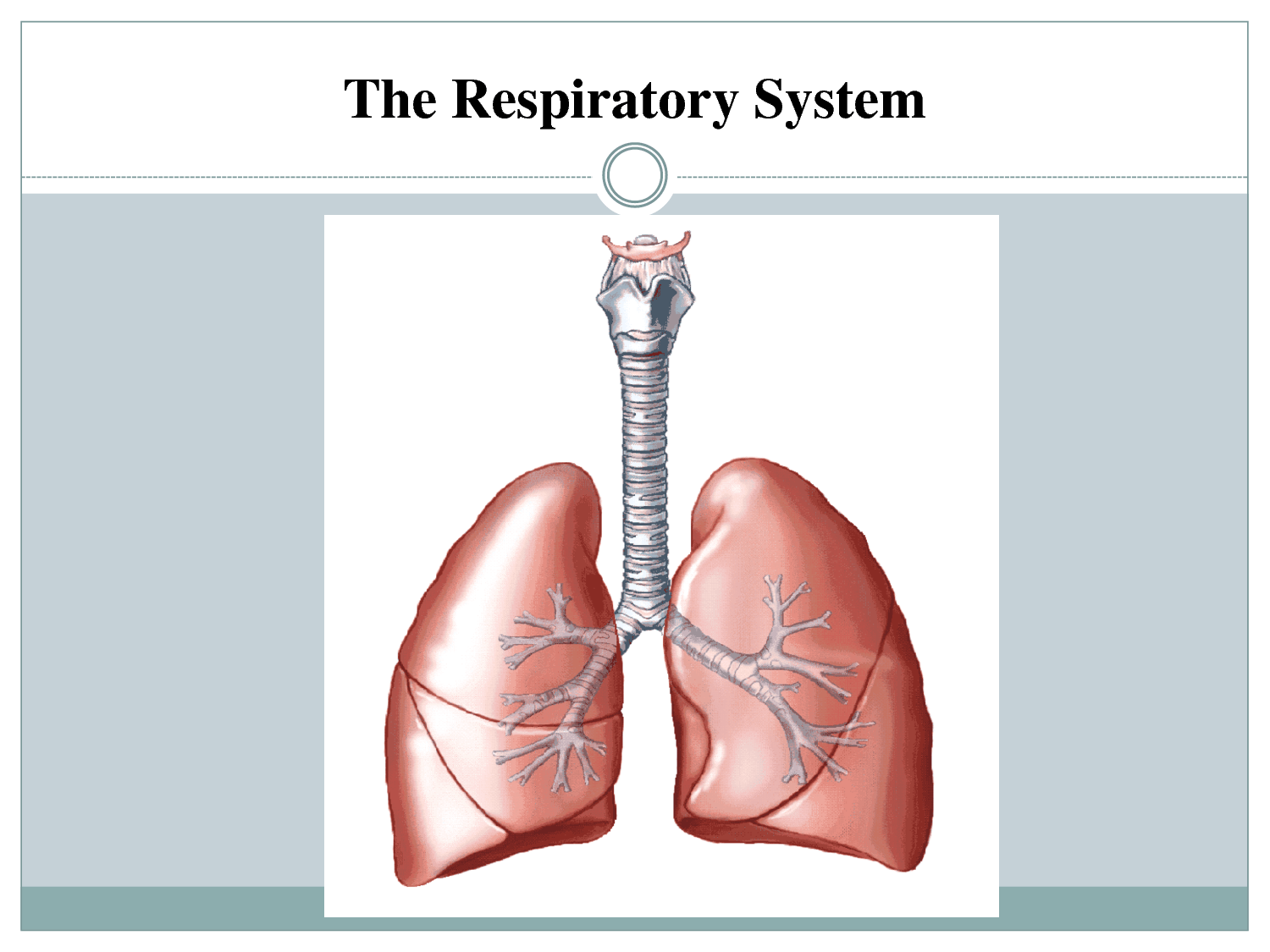
1. larynx
2. nasal cavity
3. pharynx
4. trachea
Which of the following is the correct order that air would flow during inhalation.
Which is known as the voice box?
pharynx
larynx
trachea
bronchi

What is the function of the bronchi?
Transport air from nose to lungs
Transport air from trachea to bronchioles
Transport air from nose to alveoli

