
 Worksheets
BCA: 4th Grade: Science: Investigating Waves 4-PS4-1
Total questions: 87
Worksheet time: 47mins
a disturbance that transfers energy through matter or through space
the highest part of a wave
the lowest part of a wave
the disturbance from one crest to the next crest of a wave
the vertical distance from the top of the rest to the bottom of the trough of a wave
the height of instance from the crest to either the midpoint or the trough of the wave
amplitude
frequency
wave
crest
the number of times a wave peaks over a period of time
the measurable strength or power of a vibration
Intensity
the quality of sound that is described as high or low and is related to wave's frequency
a transfer of energy through a material as it is disturbed by vibrations
Sound waves
Electricity waves
Heat waves
Light waves
to move back and forth quickly; the motion of an object or material that is vibrating
vibrate/vibration
the way humans perceive loudness from the intensity of a sound wave
volume
amplitude
trough
wave
to take something in and contain it
absorb
a form of energy that can transfer through empty space and can make things visible
an object that gives off its own light
Incoming light
Light source
Light house
to bounce off of
absorb
refract
dismiss
reflect
an energy disturbance that transfers, or radiates, light
Light wave
an aspect of light that enables otherwise identical objects to be distinguished from each other through the sense of light (vision)
a property of matter that allows light to pass through it; allowing light to pass through
transparency or transparent
a visual object or mark that stands for something else
a pattern of symbols that can be used to communicate a message
a regular or repeated way in which something occurs
a symbol sent over a distance
What do waves transfer?
Particles
Water

crest
A
amplitude
C
wavelength
B
Trough
D
wavelength
E

Waves move (a) without moving (b) .
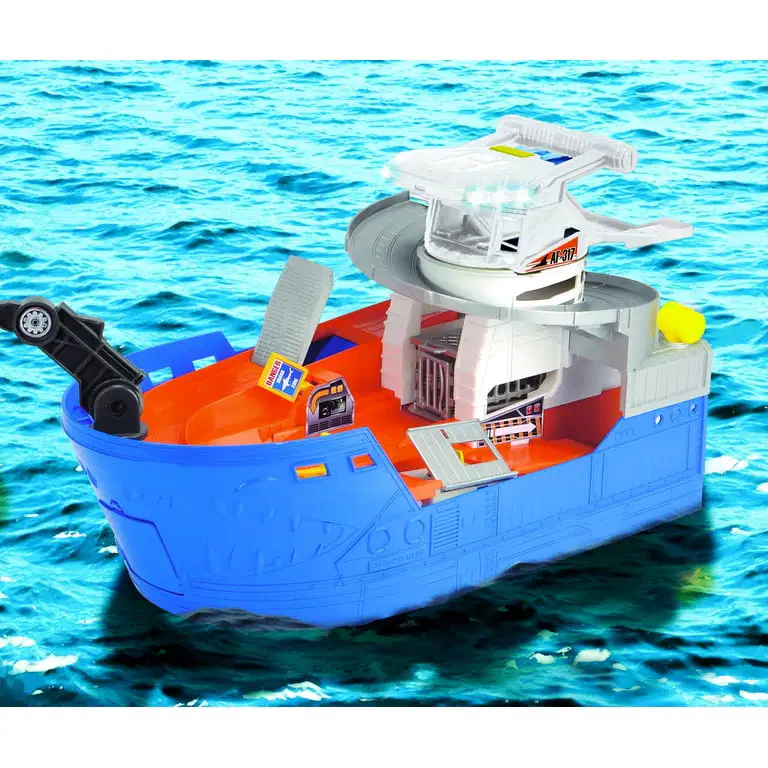
Do waves move objects or just energy?
Just energy moves objects.
Just the waves move objects.
Both energy and waves move objects.
What causes waves in water to form?
(a)
Energy causes waves in the water to form? List different types of ways energy forms waves in water.
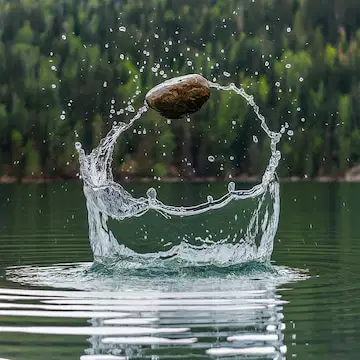
dropping an object into water
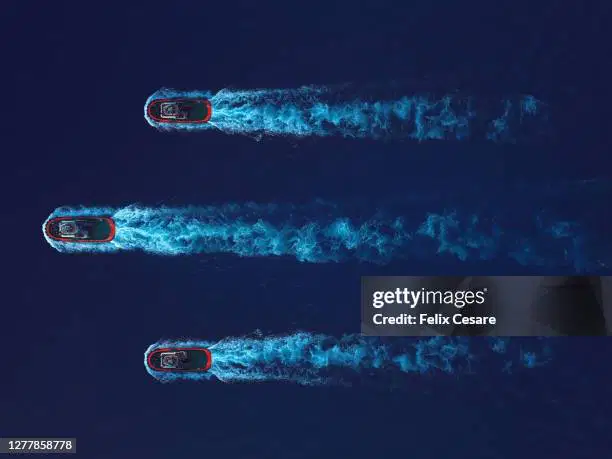
pushing an object through water

strong winds
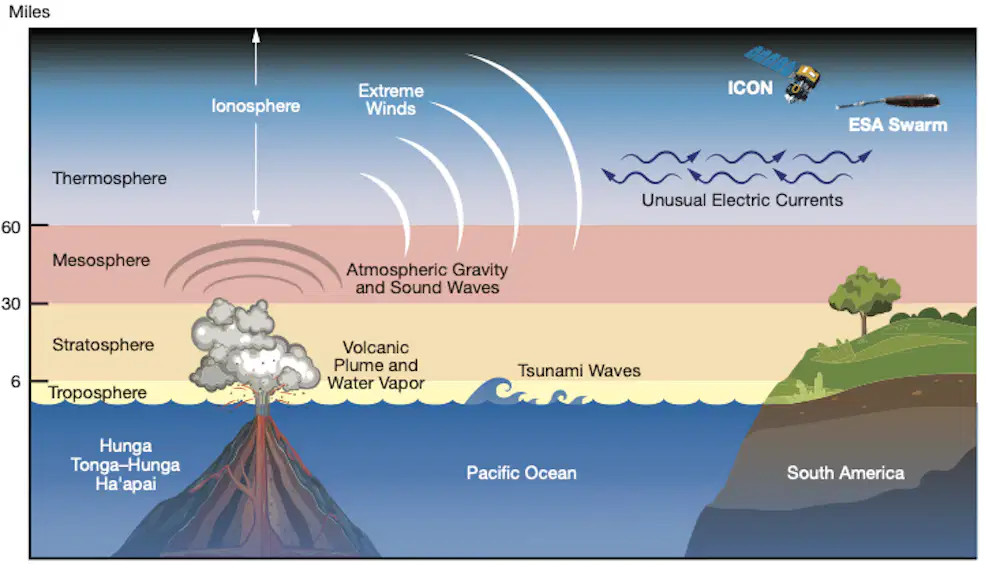
underwater earthquakes or volcanoes cause tsunamis

landslides
What is the primary cause of wave formation in water?
gravity
pressure
energy
temperature
Which of the following are the cause of tsunamis?
underwater volcanoes
undersea earthquakes
landsides
tidal forces
The stronger the wind,the more energy it has to transfer, and the larger the wave.
What is primarily transferred by waves?
objects
energy
water volume
all the above
When a surface wave appears to move toward a shore, what is the actual motion of the water volume?
it moves towards the shore
it moves parallel to the shore
it moves up and down
it remains completely still
What is responsible for changing the location of water volumes in the ocean.
Tides and current
waves
What causes waves to crash onto a beach?
Waves crash onto a beach due to their crest reaching a height that causes them to tumble.
How do we know that water waves possess(have) energy?
Water waves possess energy because they cause changes in their environment.
Water waves carry energy, because they cause changes. Which of the following is evidence of change.
the sand moving on the shore line
crashing waves against rocks; causing a loud roar
rocks being eroded
boats sailing on the water
What is amplitude a measure of in a wave?
the speed of the wave's spreading
the frequency of the wave's oscillations
the distance between a wave's crest and trough
the wavelength of the wave
In terms of sound, what does a greater amplitude indicate?
a hight pitch
a softer sound
a louder sound
a faster sound wave
For light waves, a greater amplitude indicates?
a dimmer light
a brighter light
a different color
a slower light waver
Explain the relationship between amplitude and the power of a water wave?
Type your answer then compare it to my answer.
What is the importance of amplitude?
size and speed
size and shaped
speed and color
color and shape
What are the three characteristics of water waves?
Can we perceive(see) frequency differences in waves without specifically measuring them?
What is frequency a measure of:
Frequency is a measure of how many wave crests pass a point in a certain amount of time.
For sound waves, a greater frequency is perceived as
a lower pitch
a higher pitch
louder sound
softer sound
With visible light, different frequencies are perceived by humas as:
different brightness levels
different colors
different shapes
different intensities
Water waves will appear closer together if you stand on the shore and watch them when their frequency is higher
Why do sound waves travel fastest through solids than through liquid and gases.
Because the molecules in gases are more energetic and vibrate more
Because the molecules in solids are closer together, requiring less energy to transfer
Because gases are less dense, allowing vibrations to pass through more easily
Because solid absorb more energy, which propels the sound wave forward
Imagine sound traveling though three different mediums steel(solid), pool(liquid), and air(gas) in a room. Which medium would sound travel the farthest and fastest.
steel
water
air
What property of matter most influences how fast sound waves travel through it?
how hot or cold it is
how tightly packed(dense) its molecules are
how much light reflects
how strong its smell is
The Doppler effect is when sound waves travel outward and the wave changes because an object is _______?
Imaging you are standing still, and a care with its horn honking drives past you. What happens to the sound of the horn as the car moves away from you.
The sound will seem to get quieter and have a lower pitch
The sound will seem to get louder and have a higher pitcher
there will be no change
all the above
What is the difference between a sound and a sound wave?
Sound is the perception of vibrations; a sound wave is the physical wave that carries those vibrations.
What is sound?
what we hear as a result of sound waves entering our ears
what we see as a result of light waves entering our eye
what we tasted as a result of food entering our mouth
What produces sound.
How is sound related to energy.
Sound is a form of energy that travels through vibrations.
Can light be bright or dim?
What is the primary way a prism works?
Refelction
Absorption
Refraction
Diffraction
Why do different colors emerge from a prism when white light passes through it?
each color has a different intensity
each frequency of light bends differently
the prism itself is colored
the light source is emitting different
Can light pass through all objects?
yes, light can pass through all ojbects
no
only through opaque objects
What property describes materials like glass that allow light to pass through them.
opacity
reflection
transparency
absorption
What do nontransparent objects do with light?
they allow it to pass through
they absorb all of it
they reflect it by blocking it from passing through
they convert it into heat
What term is used to describe objects that reflect light
transparent
translucent
opaque
refractive
Which of the following is an example of a transparent object.
a wall
a piece of wood
a mirror
glass
What is the primary process that powers the sun and other stars..
fission
fusion
combustion
evaporation
What is formed when two hydrogen nuclei fuse together.
a larger hydrogen atom
a neutron
a helium atom
pure energy
Is a phenomenon in which a wave changes direction due to a change in speed when the light passes from one medium to another.
What happens when light spreads out as it passes around the edge of an object.
refraction
diffraction
interference
dispersion
Do all animals have the same level of visison.
no, animal eyes come in various shapes, sizes, colors. all animals have different levels of vision
yes, all animals have the same type of eye site, so they all see the same
What is the primary mechanism by which plants detect the direction of incoming light.
external stimuli
internal chemisty changes
gravity
soil compostion
During phototropism, how does a plant's internal chemistry respond to light direction.
it signals the roots to grow deeper
it cause the stems and leave to enlarge in a specific direction
it triggers the production of more chlorophyll
What is the main way light causes changes?
Transferring energy
When molecules in an object vibrate or rotate because of light, what is produced.
light
energy that makes heat
electricity
color
What is one of the by products of energy transfer cause by light.
cold
darkness
sound
heat
In a solar oven how will aluminum foil help cook food effectively.
by absorbing sunlight to create heat
by directing sunlight onto the food
by insulation the food from the cold
by reflecting heat away from the food
When light is reflected onto an object and heats it up, what kind of change is happening.
a sound change
an energy transformation
a color change
a smell change
How will the black construction paper help light make a change?
is used to protect objects from the sun
can be use to make things cooler
absorbs light causing warmth or cooking effects
reflects ight more than other colors
What part of the sunlight makes us feel hot?
visible light
ultraviolet rays
infrared wavelengths interacting with matter
all of the above
On a sunny summer day, why does the sun feel hot on our skin?
because visible light rays are strong
because infrared light rays are making our skin cells move more
because the sun is made of heat
because the air around us is hot
When infrared light hits something, what happens to the tiny parts that make up that thing.
the slow down
the stop moving
they start moving faster
they disappear
What does the word "radar" stand for?
Radio Detecting And Running
Radio Detecting and Ranging
Radio Doing and Running
Rad Arriving and Ranging
Radar uses what kind of waves to find things.
Sound waves
Light waves
Electromagnetic waves
Water waves
When radar waves hit an object, what do they do.
they get absorbed
they bounce back
the pass right through
they disapear
What can a radar tell us about an object?
its color and shape
its name and age
its size distance and speed
its temperature and material
Which sentence describes a way that energy from sound waves can cause change.
(read carefully, maybe more than one correct answer)
Glass is shattered by an opera singer's voice
A women gets burned by the midday sun
high winds cause large oceans waves to form
a loud concert cause a man's ears to ring
the phone vibrates when it rings

