Worksheets
Unit 4: Organelles / Cells Check understanding Quiz
Total questions: 46
Worksheet time: 23mins

What is the main function of the Mitochondria?
The "powerhouse" of the cell, makes energy for the cell to use.
I don't know
Stores food for the cell
Contains the DNA

What type of cell are humans?
Plant
Animal
Do WE have eukaryotic or prokaryotic cells?
Eukaryotic
Prokaryotic

What is the main function of vacuoles?
Stores food and other nutrients
Makes ATP
Makes proteins
Contains DNA
What is the main function of the nucleus?
Contains the DNA information for the cell
Stores food for the cell
Protects the cell
Makes proteins
What organelle controls what goes IN AND OUT of the cell?
Nucleus
Cell Membrane
Endoplasmic Reticulum
Mitochondria
What is the name of the jelly-like fluid inside of the cell that holds the organelles ?
Lysosome
Fluid
Water
Cytoplasm
Which scientist discovered and named cells after “small rooms”?
Robert Hooke
Anton Van Leeuwenhoek
Matthias Schleiden
Theodor Schwann
What is the name of the genetic material that is inside the nucleus?

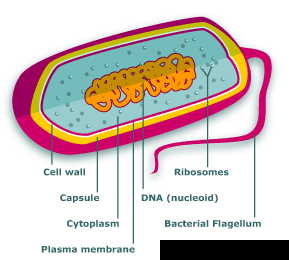
The following is an picture is of a...
bacterial cell
plant cell
animal cell
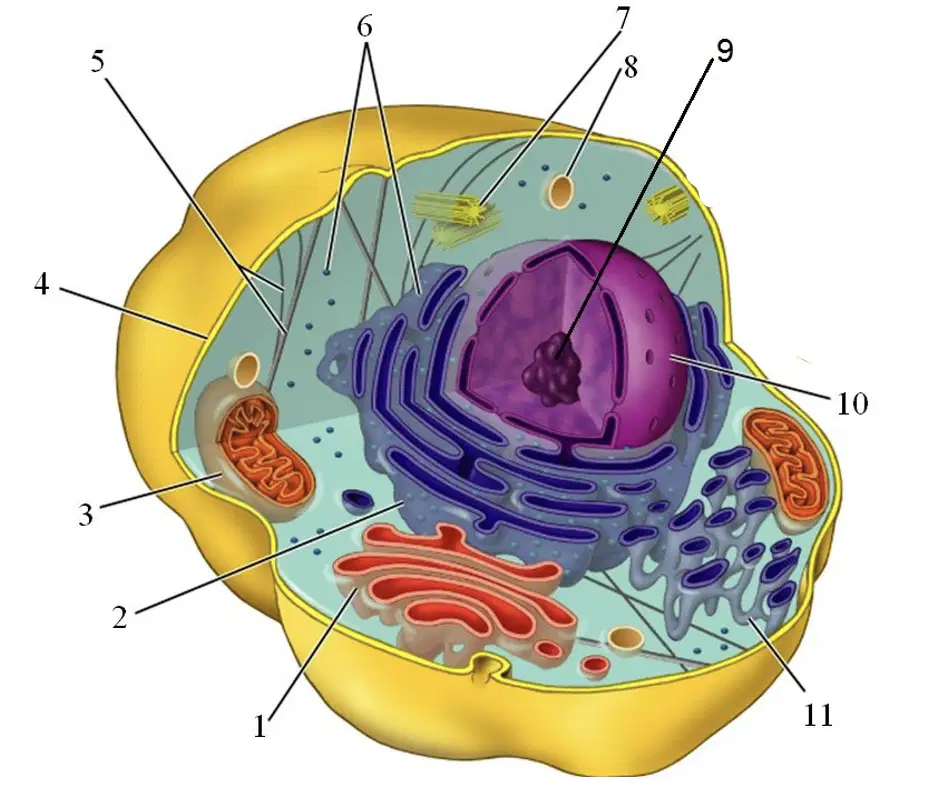
The number 1 labels the...
Endoplasmic reticulum
Mitochondria
Golgi body
Lysosome

Identify the nucleus
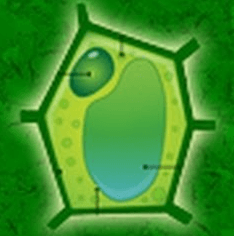
A strong layer that lies outside the plant cell's membrane is...
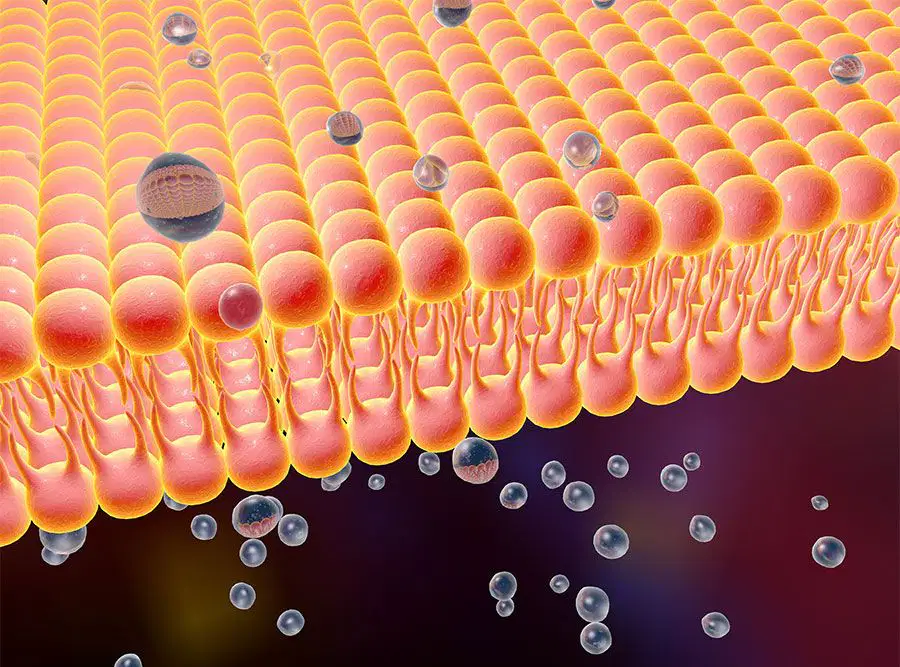
Controls what goes in and out a cell
Cell membrane
Ribosomes
Cell Wall
Cytoplasm

Which organelle turns sunlight into energy (sugar)? ( in PLANT cells only)
Mitochondria
Nucleus
Chloroplasts
Vacuoles

jello-like material, fills the space between cell organelles, is where many chemical reactions occur
Cytoplasm
Chlorophyll
Chloroplast
Cell Membrane

contains DNA, which has the information on how to make the cell's proteins control center for the cell. Sometimes called the brain of the cell.
Nucleus
Lysosome
Mitochondria
Endoplasmic reticulum

What type of cell is shown?
Prokaryotic (Bacteria)
Eukaryotic (Plant or Animal)

Makes proteins, building more cell parts
Endoplasmic reticulum
Mitochondria
Chloroplast
Ribosome

Break down molecules and dead organelles, works like a “garbage disposal” and is only present in ANIMAL CELLS
Mitochondria
Vacuole
Lysosome
Ribosome

“Powerhouse” of the cell, breaks food down into energy for the cell
Vacuole
Chloroplast
Nucleus
Mitochondria

Stores food and water like a refrigerator for the cell
Chloroplast
Vacuole
Lysosome
Cytoplasm
Which is true about the cell theory?
All organisms are composed of cells
Cells are living and are the basic units of organization in all organisms
All cells come from other cells
All of these answers are correct
Cells are organized into tissues, which are organized into organs, which are organized into organ systems, which are organized to create the whole organism
True
False
What scientist developed the hypothesis that cells only come from other cells?
Robert Hooke
Rudolf Virchow

Cytoplasm is important to a cell because it
holds organelles in place.
stores water for the cell to use when needed.
provides structure and protection.
controls the cell's activities.

Organelles are
small piano-like instruments used to play music
large structures in the body
Tiny structures in cells
Tiny appliances in a doll house

The cell membrane is only found in animal cells.
True
False

The vacuole does what for a cell?
Stores water and nutrients
keeps organelles in place
provides protection
provides energy

The plant cell is lucky to have a cell wall because it....
controls the cell's activities
releases energy for the cell
provides support and protection for the cell.
stores water for the cell to use when needed.
All organisms are made of_______________?

Which is NOT true of a vacuole?
This organelle performs photosynthesis and is only found in plant cells.
Has cell membrane
Prokaryote
Eukaryote
both