
 Worksheets
Post Spring Break Refresher
Total questions: 40
Worksheet time: 39mins
Who interprets the law?
Which branch writes legislations (laws)?
True/False: The President can "check" the Judicial Branch by appointing justices to the Supreme Court.
True/False: The Legislative Branch can "check" the Executive Branch by overriding the President's veto with a 2/3 majority.
The ability of one branch of government to limit the power of the other branches of government is known as what?
Dividing up the functions or role of government is known as what?
Who was the Enlightenment thinker to first suggest the separation of powers & checks and balances in government?
The Constitution represents the idea of ___________ government.
Congress impeaches a judge?
Congress refuses to approve presidential appointments?
Congress refuses to approve presidential treaties?
the Supreme Court declares an presidential act unconstitutional?
Which of these excerpts from the United States Constitution best reflects the principle of checks and balances?
“This Constitution, and the Laws of the United States . . . shall be the supreme Law of the Land. . . .”
“The [listing] in the Constitution, of certain rights, shall not be [interpreted] to deny . . . others retained by the people.”
“All persons born or naturalized in the United States . . . are citizens of the United States and of the State wherein they reside.”
“Every Bill which shall have passed [Congress] shall, before it becomes a Law, be presented to the President of the United States.”

Determined that keeping people separate based on the color of their skin was acceptable. (Allowed Segregation)
Plessy v. Ferguson
Tinker v. Des Moines
Brown v. Board of Education
In re Gault

Determined that everyone was entitled to legal counsel (lawyer) regardless of their ability to pay.
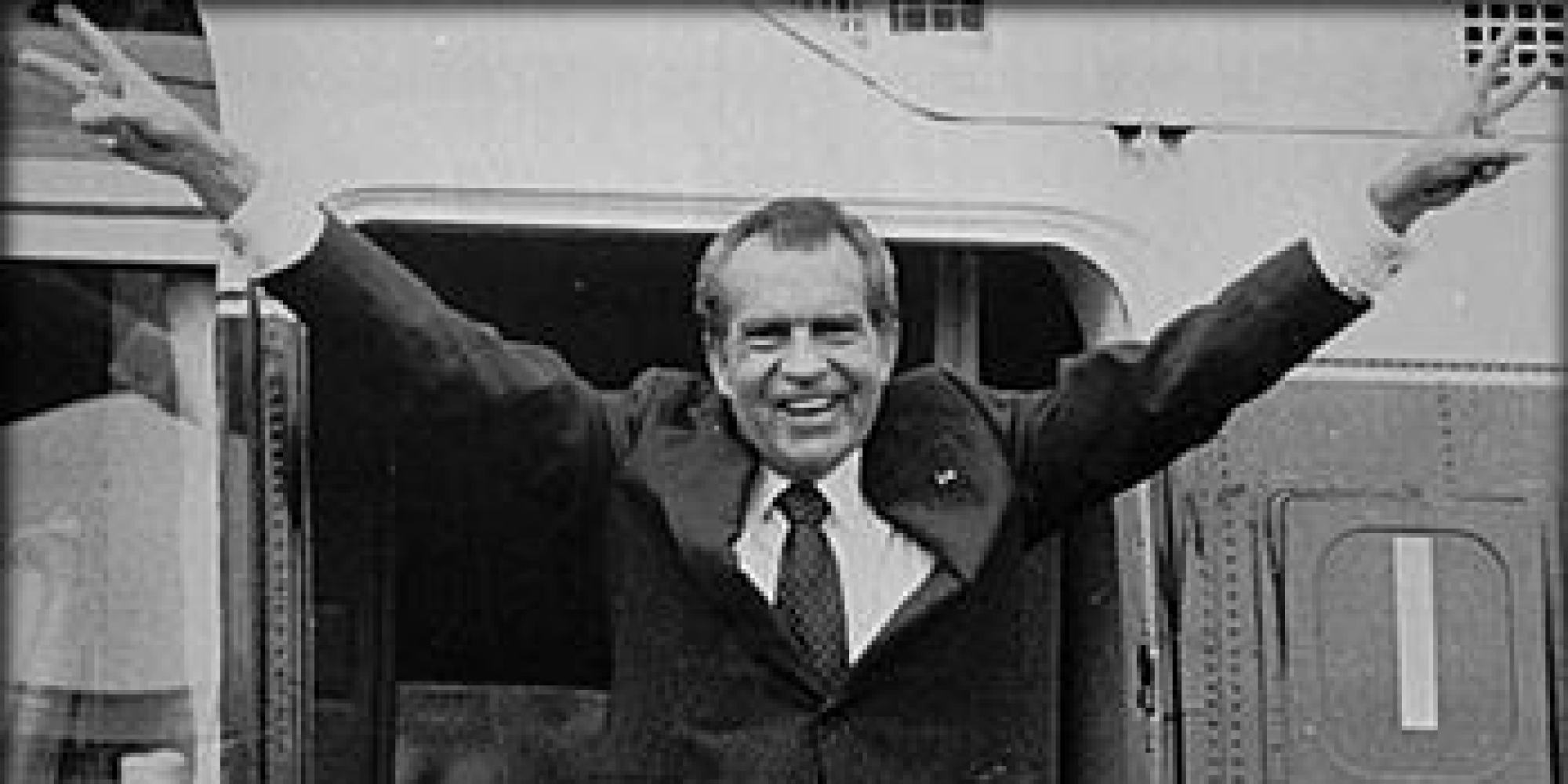
U.S. v. Nixon
Bush v. Gore
D.C. v. Heller
Gideon v. Wainwright

Determined that keeping people separate based on the color of their skin was not acceptable. (Got rid of segregation)
Miranda v. Arizona
Brown v. Board of Education
Bush v. Gore
Plessy v. Ferguson

Determined that individuals must be told of their rights. Such as the Right to remain silent to avoid self-incrimination.
In re Gault
Gideon v. Wainwright
Miranda v. Arizona
D. C. v. Heller


This case determined the Supreme Court had the ability to declare a law unconstitutional.
In other words, This case created Judicial Review.
Tinker v. Des Moines
Marbury v. Madison
Hazelwood v. Kuhlmeier
U.S. v. Nixon
In this case, The Court determined African American men were not a citizen, so they did not have the right to sue
This would lead to arguments about who was considered a citizen until it was defined by the 14th Amendment
Dred Scott V. Stanford

Schools have the right to limit a student's freedom of speech and of the press if it goes against the schools educational mission.
Tinker v. Des Moines
D.C. v. Heller
Hazelwood v. Kuhlmeier
In re Gault
Suspects cannot be questioned (interrogated) until they are informed of their rights (right to remain silent, right to an attorney, etc.)
Brown v Board of Education
Miranda v Arizona
Tinker v Des Moines
Bush v Gore
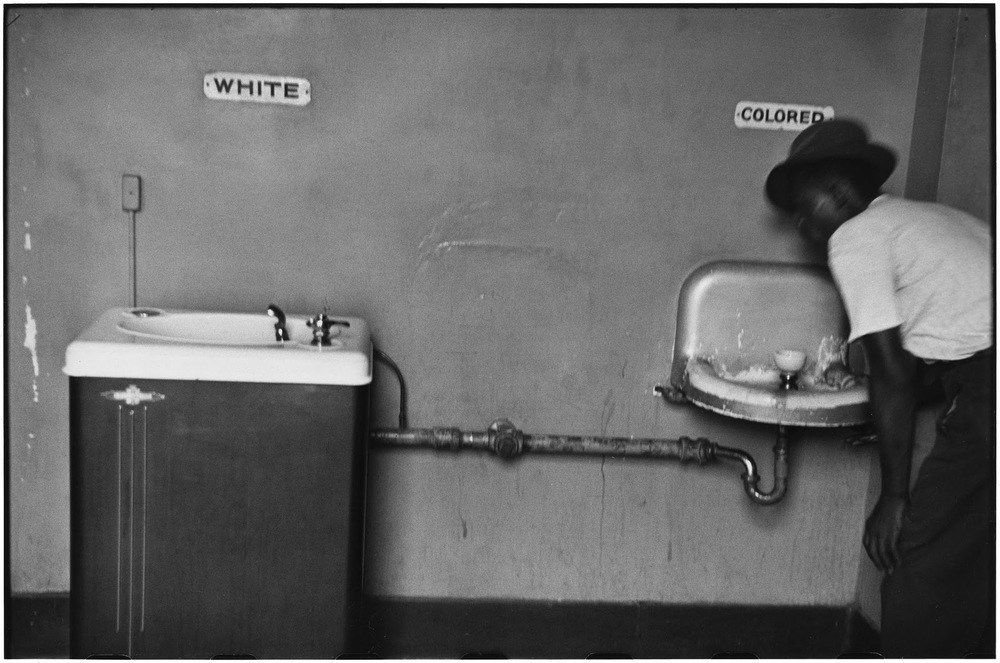
Established “Separate but Equal”, which provided separate public facilities for both whites and blacks as long as they were equal.
District of Columbia v Heller
In Re Gault
Brown v Board of Education
Plessy v Ferguson
Which principle was the focus of the U.S. Supreme Court decision in Miranda v. Arizona (1966)?
freedom of expression
self-incrimination
freedom of speech
right to a jury trial
Rule of law means
The executive branch is independent and cannt be forced to follow court orders
Government officials do not have to follow laws
Laws must be followed by everyone except for government officials.
Nobody is above the law.
6. What do we call it when Congress stretches it powers to meet new needs?
a. Ex Post Facto Laws
b. Impeach
c. Bill of Attainder
d. Elastic Clause
2. Which part of the U.S. Constitution outlines legislative power?
a. First Amendment
b. Bill of Rights
c. Preamble
d. Article I
5. Congress may override a presidential veto with a
a. majority vote.
b. three-quarters vote.
c. two-thirds vote.
d. unanimous vote.
9. Which action formally accuses a government official of “wrongdoing”?
a. Filibuster
b. Impeach
c. Override
d. Veto
10. Which of the following are the constitutional requirements for being president?
a. at least 35 years old, native-born citizen, college educated
b. at least 35 years old, natural-born citizen, lived in United States 14 years
c. at least 35 years old, naturalized citizen, lived in United States 14 years
d. at least 40 years old, native-born citizen, lived in United States 10 years
17. A rule or command the president gives out that has the same power as a law is called
(Its like a law but the President makes it.)
(They pretty much just happen)
a. an amnesty.
b. an executive order.
c. a pardon.
d. a reprieve.
19. Which part of the U.S. Constitution established the judicial branch?
(Think: Trial Court, Appeals Court, & Supreme Court [how many?])
a. Article I
b. Article II
c. Article III
d. Article V
22. What is the “court of final appeal” or the highest court in the United States?
(It has 9 Justices)
a. appellate court of Washington, D.C.
b. Supreme Court
c. U.S. Court of Appeals for the 13th Circuit
d. U.S. district court

27. Which option completes the trial process?
a. cross examination
b. jury instructions
c. investigation
d. verdict
The scenario below involves damage to someone's property.
Last Saturday, a driver was ticketed for speeding through a neighborhood and crashing into a fence. The fence owner is suing the driver $2500 for the cost to repair the fence.
28. What court would hear the case?
a. Appeals
b. Civil
c. Criminal
d. Family
What State do you live in Currently?
'Merica
Florida
Who is the Truthfully The Most Rizzful.
Mr. Lumbrazo
A pile of garbage from last weeks pizza party.

