
 Worksheets
Brain and The Senses
Total questions: 45
Worksheet time: 39mins
The Central Nervous System consists of...
Nerves
brain, spinal cord and nerves
Brain and spinal cord
brain and nerves
which lobe plays a part in decision making?
Frontal
Temporal
Parietal
Occipital
The left hemisphere of the brain controls the right side of the brain and vise versa.
True
False
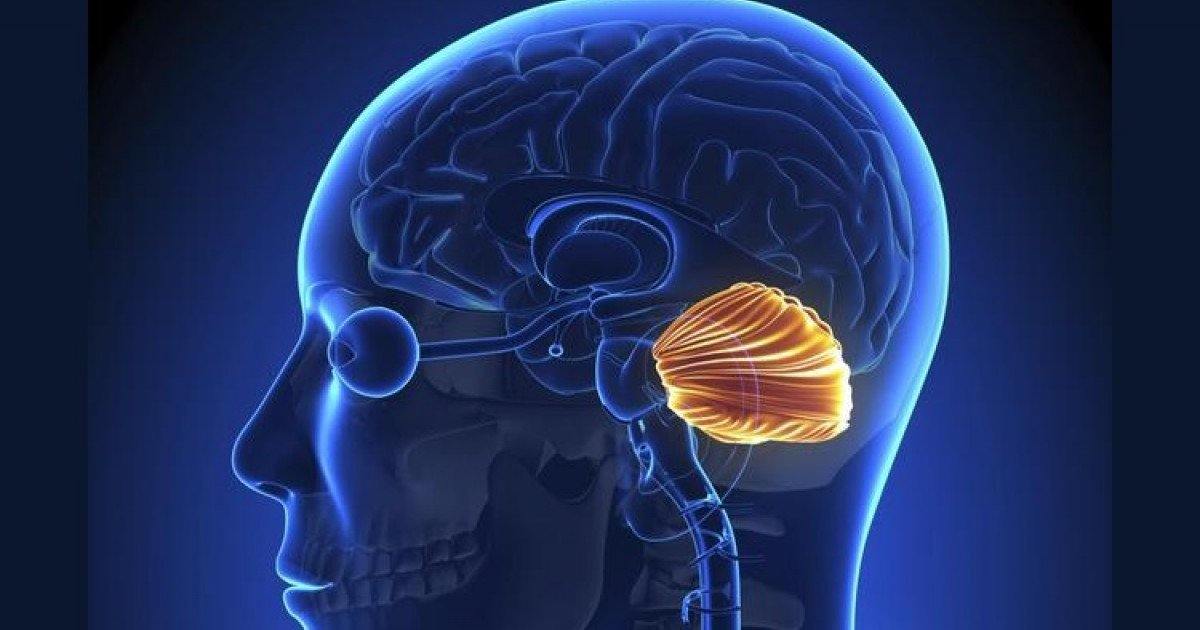
WHAT IS THE NAME OF THIS PART OF BRAIN?
BRAIN
RIGHT HEMISPHERE
LEFT HEMISPHERE
CEREBELLUM
The nerves outside of the brain and spinal cord make up the.....
central nervous system
peripheral nervous system
nervous system

What part of the brain is pictured in purple?
cerebellum
brain stem
temporal lobe


The parietal lobe controls __________.
Vision
Problem Solving
Memory
Sensations

The ___ is responsible for our emotions, memory and _____.
Brain Stem, breathing
Cerebellum, balance
Frontal Lobe, decision making
Temporal, hearing

Which part of the brain controls your balance and coordination?
brain stem
occipital lobe
cerebellum
frontal lobe
What part of the brain regulates the sleep/wake cycles.
Hypothalamus
thalamus
pons
cerebrum
Smell
Cerebellum
Brain Stem
Amygdala
Olfactory bulbs of limbic system
Hypothalamus

What is "sensory language"?
language that connects to the five senses (sight, sound, smell, taste, touch) to create an image or description.
language that has been banned by your parents and teachers
language that is not very descriptive
language that is unfamiliar to the reader
Which of the following is NOT a primary taste sensation?
sweet
umami
salty
spicy
Which of the following lists structures of the eye in the order through which light passes?
cornea, aqueous humor, pupil, lens, vitreous humor
lens, pupil, aqueous humor, vitreous humor
cornea, pupil, lens, aqueous humor, vitreous humor
pupil, cornea, aqueous humor, lens, vitreous humor
The only special sense that is NOT fully functional at birth is
taste
vision
hearing
smell
The innermost sensory layer of the eye is the __.
slcera
retina
choroid
cornea

pupil
cornea
retina
lens

Gel like liquid inside the larger eye chamber
aqueous humor
vitreous humor
iris
fovea centralis
The small, peg-like projections of the tongue's surface are called what?
Organ of Corti.
photoreceptors
papillae
teeth
The window that lets light enter the eye is the
cornea
lens
retina
sclera
The location where all of the rods' and cones' ends meet and join together to exit the back of the eye is the
optic nerve.
optic chiasm.
lens.
refractory layer.
Which structure does the MAJORITY of light-bending as light enters the eye?
Retina
Lens
Cornea
Iris
Which special sense receptor below is composed of a localized cluster of sensory neurons, rather than a complex, specialized organ?
eyes
ears
taste buds
Because the brain can process visual info from both eyes, which have slightly different views, humans have good
color vision.
depth perception.
reflexive eye movements.
long-distance vision.
The receptors that sense chemicals
thermoreceptors
mechanoreceptors
chemoreceptors
photoreceptors
The receptors that sense chemicals
thermoreceptors
mechanoreceptors
chemoreceptors
photoreceptors
Receptors for taste and smell are classified as:
proprioreptors
thermoreceptors
chemoreceptors
mechanorecptors
Photoreceptors are found in your
eyes
ears
nose
mouth
skin
Which type of receptor is NOT found in your skin?
temperature
pain
pressure
light
Which of the following statements about sense organs is INCORRECT?
They are responsible for producing senses.
They contain sensory cells.
They are responsible for detecting stimuli.
There are five sense organs in humans.
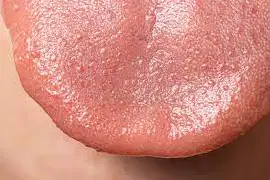
What are the bump on your tongue?
Taste buds
Salivary Glands
Papillae
Pustules
Which part of your brain perceives taste?
Frontal lobe
Parietal lobe
Hypothalamus
Midbrain

Ampulla
Pinna
Cochlea
Ossicle

Vestibule
Cochlea
Semicircular canal
Macula

